
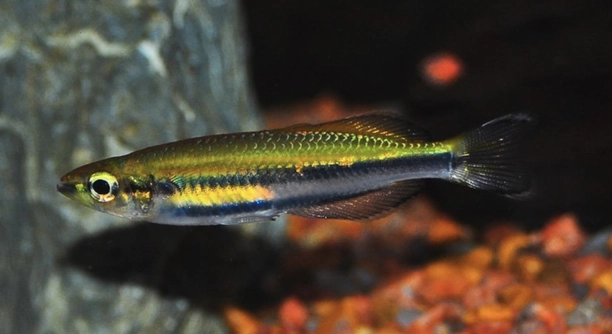
Rainbowfish are colorful and active fish often kept in home aquariums. Many aquarists enjoy watching how they interact with each other throughout the day in a shared tank environment. Observing their social behavior can be quite engaging.
Rainbowfish do have the ability to remember their tankmates. Studies show that they recognize familiar individuals and adjust their behavior accordingly, forming social hierarchies and maintaining cohesion within the group. Memory of past interactions influences their social and feeding behavior.
Understanding how rainbowfish remember and interact with their companions helps in creating a harmonious tank environment and ensuring their social needs are met consistently over time.
How Rainbowfish Recognize Each Other
Rainbowfish use visual cues and behavior patterns to recognize their tankmates. Each fish has subtle differences in color, fin shape, and movement that allow others to identify them. In a community tank, familiar fish often swim closer together and coordinate their movements. Aggressive or shy behaviors can also signal identity, helping rainbowfish remember who is dominant or more passive. Memory plays a role in feeding as well; fish tend to approach known companions at feeding time while keeping distance from unfamiliar individuals. Over time, these patterns strengthen, and the social hierarchy becomes more stable. Observing these interactions can give you insight into their personalities and comfort levels. Even small changes, like adding new decorations or rearranging plants, can affect how they recognize each other. Understanding these dynamics helps in maintaining a balanced and calm tank environment, reducing stress and promoting natural behavior.
Recognition is more than just seeing color. Memory guides interactions, feeding habits, and social balance among rainbowfish in a tank.
Consistency in tankmates and environment allows rainbowfish to thrive. Keeping a stable group reduces conflicts and encourages natural schooling behavior. They respond better to familiar faces and routine, which promotes their overall health and activity. Even minor changes can temporarily disrupt recognition, so gradual adjustments are preferable. Watching how they react to each other over days and weeks helps you gauge their social comfort and spot stress before it becomes a problem. Social memory is an essential part of rainbowfish behavior, and it shows in their daily swimming patterns, feeding responses, and interaction with new or unfamiliar additions. Creating a consistent, familiar setting allows these fish to display their natural colors and movements, making the tank more visually appealing and healthier for them.
The Impact of New Tankmates
Introducing new rainbowfish requires caution and observation. Sudden additions can stress existing fish and cause disputes over territory.
New tankmates change social dynamics, which can temporarily disrupt established hierarchies. Existing fish may chase or avoid newcomers while they assess identity and behavior. This period can last days or weeks, depending on the size and temperament of the group. It is helpful to add fish of similar size and temperament to reduce aggression. Quarantine new fish before introduction prevents disease from spreading and allows gradual acclimation. Adding plants or hiding spots gives both old and new fish space to adjust. Feeding in multiple locations helps reduce competition and allows everyone to eat comfortably. Over time, rainbowfish learn to recognize the newcomers and integrate them into the group. Observing subtle changes in schooling, swimming patterns, and social interactions helps gauge how well the integration is progressing and whether any adjustments are needed to maintain harmony in the tank.
How Memory Shapes Social Behavior
Rainbowfish remember past interactions and adjust how they act around tankmates. Familiar fish often swim together, while aggressive or shy behaviors are noted and avoided. This memory helps maintain balance in the tank and reduces unnecessary conflicts.
Memory affects dominance, schooling, and feeding patterns. Rainbowfish that recall who is dominant will avoid confrontations and often follow more confident fish. During feeding, familiar companions are approached first, and fish keep distance from unfamiliar or aggressive individuals. These learned behaviors help maintain social stability. Over time, fish become more predictable in their actions, making the group calmer and reducing stress in the tank environment. Memory also allows them to adapt to changes, like rearranged decorations or new hiding spots, without long-term conflict.
Social memory is essential for peaceful cohabitation. Rainbowfish that remember interactions respond better to daily routines and changes in the tank. Observing their patterns shows how memory influences behavior. Fish without strong recognition skills may be more stressed, causing more aggressive or erratic actions. By keeping a consistent group and environment, memory reinforces natural swimming patterns, feeding behavior, and interaction with companions. This knowledge helps maintain harmony and encourages natural, healthy behavior over time, making the aquarium a calmer, more predictable space.
Stress and Familiarity
Stress increases when unfamiliar fish are introduced or the tank environment changes. Familiarity reduces tension and promotes calm behavior.
Stress can cause rainbowfish to hide, swim erratically, or refuse food. When tankmates are recognized, fish are more relaxed and maintain consistent schooling patterns. Sudden changes, like new tankmates or rearranged plants, trigger stress until fish learn and remember the new situation. Quarantine and gradual introduction of newcomers help minimize disruption. Observing behavior daily ensures the social balance remains stable and all fish feel safe.
Recognizing familiar companions improves health and reduces conflict. Rainbowfish that feel secure in their social group show stronger colors and more natural activity. Memory of previous interactions allows them to adjust to minor changes without ongoing stress. Creating a predictable environment with consistent tankmates helps maintain social bonds and prevents aggressive encounters. Providing hiding spots and multiple feeding areas further supports calm interactions. Over time, fish integrate newcomers smoothly when changes are gradual, allowing the entire group to thrive. Understanding memory’s role in stress response is key to managing a harmonious tank.
Recognizing Individual Tankmates
Rainbowfish identify companions by color patterns, fin shapes, and swimming styles. This recognition helps them navigate social interactions and reduces unnecessary conflicts in the tank.
Familiarity allows fish to establish comfort zones. They swim closer to known companions and avoid unfamiliar or aggressive individuals, maintaining social balance.
How Environment Affects Memory
Tank layout, decorations, and hiding spots influence how rainbowfish remember their companions. A consistent environment helps reinforce recognition and social bonds. Frequent changes can confuse fish and temporarily disrupt interactions. Stable surroundings support schooling, feeding routines, and reduce stress, allowing rainbowfish to rely on memory for smoother daily behavior.
Feeding and Memory
Rainbowfish approach familiar tankmates during feeding. Recognizing companions ensures calmer and more organized meal times, reducing competition and stress.
Do rainbowfish remember their tankmates for a long time?
Rainbowfish have a good memory for recognizing their tankmates. They can remember familiar companions for weeks or even months, especially if the group remains stable. This memory helps maintain social order, reduces aggression, and makes daily interactions smoother. Changes in the tank, like adding new fish or rearranging decorations, may temporarily confuse them, but they generally regain recognition once the environment stabilizes.
How do rainbowfish show they remember other fish?
Rainbowfish display recognition through behavior. They often swim closer to familiar tankmates, coordinate movements, and avoid aggressive or dominant individuals they know. During feeding, fish approach known companions first and may give space to less familiar ones. Schooling patterns also reveal recognition, as fish tend to stick with companions they have interacted with before.
Can rainbowfish forget their tankmates?
Yes, memory in rainbowfish can fade if the environment changes drastically or if fish are separated for long periods. Stress, illness, or overcrowding can also reduce their ability to remember. However, once familiar companions are reintroduced in a stable setting, recognition often returns gradually, showing that memory is adaptable but sensitive to conditions.
Do tank size and layout affect their memory?
Tank size and layout can influence how well rainbowfish remember each other. A complex tank with hiding spots, plants, and decorations may make recognition slower at first, as fish have to navigate and interact in more areas. Conversely, a simple, consistent layout supports memory by making companions easier to identify visually and through movement patterns.
How do new fish affect memory in a tank?
Introducing new rainbowfish changes social dynamics and can temporarily confuse memory. Existing fish may initially chase, avoid, or act stressed around newcomers. Gradual introduction, quarantine, and providing hiding spots help minimize disruption. Over time, fish adjust and recognize the newcomers, integrating them into the group while maintaining memory of long-standing companions.
Does feeding routine impact their recognition?
Feeding routines reinforce memory. Fish learn who is nearby, who is dominant, and who tends to feed together. Regular feeding schedules and multiple feeding spots reduce competition and stress, making it easier for rainbowfish to maintain recognition of their companions while also remembering behavior patterns associated with mealtime.
Can stress affect their ability to remember?
Stress has a direct impact on memory. When rainbowfish feel unsafe due to sudden changes, overcrowding, or aggressive tankmates, their ability to recognize companions can weaken. Reducing stress with a stable group, consistent environment, and proper hiding spaces improves memory retention and allows natural social behavior to continue.
Are there signs that rainbowfish are forgetting tankmates?
Signs include increased chasing, disorganized schooling, hesitation during feeding, and more frequent hiding. Fish that were once calm with certain companions may act erratically or avoid them entirely. Observing these behaviors allows you to identify potential stressors or environmental changes affecting memory and take steps to restore balance.
How can I help rainbowfish maintain recognition?
Keep the group stable, avoid frequent major changes, and introduce newcomers gradually. Providing a consistent environment with familiar decorations, plants, and hiding spots supports memory. Maintaining a calm, predictable routine for feeding and interaction allows rainbowfish to rely on recognition, reducing stress and encouraging natural schooling and social behaviors.
Do rainbowfish recognize individual species only, or also their own kind?
Rainbowfish primarily recognize individuals within their species. They rely on visual cues, behavior patterns, and interaction history to identify companions. While they can coexist peacefully with other species, recognition, social memory, and coordinated behaviors are strongest among rainbowfish, especially in stable groups that have been together for weeks or months.
Does age affect memory in rainbowfish?
Age can influence memory. Younger fish are often more curious and may take longer to recognize companions consistently. Older fish tend to have more established social hierarchies and stronger recognition abilities. However, all ages benefit from stable environments and consistent social interactions to maintain memory effectively.
Can rainbowfish recognize companions after being separated?
Yes, but the recognition may take time to reestablish. After separation, fish may initially act cautiously or aggressively when reintroduced. Gradual reintroduction, along with consistent environment cues, allows them to remember companions and restore social balance. The process highlights the adaptability and resilience of rainbowfish memory in social settings.
How does schooling behavior relate to memory?
Schooling relies on memory of tankmates. Rainbowfish that recognize companions swim in coordinated patterns, maintain spacing, and respond to each other’s movements efficiently. Disruption in memory can lead to scattered or uncoordinated schooling, which may indicate stress, new introductions, or changes in the environment affecting recognition.
Does tank lighting or visibility affect recognition?
Yes, good lighting and clear water help rainbowfish identify visual cues like color patterns and fin shapes. Poor visibility may slow recognition or increase stress, making social interactions more challenging. Consistent lighting and clean water help reinforce memory by allowing fish to observe and respond accurately to tankmates.
How long does it take for rainbowfish to remember new tankmates?
The process can take several days to a few weeks, depending on group size, tank conditions, and fish temperament. Gradual introduction, multiple hiding spots, and consistent routines help accelerate recognition. Fish slowly integrate newcomers into existing social hierarchies while maintaining memory of long-term companions.
Can rainbowfish form favorites among tankmates?
Rainbowfish may show preferences by swimming closer to certain companions, following them during schooling, or feeding nearby. These patterns indicate recognition and comfort. Memory allows them to consistently interact with chosen companions while maintaining awareness of the rest of the group, promoting smoother social dynamics and reducing conflict.
Does changing decorations or plants affect memory?
Yes, significant changes can temporarily confuse rainbowfish. They rely on environmental cues to recognize companions and navigate the tank. Minor rearrangements may cause brief hesitation, while large alterations can disrupt social interactions. Stable layouts support memory, and fish usually readjust once they familiarize themselves with the new arrangement.
Is memory in rainbowfish similar to other fish species?
Rainbowfish memory is comparable to other schooling fish. Recognition of individuals, response to past interactions, and adjustment to social hierarchies are common traits. While specifics vary by species, most social fish rely on memory for feeding coordination, hierarchy maintenance, and reducing aggression in a shared tank environment.
What role does observation play in supporting their memory?
Observing daily behavior helps identify signs of stress, forgotten companions, or disrupted schooling. Monitoring interactions, feeding patterns, and responses to new fish or changes allows you to maintain a stable environment. Active observation ensures memory and social structures remain intact, promoting healthier, calmer, and more predictable tank behavior.
Can memory improve with repeated exposure?
Yes, repeated exposure strengthens recognition. Fish that interact frequently, feed together, and navigate the same environment reinforce memory of each other. Consistency in tankmates, layout, and routine enhances recognition, allowing rainbowfish to display natural behaviors, maintain social balance, and reduce stress effectively over time.
Does overcrowding impact recognition?
Overcrowding can reduce the ability to remember individual tankmates. Increased competition, limited space, and stress make it harder for rainbowfish to track interactions. A moderately stocked tank supports memory, calm behavior, and natural schooling. Providing ample space and hiding spots mitigates stress and allows social memory to function properly.
Are there signs that memory is improving after changes?
Yes, fish that were previously cautious or aggressive begin to swim together, coordinate schooling, and feed calmly. Familiar companions are approached first, and stress behaviors decrease. Observing these positive shifts indicates that recognition and memory are being restored, and social balance is returning to the tank.
Can rainbowfish remember fish from other tanks?
Recognition across tanks is limited. Rainbowfish primarily remember companions they interact with in the same environment. Differences in layout, water conditions, and group composition make cross-tank memory unreliable. Familiarity and memory are strongest in stable, consistent groups sharing the same tank over time.
Do personality differences affect memory?
Yes, bolder or more active fish may explore and recognize companions faster, while shy or submissive fish take longer to establish recognition. Individual temperament influences how memory is formed and expressed, affecting schooling patterns, feeding behavior, and response to new tankmates.
Is memory affected by illness or poor water quality?
Illness, poor nutrition, and bad water quality can impair recognition. Stress from sickness or environmental problems may cause rainbowfish to act erratically or forget familiar companions. Maintaining clean water, proper diet, and good health supports memory and ensures social behaviors remain natural and predictable.
How do visual cues and movement help with memory?
Rainbowfish rely heavily on color patterns, fin shapes, and swimming styles to identify companions. Consistent visual cues allow fish to remember individuals and anticipate behaviors. Changes in appearance or erratic movement may temporarily confuse them, but memory typically readjusts once companions resume familiar patterns.
Does memory affect breeding behavior?
Yes, recognition plays a role in pairing and group dynamics during breeding. Fish are more likely to interact positively and establish territories when they remember companions. Memory reduces stress and aggression, supporting successful courtship, spawning, and care for eggs in a stable tank environment.
Can rainbowfish remember interactions with aggressive tankmates?
Yes, they avoid or submit to aggressive companions based on memory. Past negative interactions shape behavior, reducing conflict and helping maintain hierarchy. This recognition allows fish to navigate social relationships strategically, preventing repeated fights and ensuring calmer daily interactions.
Are there ways to test memory in rainbowfish?
Observation is the most practical test. Watching how fish respond to familiar versus unfamiliar companions, their schooling patterns, and feeding behavior reveals recognition. Gradual changes in tankmates or layout can show how memory influences adjustment, interactions, and stress levels. Consistent monitoring provides insight without causing harm.
Does group size influence memory retention?
Larger groups may make individual recognition harder, while smaller groups allow fish to remember companions more easily. Both benefit from stable environments, but crowded tanks increase stress and reduce memory efficiency. Balanced group sizes support social learning, calm behavior, and natural schooling.
How long does it take for memory to recover after stress?
Recovery varies but usually takes days to weeks. Gradual reintroduction of familiar tankmates, stable environment, and consistent routines help rainbowfish regain recognition. Observing calmer schooling, reduced aggression, and organized feeding indicates memory restoration.
Does gender affect memory in rainbowfish?
Males and females may show subtle differences in social memory. Males can be more territorial, while females may rely on group cohesion for schooling. Both genders remember companions, but interactions may vary depending on reproductive behavior, hierarchy, and social dynamics.
Are there tools or methods to support memory?
Providing hiding spots, maintaining a consistent layout, using multiple feeding areas, and keeping a stable group all help reinforce recognition. Monitoring behavior and minimizing stressors ensures rainbowfish can rely on memory for calm, coordinated social interactions.
Can rainbowfish recognize companions from long distances?
Yes, visual recognition allows fish to identify companions across the tank. Color patterns, fin movement, and swimming style signal familiarity. Distance recognition is most effective in clear water with good lighting, supporting schooling and social cohesion.
Does interaction with humans affect memory?
Regular, gentle interaction can make fish more comfortable but does not replace recognition of tankmates. Rainbowfish primarily rely on social memory for interactions within the group. Human presence may influence stress and feeding behavior but does not significantly change recognition between companions.
Do rainbowfish recognize fish after being moved to a new tank?
Memory may be temporarily disrupted in a new tank. Fish need time to adjust to the environment and reestablish recognition. Stable layout, hiding spots, and familiar companions help them regain memory faster, restoring social balance and normal behavior.
Can memory affect aggression levels?
Yes, fish that remember dominant or aggressive tankmates are less likely to challenge them repeatedly. Recognition reduces unnecessary fights, maintains hierarchy, and keeps stress low. Fish without established memory may display more erratic or aggressive behavior until familiarity is established.
Do rainbowfish communicate memory through behavior?
Yes, schooling, feeding order, and positioning signal recognition. Fish show comfort, submission, or avoidance based on memory of past interactions. These behaviors allow rainbowfish to navigate social relationships effectively, reducing conflict and maintaining harmony in the tank.
Is memory affected by water temperature or conditions?
Extreme or fluctuating water conditions can impair recognition and stress fish. Stable temperature, pH, and water quality support memory, allowing rainbowfish to maintain social bonds, coordinated schooling, and calm feeding behavior consistently.
Do rainbowfish remember companions after illness or treatment?
Yes, but memory may be temporarily affected by stress or isolation during treatment. Gradual reintroduction into a stable group helps restore recognition and social balance, allowing fish to resume normal interactions and schooling patterns.
Can memory influence breeding pair selection?
Memory helps fish identify preferred partners or avoid previous conflicts. Familiarity supports courtship, territory establishment, and successful spawning. Fish tend to choose companions they recognize and feel comfortable with, reducing stress and enhancing breeding success.
Are there long-term studies on rainbowfish memory?
Research shows rainbowfish retain recognition of tankmates for extended periods. Studies highlight memory’s role in social hierarchy, feeding behavior, schooling, and stress reduction. While exact durations vary, consistent observations confirm that memory is a critical component of rainbowfish social behavior.
How do I know if my rainbowfish have good memory?
Indicators include calm schooling, organized feeding, recognition of new or returning companions, and minimal stress behaviors. Fish that consistently interact positively with familiar tankmates show that memory is functioning well. Observing these patterns helps maintain a healthy, balanced, and harmonious aquarium environment.
Do rainbowfish prefer familiar tankmates over new ones?
Yes, familiarity promotes comfort and reduces stress. Rainbowfish swim closer, feed together, and coordinate with known companions first. Gradual introduction of new fish allows memory to expand while maintaining social balance, ensuring smoother interactions for the entire group.
Does memory play a role in territory within the tank?
Memory helps fish recognize dominant individuals and avoid conflicts over space. Established companions maintain boundaries, while newcomers or unfamiliar fish are assessed. This reduces fights and maintains a calm and organized tank environment.
Can rainbowfish remember interactions across multiple tanks?
Recognition across different tanks is limited. They rely on environmental cues and repeated interaction in the same tank to reinforce memory. While some basic recognition may persist, strongest memory is always linked to the stable, familiar tank environment.
Do rainbowfish recognize companions by scent or appearance?
Appearance and behavior are the primary cues. Color patterns, fin movement, and swimming style signal familiarity. While water chemistry might provide minimal chemical cues, visual recognition dominates memory and social interaction in rainbowfish.
Can memory affect overall health?
Yes, fish that recognize companions and experience stable social interactions show reduced stress, better feeding behavior, and calmer schooling. Memory contributes to a healthier, more balanced aquarium environment, supporting long-term well-being.
How often should I observe rainbowfish to support memory?
Daily observation helps identify stress, social disruption, or memory lapses. Monitoring interactions, feeding, and schooling patterns ensures tankmates remain familiar and allows adjustments to maintain a calm, stable environment that reinforces recognition.
Does memory vary by species of rainbowfish?
Yes, some species are more social or territorial, influencing how memory is formed and expressed. While all rainbowfish can remember tankmates, the strength and speed of recognition vary depending on species-specific social behaviors, schooling tendencies, and temperament.
Do rainbowfish remember aggressive interactions differently than peaceful ones?
Yes, negative interactions are remembered and influence future behavior. Fish avoid or submit to aggressive tankmates based on memory, reducing repeated conflicts. Positive interactions promote schooling and cooperative feeding, highlighting memory’s role in maintaining social balance.
Can memory help rainbowfish adapt to tank changes?
Yes, memory allows fish to navigate minor environmental changes while maintaining recognition of companions. Gradual adjustments to decorations, plants, or new tankmates are easier to manage when social memory is strong, keeping the group calm and cohesive.
Are younger fish better at remembering companions?
Younger rainbowfish may take longer to recognize companions consistently, while older fish have stronger social memory. However, both ages benefit from stable environments and consistent routines to reinforce recognition and support calm social interactions.
How do rainbowfish react if memory fails temporarily?
Fish may swim erratically, hide more, or engage in unnecessary chasing. Temporary lapses are often resolved with a stable environment, consistent companions, and gradual reintroduction of familiar cues. Observing behavior helps identify memory disruptions and restore social balance.
Do rainbowfish recognize companions after tank cleaning?
Yes, if the layout remains mostly familiar. Minor changes usually do not affect recognition, but drastic rearrangements may temporarily confuse fish. Gradual adjustments and consistent hiding spots help maintain memory and reduce stress.
How does schooling reinforce memory?
Schooling allows fish to interact consistently with companions, reinforcing recognition. Coordinated swimming, spacing, and synchronized movements strengthen social bonds and help maintain hierarchy, comfort, and calm behavior within the group.
Can rainbowfish remember companions over several months?
Yes, they can retain recognition of familiar tankmates for months, especially in stable, consistent groups. This long-term memory supports social hierarchy, schooling, feeding routines, and reduced stress over extended periods.
Does memory influence response to feeding?
Rainbowfish approach familiar companions first during feeding and may give space to less familiar fish. This behavior shows recognition and supports calmer, more organized meal times, reducing stress and competition in the tank.
Are there environmental cues that enhance memory?
Consistent tank layout, hiding spots, plants, and lighting help rainbowfish remember companions. Familiar cues reduce stress and confusion, supporting stable social interactions, calm schooling, and predictable behavior.
Can memory be affected by water chemistry changes?
Sudden changes in pH, hardness, or temperature can stress fish and temporarily impair recognition. Stable water conditions support memory, allowing rainbowfish to maintain social balance, recognize companions, and display natural behaviors reliably.
Do rainbowfish remember tankmates after relocation within the same tank?
Minor relocation of decorations or hiding spots may cause brief confusion. Fish usually regain recognition quickly as memory adjusts to new spatial cues, restoring social cohesion, calm schooling, and consistent feeding behavior.
Can memory influence aggression toward newcomers?
Yes, fish that remember aggressive interactions or dominant companions act cautiously with newcomers. Memory helps maintain hierarchy, reduces repeated fights, and ensures calmer integration of new tankmates into the group.
How do rainbowfish reinforce memory naturally?
Daily schooling, feeding routines, and repeated interaction with tankmates strengthen recognition. Familiar companions and consistent environmental cues support long-term memory, calm social behavior, and organized schooling patterns.
Does memory affect breeding behavior in groups?
Yes, familiar companions reduce stress and support territorial interactions during breeding. Fish recognize preferred partners and avoid previous conflicts, promoting successful courtship, spawning, and care for eggs.
Are there signs that memory is strong?
Strong memory is evident when fish swim with familiar companions, coordinate schooling, feed calmly, and maintain hierarchy. Minimal aggression and stress indicate recognition and effective memory of tankmates.
Can memory be improved in older fish?
Yes, stable
Rainbowfish are remarkable creatures, and their ability to remember tankmates plays a key role in how they interact with each other. Over time, these fish learn to recognize companions based on visual cues, swimming patterns, and past experiences. This recognition affects social behavior, feeding routines, and schooling. Fish that remember their tankmates are calmer, more predictable, and less likely to engage in unnecessary aggression. Understanding this aspect of their behavior allows aquarists to create a tank environment that supports their natural instincts and promotes a balanced, harmonious community. Even minor changes in the tank, like rearranging decorations or introducing new plants, can affect how they navigate social interactions, so it’s important to be aware of the role memory plays in their daily lives.
A stable environment is crucial for helping rainbowfish maintain recognition of their companions. When the tank remains consistent, fish can reliably identify who belongs in the group and adjust their behavior accordingly. Feeding routines, tank layout, and group composition all contribute to reinforcing memory. Introducing new fish gradually, providing hiding spots, and monitoring interactions carefully helps the group adapt without stress. Fish that feel secure are more likely to display their natural colors, swim actively, and participate in schooling behavior. On the other hand, frequent changes, overcrowding, or poor water conditions can interfere with memory and lead to stress, which affects their health and social balance. Observing how rainbowfish interact over time gives insight into their memory and can guide adjustments to the tank to ensure that everyone feels comfortable and safe.
Memory also impacts long-term social stability in the tank. Rainbowfish that consistently recognize companions are better able to maintain established hierarchies, avoid conflicts, and cooperate during feeding and schooling. Stress is minimized when fish are familiar with their environment and the other fish in the group. Even when changes occur, such as adding a new tankmate, rainbowfish use memory to adjust gradually and integrate newcomers successfully. Supporting their memory through consistent routines, careful introductions, and a stable tank layout ensures that fish remain healthy, calm, and active. By paying attention to these factors, aquarists can create a more predictable, enjoyable, and natural setting that allows rainbowfish to thrive and exhibit their natural social behaviors fully.

Hello,
If you enjoy the content that we create, please consider saying a "Thank You!" by leaving a tip.
Every little bit helps us continue crafting quality advice that supports the health, happiness, and well-being of pets around the world, for pets of all shapes, sizes, and species.
We really appreciate the kindness and support that you show us!