
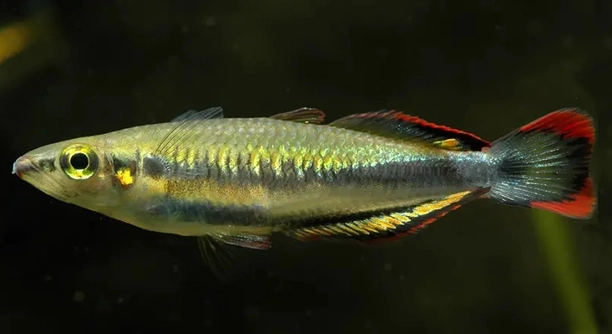
Rainbowfish are colorful and lively additions to any freshwater aquarium. Their vibrant scales and active nature make them appealing to hobbyists, but handling them requires care to ensure their well-being and reduce stress during interaction.
Proper handling of rainbowfish involves gentle movements, minimal contact, and the use of soft nets or containers to transfer them safely. Maintaining clean hands and avoiding sudden actions helps prevent injury and ensures the fish remain healthy and stress-free.
Learning these practices can improve your rainbowfish’s comfort and longevity, creating a safer environment for both you and your aquatic companions.
Understanding Rainbowfish Behavior
Rainbowfish are active swimmers that enjoy open spaces in the aquarium. They often move in groups and respond to environmental changes quickly. Observing their behavior carefully can help identify signs of stress or illness early. They are sensitive to water quality, temperature fluctuations, and sudden changes in their surroundings, which can affect their overall health. Providing hiding spots and a balanced environment supports their natural instincts. Interacting with them should be calm and measured, as sudden movements may startle them. Their social nature means they thrive in small schools, and isolation can cause anxiety. Feeding routines should be consistent, offering a variety of flakes, pellets, or frozen foods to meet nutritional needs. Monitoring their behavior during feeding and after handling gives insights into their comfort levels. Regular observation ensures prompt action if any signs of discomfort or aggression appear, allowing the fish to remain healthy and active over time.
Maintaining a calm and stable environment promotes rainbowfish health and minimizes stress during daily care.
Handling rainbowfish successfully depends on anticipating their reactions and respecting their natural behaviors. Gentle interactions and predictable routines reduce the chance of injury and encourage a calm aquarium. Consistent observation helps detect early signs of illness or stress, while providing appropriate spaces for hiding and swimming ensures they feel secure. Their diet, social setup, and water quality all contribute to a balanced environment. Sudden movements or rough handling can trigger fear responses, making them more difficult to manage. Using soft nets and avoiding direct hand contact when possible reduces physical risk. Observing the fish during feeding or when introducing new items to the tank helps understand their preferences and tolerance. Over time, these practices build a safer, more comfortable space for the rainbowfish, enhancing both their longevity and overall well-being.
Safe Handling Techniques
Using soft nets or containers is essential for transferring rainbowfish safely without harming their delicate fins or scales.
When handling rainbowfish, always ensure your movements are slow and deliberate. Avoid direct hand contact unless necessary, as their scales and fins are sensitive. Wetting your hands or using a soft, smooth net prevents abrasion and reduces stress. Support their body gently if removal from the tank is required, and never squeeze or hold them tightly. Limit handling time to the minimum needed for maintenance or observation. Keeping the aquarium water clean and maintaining consistent temperature before and after handling minimizes environmental shock. If transferring multiple fish, do it in small groups to avoid overcrowding in the temporary container. Always observe their reaction during handling; sudden darting or fin clamping indicates stress. Using these techniques consistently ensures rainbowfish remain healthy, minimizes the risk of injury, and makes routine care more efficient. Proper preparation, calm execution, and careful observation are key to safe and stress-free handling practices.
Maintaining Water Quality
Consistent water quality is vital for rainbowfish health. Regular water changes, testing for ammonia, nitrite, and nitrate levels, and keeping the tank clean prevent stress and disease. Proper filtration and gentle water flow also support their active swimming and overall well-being.
Water parameters directly affect rainbowfish behavior and lifespan. Temperature should remain stable, ideally between 24°C and 28°C, and pH levels should be monitored to stay within their preferred range of 6.5 to 7.5. Sudden fluctuations can cause stress, reduce immunity, and make them more susceptible to illness. Cleaning the substrate and removing debris during water changes ensures toxins do not accumulate, while a reliable filtration system maintains oxygenation and clarity. Observing their activity and color vibrancy can indicate if water conditions are optimal. Regular monitoring and gradual adjustments are key to a healthy aquatic environment.
Overlooking water quality can result in fin rot, lethargy, and reduced appetite. Keeping conditions stable requires commitment, but it ensures rainbowfish remain active, vibrant, and resilient against common illnesses. Consistent testing and maintenance prevent sudden problems, making care more predictable. A properly maintained tank reduces stress, encourages natural behaviors, and allows rainbowfish to thrive in a secure environment.
Feeding Practices
Balanced feeding supports growth, color, and immune function. Feed small portions multiple times daily to avoid overfeeding, which can pollute the tank.
Rainbowfish benefit from a varied diet that includes high-quality flakes, pellets, and occasional frozen foods such as brine shrimp or daphnia. Overfeeding can lead to water contamination and digestive issues, so portion control is essential. Observing their response during feeding helps determine appetite and ensures each fish receives adequate nutrition. Rotating food types provides essential vitamins and minerals while keeping meals interesting. Avoid dropping large amounts at once, as uneaten food decomposes and impacts water quality. Supplementing with plant-based items occasionally adds fiber and promotes digestive health. By managing feeding routines carefully, you support both physical health and natural behavior patterns.
Feeding requires attention to timing and quantity. Consistent schedules help rainbowfish anticipate meals and reduce aggression, while proper nutrition enhances coloration, vitality, and resistance to stress. Maintaining a clean feeding area also prevents leftover food from contaminating the water, supporting long-term tank stability. Observing each fish’s activity after feeding ensures they are eating properly and identifies potential health issues early, making feeding both a nutritional and monitoring practice.
Tank Setup Considerations
Provide ample swimming space with a well-planted tank to support rainbowfish activity and natural behavior. Decorations should allow hiding spots without overcrowding the tank. Proper lighting enhances their colors and supports plant growth.
Maintaining moderate water flow prevents stagnant areas and encourages healthy exercise. Avoid sharp decorations that can damage fins. Substrate choice affects both water quality and aesthetic appeal. A spacious and thoughtfully arranged tank reduces stress and supports social interaction among rainbowfish. Regularly inspecting the setup ensures safety and promotes a stable, comfortable environment.
Handling Stress
Minimize handling to reduce stress. Gentle movements and soft nets prevent injuries and discomfort during transfers or maintenance.
Stress can weaken immune systems, making rainbowfish more prone to disease. Observing behavior after handling helps identify signs of anxiety. Calm, consistent practices build trust and ensure their well-being.
FAQ
How often should I handle rainbowfish?
Handling rainbowfish should be minimized to prevent stress. Only interact with them when necessary, such as during tank cleaning, health checks, or transfers. Gentle movements and short handling periods reduce the chance of injury or fin damage. Avoid sudden motions or loud noises near the tank.
What is the safest way to transfer rainbowfish?
Use a soft, fine-mesh net or a small container filled with water from their tank. Gently scoop the fish without squeezing and move them calmly to the new location. Avoid holding them directly with hands, as their scales and fins are delicate. Ensure the destination tank is stable and properly prepared.
How do I know if my rainbowfish is stressed?
Signs of stress include clamped fins, rapid breathing, hiding for extended periods, loss of color, or reduced appetite. Sudden darting or erratic swimming may also indicate discomfort. Observing daily behavior helps detect stress early so corrective actions can be taken promptly.
Can rainbowfish live alone?
Rainbowfish are social and thrive in small schools. Keeping them alone can cause anxiety and reduce activity. A group of three to six provides social interaction, reduces aggression, and encourages natural swimming patterns. Make sure the tank is large enough to accommodate multiple fish comfortably.
What is the best diet for rainbowfish?
Rainbowfish benefit from a varied diet of high-quality flakes, pellets, and occasional frozen foods like brine shrimp or daphnia. Plant-based items such as blanched vegetables or algae supplements provide fiber and enhance digestive health. Feed small amounts multiple times a day and remove uneaten food to maintain water quality.
How do I prevent disease in rainbowfish?
Maintaining clean water, stable temperature, and proper nutrition reduces disease risk. Quarantine new fish before introducing them to the main tank. Avoid overcrowding and monitor fish for early signs of illness. Promptly address any symptoms such as white spots, lethargy, or fin rot with proper treatment to prevent spread.
Can rainbowfish live with other species?
Rainbowfish generally coexist with peaceful community fish. Avoid aggressive or fin-nipping species. Compatible tank mates include tetras, rasboras, and peaceful gouramis. Ensure adequate space and hiding spots to minimize territorial disputes. Observing interactions helps maintain a harmonious tank environment.
How do I maintain their vibrant colors?
Consistent water quality, a balanced diet, and proper lighting help rainbowfish display bright colors. Stress and poor nutrition dull their scales, while natural sunlight or aquarium lighting enhances pigment. Feeding color-enhancing foods like spirulina or carotenoid-rich flakes can also support vibrant hues.
What tank size is ideal for rainbowfish?
A minimum of 20 gallons is recommended for a small school. Larger tanks allow more swimming space and better social interaction. Depth and length matter for active swimming, and plenty of plants or decorations provide hiding spots without crowding the tank.
How can I reduce stress during routine care?
Keep handling brief and predictable, avoid sudden movements, and maintain stable water parameters. Using nets carefully and preparing transfer containers in advance minimizes disruption. Observing fish calmly during feeding or maintenance helps identify discomfort early and ensures they remain healthy and active.
Is it safe to use my hands for feeding or moving them?
Direct hand contact should be limited to wet hands if necessary. Fish are sensitive to oils and friction, which can harm scales or fins. Using nets or containers is safer for routine transfers, while hand feeding is generally unnecessary.
How do I monitor water conditions effectively?
Regular testing for ammonia, nitrites, nitrates, pH, and temperature is essential. Weekly partial water changes help maintain balance. Observing fish behavior alongside test results provides a practical check for tank health, allowing timely adjustments before problems arise.
What should I do if a fish is injured?
Isolate injured fish in a separate tank with clean, conditioned water. Monitor for infection and provide gentle treatment if needed. Avoid overcrowding and handle the fish minimally during recovery to reduce further stress or injury.
Can rainbowfish adapt to new tanks quickly?
Acclimation should be gradual, typically using drip or floating methods to match water temperature and parameters. Sudden changes can shock the fish and cause stress or illness. Patience during this process ensures a smooth transition and healthier adjustment to the new environment.
How often should I clean the tank?
Partial water changes of 20-30% weekly or biweekly are recommended. Remove debris and excess food from the substrate, clean filters as needed, and avoid over-cleaning which can disturb beneficial bacteria. Consistent maintenance supports water quality and reduces stress on rainbowfish.
What is the best way to introduce new fish?
Quarantine new fish for two weeks before introducing them to prevent disease spread. Introduce them gradually, monitoring for aggression or stress. Rearrange decorations slightly to reduce territorial disputes and allow all fish to establish comfort zones within the tank.
How long do rainbowfish typically live?
With proper care, rainbowfish can live 5 to 8 years. Maintaining stable water conditions, a balanced diet, and minimal stress factors contributes to their longevity. Monitoring health and behavior regularly ensures timely intervention if any issues arise.
Can I breed rainbowfish at home?
Yes, but it requires separate breeding tanks with clean water and suitable conditions. Providing fine-leaved plants or spawning mops encourages egg laying. Eggs should be removed to prevent predation, and fry require specialized care and feeding for optimal growth.
How do I prevent aggression in rainbowfish?
Maintain proper school sizes, provide sufficient swimming space, and include hiding spots. Avoid overcrowding and select compatible tank mates. Observing interactions daily allows for early intervention if any fish displays dominant or aggressive behavior.
Are certain species of rainbowfish easier to handle?
Smaller, peaceful species are generally easier to manage. They are less prone to stress during transfers and adapt well to community tanks. Larger or more active species require more swimming space and careful handling to prevent injury and maintain calm behavior.
What signs indicate poor water quality?
Cloudy water, foul odors, algae overgrowth, and unusual fish behavior signal declining water quality. Immediate testing and partial water changes are essential to prevent stress, illness, and long-term health problems. Regular maintenance and observation help detect issues early.
How can I make the tank more engaging for rainbowfish?
Provide plants, rocks, and open swimming areas to encourage exploration and natural behavior. Rotating decorations occasionally keeps the environment stimulating. Adequate lighting and gentle water flow mimic natural conditions, enhancing activity and overall health.
Is it normal for rainbowfish to hide frequently?
Hiding is normal occasionally, especially during changes or bright lighting. Persistent hiding can indicate stress, poor water quality, or illness. Monitoring behavior and tank conditions helps identify the cause and ensures a healthier, more comfortable environment.
Can rainbowfish tolerate a range of temperatures?
Rainbowfish prefer stable temperatures between 24°C and 28°C. Sudden changes or extreme deviations can stress the fish and reduce immunity. Using a reliable heater and thermometer helps maintain consistent conditions, supporting overall health and activity.
How do I handle aggressive tank mates?
Separate aggressive species to prevent injury. Rearrange the tank to reduce territorial disputes and provide hiding spots. Selecting compatible, peaceful fish reduces stress and promotes a calmer environment for rainbowfish.
What should I do if a rainbowfish refuses food?
Check water quality, temperature, and stress factors. Offer varied foods in small portions. Persistent refusal may indicate illness or environmental discomfort. Observing other behaviors and adjusting conditions can help restore appetite gradually.
How important is tank lighting?
Proper lighting enhances rainbowfish colors, supports plant growth, and helps regulate natural rhythms. Avoid intense or direct light, which can cause stress. A consistent light schedule of 8-10 hours daily balances activity and rest periods.
Can I mix juvenile and adult rainbowfish?
Yes, but monitor interactions. Juveniles may be outcompeted for food by adults. Provide sufficient space, multiple feeding spots, and hiding areas to reduce stress and ensure all fish thrive.
How do I reduce sudden movements near the tank?
Keep the area around the aquarium calm. Avoid tapping the glass, abrupt hand motions, or loud noises. Calm surroundings prevent startling the fish and maintain consistent behavior patterns.
What is the best way to introduce new decorations?
Introduce items gradually, ensuring they are smooth and safe. Avoid overcrowding, which can stress the fish. Observe reactions and rearrange if signs of discomfort appear.
How do I care for fins and scales?
Maintain water quality and avoid rough handling. Observe for tears, clamping, or discoloration. Prompt treatment and gentle care prevent infections and promote healthy growth.
Can rainbowfish tolerate low light conditions?
They prefer moderate lighting. Low light can reduce activity and dull coloration. Adequate lighting supports natural behavior, feeding patterns, and overall health.
Is it safe to use medications in the tank?
Only use medications when necessary, following instructions carefully. Remove activated carbon and observe fish closely for reactions. Avoid overuse, which can disrupt beneficial bacteria and water balance.
How do I know if rainbowfish are happy?
Active swimming, bright coloration, regular feeding, and social behavior indicate well-being. Calm interactions with tank mates and consistent activity are good signs of a comfortable environment.
What maintenance routines are essential for a healthy tank?
Regular water changes, filter checks, substrate cleaning, and monitoring water parameters keep the tank stable. Consistent feeding schedules and observation of fish behavior ensure long-term health.
How do I introduce new fish gradually?
Float the bag or use a drip acclimation method to match water temperature and chemistry. Introduce in small increments to reduce shock and stress. Observe interactions for signs of aggression or discomfort.
What equipment is most important for rainbowfish care?
Reliable heater, filter, thermometer, and testing kits are essential. Nets, containers, and appropriate lighting support safe handling, water quality, and overall well-being. Regular maintenance ensures longevity and health.
How can I tell if a fish is sick early?
Monitor behavior, appetite, color, and fins daily. Early signs include lethargy, clamped fins, spots, or erratic swimming. Prompt observation allows timely intervention, preventing severe illness and supporting recovery.
Can rainbowfish tolerate community tank conditions?
Yes, with compatible species and proper space. Avoid aggressive or fin-nipping fish. Balanced water parameters and sufficient hiding spots ensure a harmonious tank environment.
What is the best water hardness for rainbowfish?
They prefer soft to moderately hard water, around 5-15 dGH. Stable hardness supports health, breeding, and color vibrancy. Gradual adjustments prevent stress or illness.
How do I encourage breeding in home tanks?
Provide clean water, slightly higher temperatures, and fine-leaved plants or spawning mops. Separate adults from other fish to reduce predation, and maintain stable conditions to increase success.
Is it normal for rainbowfish to jump?
Yes, especially in small or stressful tanks. A secure lid or cover prevents escape and protects the fish from injury. Reducing disturbances also minimizes jumping behavior.
How do I acclimate rainbowfish to new water parameters?
Use gradual drip acclimation or floating methods to match temperature and chemistry. Sudden changes can cause shock, stress, or illness. Patience ensures a smooth adjustment and healthier fish.
Can rainbowfish live in planted tanks?
Yes, planted tanks provide hiding spots, improve water quality, and support natural behavior. Avoid sharp or dense plants that may restrict swimming. Balanced plant growth enhances the overall environment.
How often should I test water parameters?
Weekly testing for ammonia, nitrites, nitrates, pH, and temperature is recommended. Frequent checks ensure stability, prevent disease, and maintain ideal living conditions for rainbowfish.
What is the best way to remove algae safely?
Manually remove visible algae and use algae-eating species cautiously. Avoid harsh chemicals that can harm fish or plants. Consistent maintenance reduces excessive growth.
How do I prevent fin damage?
Avoid rough handling, sharp decorations, and overcrowding. Maintain water quality and monitor tank mates for aggression. Promptly treat injuries to prevent infection and promote healing.
Is it safe to keep different rainbowfish species together?
Compatible species with similar sizes and temperaments can coexist. Monitor behavior for aggression and ensure adequate space. Separate incompatible fish to reduce stress and injury.
How do I know if a fish is eating properly?
Observe activity during feeding, ensure food is consumed, and check body condition. Uneaten food or loss of appetite signals potential health or environmental issues.
Can rainbowfish tolerate small fluctuations in pH?
Minor fluctuations are manageable if gradual. Sudden or extreme changes cause stress and can impact immunity, behavior, and feeding. Stable conditions are critical.
What is the ideal tank temperature for rainbowfish?
Maintain between 24°C and 28°C. Consistent temperature supports metabolism, immunity, and activity. Sudden changes can stress the fish and reduce overall health.
How do I reduce aggression during feeding?
Provide multiple feeding spots, small portions, and observe interactions. Balanced diets and social groupings prevent dominance and ensure all fish get adequate nutrition.
Are rainbowfish sensitive to noise?
Yes, loud or sudden noises can stress them. Maintain a calm environment around the tank to encourage natural behavior and reduce stress.
What should I do if multiple fish are sick?
Isolate affected fish, test water parameters, and treat with appropriate medications. Investigate causes such as overcrowding, poor water quality, or disease introduction. Prompt action reduces spread and supports recovery.
How do I support natural behavior in rainbowfish?
Provide open swimming space, plants, hiding spots, and stable water conditions. Observing interactions and minimizing disturbances encourages healthy activity and social behavior.
Can rainbowfish live in cold water?
No, they require stable tropical temperatures. Cold water slows metabolism, reduces immunity, and increases susceptibility to illness. Use a heater to maintain ideal conditions.
How do I avoid overfeeding?
Offer small portions multiple times a day and remove uneaten food promptly. Consistent schedules prevent water contamination and digestive issues, supporting healthy growth.
What is the best way to clean decorations?
Rinse items in tank water or dechlorinated water. Avoid harsh chemicals that can harm fish or disrupt the tank’s ecosystem. Regular cleaning prevents algae buildup and maintains a safe environment.
How do I encourage schooling behavior?
Keep rainbowfish in small groups, provide open swimming areas, and maintain calm tank conditions. Observing interactions ensures social harmony and reduces stress.
Can rainbowfish tolerate low oxygen levels?
No, they require well-oxygenated water. Use proper filtration and gentle water movement to maintain oxygen levels. Aeration can support health in densely stocked tanks.
How do I reduce stress when introducing new fish?
Quarantine newcomers, introduce gradually, and provide hiding spots. Monitor interactions to prevent aggression and allow adjustment to the existing group.
What are common signs of illness in rainbowfish?
Lethargy, loss of appetite, clamped fins, discoloration, erratic swimming, and visible spots or lesions indicate potential illness. Prompt observation and treatment are essential.
Is it necessary to use a water conditioner?
Yes, conditioners remove chlorine, chloramine, and heavy metals. They protect gills, skin, and overall health during water changes and new tank setups.
How can I ensure healthy growth in rainbowfish?
Maintain stable water conditions, a balanced diet, social groupings, and minimal stress. Consistent observation and proper care support growth, coloration, and long-term well-being.
Can rainbowfish survive in small tanks?
They can survive briefly, but small tanks limit swimming space and increase stress. A minimum of 20 gallons is recommended for small schools to thrive.
How do I reduce sudden environmental changes?
Maintain consistent lighting, temperature, and water chemistry. Avoid frequent rearrangement of decorations and sudden introduction of new tank elements. Gradual adjustments prevent stress.
What should I do if rainbowfish are hiding excessively?
Check water quality, tank mates, and environmental conditions. Persistent hiding may indicate stress, illness, or poor tank setup. Address causes promptly for a comfortable environment.
How do I manage algae in planted tanks?
Balance lighting, nutrients, and stocking levels. Remove excess algae manually and introduce algae-eating species cautiously. Regular maintenance prevents overgrowth.
Are rainbowfish prone to specific diseases?
Common issues include fin rot, ich, fungal infections, and bacterial illnesses. Preventative care through water quality, diet, and minimal stress reduces risks. Early detection is key.
Can I use tap water directly for rainbowfish?
No, treat with a water conditioner to remove chlorine and chloramine. Testing parameters ensures safety before introducing fish.
How often should I monitor fish behavior?
Daily observation is ideal. Noting changes in swimming patterns, appetite, or color helps detect stress or illness early.
What are safe tank decorations for rainbowfish?
Smooth rocks, driftwood, and live or artificial plants without sharp edges are safe. Ensure open swimming areas remain for active movement.
How can I reduce aggressive interactions in a mixed tank?
Provide adequate space, hiding spots, and compatible species. Monitor feeding and group sizes to minimize stress and dominance behavior.
Is it normal for rainbowfish to jump during feeding?
Occasional jumping may occur, especially in small tanks or during excitement. A secure lid prevents injury and escapes.
What equipment is essential for daily care?
Filters, heaters, thermometers, nets, containers, and water testing kits support stable conditions and safe handling. Consistent maintenance ensures healthy rainbowfish.
Can rainbowfish tolerate fluctuations in temperature?
Sudden changes cause stress and illness. Gradual, stable temperatures between 24°C and 28°C are ideal.
How do I introduce multiple new fish at once?
Quarantine and acclimate in small groups. Observe interactions and provide hiding spots to reduce stress and aggression.
What should I do if a fish stops eating?
Check water quality, temperature, and stress factors. Offer varied foods and monitor behavior closely. Persistent refusal may indicate illness.
How do I prevent fin nipping among tank mates?
Select peaceful species, provide space and hiding spots, and avoid overcrowding. Monitor interactions for signs of aggression.
Can rainbowfish live with larger, more aggressive fish?
No, aggressive species can harm fins and stress rainbowfish. Select peaceful community fish for compatibility.
How do I maintain consistent water temperature?
Use a reliable heater and thermometer. Avoid placing the tank near drafts or direct sunlight, which cause fluctuations.
What are the signs of overfeeding?
Cloudy water, uneaten food, bloated fish, and digestive issues indicate overfeeding. Adjust portion sizes and feeding frequency.
How do I handle sick fish safely?
Isolate affected fish, maintain clean water, and follow treatment instructions. Minimize handling to reduce additional stress.
**Can rainbowfish tolerate slightly
Rainbowfish are vibrant, active fish that add life and color to any freshwater aquarium. Their care requires attention to water quality, tank setup, and feeding practices. Maintaining stable conditions and a clean environment is essential for their health and longevity. Regular water testing and partial changes prevent harmful chemical buildup and reduce stress. Using appropriate filtration and gentle water flow supports their active swimming and natural behaviors. A well-prepared tank with open areas, hiding spots, and smooth decorations ensures both safety and comfort. Observing their behavior daily helps detect early signs of stress, illness, or environmental issues. Small details like these make a significant difference in keeping rainbowfish healthy and vibrant over time. Understanding the specific needs of rainbowfish, including water temperature, pH, and hardness, allows for proper acclimation and reduces the risk of shock during transfers or new additions to the tank. When these factors are managed consistently, rainbowfish thrive in both community and species-specific tanks.
Handling rainbowfish safely is a crucial part of their care. Gentle movements, minimal direct contact, and the use of soft nets or containers prevent injury and reduce stress. Limiting handling to necessary activities, such as tank maintenance, health checks, or transfers, protects their delicate fins and scales. Observing their reactions during interactions ensures they remain calm and responsive. Stress can weaken immunity, affect feeding habits, and impact coloration, so careful handling promotes overall well-being. Feeding routines also contribute to their health, with small, varied portions offered multiple times a day to meet nutritional needs. Incorporating high-quality flakes, pellets, frozen foods, and occasional plant-based items provides a balanced diet that supports growth, vibrant coloration, and digestive health. Removing uneaten food promptly helps maintain water quality and reduces the risk of disease. In addition to diet, social factors like school size and compatible tank mates influence behavior and stress levels. Keeping rainbowfish in small groups and providing adequate space ensures natural activity, reduces aggression, and fosters comfort.
Long-term care for rainbowfish combines proper handling, consistent feeding, clean and stable water conditions, and a thoughtful tank setup. Monitoring their behavior and appearance allows timely adjustments to prevent issues before they escalate. Maintaining a calm environment around the tank minimizes sudden stressors and helps rainbowfish display natural behaviors. Creating a suitable habitat with moderate lighting, appropriate water flow, and smooth decorations contributes to overall comfort and well-being. These practices not only protect rainbowfish from injury and illness but also allow their natural beauty to shine. By following these guidelines, it is possible to enjoy the full vibrancy and activity of rainbowfish while ensuring their health and happiness. Careful attention, patience, and consistency in all aspects of aquarium management are key to a thriving, safe, and visually pleasing environment for rainbowfish over the years.

Hello,
If you enjoy the content that we create, please consider saying a "Thank You!" by leaving a tip.
Every little bit helps us continue crafting quality advice that supports the health, happiness, and well-being of pets around the world, for pets of all shapes, sizes, and species.
We really appreciate the kindness and support that you show us!