
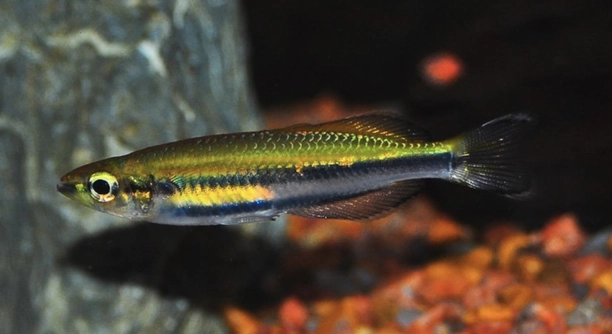
Is your rainbowfish tank looking cloudy despite regular maintenance? A murky aquarium can be frustrating and affect the well-being of your fish. Many common issues can quickly turn a clear, vibrant tank into a hazy environment.
Cloudy water in a rainbowfish tank is often caused by excess waste, overfeeding, or bacterial blooms. Regular partial water changes, proper filtration, and monitoring feeding amounts are essential. Addressing these factors promptly restores water clarity and promotes a healthier aquatic habitat.
These simple adjustments can make a noticeable difference, ensuring your rainbowfish thrive in a clean and clear environment every day.
Check Your Filtration System
A common reason rainbowfish tanks turn cloudy is an inefficient or overloaded filter. Filters are essential for removing waste, uneaten food, and harmful chemicals from the water. Over time, filters can become clogged with debris, reducing their effectiveness. Regularly cleaning the filter media without using harsh chemicals helps maintain proper water flow and keeps beneficial bacteria intact. If your tank has grown since you first installed the filter, it may no longer be sufficient. Upgrading to a larger filter or adding an auxiliary one can greatly improve water clarity. Additionally, check that the filter is running at the correct flow rate for your tank size. Some filters have adjustable flow settings, which can be reduced if the water current is too strong for your rainbowfish. Maintaining a balanced filtration system ensures the tank stays clear and healthy.
A properly functioning filter reduces the need for frequent water changes and keeps fish stress low.
Consistently monitoring filter performance and replacing worn parts when needed prevents sudden cloudiness. A clean, well-maintained filtration system supports the growth of beneficial bacteria that naturally break down toxins, stabilizing the aquatic environment. For heavily stocked tanks, combining mechanical, chemical, and biological filtration often delivers the best results. This approach not only clears the water but also improves oxygen levels and overall fish health. When cleaning the filter, avoid rinsing media in tap water as chlorine can kill helpful bacteria. Instead, use tank water to preserve the bacterial colonies. By understanding and maintaining your filtration, cloudy water becomes less frequent, creating a more stable environment for rainbowfish to thrive and display vibrant colors.
Control Feeding Amounts
Overfeeding can quickly cloud water, as leftover food decomposes and increases waste.
Feeding small portions once or twice daily keeps rainbowfish healthy and prevents water contamination.
Monitoring consumption closely ensures food is eaten promptly, reducing decay and nutrient spikes that promote bacterial growth. Adjust feeding amounts as fish grow or the number of fish changes, always aiming for minimal leftovers. Using high-quality, slow-sinking food helps reduce surface residue. Observing how quickly the rainbowfish eat each meal allows adjustments to avoid overfeeding while supporting their energy needs. Consistent feeding routines paired with regular water checks maintain clarity. Avoid feeding multiple times in quick succession, as uneaten pellets accelerate cloudiness. By keeping portions small and controlled, the tank stays cleaner, and the fish remain active and healthy. Over time, this practice not only prevents water from becoming murky but also promotes better fish behavior and growth.
Perform Regular Water Changes
Frequent water changes remove excess waste and toxins that cloud the tank. Replacing 20-30% weekly helps maintain clarity and stabilizes water chemistry. Using a siphon vacuum makes it easier to clean debris from the substrate without disturbing the fish too much.
Water changes are essential for rainbowfish tanks because even small amounts of leftover food, fish waste, and decaying plants can quickly build up and cause hazy water. Removing a portion of the old water and replacing it with dechlorinated fresh water keeps nitrate levels low and prevents bacterial blooms. Regular maintenance also ensures that dissolved minerals and other substances do not reach concentrations that stress the fish. Combining water changes with careful monitoring of water parameters provides a simple, effective way to maintain a clear tank. Consistency is key, and establishing a weekly schedule helps prevent sudden cloudiness.
Beyond removing visible debris, water changes support the overall balance of the tank’s ecosystem. They reduce the accumulation of organic compounds that fuel algae and bacterial growth. Properly timed and measured changes also prevent sudden temperature fluctuations and chemical imbalances. Using a gravel vacuum during water changes further removes hidden waste trapped in the substrate. When combined with a good filtration system and controlled feeding, regular water changes keep the environment healthy, clear, and visually appealing. This consistent care allows rainbowfish to thrive while minimizing the risk of recurring cloudiness.
Limit Direct Sunlight Exposure
Excess sunlight accelerates algae growth, which can make water appear cloudy. Positioning the tank away from windows or using blinds can control light levels.
Algae growth in rainbowfish tanks is often intensified by prolonged exposure to natural sunlight. Even moderate light can encourage blooms that reduce water clarity. Installing a tank cover or adjusting the lighting schedule can prevent overgrowth. Monitoring the tank for early signs of algae allows for quick removal before it spreads.
Using artificial lighting with a timer helps maintain a consistent day-night cycle for the fish while limiting algae. Algae scrapers, magnetic cleaners, and occasional manual removal keep surfaces clear. Reducing sunlight combined with controlled feeding and proper filtration creates a more stable environment. Consistency in light management prevents rapid algae blooms, supporting both water clarity and fish health. Small adjustments in tank placement or light duration can have a significant impact on reducing cloudiness and maintaining a vibrant display.
Avoid Overcrowding
Too many fish in a tank increases waste, leading to cloudy water. Maintaining an appropriate number of rainbowfish helps keep the environment balanced.
Overcrowding also stresses fish, reducing their immunity and making the tank harder to manage. A properly stocked tank stays cleaner and healthier.
Rinse New Decorations
New decorations can release dust or chemicals that cloud water. Rinse thoroughly with warm water before placing them in the tank.
Monitor Water Parameters
Testing pH, ammonia, nitrite, and nitrate levels regularly helps detect imbalances early. Stable water chemistry prevents bacterial blooms and maintains clarity.
Remove Dead Plant Matter
Decaying plants contribute to murky water and foul odors. Removing dead leaves promptly keeps the tank clean and supports fish health.
How often should I change the water in my rainbowfish tank?
Regular water changes are essential to keep your rainbowfish tank clear and healthy. Replacing 20-30% of the water once a week is a good practice. This helps remove excess food, waste, and toxins that accumulate over time. Using a siphon vacuum makes it easier to clean the substrate while keeping the fish stress low. Water changes also help stabilize pH and other water parameters, reducing the risk of bacterial blooms and cloudy water. If your tank is heavily stocked, consider slightly larger water changes or more frequent intervals to maintain clarity.
Can overfeeding really make my tank cloudy?
Yes, overfeeding is a common reason for cloudy water. Uneaten food sinks to the substrate and begins to decompose, increasing ammonia and nitrate levels. These excess nutrients encourage bacterial growth, which contributes to murkiness. Feeding small portions once or twice daily, and ensuring the fish eat all the food within a few minutes, reduces leftover food in the tank. Adjust feeding amounts as your rainbowfish grow or if you add more fish to the tank. High-quality, slow-sinking pellets can also reduce surface residue and prevent sudden nutrient spikes. Monitoring feeding habits is one of the simplest ways to keep water clear.
What role does filtration play in keeping water clear?
Filtration is the backbone of a clean aquarium. Filters remove physical debris, chemical impurities, and harmful substances while supporting beneficial bacteria. Over time, filters can become clogged or less efficient. Cleaning the media in tank water preserves beneficial bacteria while restoring flow. For larger or heavily stocked tanks, upgrading the filter or adding an auxiliary one may be necessary. A properly functioning filter reduces the need for frequent water changes and keeps the aquatic environment stable. Combining mechanical, chemical, and biological filtration ensures clarity while maintaining healthy oxygen levels and nutrient balance.
How does lighting affect water clarity?
Excessive sunlight or prolonged artificial lighting encourages algae growth, which clouds water. Positioning the tank away from direct sunlight or using blinds helps control natural light. Artificial lights with timers maintain a consistent day-night cycle, reducing stress for rainbowfish while preventing algae overgrowth. Regular inspection and removal of algae from surfaces, along with controlling feeding and proper filtration, keep the tank clear. Small adjustments in light duration or placement can make a significant difference in preventing murky water.
Should I rinse decorations before adding them to the tank?
Yes, new decorations can release dust, particles, or chemicals that cloud water. Rinsing them thoroughly with warm water before placing them in the tank minimizes this risk. Avoid using soap or harsh detergents, as residues can harm fish. This simple step keeps the tank clean and prevents sudden spikes in contaminants.
How can I prevent bacterial blooms?
Bacterial blooms often appear as cloudy water due to rapid bacterial growth fueled by excess nutrients. Regular water changes, proper feeding, efficient filtration, and avoiding overcrowding are essential. Monitoring water parameters such as ammonia, nitrite, and nitrate helps detect imbalances early. Maintaining a stable environment reduces the risk of sudden bacterial surges and keeps your rainbowfish healthy.
Does tank size affect water clarity?
Yes, smaller tanks are more prone to cloudiness because waste and uneaten food accumulate faster. Heavily stocked tanks also struggle with maintaining balance. Proper filtration, controlled feeding, and regular maintenance become even more critical in smaller or densely populated aquariums. Choosing an appropriately sized tank for your rainbowfish ensures easier management of water quality and clarity.
What should I do if the water stays cloudy despite all efforts?
Persistent cloudiness may indicate an underlying issue, such as overstocking, insufficient filtration, or a substrate problem. Double-check water parameters, inspect the filter, and ensure decorations are clean. In some cases, replacing part of the substrate or upgrading filtration may be necessary. Consistency in maintenance and monitoring usually resolves most long-term cloudiness problems.
How do dead plants affect the tank?
Decaying plant matter contributes to murky water and can release harmful substances. Prompt removal of dead leaves or rotting plants prevents nutrient spikes and bacterial growth. Maintaining healthy live plants also helps absorb excess nutrients, naturally supporting water clarity and a balanced ecosystem for your rainbowfish.
Can adjusting the number of fish improve clarity?
Yes, reducing overcrowding lowers waste production and makes filtration more effective. A properly stocked tank is easier to maintain and results in clearer water. Assess the number of rainbowfish in your tank and adjust according to the tank’s capacity, ensuring each fish has enough space to thrive without overwhelming the system.
This FAQ covers the most common concerns about cloudy rainbowfish tanks, providing practical solutions to maintain a clean and healthy environment. Consistent care, proper feeding, and regular maintenance are key to keeping water clear.
Keeping a rainbowfish tank clear and healthy requires consistent care and attention to several key factors. Cloudy water is usually the result of excess waste, overfeeding, bacterial growth, or inadequate filtration. Each of these issues can be managed with simple, regular actions that prevent long-term problems. By establishing a routine for water changes, monitoring feeding habits, and maintaining the filtration system, the tank’s clarity can be preserved. A clean tank not only looks better but also provides a healthier environment for rainbowfish to thrive. Over time, these habits become part of the normal maintenance schedule, reducing stress for both the fish and the keeper.
In addition to routine maintenance, environmental factors play a significant role in water clarity. Exposure to sunlight, overcrowding, and decaying plant matter all contribute to cloudy water if left unaddressed. Positioning the tank away from direct sunlight, keeping fish numbers appropriate for the tank size, and promptly removing dead plants are all practical steps that support a stable and clear aquatic environment. Using decorations and substrate that are properly rinsed before adding them helps prevent particles from clouding the water. Paying attention to these details complements regular maintenance and ensures that the tank remains visually appealing and safe for the rainbowfish.
Ultimately, maintaining a rainbowfish tank is a balance of consistent care and attention to the needs of the fish and the ecosystem. Monitoring water parameters, cleaning the filter, controlling feeding, and managing environmental factors all work together to prevent cloudiness. These steps are straightforward, but they require commitment and observation. By following these practices, cloudy water becomes a rare occurrence rather than a constant problem. Clear water allows rainbowfish to display their vibrant colors, move freely, and remain healthy, creating a more enjoyable and rewarding experience. Consistency and care are the most reliable ways to ensure a clear, thriving tank over time.

Hello,
If you enjoy the content that we create, please consider saying a "Thank You!" by leaving a tip.
Every little bit helps us continue crafting quality advice that supports the health, happiness, and well-being of pets around the world, for pets of all shapes, sizes, and species.
We really appreciate the kindness and support that you show us!