
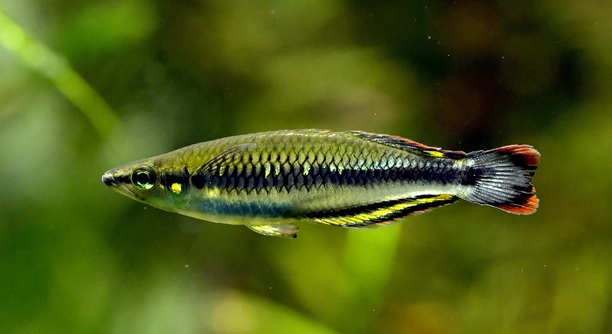
Do your rainbowfish swim in groups or seem content alone in their tanks? Observing their behavior can reveal patterns in social interaction. Knowing whether they prefer company or solitude helps in creating a comfortable aquarium environment.
Rainbowfish are naturally social creatures that thrive in groups. They exhibit schooling behavior, reduce stress when surrounded by companions, and show more active and healthy swimming patterns in collective settings rather than in isolation.
Understanding their social needs will help maintain a balanced tank environment and ensure your rainbowfish stay healthy and active over time.
Understanding Rainbowfish Social Behavior
Rainbowfish are naturally active and thrive in a community. Observing them, you may notice they form small schools and swim together in coordinated patterns. When kept alone, they often appear restless or stressed, spending time hiding or swimming erratically. Group interactions allow them to display natural behaviors, including synchronized swimming and territorial displays. Social interactions also help in maintaining their health. Fish in groups show better coloration, more consistent feeding habits, and overall increased vitality. Providing at least six to eight rainbowfish together in a tank can reduce stress levels and encourage more natural, vibrant activity. Their schooling behavior is not just for aesthetics; it is crucial for their mental stimulation and physical development. Tanks that fail to provide adequate companionship often see lethargy, decreased appetite, or susceptibility to illness. The presence of compatible companions allows for both competition and cooperation, creating a stable environment where each fish can thrive. Observing group dynamics can be rewarding and informs better tank management practices.
Keeping rainbowfish in groups ensures they stay lively and healthy, exhibiting natural behaviors that solitary fish often lack.
Social structure impacts how rainbowfish interact with their environment. In a well-maintained group, dominant and subordinate roles emerge, influencing feeding and territory. These roles help maintain balance, reducing conflict and stress. Groups encourage exploration, with individuals learning from each other’s movements and responses. Lack of companionship can lead to isolation stress, aggression, or withdrawal from normal tank areas. Pairing compatible species with rainbowfish can also enhance the social environment, but overcrowding should be avoided to maintain water quality and prevent stress. Monitoring behavior and adjusting group sizes can improve overall tank health, ensuring all fish have adequate space and stimulation while maintaining harmonious interactions.
Creating the Ideal Tank Environment
Rainbowfish require clean, well-oxygenated water and moderate swimming space to thrive. Maintaining proper pH, temperature, and filtration is critical for health. Decor should include open areas for schooling and shaded areas for rest, reflecting natural habitats.
A balanced diet supports coloration, growth, and social behavior. Include high-quality flakes, frozen foods, and occasional live foods to provide variety and nutrients, promoting activity within groups and preventing aggression caused by hunger.
Tank layout influences social interactions. Open swimming spaces encourage schooling, while plants and rocks provide hiding spots and reduce territorial stress. Avoid overcrowding, as it leads to competition and stress, while sparse environments may leave fish feeling insecure. Regular monitoring of water parameters, combined with observing social behavior, ensures the group remains active and harmonious. Adjusting tank features according to observed needs helps maintain health, reduces aggression, and supports natural behaviors. A well-planned environment reflects natural conditions, allowing rainbowfish to display their full range of colors, interactions, and energy.
Benefits of Keeping Rainbowfish in Groups
Rainbowfish in groups are more active and show brighter colors. Social interaction reduces stress, encourages natural behaviors, and improves overall health. Fish kept alone often appear anxious or lethargic, while groups create a lively, balanced tank environment.
Group living promotes coordinated swimming and communication. Fish develop social hierarchies that help regulate feeding and territory, reducing conflicts. Observing their interactions can reveal individual personalities and preferences, such as more dominant or shy behavior. Group dynamics stimulate mental and physical activity, supporting growth and overall well-being. Additionally, group settings allow for safer exploration of the tank, encouraging confidence in movement and interaction with the environment.
Rainbowfish kept together also benefit from shared security. Schooling behavior reduces fear, as fish feel safer when surrounded by others. They engage more with their surroundings, showing curiosity and energy that solitary fish often lack. Social feeding encourages consistent eating habits, preventing dominance-related food deprivation. Companionship also supports reproductive behavior, as fish are more likely to display natural mating rituals in groups. Observing these interactions can improve tank management and help identify early signs of stress or illness, ensuring all fish remain healthy.
Adjusting Tank Size and Layout
Providing adequate swimming space is essential for rainbowfish. A larger tank reduces stress and allows groups to maintain natural schooling patterns without overcrowding.
Plants, rocks, and open areas balance hiding spots with room to swim. Open swimming space encourages active schooling, while decorations offer refuge and reduce territorial conflicts. Proper layout ensures fish move freely and interact naturally, supporting physical and mental well-being.
Tank size and layout directly affect social behavior. Overcrowded tanks increase aggression and stress, while under-stimulating tanks lead to boredom and lethargy. Maintaining water quality and monitoring group dynamics help prevent illness and promote healthy interactions. Observing how fish navigate their environment allows for adjustments to improve harmony. A thoughtfully arranged tank supports vibrant activity, reduces stress, and encourages natural behaviors, ensuring rainbowfish display their full colors and energy.
Signs of Stress in Solitary Rainbowfish
Rainbowfish kept alone often swim erratically or hide frequently. They may lose coloration, show reduced appetite, or become unusually inactive. Stress can weaken their immune system, making them more prone to illness.
Behavioral changes are a key indicator. Restlessness, frequent darting, or isolation are signs that the fish may require companions.
Introducing New Rainbowfish to a Tank
Adding new rainbowfish requires careful planning. Introduce fish slowly, allowing the existing group to adjust. Quarantine new arrivals to prevent disease transmission. Gradual acclimation to water conditions reduces shock and stress, promoting smoother integration and healthier social interactions.
Feeding Behavior in Groups
Rainbowfish feed more consistently in groups. Social feeding encourages participation, reduces food competition, and maintains healthy growth patterns. Observing group dynamics during feeding can help identify dominant or shy individuals, allowing for adjustments in feeding strategies to ensure all fish receive adequate nutrition.
Monitoring Health and Activity
Regular observation of swimming patterns, coloration, and interactions can detect early signs of illness or stress. Timely action ensures rainbowfish remain active, healthy, and socially engaged.
FAQ
Do rainbowfish prefer large groups or small groups?
Rainbowfish generally thrive in groups of six to ten. Smaller groups may lead to stress, hiding, or lethargy, while very large groups can increase competition for food and space. Observing their interactions helps determine if the group size is suitable.
Can rainbowfish be kept alone?
Keeping rainbowfish alone is not recommended. They become stressed, less active, and may show dull colors. Solitary fish often display erratic swimming and reduced appetite, which can negatively impact their health over time.
How do I introduce new rainbowfish to an established group?
Introduce new fish slowly and carefully. Quarantine newcomers for at least two weeks to prevent disease. Gradually acclimate them to the tank’s water conditions and observe interactions to avoid aggression. Adding one or two at a time works best.
What tank size is ideal for rainbowfish groups?
A minimum of 30 gallons is recommended for a small group of six rainbowfish. Larger tanks provide more swimming space, reduce territorial disputes, and allow for natural schooling behavior. Open swimming areas and hiding spots improve overall well-being.
How can I tell if my rainbowfish are stressed?
Signs include hiding, reduced appetite, dull colors, erratic swimming, or aggression. Monitoring behavior during feeding and daily activity helps detect stress early. Adjusting tank size, water quality, and group size can alleviate stress.
Do rainbowfish interact with other species?
Yes, they can coexist with peaceful community fish like tetras, guppies, or rasboras. Aggressive or territorial species should be avoided, as they can stress rainbowfish and disrupt social behavior. Compatibility affects overall tank harmony.
How often should I feed rainbowfish in a group?
Feed two to three times daily in small portions. Group feeding encourages consistent eating, prevents competition, and ensures all fish get adequate nutrition. Include flakes, frozen foods, and occasional live foods for a balanced diet.
Will rainbowfish breed in a community tank?
Rainbowfish may spawn if environmental conditions are ideal, including clean water, proper temperature, and sufficient companions. Groups encourage natural mating behavior. Eggs are usually scattered among plants, and adults may need protection from eating the eggs.
What decorations work best for social behavior?
Open swimming areas are essential for schooling, while plants and rocks provide hiding spots. Balance is key: overcrowded decorations increase stress, while sparse tanks limit security and exploration. Observing their use of space informs future adjustments.
How do I maintain water quality for rainbowfish groups?
Regular water changes, adequate filtration, and monitoring pH, temperature, and ammonia levels are necessary. Grouped rainbowfish produce more waste, so cleaning schedules and water testing should be consistent to maintain health and reduce stress.
Are rainbowfish more active during the day or night?
Rainbowfish are diurnal, showing peak activity during daylight hours. They feed, explore, and interact most actively during the day, retreating to hiding spots at night. Lighting and tank layout can influence these activity patterns.
How can I prevent aggression in rainbowfish groups?
Provide enough swimming space and hiding spots. Avoid overcrowding and monitor group dynamics. Introducing new fish slowly helps maintain balance. Maintaining water quality and a stable environment reduces stress-related aggression and promotes peaceful social interactions.
Do rainbowfish require a varied diet?
Yes, a mix of flakes, frozen foods, and occasional live foods supports growth, coloration, and health. A varied diet also encourages activity within the group and helps prevent dominance-based food deprivation among individuals.
How long do rainbowfish live in proper conditions?
Rainbowfish can live up to five to eight years with proper care. Stable water conditions, adequate social interactions, balanced diet, and suitable tank size all contribute to longevity and overall health.
Can rainbowfish recognize each other?
Rainbowfish display social recognition within groups. They may show preference for familiar companions and develop social hierarchies, influencing feeding and territorial behavior. Observing these interactions can help manage tank dynamics effectively.
Final Thoughts
Rainbowfish are naturally social creatures that thrive when kept in groups. Observing them interact shows their need for companionship and the benefits of collective living. Fish kept alone often appear less active and may hide frequently, while groups swim together, explore the tank, and display brighter colors. Providing the right number of companions supports their natural behavior, reducing stress and promoting overall health. Their social structure is important for maintaining a balanced environment, and seeing them in coordinated movements can be both interesting and rewarding for any aquarist.
Tank setup plays a major role in rainbowfish well-being. Open swimming spaces allow groups to maintain schooling patterns, while plants and decorations provide safe hiding spots and reduce territorial disputes. Proper water quality, consistent feeding, and monitoring social interactions further support health and longevity. When the tank environment meets their social and physical needs, rainbowfish are more likely to show natural behaviors, remain active, and maintain strong coloration. Understanding their preferences for group living, space, and stimulation is essential for creating a harmonious tank where all fish can thrive.
In the long term, paying attention to rainbowfish social needs improves both their health and the overall enjoyment of keeping them. Watching how they interact within their group can reveal personality differences, dominance patterns, and individual preferences. Regular observation, along with careful tank management, ensures that each fish remains healthy and stress-free. By providing appropriate companions, adequate space, and a balanced environment, rainbowfish can live longer, display vibrant colors, and engage in natural behaviors. Ensuring their social needs are met benefits both the fish and the overall balance of the aquarium.

Hello,
If you enjoy the content that we create, please consider saying a "Thank You!" by leaving a tip.
Every little bit helps us continue crafting quality advice that supports the health, happiness, and well-being of pets around the world, for pets of all shapes, sizes, and species.
We really appreciate the kindness and support that you show us!