
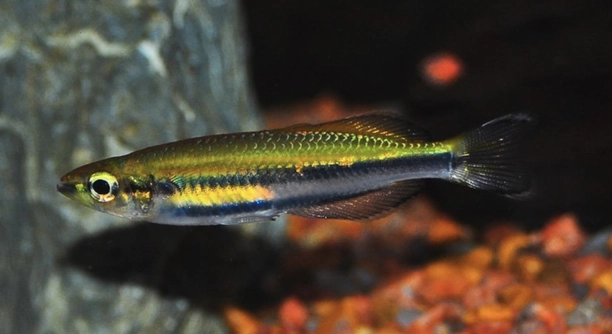
Many aquarium enthusiasts enjoy keeping colorful fish together, but combining different species can be tricky. Rainbowfish and guppies are both popular choices for home tanks, each with unique behaviors and care requirements to consider carefully.
Rainbowfish can generally live with guppies if the tank is spacious, water conditions are stable, and both species are non-aggressive. Proper monitoring and compatible feeding routines are essential to maintain harmony and reduce stress for all fish involved.
Maintaining a peaceful community tank requires understanding both species’ habits and needs, ensuring a balanced environment for healthy and happy fish.
Understanding Rainbowfish Behavior
Rainbowfish are active swimmers that enjoy open spaces in the tank. They are generally peaceful but can become stressed if overcrowded or kept with aggressive species. These fish thrive in schools of at least six, which helps them feel secure. They often swim in the mid to upper levels of the tank, making them visually striking when combined with smaller fish like guppies. Rainbowfish prefer slightly alkaline water with stable temperatures, typically between 74 and 78°F. Sudden changes in water chemistry or temperature can lead to stress, illness, or reduced lifespan. Providing hiding spots with plants or decorations can reduce anxiety and help maintain a calm tank environment. Feeding rainbowfish a varied diet of flakes, pellets, and occasional live or frozen foods ensures proper nutrition. Observing their behavior daily allows for early detection of potential conflicts, disease, or stress signals, keeping both rainbowfish and tankmates healthier over time.
Rainbowfish are social, active, and need space, proper water conditions, and a consistent diet to thrive with other fish.
Understanding how rainbowfish interact with their environment and other species helps prevent problems and promotes a balanced tank. Observing their swimming patterns, feeding behavior, and interactions with guppies can guide adjustments to tank layout, stocking levels, and feeding schedules. Tank plants, open swimming areas, and stable water parameters contribute to a peaceful coexistence. Overcrowding or incompatible species can cause stress or aggression. Maintaining water quality with regular testing and partial water changes ensures both rainbowfish and guppies stay healthy. Adjusting tank décor and hiding spots helps manage timid fish and reduces conflicts. A well-planned tank considers the needs of all species while maintaining visual appeal and functionality. Over time, careful monitoring fosters a calm, harmonious environment where rainbowfish and guppies can thrive together.
Guppy Temperament and Tank Needs
Guppies are small, lively, and generally very peaceful, making them compatible with calm tankmates.
Guppies need clean water, frequent feeding, and space to swim freely to stay healthy and active.
Guppies are prolific breeders, so keeping males and females in balanced numbers is important to prevent overpopulation. They enjoy a planted tank, which provides hiding spots and reduces stress from more active or larger fish. Guppies prefer slightly alkaline water, similar to rainbowfish, making water compatibility manageable. Their diet is flexible, including flakes, pellets, and occasional live foods, supporting their rapid growth and bright coloration. Despite their small size, guppies can be bold, sometimes nipping fins if stressed or overcrowded, so observation is key. Maintaining proper water temperature between 72 and 78°F ensures activity and health. Regular water changes, filtration, and monitoring help prevent disease and create a stable environment. When paired with non-aggressive species like rainbowfish, guppies add movement and color, contributing to a lively, harmonious aquarium.
Tank Size and Setup
A larger tank helps rainbowfish and guppies coexist comfortably. At least 20 gallons is recommended, with plenty of open swimming space and plants for hiding.
A properly set up tank balances open areas and plant cover. Rainbowfish enjoy swimming freely, while guppies need shelter to feel secure. Driftwood, rocks, and floating plants create natural boundaries, reducing stress and potential conflicts. Proper filtration ensures clean water and stable conditions, which are crucial for both species. Substrate choice, whether sand or fine gravel, supports plant growth and provides a natural feel for the fish. Lighting should mimic daylight, not too harsh, to encourage activity and show off colors. Maintaining stable water temperature and regular water changes prevents stress, promoting healthy growth and behavior.
Regular observation allows adjustments to tank layout. Adding decorations gradually prevents sudden stress. Avoid overcrowding, which increases aggression. Ensure feeding areas are spread out to reduce competition, and monitor water parameters closely to maintain harmony for all fish in the tank.
Feeding Compatibility
Rainbowfish and guppies have similar dietary needs, making feeding simpler. Both thrive on flakes, pellets, and occasional live or frozen foods.
Feeding both species together requires attention to portion sizes and distribution. Rainbowfish are slightly larger and may outcompete guppies if food is limited. Offering food in different areas of the tank ensures all fish eat enough without stress. A varied diet supports vibrant colors, healthy growth, and strong immune systems. Occasional live foods, like daphnia or brine shrimp, provide enrichment and stimulate natural hunting behaviors. Monitor feeding behavior to prevent overeating, which can pollute the tank, or underfeeding, which stresses smaller guppies. Consistent feeding times help establish routine and reduce aggression. Avoid sudden changes in diet, as this can upset digestive systems and affect overall health. Balanced feeding practices maintain harmony between rainbowfish and guppies, supporting their coexistence.
Water Conditions
Rainbowfish and guppies both prefer stable, slightly alkaline water. Regular testing keeps pH and temperature in the ideal range.
Temperature should stay between 74 and 78°F. Sudden fluctuations stress both species, so heaters and thermometers are essential for a stable environment.
Social Interaction
Rainbowfish are social and swim in groups, while guppies are lively and active. Observing interactions helps prevent bullying or fin nipping.
Maintaining a peaceful community requires attention to behavior. Rainbowfish may chase guppies occasionally, but this is usually harmless if the tank is spacious. Adding plants and hiding spots reduces stress and encourages natural swimming patterns. Both species benefit from group living, which decreases anxiety. Overcrowding can trigger aggression or territorial behavior, so keeping appropriate numbers of each species is crucial. Monitoring daily allows for early intervention if conflicts arise. Ensuring compatible tankmates and proper care promotes harmony and a visually appealing tank with healthy, active fish.
Breeding Considerations
Guppies breed quickly, and rainbowfish may not interfere, but tank management is necessary to prevent overpopulation.
FAQ
Can rainbowfish and guppies live together peacefully?
Yes, they can coexist if the tank is large enough and water conditions are stable. Both species are generally peaceful, but overcrowding or aggressive tankmates can lead to stress. Providing hiding spots and plants helps reduce tension and encourages natural behavior for both species.
How many rainbowfish should I keep with guppies?
Rainbowfish thrive in schools of at least six, while guppies can be kept in groups of four to six. Keeping these numbers balanced ensures social interaction without overcrowding, which minimizes aggression and allows both species to swim freely.
What tank size is ideal for both species?
A minimum of 20 gallons is recommended. A larger tank allows both rainbowfish and guppies to establish their own space and reduces competition for food or territory. Proper filtration and regular water changes maintain a healthy environment.
Do rainbowfish eat guppy fry?
Rainbowfish may occasionally eat guppy fry if they are small enough, especially if there is limited food or hiding places. Adding dense plants or breeding boxes can protect young guppies and increase survival rates.
What water parameters suit both species?
Both prefer slightly alkaline water with a pH around 7 to 8. Temperature should remain between 74 and 78°F. Stable conditions prevent stress, which can lead to illness or aggression. Regular testing and maintenance are essential.
Can feeding routines cause conflict?
Yes. Rainbowfish are slightly larger and may outcompete guppies during feeding. Offering food in multiple spots and providing varied diets, including flakes, pellets, and occasional live food, ensures all fish receive proper nutrition without stress.
How do I prevent aggression in a mixed tank?
Aggression is rare with proper setup. Avoid overcrowding, provide hiding places, and maintain stable water parameters. Observe fish daily for signs of chasing or fin nipping and separate individuals if needed.
Do guppies and rainbowfish require similar diets?
Yes. Both species thrive on high-quality flakes, pellets, and occasional live or frozen food. Feeding a balanced diet supports vibrant colors, healthy growth, and strong immune systems. Monitor portion sizes to prevent overeating or underfeeding.
Is breeding a problem in a community tank?
Guppies breed quickly and can overpopulate a tank. Rainbowfish usually do not interfere, but separating fry or controlling the number of males and females prevents overcrowding and ensures a balanced tank environment.
What signs indicate stress in either species?
Stress shows as lethargy, loss of color, hiding, or reduced appetite. Water quality issues, overcrowding, or aggressive tankmates often cause stress. Addressing these factors promptly keeps both rainbowfish and guppies healthy.
Can I keep other fish with rainbowfish and guppies?
Yes, but choose non-aggressive species of similar size and temperament. Avoid large or fin-nipping fish. Community harmony depends on compatible behaviors, swimming levels, and shared water requirements.
How often should I perform water changes?
Partial water changes of 20–30% weekly help maintain stable water parameters. Clean water reduces disease risk, supports growth, and minimizes stress, keeping rainbowfish and guppies healthy over time.
What decorations and plants work best?
Dense plants, driftwood, and rocks create hiding spots and reduce stress. Floating plants provide cover, while open swimming areas allow rainbowfish to display natural behaviors. Decorating with natural elements improves both aesthetics and fish well-being.
Can rainbowfish and guppies thrive long-term together?
Yes, with proper care. Maintaining stable water conditions, balanced feeding, adequate space, and monitoring behavior ensures both species coexist peacefully. Over time, they can create a lively, colorful, and harmonious tank environment.
What is the most common mistake in keeping these fish together?
Overcrowding is the biggest issue. Too many fish in a small tank leads to aggression, stress, and poor health. Proper stocking, attention to water quality, and careful observation prevent problems and maintain a healthy, vibrant aquarium.
Rainbowfish and guppies can coexist peacefully in a community tank if their basic needs are met. Both species are generally calm and non-aggressive, but careful planning is necessary to avoid stress or conflicts. Ensuring the tank is large enough and provides enough swimming space for rainbowfish, as well as hiding spots for guppies, is essential. Overcrowding is a common problem that can cause aggression and reduce the overall health of the fish. A well-planned tank layout with open swimming areas, plants, and decorations allows both species to display their natural behaviors without feeling threatened. Regular observation of interactions helps identify potential issues early, allowing adjustments before problems escalate.
Water quality plays a key role in the health and harmony of rainbowfish and guppies. Both species thrive in slightly alkaline water with stable temperature, ideally between 74 and 78°F. Sudden changes in water conditions can cause stress, making fish more prone to disease or unusual behavior. Maintaining a consistent water routine, including weekly partial water changes and regular testing for pH, ammonia, and nitrate levels, helps keep the environment stable. Filtration is also important to keep the water clean and remove debris or excess food. A balanced diet is equally important, as both rainbowfish and guppies require nutritious flakes, pellets, and occasional live or frozen foods. Feeding in multiple spots and ensuring all fish receive proper nutrition prevents competition and reduces stress.
Monitoring behavior and social dynamics is another key factor in keeping rainbowfish and guppies together successfully. Rainbowfish are social, preferring to swim in groups, while guppies are lively and curious. Both species benefit from having tankmates of their own kind to reduce anxiety. Providing enough space for exploration and hiding, along with compatible tankmates, ensures a calm and balanced community. Breeding should also be considered, as guppies reproduce quickly, which can impact tank population if not managed. With attention to water quality, feeding routines, tank layout, and monitoring of interactions, rainbowfish and guppies can thrive together. Over time, they can create a colorful, active, and harmonious aquarium that reflects their natural behaviors.

Hello,
If you enjoy the content that we create, please consider saying a "Thank You!" by leaving a tip.
Every little bit helps us continue crafting quality advice that supports the health, happiness, and well-being of pets around the world, for pets of all shapes, sizes, and species.
We really appreciate the kindness and support that you show us!