
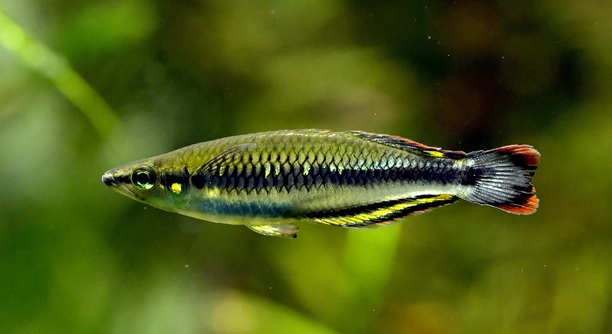
Rainbowfish are known for their bright and shimmering colors, which add life to any aquarium. Sometimes, these vibrant hues can fade, leaving the fish looking pale and dull. Observing this change can feel worrying for owners.
Rainbowfish lose color primarily due to stress, poor water quality, improper diet, or illness. Changes in lighting, temperature fluctuations, or overcrowded tanks can also contribute, impacting pigment cells and overall health, leading to noticeable paleness over time.
Recognizing the reasons behind color loss is essential. By understanding the factors affecting rainbowfish, owners can take proper steps to maintain their fish’s natural vibrancy and overall well-being.
Stress and Its Impact on Rainbowfish
Stress is one of the main reasons rainbowfish lose their vibrant colors. Changes in the tank environment, such as new decorations, sudden water parameter shifts, or aggressive tank mates, can make them anxious. Even small disturbances, like frequent handling or loud noises near the tank, can affect their mood. When stressed, rainbowfish produce less pigment, which leads to a paler appearance. Observing their behavior, like hiding or reduced activity, can indicate stress. It is important to create a calm environment, maintain stable water conditions, and ensure compatible tank mates to reduce anxiety. Regular monitoring of their behavior and tank parameters can prevent long-term stress. A comfortable habitat encourages them to regain their natural colors over time. Additionally, providing hiding spaces and gentle lighting can make a noticeable difference in their coloration.
Minimizing stress is crucial, as it directly affects rainbowfish health and coloration, with stable conditions helping them remain vibrant and active.
Properly addressing stress helps maintain both physical health and color intensity. Consistent routines, gentle handling, and avoiding sudden changes allow rainbowfish to recover quickly. A stable, calm tank environment supports their natural behavior and enhances their overall well-being.
Water Quality and Nutrition
Poor water quality can quickly affect rainbowfish color and health. High ammonia or nitrate levels, unbalanced pH, and infrequent water changes can cause paleness and lethargy.
Maintaining clean water and providing a varied diet with live or frozen foods supports strong pigmentation. Fish flakes alone may not provide all necessary nutrients. Proper filtration, regular water tests, and partial water changes keep conditions optimal. Nutrition rich in carotenoids and natural pigments enhances color naturally, while supplements can help if deficiencies occur. Observing feeding habits and adjusting the diet accordingly ensures rainbowfish receive enough variety and quantity. Tank cleanliness, combined with proper feeding, prevents stress and disease, both of which contribute to color loss. Overcrowding can reduce access to food and increase competition, so ensuring enough space and proper portions is essential. Paying attention to both water parameters and diet keeps rainbowfish healthy, active, and vibrant for years.
Illness and Disease
Illness can cause rainbowfish to lose their bright colors quickly. Parasites, bacterial infections, and fungal issues weaken their immune system, making them appear pale and less active.
Identifying the signs early is important. Rainbowfish that hide often, stop eating, or swim erratically may be showing symptoms of illness. Common diseases like ich or fin rot can dull their coloration. Quarantining sick fish and treating them with appropriate medications helps prevent the spread to healthy tank mates. Maintaining clean water and a stress-free environment supports recovery. Even mild infections can affect pigment cells, so prompt attention is key to restoring color.
Preventing illness starts with good tank maintenance. Regular water changes, a balanced diet, and observing behavior can minimize the risk of disease. Healthy fish display stronger colors and remain active, while ongoing monitoring ensures early treatment if problems arise.
Lighting and Tank Environment
Lighting impacts rainbowfish color directly. Insufficient or harsh light can make them appear dull and affect their daily behavior.
Proper lighting mimics natural daylight cycles, encouraging normal activity and enhancing color vibrancy. Using full-spectrum or LED lights suited for freshwater aquariums supports pigmentation. Avoid placing tanks in direct sunlight, as temperature fluctuations and algae growth can stress fish. Positioning plants and decorations strategically provides shelter while maintaining light exposure. Observing how rainbowfish respond to changes helps determine optimal lighting.
Tank environment also plays a crucial role. Substrate color, plant density, and hiding spots affect comfort levels and stress. A well-maintained, spacious tank with clean water and stable temperature allows rainbowfish to display their full range of colors naturally. Adjusting lighting schedules gradually prevents shock and encourages consistent pigmentation. By combining proper lighting with a comfortable habitat, rainbowfish can remain healthy, active, and colorful over time.
Temperature Fluctuations
Rainbowfish are sensitive to sudden changes in water temperature. Rapid heating or cooling can stress them, causing colors to fade and behavior to change. Maintaining a stable temperature within the recommended range is essential for their health.
Using a reliable heater and thermometer ensures consistency. Small fluctuations over time can reduce pigment intensity and affect appetite. Gradual adjustments during seasonal changes help fish adapt without stress. Stable water conditions support natural activity, strong coloration, and overall well-being.
Overcrowding
Overcrowding limits space and increases competition for food. High-density tanks create stress, leading to paler colors and weaker immune systems. Proper stocking levels allow rainbowfish to swim freely and maintain natural behaviors.
Genetics
Some rainbowfish naturally have less intense coloration due to genetic factors. Even in ideal conditions, these fish may appear paler than others in the tank.
Age and Life Stage
Young or aging rainbowfish often display lighter colors. Juveniles may not have developed full pigmentation, while older fish gradually lose intensity over time.
Why is my rainbowfish suddenly pale?
A sudden change in color usually indicates stress, poor water quality, illness, or improper diet. Sudden temperature shifts, aggressive tank mates, or overcrowding can also cause rapid fading. Observing behavior and water conditions can help identify the cause. Prompt action can prevent long-term health problems.
Can rainbowfish regain their color?
Yes, rainbowfish can regain vibrant coloration if the underlying issue is addressed. Improving water quality, providing a balanced diet, reducing stress, and treating any illnesses can restore pigmentation over time. Recovery speed depends on the severity of the problem and the fish’s overall health.
How often should I check water quality?
Regular monitoring is essential. Weekly tests for ammonia, nitrite, nitrate, and pH levels help maintain stable conditions. Consistent partial water changes prevent buildup of harmful chemicals. Clean filters and proper circulation are also key for healthy, colorful fish.
Does diet affect rainbowfish color?
Absolutely. Rainbowfish need a varied diet with natural pigments like carotenoids, found in live, frozen, or high-quality flake foods. A poor diet can lead to faded colors and weak immunity. Supplements can help if pigment-rich foods are limited.
Can stress really change their appearance?
Stress directly impacts color. Fish under constant stress produce fewer pigments, making them appear dull. Stressors include loud noises, overcrowding, sudden tank changes, and aggressive tank mates. Providing a calm environment with hiding spots and gentle lighting helps reduce stress and maintain vibrancy.
Will disease always cause paleness?
Not always, but many illnesses can dull color. Parasites, bacterial infections, and fungal problems weaken the immune system and reduce pigmentation. Early signs include hiding, loss of appetite, and erratic swimming. Quarantining sick fish and treating them quickly prevents further health issues.
How can lighting affect color?
Proper lighting enhances pigmentation and supports normal activity. Full-spectrum or LED lights mimic natural conditions and help rainbowfish display vibrant hues. Avoid direct sunlight and sudden changes, which can stress fish and lead to faded colors. Gradual adjustments allow safe adaptation.
Does age matter for coloration?
Yes. Juvenile rainbowfish often have less developed colors, while older fish may naturally lose intensity over time. Age-related fading is normal, but overall health and tank conditions still influence how vivid their colors remain.
Can overcrowding cause color loss?
Overcrowding increases stress and competition for food, leading to paler colors. Ensuring enough space per fish allows natural behavior, reduces aggression, and helps maintain strong pigmentation. Proper stocking levels are crucial for a healthy, colorful tank.
What’s the best way to prevent fading?
Maintain stable water conditions, provide a balanced diet, reduce stress, and monitor fish regularly. A clean, well-maintained tank with proper lighting, compatible tank mates, and a comfortable environment encourages rainbowfish to stay healthy and display their natural colors.
How long does it take for colors to return?
Recovery depends on the cause and fish health. Minor stress or diet changes may show improvement in a few weeks, while illness recovery can take longer. Consistent care and attention to water quality, nutrition, and tank conditions speed up the process.
Are some rainbowfish naturally less colorful?
Yes, genetics play a role. Some species or individual fish naturally have lighter pigmentation. Even in optimal conditions, they may appear paler than others. Understanding your fish’s natural traits helps set realistic expectations for their coloration.
Should I isolate a pale fish?
Isolation can be necessary if illness or aggression is suspected. Quarantining a sick fish prevents the spread of disease and reduces stress from tank mates. However, healthy but pale fish usually do better in a calm, stable community tank rather than isolation.
Can environmental enrichment improve color?
Yes, providing plants, hiding spaces, and gentle lighting creates a comfortable environment. Rainbowfish feel secure, experience less stress, and display brighter colors. Natural surroundings mimic their habitat and encourage natural behavior, which supports pigment development.
Is it normal for colors to fluctuate daily?
Minor fluctuations are normal and often linked to mood, activity, or lighting. Fish may appear paler when resting or hiding. Persistent or extreme fading usually signals stress, illness, or poor water conditions that need attention.
Do seasonal changes affect coloration?
Seasonal temperature and light shifts can impact pigment intensity. Gradual adjustments and consistent care help rainbowfish adapt without stress. Sudden changes in lighting or water temperature, however, can cause noticeable color loss.
Can supplements really help?
Yes, supplements containing carotenoids or other pigments support vibrant colors. They should complement a varied diet, not replace it. Overuse can harm water quality, so follow recommended doses and observe fish response.
What signs indicate serious problems?
Pale color combined with lethargy, loss of appetite, rapid gill movement, or abnormal swimming may indicate serious illness or poor water conditions. Immediate attention to water quality and possible treatment is necessary to prevent long-term damage.
How important is tank size for color retention?
Tank size affects stress levels and swimming space. Crowded tanks cause competition for food and hideaways, leading to faded colors. A spacious tank with proper filtration, stable water conditions, and ample swimming areas allows rainbowfish to maintain healthy pigmentation naturally.
Can I restore color with natural foods alone?
Yes, foods like brine shrimp, daphnia, and certain vegetables provide natural pigments. Consistently offering a variety of these foods can enhance color over time. Combined with good water quality and a stress-free environment, natural foods are often enough to restore vibrancy.
Rainbowfish are beautiful, colorful fish that brighten up any aquarium. Their vivid colors are a sign of good health and a comfortable environment. When their colors begin to fade, it can be worrying, but understanding the causes helps prevent further problems. Stress, poor water quality, illness, improper diet, and environmental factors are the main reasons rainbowfish lose their vibrancy. Stress can result from sudden changes in their environment, loud noises, overcrowding, or aggressive tank mates. Poor water quality, including high levels of ammonia, nitrites, or nitrates, can quickly impact their health and coloration. Illnesses like parasites, bacterial infections, or fungal problems weaken the immune system and reduce pigmentation. Even diet plays a crucial role, as rainbowfish need a variety of foods rich in natural pigments to maintain their bright colors.
Creating a stable and comfortable environment is essential for rainbowfish to display their full range of colors. Maintaining consistent water temperature, proper lighting, and a clean tank reduces stress and supports healthy pigment development. Overcrowding should be avoided, as limited space increases competition for food and causes stress. Providing hiding spots, plants, and decorations helps rainbowfish feel secure, which also encourages brighter coloration. Observing their behavior regularly allows early detection of any health issues. A fish that hides excessively, refuses food, or swims erratically may be experiencing stress or illness. Addressing these factors promptly can prevent long-term damage and help the fish recover its natural vibrancy. Feeding a balanced diet that includes live or frozen foods rich in carotenoids, as well as high-quality flakes, ensures they receive the nutrients necessary for strong pigmentation. Supplements can be used if needed, but they should never replace a varied diet.
Even with the best care, some rainbowfish may naturally be less colorful due to genetics, age, or life stage. Juvenile fish often do not yet display their full coloration, while older fish may gradually lose some intensity over time. However, consistent care, proper nutrition, and a stress-free environment can help all rainbowfish look their best for as long as possible. Paying attention to water quality, tank conditions, and dietary needs allows owners to maintain healthy and active fish. Bright colors are not just for appearance—they indicate overall health and well-being. By understanding the factors that influence their color, owners can make informed decisions to keep rainbowfish vibrant and thriving. Healthy rainbowfish are more active, display natural behaviors, and contribute to a lively, balanced aquarium environment. Regular observation and attention to their needs make it possible to enjoy their colors and vitality for many years.

Hello,
If you enjoy the content that we create, please consider saying a "Thank You!" by leaving a tip.
Every little bit helps us continue crafting quality advice that supports the health, happiness, and well-being of pets around the world, for pets of all shapes, sizes, and species.
We really appreciate the kindness and support that you show us!