
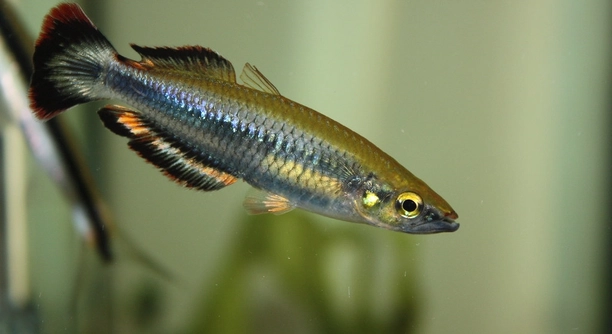
Rainbowfish are colorful and lively additions to home aquariums, often admired for their shimmering scales and energetic movements. Many aquarium owners enjoy observing their daily habits and interactions in a calm, soothing environment.
Rainbowfish are capable of learning simple routines through consistent repetition and environmental cues. Studies indicate that they can associate specific actions with feeding times or light changes, demonstrating a basic level of behavioral conditioning and memory retention.
Learning more about these patterns can improve care and enrich the daily life of your rainbowfish, creating a more engaging and harmonious aquarium experience.
How Rainbowfish Recognize Patterns
Rainbowfish respond well to consistent environmental cues. Over time, they can learn to recognize feeding times, movements near the tank, or changes in lighting. This ability stems from their natural instincts to observe and adapt to their surroundings. Regular schedules help them anticipate events, which can reduce stress and make them more active during specific times of the day. Many owners notice that rainbowfish will swim to the feeding area or gather near the surface as a routine develops. Positive reinforcement, such as feeding immediately after a specific signal, strengthens this learning. The process requires patience, as fish learn gradually and respond to repetition rather than complex instructions. Observing subtle changes in their behavior, like increased activity or alignment with signals, confirms that they are recognizing patterns. This ability to learn makes caring for rainbowfish more interactive and allows owners to better meet their daily needs, creating a smoother, predictable routine for both the fish and the caretaker.
Routine recognition increases confidence in their environment, improving overall health and activity.
Fish trained with consistent cues show improved responsiveness and can anticipate daily activities without stress or confusion, leading to a calmer tank environment and enhanced interaction with their caretaker.
Tips for Establishing a Routine
Starting a routine requires patience and consistency. Keep feeding times and signals uniform to help rainbowfish adjust quickly.
To establish an effective routine, choose a specific time for feeding, light changes, or any signals you wish to associate with an action. Begin by repeating the same cues daily, such as tapping near the tank or switching lights on at the same hour. Observe their reactions closely, noting any signs of recognition, like gathering near the feeding area or swimming more actively. Avoid sudden changes in the schedule, as inconsistency can confuse them and slow learning. Over several weeks, the fish will start anticipating these events, making them more predictable in their behavior. Supplementing the routine with environmental enrichment, like decorations or plants that signal activity, can enhance learning. A steady schedule promotes better digestion, reduces stress, and encourages natural behaviors. Keeping track of their progress allows minor adjustments to improve the routine without disrupting their learned patterns. In the end, consistent effort leads to healthier, more responsive rainbowfish that thrive in a structured and caring environment.
Common Signals Rainbowfish Respond To
Rainbowfish quickly notice visual and auditory cues in their environment. They often associate tapping on the tank, light changes, or movements near the tank with feeding or activity.
Visual cues, like hand movements or food containers, are effective because rainbowfish rely heavily on sight. Even small signals, such as a shadow passing over the tank or a change in water reflection, can trigger anticipation. Repeating these cues at the same times each day reinforces learning. They begin to link the signal with a positive outcome, such as food or attention, making their responses more predictable. Over time, they may swim to a specific area or increase activity immediately after noticing the cue. Consistency is key, as irregular signals may confuse them or slow their learning process. Using signals effectively improves daily interactions and supports a structured routine that aligns with their natural behaviors.
Auditory and light cues enhance their ability to predict events and integrate smoothly into daily routines.
Maintaining consistent signals helps rainbowfish reduce stress and remain engaged, creating a more dynamic and healthy tank environment. Clear and repetitive cues establish trust in their surroundings, encouraging regular activity patterns.
Benefits of a Predictable Routine
Rainbowfish thrive with structured daily patterns, which improve their health, activity levels, and responsiveness. Consistent routines reduce stress and enhance natural behavior.
A predictable routine allows rainbowfish to anticipate feeding and other activities, reducing anxiety caused by uncertainty. Stress can weaken their immune system, so having reliable signals and schedules supports better overall health. Routine also encourages more active swimming, exploration of the tank, and interaction with their environment. Fish that adapt to schedules may show improved appetite and social behavior. Consistency in lighting, feeding, and tank maintenance helps maintain their internal biological rhythms. Over time, this predictability enhances their ability to learn and respond to cues, making them more responsive and active companions. Creating a routine also simplifies care for the owner, as the fish’s behavior becomes easier to monitor and manage.
Predictable routines encourage natural patterns and improve overall wellbeing, fostering healthier, more interactive rainbowfish.
Regular schedules contribute to better growth, fewer behavioral issues, and a calmer tank environment. Fish become more accustomed to daily life, responding quickly to cues and maintaining stable activity levels. Structured routines also prevent overfeeding or stress from irregular handling. Over weeks, rainbowfish exhibit consistent swimming and feeding patterns, which reflects improved adaptability and confidence in their environment. This steadiness allows owners to plan care more effectively, ensuring each fish receives appropriate attention. Environmental consistency, combined with routine signals, creates an enriched habitat where rainbowfish can flourish physically and mentally. Long-term benefits include stronger immune systems, higher energy, and improved social interactions within the tank.
How to Reinforce Learning
Consistency is essential when teaching rainbowfish routines. Repeating the same cues at the same times each day helps them associate signals with actions.
Positive reinforcement, like feeding immediately after a signal, strengthens the connection. Over time, fish begin responding reliably, showing anticipation and active participation in their routine.
Patience and Observation
Careful observation is necessary to understand how quickly rainbowfish learn. Each fish adapts at its own pace, so small behavioral changes are important indicators.
Watching their reactions allows adjustments in timing or cues to improve learning. Noting subtle movements or activity increases shows that the routine is being recognized and reinforced effectively.
Avoiding Confusion
Keeping cues and schedules consistent prevents confusion. Sudden changes can disrupt learned behavior and stress the fish.
Environmental Support
A stable tank environment supports learning. Clean water, proper lighting, and consistent temperature make routines easier for rainbowfish to follow.
How quickly can rainbowfish learn a routine?
Rainbowfish can start recognizing patterns within a few days to a couple of weeks, depending on consistency and repetition. Daily cues, like feeding at the same time or using visual signals, help them understand what to expect. Fish that experience consistent routines are more likely to respond reliably, while irregular schedules slow their learning. Individual temperament also plays a role, as some fish may be naturally more alert and responsive. Careful observation of behavior, such as gathering near feeding areas or reacting to signals, shows that they are adapting to the routine. Gradual reinforcement is more effective than sudden changes, ensuring they develop a reliable pattern over time.
What cues work best for teaching routines?
Visual cues, such as hand movements or showing a food container, are the most effective. Rainbowfish rely heavily on sight, so consistent visual signals help them link the cue to a positive outcome. Auditory cues, like gentle tapping on the tank, can also work, especially when combined with visual signals. Light changes, such as turning on a tank lamp, provide another reliable cue, as fish notice environmental changes immediately. Consistency in using the same cue each day is essential for reinforcing learning. Subtle differences in timing or signals may confuse the fish, so sticking to one clear cue ensures faster adaptation. Over time, rainbowfish begin responding automatically to these cues without hesitation.
How can I tell if my rainbowfish is learning the routine?
Signs include swimming to a specific area before feeding, increased activity at cue times, and anticipation behaviors like gathering near the surface or following your movements. Subtle changes, such as heightened alertness or synchronized movement with tank events, indicate recognition. Fish that consistently respond at the expected time show they have linked the cue with the outcome. Tracking these behaviors over days or weeks helps confirm learning progress. Sudden inconsistencies may signal stress or a need to adjust cues. Reliable responses demonstrate that the rainbowfish is successfully learning and integrating the routine into daily behavior.
Can too many cues confuse rainbowfish?
Yes, using multiple signals or changing cues frequently can confuse them. Rainbowfish respond best to one consistent cue linked to a specific action. Introducing extra cues without repetition can slow learning and cause stress. Keeping signals simple and predictable ensures they understand the routine. Gradually adding new cues, once the fish has mastered the initial signal, is more effective. Observing their reactions after each cue helps gauge understanding and prevents overload. Consistency and simplicity are key to ensuring that rainbowfish respond confidently and maintain the learned behavior.
Do rainbowfish remember routines over time?
Rainbowfish have short-term memory sufficient to recall routines for days or weeks if reinforced regularly. Consistent repetition strengthens memory and ensures long-term recognition. Interruptions in the routine may lead to temporary confusion, but returning to the schedule restores learned behavior. Memory retention improves with stable environmental conditions, including clean water, consistent lighting, and minimal stress. Fish that experience irregular patterns may struggle to maintain learned responses, emphasizing the importance of reliability. Monitoring activity and responses over time shows how well the routine has been internalized.
Is it necessary to train all rainbowfish individually?
Individual training is not always required, but it can be helpful for species with distinct personalities or varying activity levels. Grouped rainbowfish may learn by observing each other, especially in communal tanks, though some may need additional reinforcement. Individual attention ensures that slower learners receive cues consistently and reduces the risk of overlooked feeding or stress. Balancing group and individual reinforcement can optimize learning for all fish. Observation of each fish’s behavior helps determine if extra attention is needed to maintain consistent responses within the tank.
How does routine affect rainbowfish health?
Routines improve physical and mental health by reducing stress and promoting predictable behavior. Anticipation of feeding or activity decreases anxiety and encourages natural swimming patterns. Fish with consistent routines tend to eat more regularly, supporting proper nutrition and digestion. Structured schedules also reduce aggressive or erratic behavior, fostering a calmer tank environment. Maintaining predictable cues helps balance energy levels, allowing rainbowfish to engage in natural behaviors like exploring and interacting with tank mates. Over time, a well-established routine contributes to overall well-being and longevity.
Can rainbowfish learn multiple routines at once?
Rainbowfish can learn more than one routine, but gradual introduction is important. Start with a single cue and ensure consistent responses before adding another. Overloading them with multiple simultaneous routines can cause confusion and slow learning. Each new routine should be reinforced individually before combining behaviors. Observing their response to each routine helps determine readiness for additional training. Successful learning of multiple routines demonstrates adaptability and memory retention, but patience and repetition remain essential to avoid stress and maintain clarity.
Establishing a routine for rainbowfish is a practical way to improve their daily life and overall wellbeing. These fish respond best to consistency, and a predictable schedule helps them understand what to expect. By repeating signals such as feeding times, light changes, or simple movements near the tank, they begin to recognize patterns. Over time, this recognition translates into observable behaviors, such as swimming to a particular area or becoming more active at specific times. The process requires patience and careful observation, as each fish learns at its own pace. It is important to remain consistent and avoid sudden changes, as this can confuse the fish or slow down the learning process. A structured routine not only benefits the rainbowfish but also makes it easier for caretakers to manage the tank and maintain a healthy environment.
Using visual cues is particularly effective because rainbowfish rely heavily on sight. Simple signals, like hand movements, showing a food container, or switching the tank light on and off at the same time each day, help the fish connect the cue with an outcome. Auditory cues can be useful as a supplement but should not replace visual signals entirely. Reinforcing these signals with positive outcomes, like feeding immediately after a cue, strengthens their learning and makes their behavior more predictable. Observing how they respond provides insight into their progress. Gradually, rainbowfish learn to anticipate events, which reduces stress and encourages natural activity within the tank. Maintaining a stable and clean environment further supports their ability to learn, as unpredictable changes in water quality or temperature can interfere with recognition and routine building.
A predictable routine benefits not only their behavior but also their health. Regular feeding schedules encourage proper nutrition and digestion, while consistency in environmental cues helps maintain calm and reduces stress. Fish that follow routines often display more active and natural swimming patterns, and their interactions with other tank mates tend to be smoother. Learning multiple routines is possible, but it is best to introduce them gradually to avoid confusion. Patience, observation, and repetition are key elements for success. In the long term, a well-established routine fosters a healthier, more confident, and responsive rainbowfish. Caretakers who invest time in building consistent schedules can expect improved engagement, easier maintenance, and a more harmonious aquarium overall, where fish thrive and display their natural behaviors with stability.

Hello,
If you enjoy the content that we create, please consider saying a "Thank You!" by leaving a tip.
Every little bit helps us continue crafting quality advice that supports the health, happiness, and well-being of pets around the world, for pets of all shapes, sizes, and species.
We really appreciate the kindness and support that you show us!