
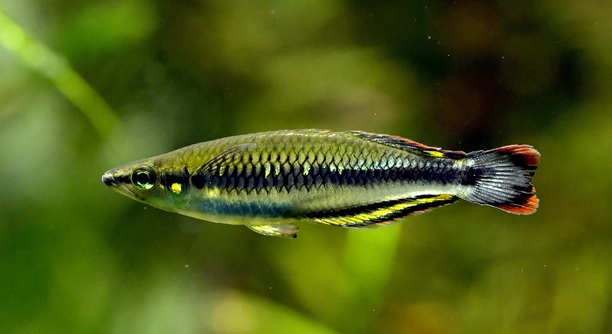
Keeping a rainbowfish in a home aquarium can be rewarding for both beginners and experienced fish keepers. These small, colorful fish are lively, adding charm and movement to any tank environment. Their beauty attracts many enthusiasts.
Rainbowfish are social animals that thrive in groups and should not be kept alone. Housing a single rainbowfish can lead to stress, illness, and shortened lifespan, as they rely on interaction with their own species for proper behavior and mental stimulation.
Learning how to provide the right environment and companions is essential for a happy rainbowfish. Understanding these factors will help ensure your fish live a healthy, vibrant life.
Why Rainbowfish Need Companions
Rainbowfish naturally live in schools, which helps them feel safe and confident. When kept alone, they can become stressed, hiding or refusing to eat. Stress weakens their immune system, making them more prone to illness. Social interaction keeps their behavior normal, allowing them to swim actively, display colors, and explore their environment. Even in a small tank, having at least three to six rainbowfish allows them to interact properly, reducing anxiety and encouraging natural movement. Tank mates provide visual and behavioral stimulation, helping a lone fish feel part of a group. A single rainbowfish may appear lively at first but can develop odd swimming patterns, lethargy, or aggressive tendencies if isolated. Adding companions early can prevent these issues. Proper tank setup, including hiding spots and open swimming areas, enhances their comfort and encourages schooling behavior. Their health, lifespan, and overall happiness improve significantly with companions present.
Keeping more than one rainbowfish supports natural behavior, vibrant color, and a longer, healthier life.
Maintaining a group requires careful planning. Tank size should accommodate multiple fish comfortably, typically at least 20 gallons for six small rainbowfish. Water parameters must remain stable, with regular monitoring of temperature, pH, and cleanliness. Compatible species can be added, but overcrowding should be avoided. Plants and decorations provide hiding spots and visual breaks, promoting calm schooling.
Tips for Introducing New Rainbowfish
Introducing rainbowfish gradually helps reduce stress in both existing and new fish.
Start by quarantining new rainbowfish in a separate tank to monitor health. Slowly acclimate them to the main tank’s water temperature and chemistry. Adding them in small groups allows established fish to adjust and reduces aggression. Observe interactions closely, separating any fish showing extreme stress or bullying. Feed a balanced diet to support health during introduction. Proper lighting and a peaceful environment also ease adjustment. Once comfortable, rainbowfish will school naturally, swim actively, and display their colors fully. Keeping this process consistent ensures a stable and harmonious tank.
Creating a stable, healthy group requires attention to details. Begin with compatible species and appropriate numbers to avoid overcrowding or territorial disputes. Ensure water quality is consistently high, performing regular partial water changes. Offer a varied diet of high-quality flakes, pellets, and occasional live or frozen foods. Plants and decorations provide structure and hiding spaces, reducing stress and giving the fish opportunities to explore. Monitor behavior and health daily, addressing any signs of illness immediately. Avoid sudden changes in temperature, pH, or lighting, as rainbowfish are sensitive to abrupt environmental shifts. Proper filtration and aeration help maintain oxygen levels, crucial for multiple fish. With careful planning, attention, and observation, a rainbowfish group can thrive, showing vibrant colors and natural schooling patterns that indicate a healthy, low-stress environment. Regular maintenance, combined with thoughtful selection of tank mates, ensures long-term well-being and enjoyment of these lively, colorful fish.
Tank Setup Essentials
A proper tank size is key for rainbowfish. They need at least 20 gallons for a small group, with open swimming areas and hiding spots. Plants, rocks, and gentle filtration create a comfortable environment, encouraging natural behavior and reducing stress.
Providing a balanced habitat supports health and schooling behavior. Water temperature should remain between 75 and 82°F, and pH around 6.5 to 7.5. Regular testing ensures stability. Substrate can be sand or fine gravel, allowing natural foraging. Decorations and plants help mimic natural environments, giving fish hiding spaces and areas to explore. Light levels should not be too strong, avoiding stress while highlighting their colors. Proper circulation and aeration maintain oxygen levels and water quality. Consistent maintenance, including partial water changes, is essential.
Tank setup also influences color and activity. Brightly colored fish require stable, clean water to display vibrant hues. Open swimming spaces encourage schooling and reduce aggression. Hiding places help shy individuals feel safe. Combining these elements keeps rainbowfish active, healthy, and visually striking. Regular observation allows early detection of stress or illness, helping maintain a harmonious environment. A well-planned tank ensures fish thrive both physically and behaviorally.
Feeding and Nutrition
Rainbowfish thrive on a varied diet to maintain health. Offer high-quality flakes, pellets, and occasional live or frozen foods like brine shrimp or daphnia.
A balanced diet ensures growth, vibrant color, and energy. Flakes and pellets provide staple nutrition, while live or frozen foods supplement protein and stimulate natural hunting behaviors. Feed small amounts multiple times a day rather than one large meal to prevent overfeeding and water quality issues. Observe fish during feeding to ensure all individuals eat, as dominant fish may outcompete shy ones. Remove uneaten food promptly to prevent decay and maintain water clarity.
Feeding also influences behavior and social interaction. Fish become more active and display schooling patterns during feeding times. Rotating different foods keeps their diet interesting and nutritionally complete. Overfeeding can lead to obesity, poor water quality, and increased stress, so portion control is important. A consistent feeding routine strengthens natural rhythms and encourages healthy, lively fish that show their best colors and interact positively within their group.
Water Quality and Maintenance
Maintaining clean water is essential for rainbowfish health. Regular partial water changes remove waste and toxins. Monitoring temperature, pH, and ammonia levels keeps the environment stable, reducing stress and preventing disease.
Filtration helps maintain water clarity and oxygen levels. A gentle filter prevents strong currents that can stress the fish. Cleaning the filter regularly ensures proper function without disturbing the tank too much. Consistent care creates a stable environment, allowing rainbowfish to display natural behavior and vibrant colors.
Choosing Tank Mates
Rainbowfish are peaceful but do best with compatible species. Avoid aggressive or fin-nipping fish to maintain a calm tank. Suitable companions include small tetras, rasboras, and peaceful gouramis.
Breeding Rainbowfish
Rainbowfish can breed in home aquariums with the right conditions. Provide plenty of plants and slightly warmer water. Males display brighter colors during courtship, which encourages spawning. Separate eggs or fry if necessary to prevent predation. Maintaining water quality and feeding appropriately supports healthy growth of the young.
Common Health Issues
Stress, poor water quality, or an improper diet can lead to illness in rainbowfish. Symptoms include faded color, lethargy, or loss of appetite. Early detection and proper treatment are critical to prevent further complications and maintain overall tank health.
FAQ
Can a single rainbowfish survive alone?
A single rainbowfish can survive for a short period, but it is not ideal. These fish are social and rely on group interaction for proper behavior and stress relief. Without companions, they can become lethargic, hide often, or show signs of illness, which can shorten their lifespan.
How many rainbowfish should I keep together?
It is recommended to keep at least three to six rainbowfish together. This number allows natural schooling behavior, reduces stress, and encourages active swimming. Smaller numbers may lead to aggression or anxiety, while larger groups require a bigger tank to maintain proper water quality and space.
What size tank is suitable for a small group of rainbowfish?
For a small group of rainbowfish, a minimum tank size of 20 gallons is necessary. Larger tanks are better as they provide enough swimming space, room for hiding spots, and help maintain stable water conditions. Overcrowding can cause stress, aggression, and poor health.
What kind of water conditions do rainbowfish need?
Rainbowfish prefer water temperatures between 75 and 82°F, with a pH around 6.5 to 7.5. Water should be clean and free from toxins, requiring regular testing and partial water changes. Stable water conditions support their health, color, and natural activity.
What should I feed rainbowfish?
Rainbowfish thrive on a varied diet including high-quality flakes, pellets, and occasional live or frozen foods like brine shrimp or daphnia. Feeding small portions multiple times a day prevents overfeeding and ensures all fish get enough nutrition while maintaining water quality.
Can rainbowfish live with other species?
Yes, rainbowfish can live with other peaceful, non-aggressive species. Suitable tank mates include small tetras, rasboras, and peaceful gouramis. Avoid aggressive or fin-nipping fish, as they can stress rainbowfish and interfere with their natural behavior.
How do I introduce new rainbowfish to an existing group?
New rainbowfish should be quarantined in a separate tank first. Gradually acclimate them to the main tank’s temperature and water chemistry. Introduce them in small groups to reduce stress and allow established fish to adjust. Monitor interactions closely to prevent aggression.
What are signs of stress or illness in rainbowfish?
Stress or illness can be seen through faded color, lethargy, loss of appetite, hiding more than usual, or erratic swimming. Early recognition allows for prompt treatment, helping to prevent severe health issues and maintain a healthy, active tank environment.
How can I encourage breeding in rainbowfish?
Breeding requires stable water conditions, slightly warmer temperatures, and plenty of plants for hiding eggs. Males show brighter colors to attract females. Eggs and fry may need separation from adults to prevent predation. Proper nutrition and clean water support healthy fry growth.
How often should I perform maintenance on a rainbowfish tank?
Partial water changes should be done weekly or biweekly, depending on tank size and stocking levels. Filter maintenance, substrate cleaning, and monitoring water parameters are essential. Consistent maintenance prevents buildup of toxins and ensures a stable environment for the fish.
Why is my rainbowfish not showing vibrant colors?
Dull colors often indicate stress, poor water quality, inadequate diet, or isolation. Ensuring proper tank companions, stable water parameters, and a varied, nutritious diet encourages natural coloration. Healthy, stress-free fish display brighter, more vibrant colors naturally.
Can rainbowfish tolerate a range of temperatures?
Rainbowfish prefer stable, moderate temperatures. Rapid fluctuations can stress them and weaken their immune system. Maintaining a consistent temperature within 75-82°F is ideal. Using a reliable aquarium heater and thermometer helps keep water conditions stable and supports overall fish health.
What is the best substrate for rainbowfish?
Sand or fine gravel works best as substrate. These materials allow natural foraging behavior and prevent injury. Substrate also supports plants and helps create a visually appealing environment while maintaining clean water conditions.
How long do rainbowfish typically live?
With proper care, rainbowfish can live 5-8 years. Longevity depends on tank conditions, diet, social interaction, and overall maintenance. Providing a suitable environment and keeping them in groups maximizes their health, happiness, and lifespan.
Are there any common diseases to watch for?
Rainbowfish are prone to common freshwater illnesses like ich, fin rot, and bacterial infections, often caused by poor water quality or stress. Early detection and proper treatment, including water changes and medicated foods, can prevent serious health problems.
Is it necessary to provide hiding spots in the tank?
Yes, hiding spots reduce stress, especially for shy or smaller fish. Plants, rocks, and decorations offer shelter and allow rainbowfish to explore while feeling safe. A well-structured tank encourages natural behavior and improves overall well-being.
How do I know if my rainbowfish are happy?
Happy rainbowfish swim actively, display bright colors, school naturally, and eat regularly. They interact with tank mates without excessive aggression or hiding. Consistent water quality, proper diet, and appropriate companions all contribute to a healthy, vibrant tank environment.
Can rainbowfish tolerate slightly different pH levels?
Rainbowfish can tolerate minor pH variations but sudden or extreme changes are harmful. Keeping pH stable within 6.5-7.5 prevents stress, illness, and color fading. Gradual adjustments are safer if changes are necessary.
Should I feed live food every day?
Live food is best offered a few times per week, not daily. It supplements nutrition, stimulates natural hunting behavior, and encourages activity. Daily feeding of live food is unnecessary and can cause water quality issues if uneaten.
How do I prevent aggression among rainbowfish?
Aggression is minimized by keeping proper group sizes, providing enough swimming space, and ensuring compatible tank mates. Avoid overcrowding and maintain stable conditions. Observing behavior regularly helps detect early signs of bullying or stress, allowing timely intervention.
Can rainbowfish live with bottom-dwelling species?
Yes, rainbowfish can share a tank with peaceful bottom dwellers like corydoras or small loaches. These species occupy different tank areas, reducing competition while enriching the environment. Compatibility ensures harmony and minimizes stress for all inhabitants.
What lighting conditions are best for rainbowfish?
Moderate lighting highlights their colors without causing stress. Natural day-night cycles or timed LED lights work well. Bright light encourages activity but should not be too intense, as this can trigger hiding or aggression. Plants also benefit from adequate lighting, improving the tank ecosystem.
How important is tank cover for rainbowfish?
A secure cover prevents jumping, which rainbowfish occasionally do. It also helps maintain stable water conditions by reducing evaporation. Covers improve safety and help maintain consistent temperature and humidity levels within the tank.
How often should I test water parameters?
Test water weekly for ammonia, nitrites, nitrates, and pH. Regular monitoring allows early detection of potential problems and ensures stable, healthy conditions. Maintaining proper water quality prevents disease and supports vibrant, active fish.
What should I do if my rainbowfish refuse to eat?
Refusal to eat may indicate stress, illness, or poor water quality. Check tank conditions, monitor behavior, and offer a variety of foods. Isolate sick fish if necessary. Prompt action prevents malnutrition and helps maintain overall health in the tank.
Are plants necessary in a rainbowfish tank?
Plants are not mandatory but highly beneficial. They provide hiding spaces, improve water quality, reduce stress, and create a more natural environment. Live plants also encourage natural behavior and contribute to a balanced, healthy tank ecosystem.
How can I encourage schooling behavior?
Maintaining a proper group size, sufficient swimming space, and compatible tank mates encourages schooling. A stable environment, regular feeding, and reduced stress help fish interact naturally, swimming together in a synchronized and active manner.
Can rainbowfish tolerate different water hardness levels?
They prefer moderately soft to slightly hard water but tolerate minor variations. Sudden or extreme changes can cause stress. Gradual adjustments and monitoring ensure safe water hardness levels and maintain their health and coloration.
Is it necessary to separate fry from adult rainbowfish?
Yes, adults may eat eggs or fry. Providing a separate breeding or nursery tank ensures higher survival rates. Proper care, feeding, and water conditions support healthy growth of the young until they are large enough to join the main group.
How do I prevent fin damage in rainbowfish?
Avoid aggressive tank mates, sharp decorations, and overcrowding. Maintain clean water to prevent infections. Regular observation ensures fins remain healthy, supporting natural swimming and appearance. Proper care minimizes stress, which can otherwise lead to fin deterioration.
Can rainbowfish adapt to new tanks easily?
They can adapt if introduced gradually and conditions are stable. Acclimate slowly to temperature, pH, and tank environment. Quarantine and careful introduction reduce stress and help fish adjust successfully to their new home.
What is the best diet ratio for flakes, pellets, and live foods?
A balanced diet typically includes 60-70% high-quality flakes or pellets, 20-30% live or frozen foods, and occasional treats. This combination supports nutrition, growth, and vibrant colors while minimizing water quality issues.
How do I know if my rainbowfish are breeding?
Males display brighter colors and chase females. Eggs are laid among plants or decorations. Observing these behaviors indicates breeding, and separating eggs or fry helps ensure survival. Consistent feeding and water quality support successful reproduction.
Can rainbowfish live in a community tank?
Yes, if companions are peaceful, similar in size, and occupy different levels of the tank. Careful selection prevents stress and maintains harmony. Proper space, compatible species, and stable water conditions are key for a successful community setup.
What should I do if a rainbowfish shows signs of illness?
Isolate the affected fish, check water parameters, and treat with appropriate medications if needed. Improving water quality, feeding a balanced diet, and observing behavior daily help prevent the spread of disease and support recovery.
How important is regular observation of rainbowfish behavior?
Regular observation allows early detection of illness, stress, or aggression. Noticing changes in color, swimming patterns, or feeding ensures timely intervention. Consistent monitoring maintains a healthy, balanced tank environment.
Do rainbowfish need a heater in all climates?
A heater is necessary in cooler climates or rooms where temperatures drop below 75°F. Maintaining a stable temperature supports immune health, activity, and coloration. Sudden drops can cause stress or illness.
Can rainbowfish tolerate occasional water parameter fluctuations?
Minor fluctuations are tolerable, but frequent or extreme changes cause stress and weaken the immune system. Stable conditions are essential for longevity, coloration, and overall health. Gradual adjustments are safer if changes are needed.
Is it normal for rainbowfish to hide sometimes?
Yes, occasional hiding is natural, especially when adjusting to a new tank, during feeding, or under bright light. Persistent hiding may indicate stress, illness, or inadequate tank conditions that need attention.
How do I maintain vibrant coloration in rainbowfish?
Provide a varied, nutritious diet, stable water conditions, social companions, and low-stress environment. Clean water, proper lighting, and healthy schooling behavior all contribute to maintaining bright, natural colors.
Can rainbowfish live with goldfish?
No, goldfish are generally not compatible. They are larger, produce more waste, and prefer cooler water, creating stress and potential health issues for rainbowfish. Compatibility and similar environmental needs are critical when selecting tank mates.
What is the best way to acclimate rainbowfish to a new tank?
Float the bag in the tank for temperature adjustment, gradually mix tank water, and release the fish slowly. This reduces shock from temperature and water chemistry changes, supporting a smooth transition.
How do I prevent overfeeding rainbowfish?
Feed small portions two to three times a day, observing consumption carefully. Remove uneaten food promptly to prevent water pollution. Consistent portion control maintains water quality, reduces stress, and prevents obesity or digestive issues.
Can rainbowfish tolerate tap water?
Tap water must be treated with a dechlorinator and tested for hardness, pH, and chemicals. Proper preparation ensures safe conditions. Untreated tap water can harm fish due to chlorine, chloramines, or heavy metals.
What are signs of a happy rainbowfish?
Active swimming, bright colors, schooling behavior, regular feeding, and interaction with tank mates indicate a happy, healthy fish. Observing these behaviors ensures the environment meets their needs.
How do I manage algae in a rainbowfish tank?
Regular cleaning, controlled lighting, live plants, and algae-eating tank mates help manage growth. Avoid overfeeding, as excess nutrients encourage algae. Maintaining water quality and balance reduces unwanted buildup.
Is it necessary to use a water conditioner?
Yes, water conditioners remove harmful chemicals like chlorine or chloramines. They make tap water safe for rainbowfish and prevent stress or illness caused by toxic elements.
How can I prevent bullying in a rainbowfish tank?
Maintain proper group size, provide sufficient swimming space, include hiding spots, and choose compatible tank mates. Observe interactions and intervene early if aggression occurs. Proper care reduces stress and promotes harmony.
Do rainbowfish need a specific lighting schedule?
A consistent light-dark cycle of about 10-12 hours per day supports natural behavior, activity, and plant health. Using timers ensures regularity and reduces stress caused by inconsistent lighting.
Can rainbowfish adapt to new foods easily?
They usually adapt well if introduced gradually. Mixing new foods with familiar ones and observing feeding ensures all fish accept the diet. Gradual changes reduce stress and maintain nutritional intake.
Is regular tank cleaning necessary if I have a filter?
Yes, filters help, but cleaning substrate, decorations, and performing partial water changes remain essential. Regular maintenance ensures optimal water quality, reduces stress, and prevents illness in rainbowfish.
How can I identify the sex of rainbowfish?
Males are usually more brightly colored and slightly larger, with elongated fins. Females are paler and rounder, especially when carrying eggs. Observation during feeding and swimming helps distinguish differences.
What is the ideal group size for breeding rainbowfish?
A small group of at least six allows natural courtship and reduces stress. Adequate plants and hiding spaces support spawning and protect eggs or fry. Proper nutrition and water conditions maximize breeding success.
Can rainbowfish survive in a low-oxygen tank?
No, low oxygen causes stress, lethargy, and illness. Proper aeration, circulation, and moderate stocking levels ensure sufficient oxygen for healthy, active fish.
How often should I check for signs of disease?
Daily observation is recommended. Watch for changes in color, appetite, swimming behavior, and social interaction. Early detection improves treatment success and maintains a healthy tank.
Are rainbowfish sensitive to sudden lighting changes?
Yes, sudden changes can stress them. Gradual adjustments, dimming lights slowly, or using timers help maintain comfort and normal activity. Proper lighting supports health, coloration, and behavior.
Can rainbowfish tolerate slightly brackish water?
No, rainbowfish are freshwater species. Even slight salinity can cause stress or health problems. Maintaining proper freshwater conditions is essential for survival and well-being.
What is the best way to handle a rainbowfish?
Minimize handling, as it causes stress and potential injury. Use a soft net only when necessary for tank maintenance or relocation, and handle gently to protect fins and scales.
How long does it take for rainbowfish to adapt to a new tank?
Adaptation can take a few days to a couple of weeks. Gradual introduction, stable water conditions, and proper companions help them adjust smoothly. Observation ensures stress is minimized.
Can rainbowfish live with shrimp or snails?
Yes, small shrimp and snails are generally compatible. They occupy different niches and can coexist without conflict. Monitor interactions to prevent predation, especially with very small shrimp.
Do rainbowfish require a heater in tropical climates?
Even in tropical climates, a heater helps maintain stable temperatures during nighttime or seasonal fluctuations. Consistency supports immune function, activity, and coloration.
What should I do if water parameters suddenly change?
Correct the change gradually to avoid stressing the fish. Test water frequently, perform partial water changes, and adjust temperature or pH slowly. Sudden shifts can lead to illness or mortality.
Can rainbowfish jump out of the tank?
Yes, they can occasionally jump. A secure cover prevents escapes and accidents while helping maintain stable water conditions and reducing stress.
How do I encourage rainbowfish to explore the tank?
Provide hiding spots, open swimming areas, and varied decor. Regular feeding and interaction encourage natural activity and schooling. A stimulating environment keeps fish active, healthy, and visually striking.
Is it normal for rainbowfish to hide after introducing new tank mates?
Yes, temporary hiding is natural as they adjust. Persistent hiding may indicate stress, aggression, or unsuitable companions. Monitoring behavior helps ensure a harmonious environment.
Can rainbowfish tolerate cooler water temporarily?
Short exposure to slightly cooler water may be tolerated, but prolonged or sudden drops can cause stress, illness, and color fading. Stable temperatures are essential.
What is the recommended filtration rate for rainbowfish tanks?
A gentle filter with 3-5 times the tank volume per hour is ideal. Strong currents stress rainbowfish, while proper filtration maintains water clarity and oxygenation.
Do rainbowfish need a specific type of lighting for plants?
Moderate full-spectrum lighting supports plant growth and fish visibility. Intense lighting can stress fish, while inadequate light affects plant health. Balance ensures a healthy tank ecosystem.
How often should I feed rainbowfish fry?
Fry should be fed small amounts multiple times per day. Tiny live foods, infusoria, or powdered fry foods support growth. Regular feeding encourages healthy development and survival.
Can rainbowfish adapt to low-light conditions?
They tolerate moderate low light but may become less active and display duller colors. Proper lighting supports natural behavior and highlights their vibrant hues.
How do I prevent overcrowding in a rainbowfish tank?
Plan tank size and group numbers carefully. Avoid adding too many fish at once and ensure adequate swimming space, hiding spots, and stable water conditions. Overcrowding increases stress, aggression, and illness risk.
Is it safe to mix rainbowfish species in one tank?
Yes, compatible species with similar size, temperament, and water requirements can be housed together. Monitor interactions to prevent aggression and maintain a harmonious environment.
How do I know if my tank is large enough?
A tank is sufficient if fish swim freely, school naturally, and show minimal stress or aggression. Overcrowding signs include hiding, rapid breathing, or reduced activity.
What is the ideal temperature range for rainbowfish?
Maintain 75-82°F for optimal health, color, and activity. Sudden deviations cause stress and increase disease susceptibility. Use a reliable heater and thermometer for stability.
Can rainbowfish tolerate aquarium decorations?
Yes, they benefit from plants
Keeping rainbowfish can be very rewarding, but it requires attention to their natural needs. These fish are social creatures that thrive in groups, and a single rainbowfish will likely experience stress and loneliness. Providing companions allows them to show natural behaviors, swim actively, and display their full colors. A proper tank setup with enough space, plants, hiding spots, and gentle filtration is essential for their overall well-being. Consistent care, including regular water testing and maintenance, supports a healthy environment where rainbowfish can live long, vibrant lives.
Diet and nutrition play a key role in maintaining rainbowfish health. A balanced diet with flakes, pellets, and occasional live or frozen foods helps them grow, maintain bright colors, and stay energetic. Feeding small amounts multiple times a day prevents overfeeding and keeps water quality stable. Observing how each fish eats ensures that all members of the group get enough nutrition, especially in larger tanks. Proper diet combined with clean water and a stable environment reduces the risk of illness and improves longevity. Monitoring the fish daily allows early detection of stress, unusual behavior, or health issues, making it easier to take corrective action before problems escalate.
Rainbowfish are adaptable but sensitive to their surroundings, so planning a tank carefully is crucial. Stable water conditions, moderate lighting, and suitable tank mates create a harmonious environment. Introducing new fish gradually and providing hiding spots reduces stress and prevents aggression. Watching their behavior closely helps identify signs of happiness, stress, or illness. By paying attention to group dynamics, diet, tank setup, and water quality, it is possible to create a healthy, vibrant aquarium where rainbowfish thrive. With patience, observation, and proper care, rainbowfish can become a lively and colorful addition to any home, providing visual enjoyment and the satisfaction of maintaining a balanced aquatic habitat.

Hello,
If you enjoy the content that we create, please consider saying a "Thank You!" by leaving a tip.
Every little bit helps us continue crafting quality advice that supports the health, happiness, and well-being of pets around the world, for pets of all shapes, sizes, and species.
We really appreciate the kindness and support that you show us!