
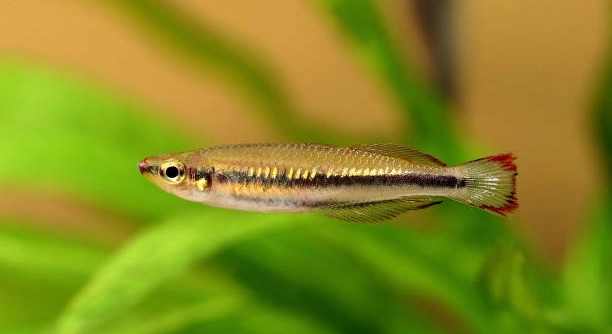
Have you ever watched your rainbowfish swim gracefully across the tank and wondered if it notices you? These small, colorful fish bring a lively presence to any aquarium and often interact with their surroundings.
Rainbowfish are capable of recognizing their owners through visual and behavioral cues. Studies suggest they can distinguish familiar humans from strangers, responding more actively to those who feed and care for them consistently. Recognition is influenced by routine and interaction patterns.
Observing how your rainbowfish reacts to your presence can reveal surprising insights into their behavior and relationship with you. This understanding can improve care and enhance the bond in your aquarium.
How Rainbowfish Learn to Recognize Owners
Rainbowfish are surprisingly observant, often noticing who cares for them in the tank. They rely mainly on sight, paying attention to movement, colors, and patterns. Over time, they can link these cues to positive experiences, like feeding or tank cleaning. Consistency plays a key role. If the same person interacts daily, the fish begin to respond more actively, swimming closer or following fingers near the glass. This recognition is not just about food; it’s about association with safety and routine. They can also distinguish between familiar and unfamiliar people, showing less interest or hiding when strangers approach. Rainbowfish may use subtle visual markers, such as clothing colors or hand movements, to identify their primary caretaker. Behavioral repetition strengthens this bond, as the fish learn to predict who will provide attention and sustenance. A calm presence and gentle movements encourage recognition and reduce stress for the fish, making the tank more interactive.
Recognition improves the relationship between owner and fish, making daily care easier and more rewarding for both.
Understanding how recognition develops can help owners foster a more responsive and healthier aquarium environment for their rainbowfish. Observing reactions can reveal patterns and preferences, guiding interactions.
Signs Your Rainbowfish Recognizes You
Your rainbowfish may swim toward you when you approach the tank or linger near your hand during feeding times.
When fish begin recognizing their caretaker, changes in behavior become apparent. They often display excitement when the familiar person approaches, such as increased swimming activity or moving closer to the glass. Some may wait near feeding spots, anticipating food, while others may follow fingers along the tank walls, demonstrating curiosity and engagement. Recognition is reinforced by consistent interaction, feeding at the same times, and maintaining a calm, predictable routine. Over time, rainbowfish learn to associate specific people with positive experiences, reducing stress and encouraging active behavior. Owners can encourage this by minimizing sudden movements, speaking softly near the tank, and offering food by hand or from a consistent location. The more the fish interacts with a familiar person, the stronger the recognition becomes. Tracking these responses can help owners understand individual fish personalities and adapt care to suit their behavior. Regular observation allows owners to notice even subtle signs of acknowledgment, ensuring the fish feel secure and engaged in their environment.
Factors That Influence Recognition
Rainbowfish recognition depends on routine, feeding consistency, and the amount of interaction. Frequent exposure to the same person helps them associate the caretaker with safety and food, strengthening the bond over time. Sudden changes in environment or caretaker can reduce recognition.
Behavioral patterns play a major role in recognition. Rainbowfish are more likely to notice someone who approaches the tank calmly and maintains a predictable schedule. Repeated feeding at similar times, gentle movements, and avoiding sudden gestures help fish associate certain actions with positive experiences. Fish can learn visual cues, like hand shapes or clothing colors, which further enhances familiarity. Stressful interactions, such as loud noises or abrupt movements, can interrupt learning and cause hesitation around the owner. By maintaining consistency, owners can reinforce recognition and encourage natural, interactive behavior in their rainbowfish.
Environmental factors also impact recognition. A well-lit tank with clear visibility allows rainbowfish to observe and remember familiar people. Overcrowding or frequent changes in tank layout can distract them from forming clear associations. Proper water conditions and stable habitat help fish remain calm, making it easier for them to focus on behavioral cues. Recognition is a gradual process, and patience is key. By combining consistency, observation, and a stable environment, owners can strengthen the connection with their rainbowfish, allowing these colorful fish to respond more confidently to their presence.
Encouraging Recognition Through Interaction
Regular interaction and feeding routines are essential for rainbowfish to recognize their owner. Predictable behavior from the caretaker helps fish feel secure and attentive.
Engaging with rainbowfish consistently builds familiarity. Approaching the tank at similar times daily, speaking softly, and offering food by hand or in a specific area reinforces recognition. Rainbowfish respond to repeated positive experiences, learning that the person who provides food or cleans the tank is safe. Even small gestures, like tapping lightly or moving slowly near the tank, can signal presence without causing stress. Over weeks, fish begin to swim closer, follow hand movements, or display more active behavior during feeding. Recognition also depends on individual fish personalities; some are naturally more attentive, while others may take longer to respond. Owners can observe patterns and adjust interactions, encouraging recognition through patience and gentle consistency.
Consistency, calmness, and careful observation enhance rainbowfish recognition. By maintaining steady routines, owners can strengthen familiarity, reduce stress, and encourage interactive behavior. Over time, rainbowfish respond more confidently, showing clear acknowledgment of the person who cares for them. This interaction benefits both the fish’s well-being and the owner’s enjoyment, creating a more harmonious aquarium environment.
Visual Cues That Matter
Rainbowfish rely heavily on sight to recognize owners. Movement, clothing color, and hand gestures near the tank help them distinguish familiar people from strangers. Clear visibility in the tank enhances this recognition.
Bright tank lighting and a calm environment make it easier for rainbowfish to observe subtle differences in appearance and motion. They notice repeated patterns, such as the way a person approaches or feeds them. These visual cues create associations that allow the fish to anticipate positive interactions, making them more responsive over time.
Behavioral Responses to Owners
Rainbowfish show recognition through increased activity and curiosity. They may swim toward a familiar person or follow hand movements near the glass.
Recognition is reinforced by repeated, predictable interactions. Rainbowfish learn to associate specific behaviors with feeding or care, responding with attentive movement or positioning themselves near familiar cues. Over time, these responses become consistent, demonstrating their ability to distinguish caretakers from strangers.
Role of Feeding in Recognition
Feeding routines strongly influence recognition. Fish quickly associate the person who provides food with safety and positive experience.
Regular, gentle feeding encourages rainbowfish to approach and interact more actively. Consistency in timing and method strengthens their ability to recognize and respond to their owner.
FAQ
Can rainbowfish really recognize me?
Yes, rainbowfish can recognize their owners. They use visual cues, behavioral patterns, and consistent routines to distinguish familiar people from strangers. Recognition develops over time through repeated positive interactions, like feeding, gentle movements, and routine tank care. Fish may swim closer, follow hands, or respond more actively to familiar caretakers.
How long does it take for them to recognize someone?
The time varies depending on the fish and interaction consistency. Some rainbowfish may start showing recognition within a few days of regular, predictable contact. Others may take several weeks to respond consistently. Daily feeding, calm approaches, and a stable tank environment speed up the recognition process.
What signs show that my rainbowfish recognizes me?
Recognizable signs include swimming toward you, following your hand near the glass, or showing increased activity during feeding. Some fish may hover near a specific spot where they expect you to appear. These behaviors indicate they associate you with food and safety.
Do all rainbowfish recognize their owners equally?
No, recognition can vary by species and individual personality. Some fish are naturally more curious and responsive, while others are shy or cautious. Age and prior experiences also affect recognition. Regular, gentle interactions improve the chances of all fish responding positively over time.
Does the way I feed them affect recognition?
Yes, feeding routines strongly influence recognition. Consistent timing, hand placement, and calm movements create positive associations. Offering food directly or in a specific location helps fish learn to associate your presence with care and sustenance, making recognition stronger.
Can rainbowfish distinguish between multiple people?
Rainbowfish can distinguish between different caretakers if interactions are consistent. They may respond more actively to the person who feeds them regularly, while showing less interest in others. This differentiation relies on repeated exposure and clear, predictable patterns.
Will rainbowfish recognize me if I wear different clothes?
Yes, but consistency helps. They notice general shapes, movements, and colors. Sudden changes may slow recognition temporarily, but regular presence and interaction outweigh minor differences in appearance. Visual familiarity builds gradually over repeated exposure.
Does tank environment impact recognition?
Absolutely. Clear water, stable conditions, and good lighting allow rainbowfish to observe cues more effectively. Overcrowded tanks, frequent rearrangement, or poor visibility make it harder for fish to focus and recognize their caretaker. A calm, predictable environment strengthens recognition and reduces stress.
Can I train my rainbowfish to respond to me?
Yes, gentle repetition and consistency serve as informal training. Approaching at the same times, feeding regularly, and minimizing sudden movements encourage fish to associate you with safety and care. Over time, they respond actively, demonstrating recognition and engagement.
Is recognition permanent?
Recognition is maintained through continued interaction. If routines change drastically or the caretaker disappears for long periods, fish may forget or respond less consistently. Regular presence, feeding, and calm handling help maintain recognition over months or years.
Can other fish affect recognition?
Other tank mates can influence attention and behavior. In crowded or competitive tanks, rainbowfish may be distracted and slower to respond to owners. Separating interaction areas or maintaining a balanced population helps ensure individual fish can recognize and respond to you effectively.
Does age affect recognition ability?
Yes, younger rainbowfish may take longer to recognize caretakers due to inexperience, while older fish are often more responsive if accustomed to routine interactions. However, all ages can form recognition with consistent care and exposure.
Are there any behaviors that indicate stress rather than recognition?
Yes, hiding, erratic swimming, or refusing food may indicate stress, not recognition. Stress can reduce the fish’s ability to notice and respond to caretakers. Maintaining a calm environment, proper water conditions, and gentle interaction prevents stress-related behaviors.
Can I improve recognition with daily interaction?
Daily interaction strengthens familiarity. Consistency in feeding, movement near the tank, and calm presence encourages rainbowfish to respond more actively. Over time, this builds a reliable pattern of recognition, making fish more comfortable and engaged with their caretaker.
Do rainbowfish recognize me by scent?
Visual cues are the primary method, but some studies suggest subtle chemical cues may also play a minor role. Recognition relies mainly on repeated visual and behavioral patterns rather than smell alone.
Can recognition affect their overall behavior?
Yes, recognized caretakers reduce stress and encourage active behavior. Fish that recognize their owner are often more interactive, explore more of the tank, and respond to feeding with excitement. This improves both well-being and owner enjoyment.
How can I tell if a new fish will recognize me?
Introduce consistent routines immediately. New rainbowfish observe patterns, feeding habits, and gentle approaches. Maintaining predictable care from the start increases the likelihood they will recognize and respond to you.
Is it normal for fish to recognize one person but not others?
Yes, rainbowfish often focus on the primary caretaker who interacts with them most consistently. Recognition depends on repeated positive experiences and may not extend to everyone who approaches the tank occasionally.
Can recognition help with tank training?
Yes, recognizing a caretaker helps with behaviors like following feeding cues or reducing hiding during cleaning. Fish respond more predictably when they associate a person with safe, routine activities.
Does the species of rainbowfish matter?
While all rainbowfish have some recognition ability, responsiveness varies by species. Some are naturally more active and observant, while others are shy or slower to respond. Observation and gentle, consistent interaction improve recognition across species.
Can I reinforce recognition without feeding?
Yes, gentle movements, routine tank maintenance, and calm presence can reinforce recognition. Food is a strong motivator, but consistent, positive interactions alone help fish associate you with safety and familiarity.
What if my fish doesn’t seem to recognize me at all?
Some individuals are naturally cautious or slow to respond. Ensure your interactions are consistent, the tank environment is calm, and stress is minimized. Patience and gentle repetition are key to encouraging recognition over time.
How do I maintain recognition over long periods?
Continue consistent routines, regular feeding, calm approaches, and observation of individual behaviors. Long-term recognition requires steady, predictable interactions and a stable tank environment to prevent fish from forgetting or reacting less actively.
Will moving my tank affect recognition?
Yes, sudden relocation or environmental changes can temporarily disrupt recognition. Fish may focus on adjusting to new surroundings. Maintaining consistent interaction after a move helps restore familiarity and comfort with their caretaker.
Can rainbowfish remember past owners?
Rainbowfish have memory capabilities tied to positive or negative experiences. Familiarity from previous caretakers can influence behavior initially, but recognition is strongest with current, consistent interactions. Over time, current routines override past associations.
Do rainbowfish show preference for one person over another?
Yes, they often respond more actively to the individual who interacts most consistently. Preference develops through repeated positive experiences, calm presence, and regular feeding, rather than innate favoritism.
Are there any special techniques to improve recognition?
Use calm, predictable movements, consistent feeding schedules, and hand positioning near the glass. Minimize stress, avoid sudden changes, and spend time observing fish behavior to reinforce recognition naturally over time.
Can recognition reduce stress in rainbowfish?
Yes, familiar presence reduces anxiety, encourages exploration, and promotes active feeding behavior. Recognized caretakers create a more comfortable environment, improving overall fish well-being and responsiveness.
How can I tell if recognition is improving?
Look for consistent swimming toward you, following hand movements, or active behavior during feeding. Gradual increase in these responses indicates growing recognition. Patience and repetition strengthen these behaviors over weeks.
Does tank size affect recognition?
Larger tanks may make it harder for individual fish to notice caretakers, while smaller or moderate tanks allow for clearer observation. Regardless, consistent interaction and calm presence help reinforce recognition regardless of tank size.
Can rainbowfish recognize me through glass?
Yes, they use visual cues to recognize humans through the tank glass. Clear water, good lighting, and calm movements allow them to associate familiar patterns with their caretaker.
Are there any signs that recognition is temporary?
If fish only respond during feeding but ignore presence at other times, recognition may be limited to food association. Consistent interaction beyond feeding helps strengthen broader recognition.
Can recognition influence breeding behavior?
Indirectly, yes. Fish that are comfortable and stress-free due to recognition are more likely to exhibit natural behaviors, including breeding. Comfort and familiarity with caretakers contribute to a stable environment supportive of reproduction.
Does the number of fish in the tank matter?
Overcrowding can reduce individual recognition. In larger groups, fish may compete for attention or become distracted. Balanced populations make it easier for each fish to notice and respond to the caretaker.
Can rainbowfish learn tricks or patterns from recognition?
Yes, simple patterns like following hand movements or approaching specific spots are possible. Recognition reinforces learning, making fish more responsive to routine activities or environmental cues.
How important is patience in developing recognition?
Patience is critical. Recognition develops gradually through repeated, calm, and predictable interactions. Rushing or forcing interaction can stress fish, slowing learning. Consistency over weeks leads to stronger and more reliable recognition behaviors.
Is recognition permanent if I maintain routines?
Yes, consistent routines, calm interaction, and steady feeding help maintain recognition over months or years. Changes in routine or caretaker absence can reduce responsiveness, so ongoing care is essential.
How do I know if recognition is meaningful or just curiosity?
Meaningful recognition is consistent, repeatable, and linked to specific cues like feeding or calm presence. Random swimming near the glass may indicate curiosity, but repeated responses show genuine recognition.
Can recognition help with tank cleaning?
Yes, fish familiar with your presence are less likely to hide or panic during maintenance. Recognition creates trust, reducing stress and making routine cleaning easier.
How can I strengthen weak recognition?
Increase consistent, calm interactions and maintain predictable feeding times. Observe fish responses and adjust gestures or placement to reinforce positive associations. Repetition and patience gradually strengthen recognition.
Do rainbowfish react differently to new people after recognizing one owner?
Yes, they may show less interest or hide when strangers approach. Recognition is specific to individuals who provide consistent positive experiences, so behavior varies with unfamiliar people.
Does lighting affect recognition?
Yes, good lighting enhances visibility of visual cues. Dim or inconsistent lighting can slow recognition, as fish rely heavily on sight to identify their caretaker.
Can recognition improve overall fish health?
Indirectly, yes. Fish that recognize and are comfortable with their caretaker experience less stress, eat more consistently, and display natural behaviors, contributing to better overall health.
Is it normal for fish to sometimes ignore the owner?
Yes, temporary disinterest can occur due to mood, health, or environmental changes. Consistent care and observation help maintain recognition and responsiveness.
How do I track progress in recognition?
Observe swimming patterns, approach behaviors, and response to hand movements or feeding cues over time. Consistent increases in attention indicate growing recognition.
Can rainbowfish recognize other animals in the house?
Recognition is mostly human-focused through repeated visual and behavioral patterns. Fish may notice other animals, but responses are usually driven by curiosity or caution rather than familiarity.
Do rainbowfish recognize reflections?
They can notice reflections but usually distinguish them from real humans. True recognition is based on repeated interactions and behavioral cues, not just mirrored images.
Is it possible for recognition to decline?
Yes, prolonged absence, stress, or significant changes in environment can reduce recognition. Maintaining steady routines helps prevent decline.
Can rainbowfish be trained to prefer one person over another?
Preference develops naturally through consistent positive interactions. Fish respond more actively to the person who provides regular care, feeding, and calm handling.
How do I know if a fish recognizes me beyond feeding?
Look for behavior outside feeding times, like swimming toward you, following hand movements, or responding calmly during tank maintenance. These are signs of genuine recognition.
Does recognition affect social behavior among fish?
Yes, recognized fish may feel safer and more confident, leading to improved interactions with tank mates. Recognition can reduce hiding and encourage natural schooling or exploration behaviors.
Can sudden changes in appearance affect recognition?
Minor changes may slow recognition temporarily, but consistent interaction and presence outweigh these differences. Fish focus on movement patterns and behavioral cues more than clothing details.
Are some fish naturally better at recognition?
Individual personalities matter. Active, curious fish often recognize caretakers faster, while shy or cautious fish may take longer. Patience and consistent care help all fish develop recognition.
How do I introduce a new caretaker for recognition?
Have the new person interact calmly, maintain feeding schedules, and use consistent movements. Gradually, fish can learn to recognize multiple caregivers through repeated positive experiences.
Can recognition reduce aggression among tank mates?
Yes, recognized fish are less stressed and more predictable, which can lower competition and aggressive behavior in the tank, especially during feeding or confined interactions.
Is recognition affected by tank decorations?
Cluttered or highly variable tank layouts can distract fish, slowing recognition. Simple, stable environments make it easier for rainbowfish to observe cues and respond to their caretaker.
Does water temperature affect recognition behavior?
Extreme or fluctuating temperatures can stress fish, making them less responsive. Stable, optimal water conditions allow rainbowfish to focus on recognizing familiar people without stress interference.
How can I tell if recognition is consistent across multiple tanks?
Fish in separate tanks may recognize caretakers if interactions are repeated similarly in each environment. Observation of consistent responses, like swimming toward hands or following movements, indicates recognition across tanks.
Do rainbowfish recognize their owners at night or in low light?
Recognition relies mostly on visual cues, so responses are weaker in low light. Fish may rely more on routine patterns than sight during darker hours.
Is it normal for recognition to vary daily?
Yes, mood, health, or minor environmental changes can cause daily variations. Consistent interaction ensures recognition remains stable over time.
Can recognition help reduce tank stress during relocation?
Yes, familiar presence can comfort fish during moves. Recognized caretakers reduce anxiety, helping fish adapt faster to new tanks or environments.
Do rainbowfish communicate recognition to each other?
Recognition is primarily individual. Fish may observe each other’s behavior, but acknowledgment of humans is personal and does not transfer between fish.
Does the number of interactions matter more than the length of interaction?
Frequency often matters more than duration. Short, repeated, positive interactions build recognition faster than long, infrequent sessions.
Can rainbowfish forget recognition if left alone?
Yes, extended absence or lack of interaction may reduce responsiveness. Consistent care restores recognition over time.
Does recognition depend on the size of the fish?
Not directly. Both small and larger rainbowfish can recognize their owners; individual personality and interaction consistency are more important factors.
Can recognition affect feeding habits?
Yes, recognized caretakers often see more enthusiastic and reliable feeding behavior, as fish associate the person with food and safety.
How do I know if recognition is fully established?
Consistent, repeated responses like swimming toward you, following hand movements, or increased activity indicate fully established recognition. Patterns should be reliable across multiple interactions.
Are there any negative effects of recognition?
Generally, no. Recognition reduces stress and encourages engagement. Overfeeding or constant disturbance can cause issues, but the recognition itself is beneficial.
Can rainbowfish recognize someone through other senses besides sight?
Sight is primary, but subtle cues like water vibrations or routine patterns may help reinforce recognition. However, visual and behavioral patterns remain the most influential factors.
Does recognition improve with age?
Yes, older fish that have experienced consistent care are often better at recognizing familiar people, though younger fish can also learn with patience and repetition.
Can rainbowfish recognize multiple people at once?
Yes, they can learn to recognize more than one person, but responses are strongest toward the individual with the most consistent interactions.
How does stress interfere with recognition?
Stress reduces attention and responsiveness, making recognition slower or less reliable. Calm environments, proper care, and gentle interaction help maintain recognition even under mild stress.
Are there any health issues that affect recognition?
Illness, injury, or poor water conditions can make fish less responsive, temporarily reducing recognition. Proper care restores behavior as health improves.
Can recognition help in teaching fish feeding routines?
Yes, fish that recognize a caretaker respond faster to feeding cues, follow patterns, and reduce competition or hiding behavior during mealtime.
Does recognition vary by tank lighting and placement?
Yes, bright, clear, and well-positioned tanks make visual cues easier to observe. Dim or cluttered tanks can slow recognition and responsiveness.
Can rainbowfish recognize their owners after weeks of absence?
Yes, if recognition was well-established. They may initially respond less actively but often regain familiarity quickly with consistent interaction.
Is recognition permanent if fish are stressed or sick?
Recognition may weaken temporarily during stress or illness but typically returns once conditions stabilize. Consistent interaction helps restore their confidence and responsiveness.
Can recognition affect schooling behavior?
Recognized caretakers can reduce fear, allowing fish to school naturally. Fish are calmer, more confident, and less likely to scatter when approached by a familiar person.
Do rainbowfish recognize me if I approach from different angles?
Yes, they notice overall movement patterns and visual cues, not just a single angle. Familiar gestures and routine approaches strengthen recognition from multiple perspectives.
How does age of caretaker affect recognition?
Rainbowfish respond to consistent presence and behavior rather than age. Calm, predictable interactions are more important than who the caretaker is.
Can recognition be transferred between tanks?
Some recognition may persist, but fish generally need consistent exposure in the new environment to re-establish full familiarity. Stable routines accelerate this process.
Is recognition stronger in certain species of rainbowfish?
Yes, some species are naturally more active and attentive, making recognition easier. Shy or slower species may take longer but can still learn to recognize consistent caretakers.
Does recognition influence social hierarchy in the tank?
Indirectly, yes. Recognized fish are calmer and more confident, which can reduce competition and aggression, contributing to a more stable social structure.
Can rainbowfish recognize me without feeding involved?
Yes, calm presence, routine tank care, and gentle gestures reinforce recognition independently of feeding. Positive association is key.
Does recognition require daily interaction?
Daily interaction helps maintain strong recognition, but even frequent, consistent interactions a few times per week can reinforce familiarity.
Can recognition reduce hiding behavior?
Yes, familiar presence reduces stress, encouraging fish to explore the tank and remain visible rather than retreating to hiding spots.
Are there cues I should avoid to improve recognition?
Sudden movements, loud noises, or abrupt changes in routine can interfere. Gentle, consistent, predictable interactions encourage learning and recognition.
Can rainbowfish recognize me through tank decorations or objects?
Indirectly, yes. Objects that are consistently associated with your presence can help reinforce recognition, but visual and behavioral cues
Rainbowfish are more observant and responsive than many people realize. They use their senses, especially sight, to notice patterns, movements, and familiar behaviors. When an owner consistently interacts with them through feeding, cleaning, or gentle movements, the fish begin to associate that person with safety and positive experiences. Recognition is not immediate. It develops gradually as the fish become familiar with routine cues, repeated actions, and predictable schedules. Even subtle signs, like swimming toward the glass or following hand movements, can indicate that the fish has learned to recognize their caretaker. Understanding these behaviors can make caring for rainbowfish more rewarding and allow owners to better meet the fish’s needs.
Consistency and patience are key when encouraging recognition. Rainbowfish respond best to calm, predictable actions rather than sudden movements or loud noises. Feeding at similar times each day, approaching the tank gently, and maintaining a stable environment help the fish learn to recognize their owner more reliably. Environmental stability is equally important. Proper lighting, clean water, and an organized tank layout allow the fish to observe and process cues more effectively. Overcrowding, frequent rearrangement, or high-stress situations can reduce their ability to focus on the owner. By combining routine interaction with a supportive tank environment, owners can strengthen recognition and encourage natural, active behavior in rainbowfish.
Recognition is beneficial for both the fish and the owner. Fish that recognize their caretaker are often calmer, more curious, and more likely to engage during feeding or routine care. This responsiveness makes tank maintenance easier and helps the fish feel secure. Over time, repeated interaction creates a bond built on familiarity and trust, even though it is different from the connection many people have with mammals or birds. Observing the small gestures of acknowledgment from rainbowfish can be satisfying and adds enjoyment to aquarium care. Ultimately, consistent care, calm interaction, and attention to the fish’s environment allow recognition to develop naturally, enhancing the overall experience of keeping rainbowfish.

Hello,
If you enjoy the content that we create, please consider saying a "Thank You!" by leaving a tip.
Every little bit helps us continue crafting quality advice that supports the health, happiness, and well-being of pets around the world, for pets of all shapes, sizes, and species.
We really appreciate the kindness and support that you show us!