
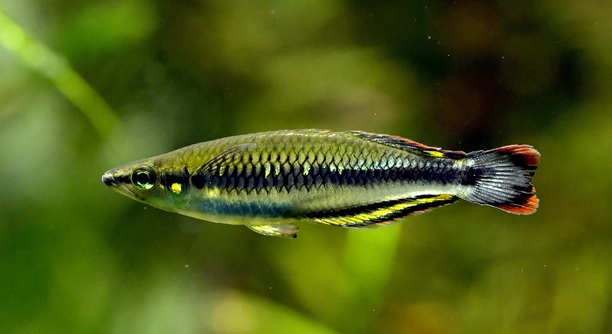
Managing a community tank can feel tricky when one fish suddenly refuses food, especially a usually active rainbowfish that brightens your aquarium with color and energy, creating concern about what might be affecting its appetite.
Rainbowfish often stop eating due to environmental stressors, unsuitable water parameters, or illness. Disruptions in temperature, pH, or tank compatibility can compromise physiological stability. Identifying these factors promptly supports health restoration and reduces long term nutritional deficiencies in home aquariums.
This simple breakdown highlights key issues affecting appetite and offers steps that guide you toward improving your rainbowfishs feeding routine.
Stress From Sudden Changes
Rainbowfish respond quickly to sudden shifts in their surroundings, and even small disruptions can influence how they behave at feeding time. When lighting schedules change, new tankmates appear, or the aquarium layout gets adjusted, they can become uneasy. This tension may lead them to ignore food they would normally chase with excitement. Consistent routines help them feel secure, and maintaining familiar conditions often encourages them to return to their usual eating habits. Stability makes a noticeable difference, especially when they are sensitive to movement or activity around the tank. Slow, gentle adjustments keep them from feeling overwhelmed.
Keeping changes minimal helps reduce confusion so they feel safe enough to resume eating. Maintaining familiar patterns gives them time to settle, helping their appetite return naturally without added pressure.
A calm environment also supports their social behavior, so they remain confident during feeding. When the tank feels predictable, they can focus on eating without hesitation.
Poor Water Parameters
Unstable water conditions can influence your rainbowfishs appetite in a significant way, especially when temperature or pH drifts outside their comfort range. Keeping up with test results and regular maintenance helps you catch issues early and keep feeding behavior steady.
When the water becomes too warm, too cool, or too acidic, their bodies work harder to stay balanced, and eating becomes less of a priority. Regular checks help you pinpoint what needs attention, such as ammonia spikes or sudden nitrate rises. Clean water supports digestion and movement, which are important for active fish. A steady temperature prevents unnecessary stress, while stable pH helps them maintain normal energy levels. Weekly partial water changes refresh their environment and give them the conditions they need to eat comfortably. By keeping the tank clean and stable, you create a space that encourages consistent feeding and helps them avoid the discomfort that often leads to skipped meals.
Inadequate Diet
Providing the wrong type of food can make rainbowfish lose interest quickly, especially when textures or ingredients do not match their natural preferences. When meals feel unfamiliar or hard to digest, they may ignore them and wait for something that feels more suitable to their needs at feeding time daily.
Rainbowfish thrive on a balanced mix of small flakes, micro pellets, and occasional protein rich treats that match their natural feeding habits. When the diet is too repetitive or lacks nutrients, their appetite can gradually decline. Offering a variety of foods gives them enough stimulation to stay interested during meals. Rotating options helps them recognize scents and textures that feel natural. Softening harder pellets can also support younger or slower fish that struggle with firm bites. By adjusting feeding methods and presenting well rounded meals, you make it easier for them to eat consistently and maintain stable energy throughout the day daily.
Sometimes rainbowfish ignore food because feeding sessions feel rushed or poorly timed. When lights turn on right before feeding, they may still be adjusting and less eager to eat. Allowing them a few minutes to settle helps them approach meals calmly. Spacing feedings into smaller portions can also support timid fish that avoid competition. Observing how each fish behaves gives you clues about what adjustments help. Using sinking and floating options keeps every fish included, especially when some prefer mid level feeding. With a schedule that respects their pace, you help them feel comfortable enough to eat consistently each single day.
Illness or Parasites
Health issues can affect how your rainbowfish responds at mealtime, especially when infections or parasites cause irritation or discomfort. Subtle behavior shifts like sluggish swimming or hiding can appear before appetite declines, making early attention important. Clean water, steady routines, and close observation help you notice changes quickly so treatment can start soon. Supporting their health with gentle care keeps their appetite from dropping further during times when they need extra comfort and steady support.
Illness can influence their appetite long before clear symptoms appear, so paying attention to even subtle changes helps you react in time. When parasites irritate their gills or digestive system, eating becomes uncomfortable, and they may retreat to quieter areas of the tank. Quarantine procedures give you room to observe them without disturbance, and gentle aeration keeps the water calm. Using treatments designed for common aquatic infections helps reduce irritation, but maintaining stable conditions is just as important. Clean water supports recovery, especially when they feel weak. Offering small, easy to digest meals prevents unnecessary strain while they regain strength. Watching how their behavior shifts provides clues about whether the treatment is helping. Consistent care encourages them to return to normal feeding patterns and feel.
Aggressive Tankmates
Aggressive behavior from other fish can make rainbowfish feel unsafe during feeding, especially when they get pushed aside or chased away from food. This stress lowers their appetite and keeps them from approaching the surface or mid level areas where meals are usually offered.
Separating overly dominant fish or rearranging the tank helps balance interactions so everyone gets equal access to food. Giving rainbowfish hiding spots or gentle flow zones also encourages them to eat without feeling pressured, helping them stay calm and more willing to approach meals when they feel secure enough.
Overfeeding in the Tank
Too much leftover food in the water can quickly reduce water quality, making rainbowfish less eager to eat. When the tank becomes cloudy or the scent feels off, they often retreat and avoid meals. Offering smaller portions and removing excess makes feedings cleaner and more manageable. A lighter feeding schedule also helps the tank stay fresher, giving rainbowfish a better environment where eating feels comfortable. Clean water naturally encourages them to return to normal feeding patterns, especially when each meal feels fresh and easy to approach.
Recent Relocation
Moving to a new tank or adjusting to a new setup can make rainbowfish feel unsettled for several days. Giving them calm surroundings and steady routines helps them regain confidence and return to their usual eating habits.
FAQ
Why is my rainbowfish refusing food even though the water looks fine?
Rainbowfish can refuse food for reasons beyond obvious water quality issues. Subtle stressors like sudden changes in lighting, tank rearrangements, or the presence of aggressive tankmates can make them hesitant to eat. Even minor fluctuations in temperature or pH can cause discomfort, which reduces appetite. Observing their behavior carefully helps pinpoint triggers, such as hiding, sluggish movement, or avoidance during feeding times. Addressing these environmental factors often restores feeding behavior, even when water tests show acceptable levels.
Can illness make rainbowfish stop eating?
Yes, illness is a common cause for a sudden loss of appetite. Internal parasites, bacterial infections, or gill irritations can make eating uncomfortable or painful. Other symptoms often appear alongside reduced feeding, such as lethargy, clamped fins, or unusual swimming patterns. Quarantining the affected fish, monitoring their symptoms, and using appropriate treatments can help them recover. Feeding small, easily digestible portions during recovery ensures they regain strength without additional stress.
Does diet variety affect their willingness to eat?
Rainbowfish thrive on a varied diet, including flakes, micro pellets, and occasional protein-rich treats like brine shrimp or daphnia. Feeding only one type of food for long periods can cause boredom or nutritional gaps, reducing interest in meals. Rotating foods and adjusting textures ensures they stay engaged during feeding and meet their nutritional needs. Softening harder pellets can help younger or timid fish eat comfortably.
Can tank overcrowding impact feeding?
Overcrowding can stress rainbowfish and make them hesitant to eat. Dominant fish may chase smaller ones away from food, while crowded conditions raise competition and tension. Adding hiding spots, rearranging decorations, or reducing the number of tankmates can improve comfort levels. A calm, less crowded environment encourages rainbowfish to feed without fear or hesitation, supporting consistent growth and health.
How do I know if water parameters are affecting their appetite?
Even minor shifts in temperature, pH, or ammonia levels can reduce appetite. Rainbowfish prefer stable, slightly alkaline water with consistent temperatures. Testing the water regularly reveals changes before they become dangerous. Frequent partial water changes and monitoring tank conditions help maintain a comfortable environment, allowing fish to focus on eating rather than coping with stress.
Will stress from moving or new tankmates cause them to stop eating?
Yes, relocation or new tankmates can create anxiety, lowering appetite. Rainbowfish are sensitive to environmental changes and social dynamics. Gradual introductions, consistent routines, and quiet surroundings help them adjust. Providing hiding spots and reducing direct competition during feedings supports their comfort and encourages normal eating behavior over time.
What feeding strategies help picky rainbowfish?
Offering small, frequent meals reduces competition and encourages timid fish to eat. Using a combination of floating and sinking foods ensures all levels of the tank are covered. Observing individual preferences and adjusting feeding times to when they are most active improves participation. Avoid overfeeding, which can worsen water quality and reduce interest in food.
How long can rainbowfish go without eating safely?
Healthy adult rainbowfish can survive several days without food, but prolonged fasting increases stress and vulnerability to disease. Young or sick fish require more consistent feeding to support growth and immune function. Monitoring their behavior during short periods of fasting ensures they remain healthy while helping identify potential causes of reduced appetite.
Does water temperature affect their willingness to eat?
Yes, temperature directly impacts metabolism and digestion. Cooler water slows metabolism, reducing appetite, while excessively warm water increases stress and may also suppress feeding. Maintaining a stable, suitable temperature range for the species supports normal feeding patterns. Gradual adjustments prevent shock and keep their digestive system functioning properly.
Are there signs that indicate feeding problems are severe?
Signs like rapid weight loss, lethargy, unusual swimming, clamped fins, or discoloration indicate more serious issues. Ignoring these symptoms can worsen health outcomes. Immediate action, including checking water parameters, adjusting diet, and consulting aquatic health resources, is essential to restore normal feeding and prevent long-term complications.
Rainbowfish are lively, colorful additions to any aquarium, but their feeding habits can sometimes become unpredictable. Understanding the reasons behind a sudden refusal to eat helps create a healthier and more stable environment for them. Many factors can influence appetite, including water quality, tankmates, diet, and stress from changes in their surroundings. Observing their behavior closely gives insight into what might be affecting their willingness to eat. For example, subtle shifts like hiding more often, swimming sluggishly, or avoiding the food area can indicate stress or discomfort even when water parameters seem normal. Addressing these concerns promptly can prevent longer-term health issues and support consistent feeding patterns. Maintaining a routine is crucial, as rainbowfish respond well to predictable conditions. Feeding at regular times, offering a variety of foods, and keeping the tank environment stable all contribute to their overall comfort and encourages normal eating habits.
Proper water maintenance is one of the most important factors in ensuring rainbowfish eat regularly. Even small fluctuations in temperature, pH, or ammonia levels can reduce appetite. Conducting regular water tests and performing partial water changes helps maintain stable conditions that make fish feel secure and less stressed. Clean water not only supports their digestive health but also improves energy levels, making them more likely to eat when food is offered. Tank cleanliness also includes removing leftover food promptly, as excess food can lead to poor water quality and discourage feeding. Beyond water, diet variety plays a key role in keeping rainbowfish interested in meals. Offering a combination of flakes, micro pellets, and occasional live or frozen foods ensures they receive necessary nutrients while keeping them engaged during feeding. Rotating foods and adjusting textures can help picky eaters start eating again without forcing changes too quickly.
Stress reduction is another important factor to consider when rainbowfish stop eating. Aggressive tankmates, overcrowding, or sudden changes in the tank setup can make fish feel unsafe, which often leads to skipped meals. Providing hiding spots, rearranging the tank layout, and ensuring all fish have space to eat reduces competition and tension. Illness or parasites are also significant reasons for loss of appetite, so monitoring for unusual behaviors like lethargy, fin clamping, or abnormal swimming is essential. Treating health problems promptly and offering small, easily digestible portions during recovery encourages them to regain strength and return to normal feeding routines. By paying attention to these environmental, dietary, and health factors, you can create a balanced aquarium where rainbowfish feel comfortable, safe, and motivated to eat regularly, supporting their long-term well-being and vibrant appearance.

Hello,
If you enjoy the content that we create, please consider saying a "Thank You!" by leaving a tip.
Every little bit helps us continue crafting quality advice that supports the health, happiness, and well-being of pets around the world, for pets of all shapes, sizes, and species.
We really appreciate the kindness and support that you show us!