
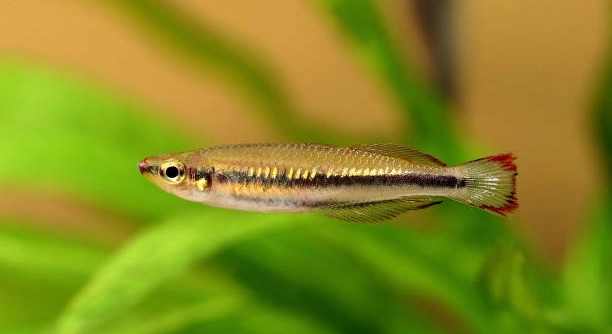
Rainbowfish are vibrant additions to any home aquarium, offering both color and activity. Observing their behavior closely can help you understand their health and overall readiness for breeding, ensuring a harmonious environment for your aquatic pets.
Signs that a rainbowfish is ready to breed include intensified coloration, active courtship displays, pairing off with a mate, consistent swimming patterns, a healthy appetite, a clean tank environment, and specific territorial behaviors. Recognizing these indicators supports successful breeding practices.
Knowing these signs will help you care for your rainbowfish responsibly and foster a suitable environment for breeding success. Paying attention to their behavior ensures healthy and happy fish.
Intensified Coloration
When rainbowfish are ready to breed, one of the first signs is a noticeable change in their coloration. Males often display brighter and more vivid colors to attract a female. This change is not subtle; it becomes apparent in the fins, body, and sometimes even the eyes. The enhanced colors signal good health and readiness for reproduction. Observing your fish daily will make it easier to spot these changes. Females may also show slight color changes, although less pronounced than males. Healthy water conditions, proper nutrition, and minimal stress contribute to these vibrant displays. By paying attention to these visual cues, you can better understand the dynamics in your tank. These color changes are natural and temporary, often fading once the breeding period ends. Recognizing them early allows you to prepare the environment for successful spawning and to separate adults if necessary for egg protection.
Bright coloration is a clear indicator that your rainbowfish are entering breeding mode.
Watching for these changes helps in arranging tank conditions and selecting compatible pairs, ensuring eggs are laid in a safe environment. Consistent observation can prevent stress and support successful mating. Proper tank care, along with noticing color changes, increases the likelihood of healthy offspring, contributing to a thriving aquatic setting.
Active Courtship Displays
Courtship behavior is another important sign of breeding readiness. Males often chase females gently, flare their fins, and perform circling movements to attract attention.
These displays are essential for successful mating and show the male is in peak condition. Courtship behavior can include nudging, swimming in synchronized patterns, or hovering near potential spawning sites. Females respond by showing interest or retreating, which helps establish compatibility. Observing these interactions helps determine when to separate pairs or provide additional hiding spaces for eggs. Environmental factors like lighting, water temperature, and the presence of plants can enhance these behaviors. By providing a suitable habitat and monitoring activity, you encourage natural breeding processes. Courtship is a sign of healthy adult fish and indicates that conditions are appropriate for reproduction. Adjusting tank elements based on observed behaviors can improve the chances of fertilization. This stage is temporary but critical for a successful breeding cycle.
Pairing Off with a Mate
Rainbowfish often form temporary pairs when they are ready to breed. Males select a female and stay close, showing consistent attention through swimming alongside and gentle nudges. Observing these pairs helps identify potential breeding partners in your tank.
These pairings are critical because they indicate compatibility and readiness for spawning. Males focus their energy on one female at a time, reducing stress and increasing the chances of successful egg laying. Females may respond by swimming in close proximity or showing less evasive behavior. Providing plants or hiding spaces allows them to feel secure, encouraging natural interactions. Observing these behaviors regularly ensures you can separate pairs if aggression occurs.
Maintaining stable water conditions and a consistent feeding schedule supports these pairings. Proper care enhances trust between the fish, making the breeding process smoother. Pairing off is a temporary stage but essential for reproduction. Noticing these bonds early allows for timely preparation of breeding tanks and better survival rates for the eggs.
Consistent Swimming Patterns
Rainbowfish ready to breed display predictable swimming patterns. Males often patrol specific areas, while females follow routes that indicate interest in spawning sites.
Consistent swimming reduces stress and establishes territories within the tank. Fish adopt regular paths near plants or decorations where eggs might be deposited. Changes in patterns, such as increased activity or focused hovering, signal readiness for mating. Observing these routines helps determine when to prepare a breeding environment. By recognizing and respecting these patterns, you reduce conflicts and support natural behaviors.
Providing a well-planted tank encourages these swimming patterns, giving the fish confidence to perform natural activities. Monitoring movement allows identification of the healthiest and most compatible pairs. Consistency in behavior is also a sign of stable water conditions and adequate nutrition. Any sudden deviation might indicate stress or illness. Ensuring a predictable environment supports both adult fish and the upcoming eggs, increasing survival chances. A careful approach to monitoring swimming patterns makes the breeding process more effective and natural.
Healthy Appetite
Rainbowfish ready to breed show a noticeable increase in appetite. They actively search for food and eat more frequently than usual, signaling good health and energy for reproduction.
Providing a varied diet of high-quality flakes, frozen, or live foods supports this increased nutritional need and encourages natural breeding behaviors.
Clean Tank Environment
A clean and well-maintained tank is essential for breeding. Rainbowfish are more likely to spawn in water free of debris, with balanced pH and stable temperature. Proper filtration and regular water changes reduce stress, supporting both adult health and egg survival.
Specific Territorial Behaviors
Males display territorial behavior when ready to breed, often guarding small areas or plants. These actions help attract females and establish dominance over other males, ensuring a suitable space for spawning.
Maintaining a tank layout with plants, rocks, or other hiding spots allows males to establish territories naturally. Observing these behaviors ensures that aggression remains controlled and provides females with secure areas to lay eggs. Territorial displays are temporary but vital, helping the breeding process unfold smoothly and protecting potential offspring from stress or disruption.
FAQ
How do I know if my rainbowfish is a male or female?
Male rainbowfish are generally more colorful, especially during breeding periods. Their fins are often longer and more pointed, while females have a slightly rounder body shape. Observing behavior also helps; males tend to chase and court females, while females are more reserved and responsive to these advances. Knowing the gender helps in pairing and planning a breeding setup effectively.
What is the best diet to encourage breeding?
A varied and nutritious diet is key. High-quality flakes, frozen foods like bloodworms or brine shrimp, and occasional live foods provide energy for reproduction. Feeding small amounts multiple times a day helps maintain health and vitality. Adequate nutrition supports vibrant coloration, active courtship, and egg production.
How often should I change the water during breeding?
Regular water changes are important to reduce stress and maintain ideal conditions. Weekly partial water changes of 20-30% help keep parameters stable, while completely avoiding sudden shifts in temperature or pH. Clean water encourages healthy behavior and increases the chances of successful egg fertilization.
When should I separate the breeding pair?
Separation is necessary once eggs are laid to prevent adults from eating them. Carefully move the adults to another tank or section off the breeding area. Monitoring daily ensures the eggs are safe and the hatchlings have a better chance of survival. Proper timing reduces stress on both the adults and eggs.
What type of tank setup is ideal for breeding?
Provide plants, rocks, or spawning mops where females can lay eggs. Ensure there is enough swimming space and hiding areas. A stable temperature, proper filtration, and gentle water flow support healthy breeding behavior. Plants also give fry shelter once hatched. Observing fish in this environment helps identify when breeding is imminent.
How long does it take for eggs to hatch?
Rainbowfish eggs generally hatch within 7 to 14 days depending on species and water temperature. Warmer, stable conditions speed up hatching, while cooler water slows the process. Observing the eggs daily allows you to detect any unfertilized or fungus-affected eggs, which should be removed to protect healthy ones.
Can rainbowfish breed in a community tank?
Breeding in a community tank is possible but challenging. Other fish may eat eggs or stress the pair, reducing spawning success. Isolating the pair in a separate breeding tank ensures safety for eggs and allows monitoring of courtship behavior without interference. Once fry are free-swimming, they can be gradually introduced back to the main tank.
How do I care for the fry after hatching?
Fry require tiny food such as infusoria, baby brine shrimp, or finely crushed flakes. Keep the water clean and maintain stable parameters. Frequent, small feedings promote healthy growth. Providing plants or gentle hiding areas reduces stress and improves survival rates. Monitoring their development ensures they grow into healthy juveniles.
What signs indicate unsuccessful breeding?
Eggs that turn cloudy, fungus-covered, or fail to hatch indicate problems. Adults showing stress, aggression, or disinterest may also reduce breeding success. Maintaining clean water, proper nutrition, and minimizing disturbances helps prevent these issues. Early detection allows corrective action to improve future breeding attempts.
Is it necessary to remove adults after spawning?
Yes, adults often eat eggs or fry if left in the breeding tank. Removing them ensures higher survival rates and reduces stress. Once the fry are free-swimming and strong enough, they can be gradually integrated back into the main tank. This step is essential for effective breeding management.
Final Thoughts
Breeding rainbowfish can be a rewarding experience when approached with patience and careful observation. Understanding their behavior and recognizing the key signs of readiness, such as intensified coloration, active courtship, and pairing off with a mate, allows for a smoother process. Paying attention to these cues ensures that you can provide the proper environment and conditions for successful spawning. Healthy fish, stable water parameters, and a well-maintained tank are the foundation for encouraging natural breeding behaviors. By monitoring these elements closely, you reduce stress for the fish and increase the likelihood of fertilized eggs. These practices not only help in producing offspring but also contribute to the overall health and well-being of your aquarium.
Providing the right tank setup is essential. Plants, rocks, and spawning mops give rainbowfish suitable places to lay eggs while providing shelter for fry once hatched. Clean water and proper filtration are critical to prevent disease and support both adults and developing eggs. Observing consistent swimming patterns, territorial behaviors, and appetite changes offers insight into the fish’s reproductive readiness. Each rainbowfish may display these behaviors differently, so it is important to track daily activity and adjust the environment accordingly. Proper nutrition also plays a vital role, with a varied diet of high-quality flakes, frozen, or live foods giving the fish energy to engage in courtship and reproduction. Combining all these elements creates a supportive habitat that encourages natural instincts and increases breeding success.
Once breeding begins, careful management of eggs and fry is crucial. Separating adults after spawning protects eggs from being eaten, and providing small, frequent feedings for fry ensures healthy growth. Maintaining stable water conditions and avoiding unnecessary disturbances further supports survival rates. Observing the entire process, from courtship to fry development, offers valuable learning experiences and strengthens your understanding of rainbowfish behavior. Successful breeding requires attention to detail and a commitment to creating a safe, balanced environment. By following these practices consistently, you not only promote the reproduction of rainbowfish but also foster a thriving, harmonious aquarium that benefits both adult fish and their offspring.

Hello,
If you enjoy the content that we create, please consider saying a "Thank You!" by leaving a tip.
Every little bit helps us continue crafting quality advice that supports the health, happiness, and well-being of pets around the world, for pets of all shapes, sizes, and species.
We really appreciate the kindness and support that you show us!