
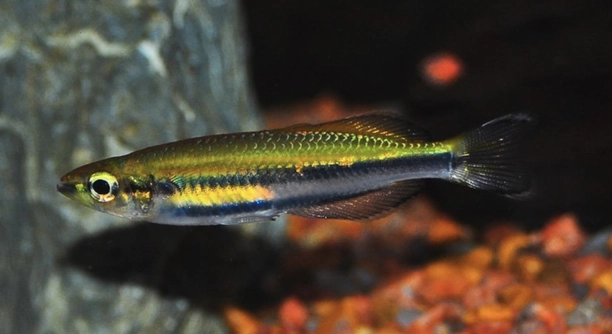
Rainbowfish are small, vibrant freshwater fish that are admired for their colors and active behavior. Many fish owners enjoy watching them swim gracefully, making them a popular choice for home aquariums of all sizes. Their lively presence adds charm to any tank.
Rainbowfish are social creatures that thrive best when kept with compatible tank mates. Isolated individuals often exhibit stress and reduced activity, while a community environment encourages natural behaviors, social interaction, and overall well-being, ensuring healthier and more vibrant fish.
Maintaining the right companions and tank conditions is essential for their long-term health and happiness. The choices you make impact both their activity and coloration.
Understanding Rainbowfish Social Needs
Rainbowfish naturally live in schools, often swimming together in groups in lakes and rivers. Observing them in a tank, I noticed they seem more confident and display brighter colors when surrounded by others. Alone, they often hide or become less active, which can impact their overall health. Providing companions helps them mimic their natural behavior, reducing stress and encouraging exploration of their environment. Social interaction also helps establish a sense of security, making them more likely to feed regularly and interact with their surroundings. When selecting tank mates, I prioritize similar-sized species with gentle temperaments to prevent aggression. Over time, I realized the balance between tank size and the number of fish is crucial. A crowded tank can lead to competition for resources, while too few companions leave them isolated. Creating a harmonious community is key to maintaining both their health and their vibrant, shimmering colors over the long term.
Keeping rainbowfish with compatible tank mates improves activity and reduces stress. Small groups are ideal for maintaining natural behaviors.
Schooling behavior encourages confidence, activity, and bright coloration. Companions reduce isolation, enhance feeding, and help establish security in their environment, promoting healthier, more vibrant fish.
Choosing the Right Tank Companions
Not all fish make suitable companions. Selecting compatible species is essential for harmony.
When introducing new fish to a rainbowfish tank, I consider size, temperament, and water requirements. Smaller or very aggressive species can cause stress or even injury, while compatible mid-sized fish create a calm and active community. I also pay attention to swimming patterns, ensuring companions occupy different levels of the tank to reduce territorial disputes. Over time, I observed that rainbowfish thrive with species like danios, tetras, or peaceful barbs. Adding live plants and hiding spots helps mediate interactions, providing both security and stimulation. Regular monitoring allows me to notice early signs of stress, illness, or conflict. Adjusting the number of companions or rearranging the tank layout often resolves tension. By maintaining stable water conditions, a balanced diet, and attentive observation, rainbowfish remain active, colorful, and healthy. Proper selection of tank mates is not just beneficial—it is essential to replicate a supportive and stimulating environment that mirrors their natural social structure.
Tank Size and Space Requirements
Rainbowfish need adequate space to swim freely. A cramped tank can increase stress and limit natural behaviors, affecting their health and color.
I found that a minimum of 30 gallons works for a small school of rainbowfish, though larger tanks provide better swimming space and more stable water conditions. Proper filtration is essential to maintain clean water, reducing the risk of disease. Open swimming areas combined with plants and hiding spots help balance security and activity. Overcrowding can lead to aggression and poor water quality, so careful planning of tank size based on the number of fish is important. I also keep a consistent maintenance schedule, performing regular water changes and monitoring water parameters, which helps them thrive. Providing enough space allows rainbowfish to express natural behaviors, improving overall health and ensuring they remain active, social, and brightly colored throughout their time in the tank.
Spacing impacts stress, swimming patterns, and social interaction. Larger tanks help maintain stability, reduce aggression, and support healthy growth.
Feeding and Nutrition
Rainbowfish benefit from a varied diet that includes flakes, pellets, and live or frozen foods. Balanced nutrition supports vibrant coloration and energy levels.
I feed a combination of high-quality flake food and occasional frozen brine shrimp or daphnia. This variety keeps their diet interesting and ensures they receive essential proteins, fats, and vitamins. Overfeeding is a concern, so I give small portions twice daily, watching them finish the food within a few minutes. I noticed that properly fed fish display brighter colors and are more active, which also improves social interactions within the tank. Supplementing with plant-based foods like spirulina or blanched vegetables adds fiber and promotes overall health. Monitoring each fish ensures all individuals receive food without competition dominating the smaller or less assertive ones. Maintaining a balanced feeding routine is crucial for their longevity and well-being, making them more resilient to stress and environmental changes.
Water Quality and Maintenance
Maintaining clean, stable water is critical for rainbowfish health. Regular testing and water changes prevent harmful buildup and keep their environment safe.
I perform partial water changes weekly and check pH, temperature, and ammonia levels. Consistent filtration and aeration ensure they remain active and stress-free.
Temperature and pH Preferences
Rainbowfish thrive in slightly alkaline water with a temperature between 74 and 78°F. Keeping conditions stable reduces stress and supports natural behaviors, growth, and coloration.
Observing Behavior and Signs of Stress
Watching rainbowfish interact helps identify stress or illness early. Changes in swimming patterns, color fading, or hiding often indicate issues that need attention.
Maintaining stable conditions, proper diet, and suitable companions reduces stress and ensures rainbowfish remain healthy and vibrant over time.
FAQ
Do rainbowfish need a tank mate?
Yes, rainbowfish are naturally social and thrive in groups. I noticed when kept alone, they become less active and their colors dull. Keeping at least five or six together encourages normal schooling behavior, reduces stress, and makes them more confident in the tank.
Can rainbowfish live with other species?
Rainbowfish do well with peaceful, similarly sized species. I have kept them with tetras, danios, and barbs without problems. Aggressive or very small fish can cause stress or competition for food, so choosing compatible tank mates is essential for a harmonious aquarium.
How many rainbowfish should be kept together?
A small school of five to eight fish is ideal. Smaller groups may show signs of stress and isolation, while larger groups require more space. I always make sure the tank size supports the number of fish to prevent overcrowding and maintain water quality.
What is the ideal tank size?
For a small school, a 30-gallon tank works well. Larger tanks allow for more swimming space, reduce territorial disputes, and stabilize water parameters. I prefer tanks with open areas for swimming and some plants or hiding spots for security.
What water conditions do rainbowfish need?
They thrive in slightly alkaline water with a pH between 7.0 and 8.0 and a temperature range of 74–78°F. Maintaining stable water quality is important, as sudden changes can stress the fish. Regular testing and water changes help keep them healthy.
How often should rainbowfish be fed?
I feed rainbowfish small portions twice daily. A combination of high-quality flakes and occasional frozen or live foods like brine shrimp or daphnia provides balanced nutrition. Overfeeding can pollute the tank, so it’s important to give only what they can consume in a few minutes.
What signs indicate a rainbowfish is stressed?
Stress often shows through hiding, faded colors, loss of appetite, or erratic swimming. I pay attention to their interactions and movement patterns. Early detection allows adjustments to tank mates, water conditions, or diet to help them recover quickly.
Do rainbowfish need special lighting?
Moderate lighting is sufficient. I found that lighting enhances their colors and encourages normal activity, but it should not be too bright or constant. A regular day-night cycle also helps them maintain natural rhythms and reduces stress.
How important is tank decoration?
Decorations provide security and stimulation. I include plants, rocks, and hiding spots to balance open swimming areas with sheltered spaces. This reduces aggression, provides places for retreat, and helps mimic their natural environment, contributing to overall health.
Can rainbowfish breed in a community tank?
Yes, they can breed if conditions are favorable and there are enough hiding places for fry. I noticed they do best in slightly larger tanks with dense plant areas, which offer protection and increase survival rates for the young fish.
How do I prevent disease in rainbowfish?
Maintaining clean water, feeding a balanced diet, and monitoring tank mates helps prevent illness. I quarantine new fish before introducing them and watch closely for early signs of sickness. Prompt action can prevent the spread of disease and protect the entire aquarium.
Is it necessary to rearrange the tank for rainbowfish?
Occasionally, yes. Rearranging decorations can reduce territorial disputes and keep the environment stimulating. I make small changes gradually to avoid shocking the fish and to maintain a sense of familiarity while encouraging natural exploration.
How long do rainbowfish typically live?
With proper care, they can live five to eight years. I ensure their diet, water quality, and social environment are optimal, which supports longevity and keeps them vibrant and active throughout their lifespan.
Are there specific signs of happiness in rainbowfish?
Active swimming, schooling, bright coloration, and regular feeding are indicators. I notice they often interact with tank mates and explore the aquarium when they are healthy and content, which is rewarding to observe.
Can I mix male and female rainbowfish?
Yes, keeping both sexes together is natural. Males often display brighter colors to attract females, and I have found this adds dynamic social behavior to the tank. Ensuring enough space and hiding spots reduces potential stress during interactions.
Do rainbowfish need supplements?
Occasionally, yes. I add vitamin-enriched foods or supplements if needed, especially during periods of stress or illness. Balanced nutrition generally covers most needs, but supplements can support color and overall vitality when necessary.
What is the best way to introduce new rainbowfish?
I acclimate them slowly using a drip method to match water conditions. Introducing them in small steps reduces stress, allows them to adjust, and prevents sudden changes that could shock the existing fish in the tank.
Can rainbowfish live alone if necessary?
They can survive alone, but I’ve noticed significant stress and reduced coloration. Social interaction is important for their well-being, so keeping them in small groups is always preferable to support natural behavior and health.
How do I maintain vibrant coloration?
A varied diet, clean water, proper tank mates, and moderate lighting all contribute. I also avoid stressors like aggressive species or sudden environmental changes, as stress can dull their natural colors and reduce overall vitality.
Are rainbowfish active at certain times of the day?
Yes, they are most active during daylight hours. I maintain a consistent lighting schedule, which helps regulate their behavior and ensures they display natural activity patterns while resting at night.
Rainbowfish are lively, colorful fish that thrive when their basic needs are met. Their natural social behavior makes them happiest in small groups, and keeping them alone can lead to stress and reduced activity. I have noticed that when rainbowfish are housed with compatible tank mates, they display brighter colors and more natural behaviors, such as schooling and exploring the tank. Providing a balanced environment, including sufficient swimming space, hiding spots, and clean water, ensures that they remain healthy and vibrant. Even small adjustments, like rearranging plants or decorations, can positively impact their comfort and reduce territorial stress, which is essential for maintaining a harmonious aquarium. Observing their interactions closely helps identify any early signs of illness or behavioral issues, allowing for timely intervention.
Nutrition plays a significant role in their overall well-being. Rainbowfish benefit from a varied diet that combines high-quality flake food, occasional live or frozen foods, and plant-based supplements. I feed my fish small portions twice daily, making sure they consume all the food to avoid overfeeding and water pollution. A proper diet not only supports their growth and health but also enhances their coloration, making them more visually striking in the tank. Alongside nutrition, stable water conditions are essential. Maintaining appropriate temperature and pH levels, along with regular water changes, helps prevent disease and stress. Filtration and aeration are also important to keep the water clean and oxygenated, ensuring rainbowfish can swim actively without any hindrance.
Consistency in care and monitoring makes the biggest difference. Regular observation allows me to notice subtle changes in behavior, swimming patterns, or coloration, which can indicate stress or health problems. Choosing suitable tank mates, maintaining clean water, and providing a stable diet all work together to create an environment where rainbowfish can thrive. Their natural social tendencies, combined with a supportive environment, help them exhibit their full potential in terms of activity, color, and health. By prioritizing these aspects, I have seen rainbowfish flourish over several years, displaying their full beauty and energetic personalities. A thoughtful approach to their care ensures they remain vibrant, active, and content, making them a rewarding addition to any freshwater aquarium.

Hello,
If you enjoy the content that we create, please consider saying a "Thank You!" by leaving a tip.
Every little bit helps us continue crafting quality advice that supports the health, happiness, and well-being of pets around the world, for pets of all shapes, sizes, and species.
We really appreciate the kindness and support that you show us!