
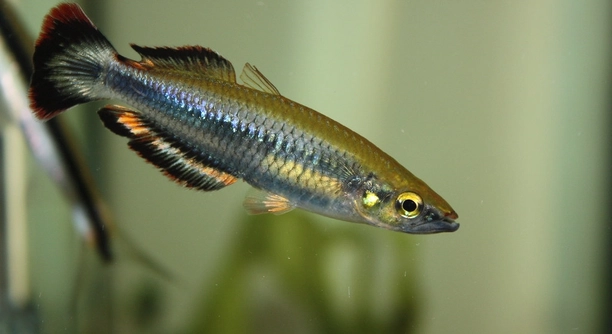
Rainbowfish are colorful freshwater fish that brighten up home aquariums. Their shimmering scales and peaceful nature make them popular among aquarists seeking a lively yet calm addition to their tanks. They thrive in well-maintained environments with stable conditions.
Rainbowfish are not strictly nocturnal. They are primarily diurnal, showing most activity during daylight hours while resting or hiding at night. Their natural behavior includes swimming in schools, feeding during the day, and seeking shelter in plants or decorations when inactive.
Understanding rainbowfish daily habits helps provide a healthy and stimulating environment. Proper lighting, tank setup, and feeding routines support their well-being and natural behaviors.
Understanding Rainbowfish Activity Patterns
Rainbowfish are most active during daylight, moving in schools and exploring their surroundings. In the morning, they often swim near the surface, searching for food and interacting with other fish. Their activity gradually slows as evening approaches, and they seek shelter among plants or decorations for safety. Temperature, lighting, and tank size influence their movement, and a stable environment encourages natural behavior. Observing their daily rhythm helps identify if they are stressed or unwell, as changes in activity may signal health issues. Feeding them small, frequent meals during the day mimics natural patterns and keeps them energetic. Providing hiding spots allows them to rest securely at night. Watching rainbowfish adapt to their environment can be rewarding and informative. Proper observation ensures they thrive, maintaining bright colors and healthy growth. Adjusting tank conditions carefully will support consistent activity and overall well-being. Maintaining water quality and monitoring their responses creates a balanced aquarium suited to their natural behavior.
Providing daylight lighting that mimics natural cycles supports their diurnal activity. Gradual changes in light prevent stress.
Observing rainbowfish behavior can reveal individual preferences, such as favored swimming areas or hiding spots. Some may prefer upper regions near the surface, while others feel safer near plants. Recognizing these patterns helps tailor tank setup, including placement of decorations and plants. Adjusting feeding routines to match their active hours improves health and vitality. Understanding how temperature changes affect their activity ensures they remain comfortable and energetic. Overcrowding can reduce movement and cause stress, while a properly sized tank encourages schooling behavior. Regular monitoring of their activity patterns helps detect illness early. Healthy rainbowfish display coordinated swimming and vibrant colors. Stress or disease may lead to hiding, sluggish movement, or loss of color. By providing consistent care and observing daily habits, owners can maintain a thriving, lively aquarium that supports both the fish’s natural tendencies and long-term health.
Feeding and Nighttime Behavior
Rainbowfish usually eat during daylight and show minimal interest in food at night. They store energy from daytime feeding to rest safely.
Feeding rainbowfish small amounts throughout the day ensures they remain active and healthy. Avoid overfeeding to prevent water quality issues.
At night, rainbowfish seek shelter to feel secure. Plants, rocks, and aquarium decorations create hiding spots that reduce stress and mimic natural habitats. Proper lighting schedules reinforce diurnal patterns, allowing them to rest without disturbance. Observing their nighttime behavior shows how environmental factors impact their comfort. Sudden lights or tank movements can startle them, so a calm environment is important. Regular feeding and careful observation help maintain their daily rhythm, ensuring they remain energetic and display bright colors. By supporting both daytime activity and nighttime rest, the aquarium becomes a stable habitat that encourages healthy growth and natural behavior.
Common Signs of Nocturnal Activity
Rainbowfish rarely show nocturnal behavior. They usually stay hidden at night, resting among plants or decorations to avoid stress and feel secure. Some minor movement may occur, but active swimming is uncommon during dark hours.
Occasional nighttime movement can happen if the tank is disturbed or lights are accidentally left on. Fish may explore briefly before returning to their hiding spots. Observing consistent hiding behavior at night is normal and indicates that they are following their natural diurnal rhythm. Stress, illness, or sudden environmental changes can cause irregular activity, but this is not typical for healthy rainbowfish. Maintaining consistent lighting and tank conditions supports predictable daily behavior and reduces nighttime restlessness.
Monitoring your rainbowfish at night helps ensure they remain calm and healthy. Providing ample hiding spots and avoiding sudden disturbances allows them to rest securely. Understanding these subtle signs of movement can prevent unnecessary concern while supporting their well-being. Observing patterns over time reveals natural behavior, which is essential for long-term care.
Setting Up a Day-Night Cycle
A proper light cycle encourages daytime activity and nighttime rest. Aim for 10–12 hours of light each day.
Consistent day-night cycles help rainbowfish regulate feeding and resting habits. Use a timer to maintain predictable lighting patterns. Gradual changes in light intensity prevent sudden stress, supporting natural behavior. Observing how fish respond to the schedule allows adjustments for comfort. Proper placement of decorations and plants provides both shaded areas and open swimming spaces. A balanced cycle promotes healthy activity, color retention, and overall vitality.
Day-night cycles also reduce stress and prevent unusual nighttime activity. Rainbowfish rely on cues from lighting to determine when to feed, swim, and rest. Maintaining this cycle simulates their natural environment, promoting health and longevity. Providing structured lighting prevents erratic behavior and encourages schooling during the day. Adjusting the cycle gradually when necessary ensures minimal disruption. Combining this with proper feeding routines and a stable tank environment results in thriving, active, and vibrant fish that display predictable behavior patterns aligned with their diurnal nature.
Adjusting Tank Environment
Maintaining stable water temperature and quality supports natural rainbowfish behavior. Sudden changes can stress them, causing unusual nighttime movement or hiding more than usual.
Adding plants and decorations gives them secure hiding spots. These areas allow rest at night and reduce stress, encouraging healthy daytime activity and vibrant colors.
Feeding Schedule Considerations
Feeding rainbowfish during active daylight hours ensures they get proper nutrition and remain energetic. Small, frequent meals mimic natural feeding patterns. Avoid overfeeding, as leftover food can harm water quality. Observing their feeding habits can indicate health and alert you to potential issues early.
Monitoring Stress Levels
Stress affects rainbowfish behavior, making them more likely to hide or swim erratically. Signs include loss of color, clamped fins, or erratic movement. Maintaining a calm environment helps prevent stress and supports natural activity patterns.
FAQ
Are rainbowfish active at night?
Rainbowfish are primarily active during the day. At night, they usually stay hidden among plants, rocks, or decorations. Minor movement may occur, but they rarely swim actively in darkness. Providing secure hiding spots and stable tank conditions encourages restful nighttime behavior.
Can rainbowfish adapt to a nocturnal schedule?
Rainbowfish are naturally diurnal, so forcing a nocturnal schedule can stress them. They rely on light cues to regulate feeding, swimming, and resting habits. Disrupting this cycle may reduce activity, affect appetite, and weaken their immune system. Maintaining a consistent day-night cycle supports their health.
What should I do if my rainbowfish are restless at night?
Restlessness at night is usually caused by disturbances, poor lighting, or stress. Ensure the tank is quiet, lights are off during nighttime hours, and hiding spots are available. Check water quality and temperature, as sudden changes can also trigger unusual nighttime activity.
Do rainbowfish need specific lighting for day-night cycles?
Yes, lighting should mimic natural conditions, ideally 10–12 hours of daylight followed by darkness. Using a timer helps maintain consistency. Gradual light changes prevent stress and encourage natural swimming and feeding patterns. Shaded areas and plants allow them to rest safely during the day.
How does tank setup affect rainbowfish nighttime behavior?
A well-planned tank reduces stress and promotes natural behavior. Plants, rocks, and decorations provide hiding spots and mimic their natural environment. Overcrowding or open tanks can cause fear, leading to erratic swimming or hiding excessively at night. A balanced layout encourages calm, predictable activity.
Can water quality impact their nocturnal activity?
Yes, poor water quality can make rainbowfish restless. Ammonia, nitrite, or nitrate spikes stress them, disrupting normal behavior. Regular water testing, partial water changes, and proper filtration help maintain a stable environment. Healthy water supports natural diurnal activity and proper nighttime rest.
Do rainbowfish sleep?
Rainbowfish do rest at night, though they do not sleep like mammals. They become inactive, often hiding among plants or decorations. This period allows them to conserve energy and stay safe. Proper tank lighting and secure hiding spots support healthy rest cycles.
Will all rainbowfish behave the same at night?
Individual behavior can vary. Some may remain very still, while others explore slightly at night. Factors like age, health, tank conditions, and social dynamics influence nighttime behavior. Observing their patterns helps identify normal activity versus signs of stress or illness.
How can I tell if nighttime activity is normal?
Minimal movement, hiding, or occasional repositioning is normal. Sudden darting, loss of color, or constant swimming may indicate stress or water issues. Regular observation of daily and nightly routines helps distinguish normal resting behavior from problems requiring intervention.
Are there any benefits to observing rainbowfish at night?
Yes, watching them at night provides insight into stress levels, hiding preferences, and tank comfort. Noting patterns helps improve tank setup, feeding schedules, and lighting routines, supporting overall health and ensuring they maintain natural behaviors consistently.
Can feeding affect nighttime behavior?
Feeding during active hours ensures energy is consumed during the day. Overfeeding or irregular feeding may leave uneaten food, affecting water quality and encouraging restlessness at night. Small, consistent meals support natural diurnal activity and healthy nighttime rest.
Is it normal for rainbowfish to hide more during certain seasons?
Seasonal changes in light and temperature can influence activity. Reduced light or cooler temperatures may make them less active. Maintaining consistent indoor conditions, including temperature and light, helps mitigate seasonal fluctuations in behavior.
Do rainbowfish communicate differently at night?
Rainbowfish do not vocalize but use visual cues and body language. At night, interactions are limited due to inactivity and hiding. Observing schooling and interaction patterns during the day provides more insight into their social behavior than nighttime observation.
How can I encourage natural behavior during the day?
Provide ample swimming space, plants, and decorations. Maintain clean water, stable temperatures, and a consistent light cycle. Feeding during daylight hours and minimizing disturbances encourages activity and healthy diurnal rhythms. Natural behavior during the day reduces nighttime restlessness and promotes well-being.
Are there signs of stress specific to nighttime?
Signs include hiding excessively, darting when lights change, clamped fins, or loss of color. Stress at night is often linked to poor tank setup, water quality, or irregular lighting. Addressing these factors supports calm, natural resting behavior.
Can tank mates influence nocturnal activity?
Yes, aggressive or overly active tank mates can disturb rainbowfish at night, leading to hiding or erratic swimming. Choosing peaceful companions and ensuring adequate space helps maintain a calm environment, promoting proper day-night activity patterns.
Does tank size matter for nighttime behavior?
Smaller tanks can increase stress and limit hiding options, making rainbowfish more restless at night. Larger tanks with plants and decorations allow natural resting spots, reducing nighttime movement and supporting overall health and vibrant daytime activity.
Are young rainbowfish more active at night?
Juveniles may move more at night due to curiosity or developing habits, but activity is still limited. Providing secure hiding spots and stable conditions helps them develop normal diurnal patterns as they mature. Observation ensures they remain healthy and well-adjusted.
Can artificial light disrupt natural rest?
Yes, leaving lights on overnight can confuse rainbowfish, causing unnecessary movement and stress. Using a timer or completely turning off lights during nighttime helps maintain natural diurnal behavior and proper energy conservation.
How long does it take for rainbowfish to adjust to a new tank?
Adjustment usually takes several days to a couple of weeks. During this time, they may hide more and show limited activity. Proper lighting, stable water conditions, and secure hiding spots support smooth adaptation and normal behavior routines.
Is nocturnal behavior ever beneficial?
For rainbowfish, nocturnal activity is uncommon and generally unnecessary. Their natural pattern favors daytime activity and nighttime rest. Encouraging this diurnal rhythm supports feeding, swimming, and social interactions while minimizing stress and health issues.
What should I do if abnormal nighttime activity continues?
Check water quality, temperature, tank setup, and lighting consistency. Ensure adequate hiding spots and calm surroundings. Persistent irregular behavior may indicate stress, illness, or incompatible tank mates, and prompt intervention or expert consultation may be needed.
How important is observation for long-term health?
Regularly monitoring both daytime and nighttime behavior helps detect early signs of stress or illness. Observation ensures feeding, tank conditions, and social interactions support healthy, natural behavior. Understanding routines helps maintain vibrant, active, and well-adjusted rainbowfish over time.
Do rainbowfish need darkness to thrive?
Yes, darkness is crucial for rest and energy conservation. A proper day-night cycle supports feeding patterns, swimming behavior, and overall health. Without adequate darkness, stress increases, which can affect color, appetite, and activity levels. Maintaining predictable night conditions ensures their well-being.
Rainbowfish are vibrant, active fish that bring energy and color to any aquarium. Understanding their natural behavior is essential for creating a healthy and balanced environment. These fish are primarily diurnal, meaning they are most active during the day and rest at night. Observing their routines, such as swimming patterns, feeding habits, and resting spots, provides insight into their needs. Consistent lighting, secure hiding places, and stable water conditions allow rainbowfish to maintain their natural rhythms. By paying attention to these aspects, their overall health, coloration, and activity levels are supported, ensuring they thrive in a home aquarium setting. Watching them adapt and behave naturally can be rewarding, as their energy during the day contrasts with their calm, restful periods at night, reflecting their natural habitat behavior. Proper care also reduces stress, which is a common factor affecting their health and can lead to unusual nighttime activity.
Maintaining a structured day-night cycle is crucial for rainbowfish. Providing 10–12 hours of daylight followed by darkness helps regulate their feeding and swimming patterns. Using a timer for aquarium lighting ensures consistent conditions, preventing sudden changes that can stress the fish. Plants, rocks, and decorations create safe spaces where they can hide and rest at night, mimicking natural environments. Feeding during active periods supports energy use during the day and helps reduce nighttime restlessness. Overfeeding should be avoided, as leftover food can negatively impact water quality, which in turn affects behavior. Stable water temperature, proper filtration, and regular maintenance are also essential for maintaining a stress-free environment. By observing their behavior daily, small changes can be detected early, allowing adjustments to tank conditions that promote healthy routines.
Rainbowfish are sensitive to their surroundings, and subtle factors influence their behavior. Tank size, water quality, light consistency, and tank mates all affect activity levels and comfort. Providing a balanced environment supports both daytime energy and restful nighttime periods. Understanding individual preferences, such as favorite hiding spots or preferred swimming areas, helps optimize tank layout. Restlessness or erratic movements often indicate stress, requiring attention to water parameters, lighting, or social dynamics. By combining careful observation with consistent care, rainbowfish can display natural, predictable behavior patterns, vibrant coloration, and healthy growth. Supporting their diurnal rhythm ensures they remain active during the day and restful at night, reflecting their natural instincts and promoting long-term well-being in captivity.

Hello,
If you enjoy the content that we create, please consider saying a "Thank You!" by leaving a tip.
Every little bit helps us continue crafting quality advice that supports the health, happiness, and well-being of pets around the world, for pets of all shapes, sizes, and species.
We really appreciate the kindness and support that you show us!