
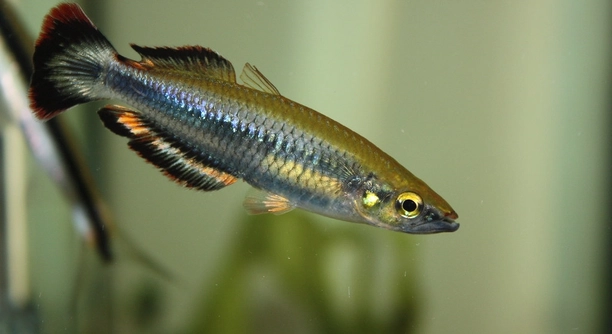
Are your rainbowfish thriving in their tank but showing little sign of breeding? Observing their behavior and tank environment can provide clues about whether they are ready to reproduce. Breeding often depends on several key conditions.
Rainbowfish will breed successfully when water conditions, diet, and tank setup mimic their natural habitat. Proper temperature, clean water, and suitable hiding places for eggs increase the likelihood of spawning and ensure higher survival rates for fry.
Understanding the basics of rainbowfish reproduction can help you prepare the right environment and increase your chances of successful breeding in your home aquarium.
Understanding Rainbowfish Breeding Behavior
Rainbowfish display unique behaviors when preparing to breed. Males often become more colorful, showcasing bright hues to attract females. They may swim in a more active and noticeable pattern, flaring fins and darting around the tank. Females respond by exploring areas with dense plants or fine-leaved vegetation, where eggs are typically laid. Observing these interactions can help identify readiness to spawn. In some cases, males may establish a small territory, defending it subtly from other fish while focusing on courtship. Water quality plays a crucial role, as clean, slightly acidic to neutral water encourages natural behaviors. Providing a balanced diet with live or frozen foods enhances vitality and coloration, supporting reproductive health. While environmental factors are essential, patience is equally important. Spawning may not occur immediately, and monitoring subtle changes in activity, feeding habits, and coloration can offer valuable clues about the breeding process and timing.
Maintaining consistent tank conditions ensures fish remain healthy and reduces stress, which directly impacts breeding success.
Focusing on these behaviors allows you to prepare the tank appropriately. Adding fine-leaved plants or spawning mops increases egg survival. Regular observation helps detect stress or aggression early. Adjusting water temperature slightly, around 78-80°F, often stimulates spawning. Avoid sudden changes in lighting or pH, as rainbowfish are sensitive. By paying attention to their natural patterns, you can provide a supportive environment, making the breeding process smoother and more predictable. Feeding high-protein foods and maintaining water cleanliness encourages healthy fry development. Monitoring both males and females daily allows you to track readiness, identify potential issues, and ensure all fish are in optimal condition before and after spawning.
Preparing the Tank for Breeding
A proper tank setup significantly influences breeding success. Dense plants or spawning mops provide safe locations for egg laying.
Ensuring water is clean, slightly acidic to neutral, and kept at a stable temperature encourages spawning. Regular water changes, gentle filtration, and adequate hiding spots reduce stress and increase egg survival. Adding fine-leaved plants mimics natural habitats, giving females confidence to lay eggs. Separating adults from newly hatched fry prevents accidental consumption. A well-maintained tank supports overall fish health, making them more receptive to breeding stimuli.
Before introducing breeding pairs, carefully inspect the tank for potential hazards, sharp edges, or overcrowding. Gradually adjust water parameters to replicate conditions typical in their natural habitat, including temperature, pH, and hardness. Provide a varied diet rich in protein to boost fertility and coloration. Observing behavior closely allows you to identify when males are courting and females are ready to spawn. Consistency in lighting and water changes minimizes stress, which can delay or prevent spawning. Using floating plants or spawning mops gives eggs a secure attachment point, enhancing survival rates. Once eggs are laid, monitoring for fungus or predation ensures a higher number of fry survive. Patience and careful attention to environmental details significantly improve the chances of successful breeding, allowing you to support healthy offspring in a controlled home aquarium.
Feeding Your Rainbowfish for Breeding
A high-protein diet is essential to stimulate breeding behavior. Live or frozen foods like brine shrimp, daphnia, and bloodworms increase vitality and coloration, which encourages courtship and egg production.
Consistent feeding with varied protein sources strengthens overall health. Males display brighter colors when properly nourished, and females develop better egg quality. Including occasional vegetable matter like finely chopped spinach or spirulina balances their diet, supporting long-term reproductive success. Avoid overfeeding, as excess waste can harm water quality and reduce the chances of successful spawning.
Timing meals before peak activity periods can enhance natural courtship displays. Observing how the fish respond to different foods helps determine their preferences. Feeding small amounts multiple times a day keeps energy levels high, supporting active swimming and mating rituals. Maintaining diet consistency alongside clean water maximizes breeding potential and increases fry survival once eggs are laid.
Monitoring Eggs and Fry
After spawning, eggs require careful observation to ensure healthy development. Removing adults can prevent accidental predation of eggs.
Fertilized eggs usually hatch within a week, depending on water temperature. Maintaining stable, clean water with gentle aeration prevents fungal growth and improves survival rates. Checking plants and spawning mops for eggs daily allows early detection of any issues. Fry are tiny and fragile, requiring infusoria or liquid fry food initially, gradually transitioning to baby brine shrimp or crushed flakes. Avoid disturbing the tank excessively, as stress can reduce hatching success and fry growth.
Separating fry from larger tank mates is crucial to prevent accidental consumption. Providing small hiding spaces with dense plants or mesh barriers keeps them safe. Gradual introduction of live food helps develop their feeding skills, while careful observation ensures they are thriving and growing evenly. Adjusting water parameters slightly as they mature supports strong development and prepares them for eventual integration with the main tank population. Monitoring daily helps identify weaknesses early and ensures a higher percentage of fry reach healthy maturity.
Common Breeding Challenges
Temperature fluctuations can delay or prevent spawning. Keeping water consistently warm within the ideal range supports natural breeding cycles.
Overcrowding also stresses rainbowfish, reducing reproductive behavior. Ensuring enough space and hiding spots encourages courtship and increases egg-laying success.
Recognizing Healthy Eggs
Healthy eggs appear clear or slightly yellowish and are sticky enough to attach to plants or spawning mops. Fertilized eggs develop tiny dark spots as embryos grow.
Monitoring for fungal growth is important. Infected eggs should be carefully removed to protect healthy ones. Proper water quality, gentle aeration, and minimal disturbance help ensure most eggs hatch successfully within seven days. Consistent observation allows you to track development and intervene if problems arise. Healthy eggs are more likely to produce strong, active fry that can thrive once they start feeding.
Caring for Fry
Fry need very small, frequent meals like infusoria or baby brine shrimp to grow properly.
Keeping water clean and slightly aerated supports their delicate development and reduces the risk of disease or stress.
FAQ
How can I tell if my rainbowfish are ready to breed?
Males become noticeably more colorful, showing brighter reds, blues, or greens depending on the species. They swim actively, display fins, and may follow females closely. Females seek dense plants or spawning mops where eggs can attach. Observing these behaviors consistently over several days usually indicates readiness to spawn.
What water conditions are best for breeding?
Stable water temperature between 78–80°F, slightly acidic to neutral pH (6.5–7.5), and clean water with low nitrates encourage breeding. Gentle filtration and regular water changes reduce stress. Sudden changes in temperature, pH, or hardness can disrupt courtship and spawning behavior.
Do I need a separate breeding tank?
A separate breeding tank is recommended to protect eggs and fry. Adults may eat eggs if left in the main tank. Spawning mops or fine-leaved plants provide surfaces for eggs, while fry can grow safely without predation.
What should I feed my rainbowfish to promote breeding?
High-protein foods like brine shrimp, daphnia, or bloodworms stimulate coloration and fertility. Supplementing with occasional plant matter like spirulina or finely chopped vegetables maintains balanced nutrition. Small, frequent feedings support energy levels for courtship and egg production.
How do I care for the eggs?
Fertilized eggs should be left on spawning mops or plants in clean, stable water. Daily checks remove any fungal-infected eggs. Gentle aeration can prevent stagnation. Maintaining consistent light and temperature encourages proper development. Most eggs hatch within seven days depending on conditions.
When do fry start eating on their own?
Fry initially require microscopic food such as infusoria or liquid fry food. After a few days, they can transition to baby brine shrimp or finely crushed flake food. Frequent, small feedings support healthy growth and reduce competition among fry.
How do I prevent disease in fry?
Clean water, gentle aeration, and avoiding overcrowding reduce disease risk. Remove uneaten food quickly and monitor for unusual behavior or spots. Consistent water parameters help prevent stress, which can weaken their immune system.
How long until fry are large enough to join the main tank?
Fry are usually ready after 6–8 weeks, depending on growth rate and water conditions. Ensure they are strong swimmers, healthy, and large enough to avoid being eaten by adult fish. Gradual acclimation helps prevent shock when transferred to the main tank.
Can rainbowfish breed in a community tank?
Breeding in a community tank is possible but less reliable. Eggs may be eaten, and stress from other species can prevent courtship. Using plants or mops for egg-laying and providing hiding spots for fry can improve survival but yields lower success than a dedicated breeding setup.
How often do rainbowfish spawn?
Rainbowfish can spawn regularly once conditions are favorable, sometimes every few days. Frequent water changes, proper diet, and stable conditions encourage repeated spawning. Monitoring fish behavior helps identify active breeding periods and ensures eggs are protected promptly.
What signs indicate eggs are unhealthy?
Unfertilized or fungus-infected eggs appear cloudy, white, or fuzzy. Removing these eggs promptly prevents spread to healthy ones. Maintaining water quality and consistent temperature reduces the likelihood of unhealthy eggs forming.
Is it necessary to simulate seasonal changes?
Slight adjustments in temperature and daylight can mimic natural seasonal cycles and stimulate breeding. Gradually increasing temperature or lighting can encourage spawning behavior, but abrupt changes should be avoided to prevent stress.
How can I improve fry survival rates?
Providing dense plants or mesh barriers, maintaining clean water, and offering proper food increases survival. Separating fry from adults, monitoring water parameters, and avoiding overcrowding create optimal conditions for growth and reduce mortality.
Can all rainbowfish species breed in captivity?
Most common rainbowfish species breed successfully in home aquariums if conditions are right. Some species are more sensitive and require precise water chemistry or tank setups. Researching the specific species helps ensure proper care and increases the chances of successful spawning.
How do I manage aggressive males during breeding?
Males may become territorial or chase females excessively. Providing multiple hiding spots and plants reduces stress. In some cases, temporarily separating aggressive males prevents harm and ensures all fish remain healthy.
What is the best way to track fry growth?
Daily observation and occasional measurements help monitor development. Note changes in size, coloration, and activity. Feeding records and water quality logs support early detection of issues and allow timely intervention for healthier fry.
How do I introduce new breeding pairs?
Quarantine new fish to prevent disease, then gradually acclimate them to the tank. Observe interactions carefully. Introducing a compatible male and female ensures courtship proceeds smoothly without stress or aggression, increasing the likelihood of successful spawning.
Can environmental stress prevent spawning?
Yes, fluctuations in temperature, poor water quality, overcrowding, or aggressive tank mates can prevent breeding. Reducing stress through stable conditions, hiding spots, and minimal disturbances encourages natural spawning behaviors.
What is the role of lighting in breeding?
Moderate, consistent lighting supports normal activity and courtship. Avoid sudden changes or extremely bright light, which can stress fish. Light cycles that mimic natural day and night patterns help regulate spawning behavior.
How long does it take for rainbowfish to reach sexual maturity?
Rainbowfish typically reach sexual maturity between 6–12 months, depending on species and conditions. Proper nutrition, clean water, and stable environmental factors accelerate growth and support timely reproductive development.
Final Thoughts
Breeding rainbowfish can be a rewarding experience, but it requires attention to detail and patience. Understanding the natural behaviors of both males and females is essential. Males will often display brighter colors and active swimming patterns, while females seek secure places for egg laying. Observing these behaviors carefully can help determine when your fish are ready to breed. Providing the right environment, including proper water conditions, dense plants, and spawning mops, creates a setting where rainbowfish feel safe and encouraged to reproduce. Maintaining clean, stable water and a consistent temperature reduces stress, which directly impacts their willingness to spawn. While some species breed easily in a home aquarium, others may need specific water parameters or more precise tank setups to achieve successful spawning. Patience and consistent care are key elements in supporting healthy breeding.
Feeding is another important factor to consider for breeding success. Rainbowfish require a high-protein diet to stimulate courtship behaviors and enhance fertility. Live or frozen foods such as brine shrimp, daphnia, and bloodworms promote coloration and reproductive health, while occasional plant matter like spirulina or finely chopped vegetables helps maintain balance in their diet. Feeding small, frequent portions ensures that the fish have the energy for active swimming and courtship. Overfeeding should be avoided, as excess waste can deteriorate water quality, creating an environment less conducive to spawning. Observing how your fish respond to different types of food can help you adjust the diet to best support their breeding readiness. A well-fed, healthy rainbowfish population is more likely to produce strong, viable eggs and fry, improving the overall success of your breeding efforts.
Caring for eggs and fry is equally critical to successful breeding. Fertilized eggs should remain in a secure, clean environment, with regular checks to remove any fungus-infected eggs. Fry require tiny, frequent meals such as infusoria or baby brine shrimp in the first few days, gradually transitioning to crushed flake food as they grow. Providing hiding spaces and preventing overcrowding reduces stress and the risk of predation, whether from adults or other tank mates. Monitoring water parameters, maintaining gentle aeration, and observing fry development ensures healthy growth and reduces mortality rates. Gradually acclimating fry to the main tank when they are strong swimmers further supports long-term survival. With attention to environmental conditions, feeding, and careful observation, breeding rainbowfish can be a successful and fulfilling endeavor, offering the satisfaction of seeing vibrant, healthy fish thrive under your care.

Hello,
If you enjoy the content that we create, please consider saying a "Thank You!" by leaving a tip.
Every little bit helps us continue crafting quality advice that supports the health, happiness, and well-being of pets around the world, for pets of all shapes, sizes, and species.
We really appreciate the kindness and support that you show us!