
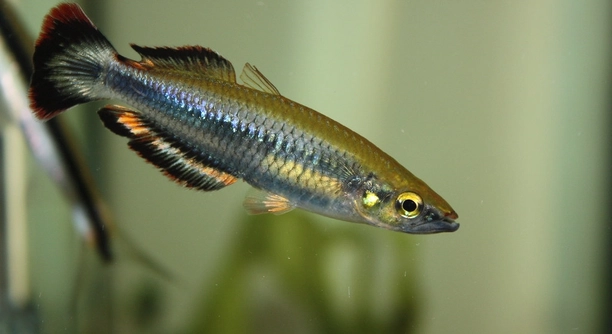
Is your rainbowfish showing subtle changes that leave you unsure about its comfort in the tank, and you want a clearer understanding of what those signs could mean for its overall wellbeing in your aquarium.
Stress in rainbowfish typically appears as color fading, erratic swimming, hiding, or reduced appetite, often caused by poor water quality, incompatible tankmates, or sudden environmental shifts. Addressing these factors promptly supports stable physiology, balanced behavior, and improved long term health.
Understanding these early signs allows you to respond with confidence, creating an environment that encourages your rainbowfish to thrive comfortably.
Sign 1: Faded or Dull Coloration
Color fading in a rainbowfish often appears slowly, creating a noticeable change in how bright and lively it looks in the tank. When stress develops, the body may lose its usual shine as the fish reacts to conditions that disrupt its comfort. Poor water quality, unstable temperature, or sudden changes in its surroundings can all influence this visual shift. A fish that once displayed strong hues may begin showing pale patches or an overall washed out look. This reaction often signals that its environment needs attention. Taking time to evaluate filtration, tank maintenance, and recent adjustments can help identify what might be disturbing your fish. Consistent care usually restores healthy color, giving your rainbowfish a calmer state and a more vibrant appearance. Keeping a close eye on these early changes allows you to respond before the stress becomes more serious and affects additional behaviors within the aquarium over a time.
Noticing dull coloration should prompt you to check water parameters, filtration, and recent changes right away, because early adjustments prevent further stress and help your rainbowfish regain stability, comfort, and a healthier appearance. Regular monitoring keeps conditions consistent and reduces issues that can develop when the environment shifts too quickly.
Color changes often appear before more intense behaviors emerge, making them a valuable indicator that your rainbowfish needs support. When color loss begins, it usually means the fish is responding to a stressor that has been building quietly in its environment. Stable parameters, gentle lighting, and consistent routines help strengthen its natural patterns. Cleaning the tank regularly and avoiding sudden alterations give your rainbowfish a calmer space to reestablish its brightness. Maintaining predictable care helps reinforce health, creating conditions that limit further stress. With steady attention, your fish can return to a vivid state that reflects a stable habitat again.
Sign 2: Erratic or Sluggish Swimming
Erratic or sluggish swimming often signals that your rainbowfish is experiencing stress triggered by unstable water parameters, aggressive tankmates, or sudden shifts in its surroundings, making it important to assess conditions quickly and restore a balanced environment that supports steady movement and calmer behavior in the aquarium each day overall.
Changes in swimming behavior are one of the clearest indicators that your rainbowfish is reacting to stress inside the aquarium. When movement becomes sharp, frantic, or noticeably slowed, the fish is attempting to cope with something that has disrupted its sense of balance and comfort. Poor water quality is often the most common factor, especially when ammonia or nitrite rises, because these substances irritate the gills and make steady swimming difficult. Incompatible tankmates can also create pressure by chasing or nipping, leaving the fish hesitant to move freely. Temperature swings add further strain by influencing metabolism and oxygen levels. Addressing these issues begins with checking water parameters carefully and correcting them with controlled adjustments rather than sudden changes. Ensuring peaceful tankmates and keeping the aquarium at a stable temperature also reduces unnecessary strain. Providing plants or gentle hiding spaces allows the fish to regain a sense of security while it recovers. Over time, steady care helps restore normal swimming patterns, giving your rainbowfish the stability it needs to feel safe and active. Paying attention to movement can prevent additional stress from developing, supporting better health and a calmer environment for your fish during its daily activities within the tank setting.
Sign 3: Hiding More Than Usual
Hiding more than usual often shows your rainbowfish is feeling stressed and trying to avoid disturbance in the tank. This behavior can appear suddenly when conditions shift or when tankmates create pressure. Consistent hiding should prompt a careful check of water quality, lighting, and overall comfort in the tank setup.
When your rainbowfish begins withdrawing into plants or decorations for long periods, it is responding to something that disrupts its sense of safety. Poor water quality, bright lighting, or aggressive tankmates can push it to retreat more often. Improving stability starts with checking ammonia, nitrite, and temperature to ensure they remain steady. Adjusting lighting to a softer level and offering gentle hiding places can reduce stress. Keeping the environment calm and predictable helps the fish regain comfort. Once conditions improve, your rainbowfish usually begins exploring again, showing more natural movement throughout the aquarium during the day in a steady pattern.
Hiding can also increase when the aquarium layout does not feel secure enough for your rainbowfish. Sparse decorations, strong currents, or frequent rearranging can make the fish feel exposed. Providing taller plants, stable structures, and a gentle flow creates safer spaces. Avoid changing the layout too often because consistency supports confidence. When the fish has predictable shelter, it becomes less dependent on hiding. Maintaining balanced water parameters reinforces this effect, giving your rainbowfish conditions that support healthier behavior. Over time, a stable setup encourages more open swimming and reduces the stress that leads to constant retreat into sheltered areas daily.
Sign 4: Reduced Appetite
Reduced appetite is a clear sign your rainbowfish is experiencing stress that affects its normal routine. When feeding interest declines, the fish may be reacting to poor water quality, recent changes, or pressure from tankmates. Addressing this issue quickly helps prevent further decline. Checking parameters, offering calm surroundings, and maintaining steady feeding times support healthier eating habits and help your rainbowfish regain stability in its environment during each day in a gentle consistent manner.
A decrease in appetite often develops when your rainbowfish is coping with conditions that strain its overall comfort. Poor water quality can irritate the gills and reduce the fish’s desire to eat, especially when ammonia or nitrite rises above safe levels. Aggressive tankmates may also cause hesitation during feeding, leaving the fish too intimidated to approach food. Improving conditions begins with steady water maintenance and ensuring peaceful companions. Offering smaller portions, gentle lighting, and a calm setting helps the fish feel secure enough to resume eating. Avoid sudden changes because predictable routines strengthen feeding confidence. With stable parameters and a quiet environment, your rainbowfish gradually rebuilds its appetite, showing steadier behavior and improved energy as its stress decreases each day in the tank setting with.
Sign 5: Clamped Fins
Clamped fins appear when your rainbowfish holds its fins tightly against its body, signaling discomfort linked to water issues, temperature shifts, or tank stress. This posture often indicates the fish is trying to conserve energy or cope with irritation in its environment.
When you see clamped fins, checking water parameters should be the first step. Poor quality or sudden changes can cause this behavior quickly. Ensuring peaceful tankmates and stable temperature also helps reduce tension. With steady care, your rainbowfish often returns to a more relaxed fin position.
Sign 6: Rapid Gill Movement
Rapid gill movement signals your rainbowfish is struggling with irritation or low comfort, often caused by poor oxygen levels, high ammonia, or sudden shifts in water temperature. When breathing becomes noticeably faster, the fish is reacting to conditions that strain its normal rhythm. Improving aeration, stabilizing temperature, and correcting water quality can ease this stress. Addressing these factors promptly helps your rainbowfish regain calmer breathing patterns and supports healthier activity, giving it a more stable environment that allows its natural behavior to return over time in a steady balanced manner.
Sign 7: Changes in Social Behavior
Changes in social behavior, such as avoiding the group or acting overly reactive, often indicate your rainbowfish is responding to stress in its environment. Stable water conditions, peaceful companions, and predictable routines help restore steady interaction and reduce tension in the tank.
FAQ
What causes sudden stress in rainbowfish?
Sudden stress in rainbowfish usually develops when conditions inside the tank shift too quickly for the fish to adjust. Rapid temperature changes, spikes in ammonia or nitrite, or a recent rearrangement of decorations can create tension. Even small adjustments can influence how a rainbowfish feels within its environment. When water quality declines, the fish begins showing signs that reflect irritation and discomfort. Maintaining stable parameters and avoiding quick changes helps reduce sudden stress. A consistent routine supports the fish’s ability to adapt without feeling overwhelmed. Regular testing, gentle cleaning, and predictable care keep conditions steady, giving your rainbowfish a calmer and more balanced space each day.
How can I improve my rainbowfish’s environment?
Improving the environment begins with stable water quality, steady temperature, and peaceful tankmates. A well maintained filter keeps the water clear, while regular partial water changes prevent harmful buildup. Gentle lighting helps the fish feel secure without overwhelming its vision. Adding tall plants, driftwood, and soft hiding places encourages natural movement and reduces tension. Avoiding strong currents keeps swimming comfortable and reduces unnecessary strain. Keeping the aquarium layout stable also supports confidence, because frequent rearranging can cause stress. When these elements remain steady, your rainbowfish feels more settled and begins displaying healthier behavior over time.
Why do rainbowfish become more sensitive to changes?
Rainbowfish are active and social fish, so their bodies respond quickly when something shifts in their environment. They rely on consistent water chemistry to maintain proper breathing, digestion, and energy levels. A small increase in ammonia or a quick temperature drop can influence these internal processes. Sensitivity often increases when stress has already begun, making the fish react even more noticeably to minor changes. Maintaining predictable care routines helps prevent sensitivity from escalating. When conditions stay balanced, the fish’s natural resilience improves, allowing it to handle daily variations without showing strong stress signals.
What signs show that my rainbowfish is improving?
Improvement usually appears gradually. The fish begins swimming more smoothly, displays brighter colors, and explores the tank with more confidence. Appetite often returns as stress decreases. Fins begin to relax, and hiding becomes less frequent. You may notice the fish interacting more naturally with the group, moving alongside others without hesitation. Breathing becomes steadier and less rapid. These signs reflect that conditions inside the aquarium have stabilized enough for the fish to regain comfort. Keeping the environment predictable encourages continued improvement, helping your rainbowfish maintain its healthier behavior over time.
How often should I check water parameters?
Checking parameters at least once a week helps prevent issues from building in the tank. If you notice early signs of stress, checking more frequently can be helpful. Ammonia and nitrite should remain at zero, while nitrate stays within a safe range. Temperature should remain stable, without sudden shifts. Testing regularly gives you a clearer picture of how your aquarium is functioning each day, allowing you to correct problems early. Consistency keeps your rainbowfish protected from sudden changes that lead to stress.
What should I do if stress continues even after adjustments?
If stress continues, reviewing each part of the tank setup helps identify what may still be causing discomfort. Check filtration, tankmates, lighting, and temperature stability again. Sometimes stress comes from more than one factor, and correcting each issue step by step creates better improvement. Offering calm surroundings, gentle hiding spaces, and reliable routines helps the fish settle. If stress persists after ensuring stable conditions, observing the fish closely for signs of illness is important, because health issues can sometimes mimic stress behavior. Addressing each concern steadily gives your rainbowfish the best chance to regain comfort and return to its normal patterns.
Final Thoughts
Caring for a rainbowfish becomes much easier when you understand how stress affects its behavior and overall comfort. These fish respond quickly to changes in their environment, so the small details inside the tank matter more than many people realize. Stable water quality, a steady temperature, and peaceful tankmates build the foundation for a healthy space. When these conditions remain predictable, your rainbowfish feels safer and shows more natural behavior. Paying attention to signs like color fading, hiding, rapid breathing, or reduced appetite helps you respond early before stress becomes a larger problem. Early awareness gives you the chance to make gentle adjustments that support long term stability. With consistent care, these fish regain confidence and settle into a calmer routine that reflects a balanced environment. As someone who enjoys keeping a peaceful aquarium, watching your rainbowfish thrive can feel incredibly rewarding. This sense of stability comes from simple habits practiced regularly and with patience.
A calm and steady habitat is one of the strongest tools you have to prevent ongoing stress. Rainbowfish depend on clear, clean water because their bodies react to even small chemical changes. Testing the tank weekly, performing partial water changes, and avoiding sudden fluctuations help the fish stay comfortable. Decorations and plants also influence their behavior, giving them shelter when they feel uncertain. A tank that includes tall plants, gentle hiding places, and open swimming space encourages natural movement. Avoiding sudden changes to the layout helps maintain predictability, which keeps stress levels low. Feeding routines add another layer of comfort, because predictable timing helps your rainbowfish settle into a normal rhythm. Slow, steady adjustments are always better than quick fixes, and giving the fish time to adapt supports healthier behavior over time. Each part of the tank works together to create an environment that suits the needs of these sensitive fish.
Observing your rainbowfish closely provides valuable insight into how well the tank is functioning. Their behavior reflects both comfort and discomfort, making them excellent indicators of tank health. When you notice early changes, taking action helps you avoid bigger issues later. Thoughtful care creates an environment where your rainbowfish can thrive, showing brighter color, smoother swimming, and more confident interaction with the group. As conditions improve, the entire tank becomes more harmonious, making your daily care feel purposeful and effective. With patience and consistent attention, you create a home where your rainbowfish can feel secure. This steady approach supports long term well being and allows your aquarium to remain a peaceful space that you enjoy watching each day.

Hello,
If you enjoy the content that we create, please consider saying a "Thank You!" by leaving a tip.
Every little bit helps us continue crafting quality advice that supports the health, happiness, and well-being of pets around the world, for pets of all shapes, sizes, and species.
We really appreciate the kindness and support that you show us!