
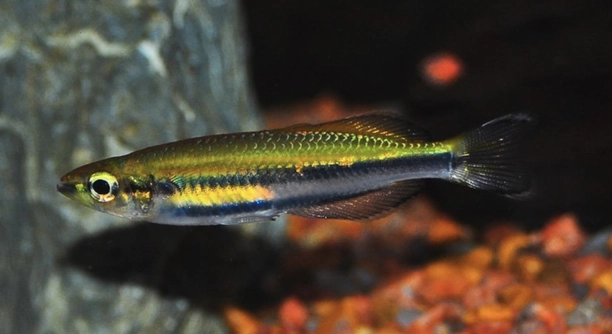
Have you ever watched a rainbowfish grow and noticed how quickly it changes color and size? These small, colorful fish bring life to aquariums and often leave owners wondering about their growth stages.
A rainbowfish typically reaches full maturity between 8 and 12 months of age. At this stage, they achieve their maximum size, develop vibrant coloration, and display adult behaviors such as territoriality and breeding readiness, indicating their complete growth cycle.
Knowing the signs of a fully grown rainbowfish can help you care for them properly and maintain a healthy, thriving aquarium environment.
Understanding Rainbowfish Growth Stages
Rainbowfish grow quickly in their first few months. Young rainbowfish, or fry, are tiny and often semi-transparent, making them delicate and requiring careful feeding. As they age, their colors start to appear, and their fins grow longer. Growth depends on proper nutrition, tank conditions, and water quality. A well-maintained tank encourages healthy development, while poor conditions can stunt growth or affect coloration. Monitoring size and behavior helps identify when they are moving from juvenile to sub-adult stages.
During the first six months, most rainbowfish will double or triple in size if conditions are ideal.
Providing a varied diet including high-quality flakes, frozen foods, and occasional live foods supports consistent growth. Water temperature should remain stable, and frequent partial water changes help reduce stress. Tank size also matters, as overcrowding can slow development. Observing social behaviors, such as schooling and mild aggression, can indicate when a fish is nearing adulthood, preparing for full maturation and breeding potential.
Signs a Rainbowfish is Fully Grown
Full-grown rainbowfish show bright, vivid colors and larger, well-developed fins.
Size, coloration, and behavior are the main indicators of maturity. Adults are usually longer than juveniles, often reaching their species-specific maximum length. They exhibit confident swimming patterns and interact more with tank mates. Recognizing these signs ensures proper care, feeding, and breeding readiness.
Factors Affecting Rainbowfish Growth
Nutrition plays a major role in rainbowfish growth. A varied diet with high-quality flakes, frozen foods, and occasional live foods ensures proper development. Poor feeding can slow growth and dull coloration, while consistent feeding helps fish reach full maturity faster.
Water quality directly impacts health and growth. Stable temperatures, clean water, and regular partial water changes reduce stress and prevent disease. Overcrowding slows growth as fish compete for food and space. Tank size should match the species’ adult size to allow proper swimming and development. Observing behavior alongside size and color changes helps track progress effectively.
Genetics and species type also influence growth rates. Some rainbowfish naturally grow larger or more slowly than others. Knowing the typical size and growth pattern of your species helps you set realistic expectations and adjust care accordingly. Environmental enrichment, such as plants and hiding spaces, supports healthy development by reducing stress and promoting natural behaviors.
Monitoring Health for Optimal Growth
Regular observation ensures rainbowfish remain healthy and reach full growth. Watch for consistent swimming, active feeding, and vibrant coloration.
Illness or stress can stunt growth or affect coloration. Maintaining clean water, balanced nutrition, and appropriate tank mates helps prevent these problems. Any sudden behavioral changes or physical signs of distress should be addressed immediately to avoid long-term impacts. Consistency in temperature and water parameters is essential.
Growth rates may vary even among fish in the same tank due to individual health or dominance hierarchies. Providing adequate space, hiding spots, and high-quality food reduces competition and supports uniform growth. Tracking size and color over time allows adjustments in care. Observing interactions between tank mates can reveal stress or aggression that may indirectly affect development. Overall, careful attention to daily behavior and environment ensures your rainbowfish reach their full potential safely and vibrantly.
Ideal Tank Conditions
Maintaining stable water temperature between 75–82°F helps rainbowfish grow steadily. Clean water with regular partial changes prevents stress and disease.
A tank size of at least 20 gallons is recommended for small species, while larger types need 40 gallons or more. Proper space encourages healthy swimming and growth.
Feeding Tips for Growth
Rainbowfish require a varied diet for optimal development. High-quality flakes, frozen foods, and occasional live foods provide essential nutrients. Overfeeding can cause water quality issues, while underfeeding slows growth. Consistent feeding schedules support metabolism and maintain vibrant coloration, ensuring fish reach full maturity.
Breeding Readiness
Full-grown rainbowfish display bright colors and elongated fins. These traits indicate they are ready for breeding.
Common Growth Challenges
Stress, poor water quality, and insufficient nutrition can stunt growth. Monitoring conditions and providing proper care reduces these issues.
FAQ
How long does it take for a rainbowfish to reach full size?
Rainbowfish generally reach full size between 8 and 12 months. Growth depends on species, genetics, and environmental conditions. Providing a stable tank, high-quality food, and proper water parameters helps fish develop at a steady rate. Some larger species may take slightly longer to reach maturity.
What is the average size of a fully grown rainbowfish?
The size varies by species. Most small rainbowfish reach 2–3 inches, while larger species can grow 4–6 inches. Observing the fish’s body proportions and fin development helps determine if it has reached adult size. Tank conditions and nutrition also influence final size.
How can I tell if my rainbowfish is fully grown?
A fully grown rainbowfish shows bright coloration, elongated fins, and adult behaviors like territoriality or courtship. Growth slows significantly once they reach this stage. Monitoring size changes and interactions with other fish provides clues about maturity. Adults swim confidently and occupy consistent areas of the tank.
Do male and female rainbowfish grow at the same rate?
Males often grow slightly larger and develop more vivid colors than females. Females usually have rounder bodies and shorter fins. These differences become more noticeable around 6–8 months, helping distinguish gender while assessing growth. Proper nutrition supports growth in both sexes.
Can tank size affect growth?
Yes. Overcrowded tanks limit swimming space and can slow growth. A minimum 20-gallon tank for small species and 40 gallons or more for larger species ensures adequate space. Proper filtration and water maintenance also prevent stress and support healthy development.
Does diet impact rainbowfish growth?
Absolutely. A varied diet including flakes, frozen foods, and occasional live foods supplies essential nutrients. Feeding once or twice daily in controlled portions prevents overfeeding and supports consistent growth. Balanced nutrition enhances color development and overall health.
Why is my rainbowfish not growing?
Slow growth can result from poor water quality, insufficient food, stress, or disease. Check temperature stability, tank cleanliness, and social interactions. Adjust diet and tank conditions, and isolate any aggressive or sick fish. Consistent care is key to reaching full growth potential.
When should I start breeding rainbowfish?
Breeding is best once rainbowfish are fully grown, around 8–12 months. Males display vivid colors, and females are mature enough to produce healthy eggs. Maintaining optimal water conditions and providing hiding spots increases breeding success. Monitor behavior to identify courtship readiness.
Can stress affect growth?
Yes. Stress from aggressive tank mates, sudden water changes, or poor environment can stunt growth and dull coloration. Reduce stress by providing hiding spots, maintaining stable conditions, and keeping compatible fish together. Stress-free fish develop faster and maintain vibrant colors.
How often should I monitor growth?
Observing size, color, and behavior weekly helps track development. Record changes to ensure growth is consistent. Quick intervention when issues arise, such as illness or water problems, prevents long-term stunting. Careful monitoring supports a healthy, fully grown rainbowfish population.
Is it normal for rainbowfish to continue growing after one year?
Growth slows after the first year, but some species may gain minor size increases. Full coloration and fin development usually indicate maturity. Continued care with balanced diet and clean water ensures that any additional growth occurs healthily.
Do genetics play a role in rainbowfish size?
Yes. Some species or individual lineages naturally grow larger or smaller. Even with ideal care, genetic limits define maximum size. Knowing your species’ typical growth helps set realistic expectations for tank planning and feeding schedules.
Can water temperature influence growth rate?
Water temperature affects metabolism and activity. Keeping it within the recommended range of 75–82°F encourages steady growth. Sudden fluctuations or prolonged exposure to temperatures outside this range can slow growth and stress the fish. Stable conditions are essential for healthy development.
How can I support healthy fin and color development?
A balanced diet, clean water, and a stress-free environment promote strong fins and vibrant colors. Providing plants and hiding spots reduces stress and encourages natural behaviors. Regular observation allows early detection of fin damage or color fading, so adjustments can be made quickly.
Are there signs of stunted growth in rainbowfish?
Yes. Small size compared to tank mates, faded coloration, short or damaged fins, and reduced activity indicate stunted growth. Addressing water quality, diet, and stress factors often reverses or prevents further issues, helping fish reach full potential.
Final Thoughts
Rainbowfish are small, colorful fish that bring life to any aquarium. Watching them grow can be very satisfying, especially when you see their colors become more vibrant and fins fully develop. Understanding when a rainbowfish is fully grown is important because it helps you care for them properly. Full-grown rainbowfish are usually 8 to 12 months old, depending on the species, and they show adult behaviors such as territorial swimming and, in males, courtship displays. Their size, coloration, and behavior are clear signs that they have reached maturity. Paying attention to these changes ensures that you provide the right environment and nutrition at every stage of their life.
Growth in rainbowfish depends on several factors, including diet, water quality, and tank size. Feeding a varied diet with high-quality flakes, frozen foods, and occasional live foods supports steady development. Water conditions, such as stable temperature, clean water, and regular partial changes, are also critical for healthy growth. A tank that is too small or overcrowded can slow their development, while sufficient swimming space allows them to grow naturally. Observing behavior and size over time can help you determine if your fish are developing properly. Stress from aggressive tank mates or poor conditions can slow growth and affect color, so providing a calm, balanced environment is essential for fully grown, healthy rainbowfish.
Monitoring your rainbowfish closely over time allows you to make adjustments when needed. Noticing small changes in color, behavior, or size can help prevent problems before they become serious. Once rainbowfish reach full maturity, their care needs may shift slightly, such as preparing for potential breeding or maintaining their vibrant colors with a balanced diet. Genetics also play a role in final size and growth rate, so each fish may reach maturity at a slightly different pace. By understanding their growth patterns and providing consistent care, you can ensure your rainbowfish remain healthy, active, and colorful for years to come, creating a lively and enjoyable aquarium environment.

Hello,
If you enjoy the content that we create, please consider saying a "Thank You!" by leaving a tip.
Every little bit helps us continue crafting quality advice that supports the health, happiness, and well-being of pets around the world, for pets of all shapes, sizes, and species.
We really appreciate the kindness and support that you show us!