
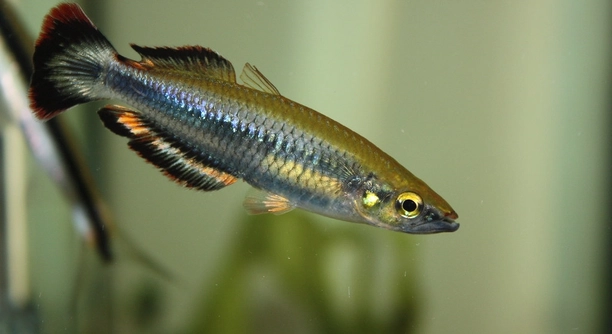
Rainbowfish are colorful, active fish that bring life to any aquarium. Many fish owners enjoy watching them, but it can be frustrating when they don’t seem to grow as expected, despite proper care and attention.
One of the main reasons rainbowfish fail to reach their full size is inadequate water quality, improper diet, or insufficient space. Stressful environments and incompatible tank mates can also slow growth, highlighting the importance of maintaining balanced conditions and nutrition for healthy development.
Identifying the factors affecting your rainbowfish’s growth can help you make the right changes. The following tips and fixes will guide you toward creating a thriving environment for your fish.
Poor Water Quality
Water is the foundation of a healthy aquarium, and rainbowfish are sensitive to changes in their environment. High levels of ammonia, nitrites, or nitrates can stress your fish, slowing their growth and affecting their overall health. Even small fluctuations in pH or temperature can have noticeable effects. Many owners focus on feeding and tank decoration but overlook regular water testing and partial water changes. Routine maintenance ensures toxins don’t accumulate and the water remains clear and stable. Using a reliable water test kit helps you track key parameters like ammonia, nitrite, nitrate, and pH. Changing 20–30% of the water weekly can maintain stability, reducing stress and supporting proper development. Filtration also plays a critical role, removing debris and chemicals that can harm rainbowfish. Keeping the filter clean without disturbing beneficial bacteria is essential. With consistent care and monitoring, your rainbowfish can grow steadily and display their full, vibrant colors over time.
Regular testing and partial water changes prevent stress and promote healthy growth. Consistent maintenance is key for a stable environment.
Maintaining water quality goes beyond weekly checks. Temperature should match the species’ natural range, and any sudden shifts should be avoided. Avoid overfeeding, as leftover food increases ammonia and nitrate levels. Consider adding live plants or aeration to improve oxygen levels. Keep compatible tank mates and avoid overcrowding to reduce stress. Watching the fish for unusual behavior or sluggishness can provide early signs of water problems. Healthy water encourages appetite and activity, which directly affects growth. Regular cleaning of the tank substrate and decorations prevents toxins from building up. When water conditions are stable, rainbowfish spend more energy on swimming and feeding, which translates to better growth rates. Adjusting your care routine slightly, such as scheduling water changes on the same day each week, helps establish a reliable environment. Over time, consistent water quality management will not only support size but also enhance coloration and vitality, resulting in happy, thriving fish.
Inadequate Diet
A balanced diet is essential for rainbowfish to reach their potential size. Feeding only flakes or one type of food can leave them lacking vital nutrients.
Rainbowfish require high-quality protein, vitamins, and minerals for healthy development. Feeding a mix of live, frozen, and dry foods ensures a well-rounded diet.
Varying their diet can include brine shrimp, daphnia, or bloodworms, which promote growth and activity. Vegetables like blanched spinach or zucchini provide fiber and essential nutrients. Avoid overfeeding, as excess food can pollute the tank, but underfeeding slows growth. Feeding smaller portions multiple times a day allows fish to consume nutrients without overwhelming the water. Watching how the fish eat helps gauge appetite and adjust feeding amounts. Proper nutrition strengthens immunity, supports organ development, and encourages vibrant colors. Over time, a consistent, varied diet ensures your rainbowfish grows steadily while remaining active and healthy. Regularly introducing new food types also reduces boredom and stimulates natural hunting behaviors, keeping the fish engaged and thriving.
Overcrowded Tank
Overcrowding can stress rainbowfish, reducing their growth rate. Too many fish in a tank increases competition for food and oxygen, and raises waste levels, all of which negatively affect their development.
A tank that is too crowded limits swimming space, which is essential for rainbowfish to exercise and build muscle. Stress from constant competition and lack of hiding spots can weaken their immune system, making them more susceptible to illness. Overcrowding also causes uneven access to food, with dominant fish often eating more while others remain underfed. Maintaining a proper stocking ratio ensures each rainbowfish has enough space to swim freely and grow properly. Ideally, allow one inch of fish per gallon, adjusting for species activity and size. Providing ample plants or decorations can create territories, reducing aggression and stress. Regularly assessing tank population and considering rehoming or larger tanks can prevent growth issues linked to overcrowding.
Proper tank space and reduced stress allow rainbowfish to feed better and develop naturally. A balanced environment supports consistent growth and overall health.
Creating a suitable environment involves more than just reducing numbers. Adequate filtration is necessary to handle waste in a properly stocked tank. Aeration improves oxygen levels, especially in warmer water where oxygen can drop. Observing fish behavior helps identify stress caused by overcrowding, such as hiding or fin-nipping. Adding plants or decorations provides visual barriers, helping shy fish feel safe while giving active fish room to explore. Consistent cleaning of the substrate prevents waste buildup, supporting water quality. Monitoring tank population and growth regularly ensures that each rainbowfish receives sufficient nutrition and space. By addressing overcrowding proactively, you encourage proper growth, vibrant coloration, and long-term health for all fish in the aquarium.
Incompatible Tank Mates
Rainbowfish may struggle to grow if they share a tank with aggressive or overly large species. Stress and harassment from other fish can limit feeding opportunities and stunt development.
Incompatible tank mates can chase or nip at rainbowfish, causing physical injuries and constant stress. Stress elevates cortisol levels, which slows metabolism and reduces appetite, directly impacting growth. Fish that are frequently intimidated may hide for extended periods, missing feeding times. Even seemingly calm species can create tension if space is limited or personalities clash. Selecting peaceful, similar-sized fish ensures rainbowfish can eat freely and swim without fear. Observing interactions over time helps identify subtle aggression or dominance issues that might go unnoticed initially. Choosing species with compatible swimming speeds, temperaments, and habitat needs supports a stable, low-stress environment, allowing rainbowfish to grow consistently.
Maintaining compatible tank mates also promotes social behavior and reduces disease risk. Peaceful environments let rainbowfish focus on feeding and swimming, which improves growth and vitality.
Monitoring fish interactions closely is key to preventing stress-related growth problems. Avoid species known to be territorial or aggressive, and consider adding hiding spots to reduce conflict. Fast-swimming, boisterous fish may outcompete rainbowfish for food, leading to uneven growth. Adjusting stocking density, tank layout, or separating problematic species can restore balance. Even minor changes, like rearranging decorations or adding floating plants, can reduce stress and aggression. Ensuring compatibility improves feeding success, encourages natural activity, and supports overall health. When rainbowfish feel secure and unthreatened, they can focus energy on eating and developing, which results in stronger, healthier fish.
Insufficient Lighting
Rainbowfish need proper lighting to maintain healthy growth. Poor or inconsistent lighting can affect their metabolism, activity levels, and even appetite, slowing their development.
Providing a regular day-night cycle helps fish establish routines. Too little light may cause them to eat less and become less active, affecting overall health.
Temperature Fluctuations
Rainbowfish are sensitive to water temperature changes. Sudden drops or spikes in temperature can stress the fish, slow growth, and make them more prone to disease. Maintaining a consistent temperature within the species’ preferred range supports metabolism and encourages regular feeding and activity.
Lack of Hiding Spots
A tank without sufficient hiding areas increases stress for rainbowfish. Stress can stunt growth and reduce their willingness to explore or feed properly. Providing plants, rocks, or decorations creates safe spaces where fish feel secure and are less likely to be harassed by tank mates.
How often should I change the water in my rainbowfish tank?
Changing water regularly is essential for rainbowfish health. A 20–30% water change once a week helps remove accumulated waste and keeps ammonia, nitrite, and nitrate levels low. More frequent changes may be needed in crowded tanks or if you feed heavily. Always treat tap water with a dechlorinator to make it safe for fish.
What is the ideal temperature for rainbowfish?
Rainbowfish thrive in temperatures between 74°F and 82°F (23°C–28°C). Sudden temperature changes can stress them, reduce appetite, and slow growth. Using a reliable heater and thermometer ensures stability. Avoid placing the tank near drafts, direct sunlight, or air conditioners, which can cause fluctuations.
How can I tell if my rainbowfish is stressed?
Signs of stress include hiding for long periods, clamped fins, reduced appetite, or erratic swimming. Stress often results from poor water quality, aggressive tank mates, or insufficient hiding spots. Addressing these factors promptly improves their health and growth potential.
What should I feed rainbowfish for optimal growth?
A varied diet is essential. High-quality flakes, pellets, live foods like brine shrimp, and frozen options like bloodworms provide balanced nutrition. Adding blanched vegetables such as zucchini or spinach adds fiber and vitamins. Feed small portions multiple times a day to prevent overfeeding and water pollution.
How many rainbowfish should I keep in a tank?
Stocking depends on tank size, but a general guideline is one inch of fish per gallon of water. Overcrowding causes stress, increases waste, and limits swimming space, all of which can stunt growth. Providing a spacious tank with hiding spots reduces aggression and ensures healthier, faster-growing fish.
Can tank decorations affect my rainbowfish’s growth?
Yes. Lack of hiding spots increases stress, while too many decorations can limit swimming space. Use plants, rocks, or driftwood to create shelters and territories. This reduces aggression, encourages natural behavior, and supports healthy growth and development.
Why is my rainbowfish not showing bright colors?
Dull coloration often indicates stress, poor nutrition, or inadequate lighting. Ensuring a balanced diet, stable water conditions, and proper lighting encourages vibrant colors. Social interactions and tank environment also influence pigmentation; rainbowfish display their best colors when they feel secure and healthy.
Do rainbowfish grow faster in larger tanks?
Yes, providing ample space allows for exercise, reduces stress, and ensures equal access to food. Crowded tanks limit movement and cause competition, which can slow growth. Larger tanks with proper filtration and environmental enrichment support healthier, more active fish that develop at their full potential.
How can I prevent disease in rainbowfish?
Maintaining clean water, avoiding overcrowding, and providing a balanced diet are key. Quarantine new fish before adding them to the main tank. Monitor for signs of illness, such as clamped fins, spots, or abnormal behavior, and act quickly to isolate and treat affected fish.
Can tank mates affect growth?
Yes. Aggressive or fast-eating species can intimidate rainbowfish or outcompete them for food. Choosing peaceful, similarly sized species ensures rainbowfish can feed without stress. Observing interactions and adjusting stocking or tank layout supports a safe, low-stress environment for healthy growth.
How important is water testing?
Regular water testing is critical. Testing for ammonia, nitrites, nitrates, and pH ensures a stable, safe environment. Sudden changes in water chemistry can stress rainbowfish, reduce appetite, and slow growth. Using test kits weekly helps maintain optimal conditions and prevents long-term health issues.
Can lighting influence rainbowfish health?
Yes, lighting affects activity, metabolism, and feeding. Provide a consistent day-night cycle of 10–12 hours of light daily. Avoid too dim or excessively bright conditions, as both can stress fish and reduce appetite. Proper lighting also enhances coloration and encourages natural behaviors that support growth.
Is overfeeding harmful?
Overfeeding leads to water pollution, elevated ammonia and nitrate levels, and obesity in fish. Feed small amounts they can finish within a few minutes, two to three times a day. Underfeeding is also harmful, so aim for balanced portions that meet nutritional needs without excess waste.
How long does it take for rainbowfish to reach full size?
Growth rates vary by species, diet, water quality, and tank conditions. Typically, rainbowfish reach full size within 6–12 months. Consistent care, proper nutrition, and low-stress environments support steady growth and help them achieve vibrant colors and healthy body development.
What are the common mistakes that slow growth?
Common mistakes include poor water quality, inadequate diet, overcrowding, incompatible tank mates, improper lighting, and temperature fluctuations. Addressing these issues promptly ensures rainbowfish remain healthy and grow at their expected rate. Regular observation and adjustments prevent long-term growth problems and stress-related illnesses.
Taking care of rainbowfish requires attention to several key factors that directly affect their growth and overall health. Water quality is one of the most important aspects, as these fish are sensitive to changes in their environment. Regular water testing and partial water changes help maintain stable conditions, which reduces stress and allows the fish to thrive. Temperature stability is also crucial, as sudden fluctuations can slow metabolism and reduce appetite. A consistent day-night cycle with proper lighting supports natural behaviors and encourages feeding, which in turn helps them grow steadily. By focusing on these foundational aspects, you create a reliable environment that supports healthy development and vibrant coloration.
Nutrition plays an equally important role in ensuring rainbowfish reach their potential size. A balanced diet that includes flakes, pellets, live foods, frozen foods, and some vegetables provides the essential nutrients they need. Overfeeding can pollute the water and cause health issues, while underfeeding can slow growth, so monitoring portion sizes and feeding frequency is necessary. Variety in the diet also stimulates natural hunting and foraging behavior, which keeps the fish active and engaged. Observing their eating habits can help identify which foods are most effective for growth, and small adjustments to feeding routines can make a noticeable difference over time. When rainbowfish receive consistent, nutritious meals in a well-maintained tank, they grow faster, develop better colors, and remain more active.
Tank setup and social environment also influence growth. Overcrowding limits swimming space, increases competition for food, and raises stress levels, all of which can stunt development. Providing hiding spots such as plants, rocks, or decorations reduces stress and gives each fish a safe area to retreat to if needed. Incompatible tank mates can further slow growth, as aggressive or fast-moving species may intimidate rainbowfish or prevent them from feeding properly. Careful planning of stocking density, tank mates, and the overall layout ensures a peaceful environment where rainbowfish can swim freely, feed without fear, and develop naturally. When all these factors are managed consistently, rainbowfish can grow at their expected rate, stay healthy, and display their full range of colors, making the aquarium a more enjoyable and vibrant space.

Hello,
If you enjoy the content that we create, please consider saying a "Thank You!" by leaving a tip.
Every little bit helps us continue crafting quality advice that supports the health, happiness, and well-being of pets around the world, for pets of all shapes, sizes, and species.
We really appreciate the kindness and support that you show us!