
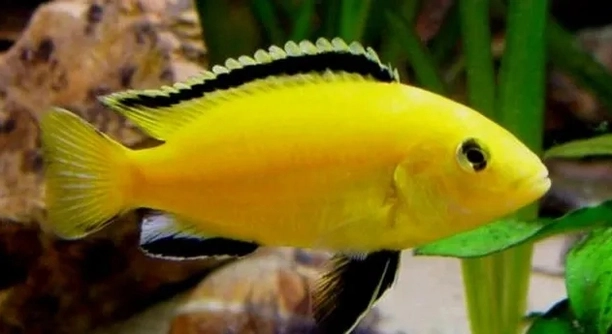
Gill health is vital for fish and aquatic pets, as it directly affects their breathing and overall well-being. Observing subtle changes early can prevent serious complications and maintain a healthy aquatic environment for them.
Early indicators of gill trouble include discoloration, swelling, frayed edges, mucus buildup, labored breathing, reduced activity, and unusual behavior. Recognizing these signs promptly allows for timely intervention, minimizing stress and supporting recovery, which is critical for the animal’s survival and overall health.
Monitoring these signs regularly helps ensure your aquatic pets remain healthy and active. Small observations can make a significant difference in their long-term care.
Discoloration of Gills
Gills that lose their normal pink or red color can signal an underlying health problem. Pale gills may indicate poor oxygen levels or anemia, while darker or brownish gills can suggest infection or toxins in the water. Noticing these changes early is important because gills are responsible for oxygen exchange, and any impairment can affect the fish’s ability to breathe properly. Maintaining good water quality and monitoring oxygen levels regularly can help prevent discoloration. Nutritional deficiencies may also impact gill color, so a balanced diet is crucial. Some fish naturally have slight variations in gill color, but sudden changes are always worth attention. Keeping a journal of observations can help track any shifts over time, making it easier to detect problems before they become severe. Prompt action and consultation with a vet or aquatic specialist can save lives.
Discolored gills often indicate immediate stress or illness. Timely observation is key to preventing further damage.
Even if the fish appears active, pale or dark gills should not be ignored. Oxygen levels and water quality can fluctuate quickly, and symptoms can worsen rapidly. Acting early by testing water, adjusting filtration, and providing proper nutrition supports recovery.
Swelling and Frayed Edges
Swelling along the gill filaments or frayed edges can indicate physical damage or infection.
Swollen gills restrict breathing and are often caused by bacterial or parasitic infections. Regular inspections and clean tanks reduce the risk significantly.
Frayed or torn gills are often linked to poor water conditions, including high ammonia or nitrite levels. Physical trauma from tank decorations or aggressive tank mates may also contribute. Maintaining proper filtration and avoiding overcrowding helps prevent these issues. When infections are suspected, medicated water treatments under professional guidance can be effective. Keeping water parameters stable, ensuring adequate oxygenation, and minimizing stress allow gills to heal. Observing fish behavior alongside physical symptoms provides a fuller picture of gill health. Prompt attention ensures that minor swelling does not progress into more serious respiratory distress or systemic infection. Consistent care and monitoring will support the long-term well-being of aquatic pets.
Mucus Buildup
Excess mucus on gills often signals irritation or infection. It can make breathing difficult and trap harmful bacteria.
Mucus buildup usually occurs in response to poor water quality, parasites, or bacterial infections. Filtration issues, high ammonia, or nitrite levels can trigger this condition. Some species naturally produce more mucus, but sudden increases are a warning sign. Observing fish regularly helps identify problems early. Addressing water parameters and maintaining cleanliness are essential steps to reduce stress and prevent further complications.
Treating mucus buildup often requires improving water conditions and, in some cases, using medications recommended for gill infections. Removing debris, checking pH levels, and maintaining stable temperature supports recovery. Stress reduction, such as minimizing handling and avoiding aggressive tank mates, helps gills return to normal function. Consistency in care is key, as recurring mucus buildup can indicate chronic stress or underlying illness.
Labored Breathing
Labored breathing appears as rapid gill movement or gasping at the surface, indicating oxygen stress.
Fish may breathe heavily when gills are damaged or oxygen levels are low. Poor water circulation, overcrowding, or debris can reduce oxygen availability. Observing changes in breathing patterns allows early detection. Maintaining aeration, filtration, and water movement is critical to support normal respiration.
Chronic labored breathing often points to long-term environmental issues or persistent infections. Poor water quality, high ammonia, and parasite infestations all contribute. Addressing these problems involves regular water testing, partial water changes, and ensuring tanks are not overstocked. Adding an air stone or increasing surface agitation can improve oxygenation immediately. Medications or treatments may be necessary if infection or parasites are present. Monitoring breathing patterns daily helps ensure timely intervention, preventing deterioration. Consistent care and attention allow fish to regain normal respiratory function and reduce stress.
Reduced Activity
Reduced activity is often one of the first visible signs of gill trouble. Fish may swim less or hide more than usual.
Lethargy can result from difficulty breathing or low oxygen absorption due to gill issues. Monitoring energy levels alongside other symptoms helps identify problems early. Maintaining stable water conditions supports overall vitality.
Unusual Behavior
Unusual behavior, such as erratic swimming or staying near the surface, often signals discomfort. Gill stress or infection can cause these changes, as fish attempt to compensate for breathing difficulties. Promptly observing and correcting water parameters helps prevent further health decline.
Flaring Gills
Flaring gills, where the gill covers repeatedly open and close, indicate stress or labored breathing. Immediate attention to oxygen levels and water quality can relieve strain and support recovery.
FAQ
What causes gill discoloration in fish?
Gill discoloration is usually caused by poor water quality, low oxygen levels, or infections. Pale gills can indicate anemia or oxygen deprivation, while darker or brownish gills often point to bacterial or parasitic infections. Consistent water testing and maintaining proper oxygenation help prevent these issues.
How can I tell if my fish has gill swelling?
Swelling along the gill filaments appears as puffiness or thickened tissue. Frayed or torn edges often accompany swelling. Poor water quality, physical trauma, and infections are common causes. Observing fish daily and correcting water parameters early can prevent serious respiratory problems.
Why is mucus buildup on gills dangerous?
Excess mucus makes it harder for fish to breathe and can trap harmful bacteria. It usually results from irritation, poor water conditions, or infections. Cleaning the tank, maintaining proper filtration, and monitoring pH and ammonia levels are essential for reducing mucus production.
What does labored breathing indicate?
Rapid gill movement or gasping at the surface signals oxygen stress or gill damage. Low oxygen levels, overcrowding, and debris accumulation often cause labored breathing. Ensuring proper aeration, filtration, and partial water changes are crucial to restore normal respiration.
How do gill problems affect fish activity?
Gill issues reduce oxygen intake, leading to lethargy and less swimming. Fish may hide or remain near the tank bottom. Monitoring energy levels and behavior can help identify early gill trouble before it escalates. Maintaining stable water conditions supports overall vitality.
What are the signs of unusual behavior related to gill trouble?
Erratic swimming, staying near the surface, or rapid movements can indicate stress caused by gill irritation or infections. Fish may attempt to compensate for oxygen difficulties. Observing behavior alongside physical symptoms allows for early intervention. Correcting water quality and oxygen levels is critical.
Can diet affect gill health?
Yes, nutrition influences gill function. Deficiencies in essential vitamins and minerals can weaken immune response and gill tissue. Providing a balanced diet tailored to the species helps maintain healthy gills, reduces stress, and supports recovery from minor issues.
How often should I check my fish for gill problems?
Daily observation is recommended. Look for changes in color, movement, breathing, or mucus buildup. Regular inspection helps catch problems early, allowing for quick corrective measures before infections or environmental issues worsen.
What steps should I take if I notice gill trouble?
Test water quality immediately, including ammonia, nitrite, nitrate, and pH levels. Correct imbalances through partial water changes and improved filtration. Reduce stress by removing aggressive tank mates and adjusting tank conditions. If symptoms persist, consult a vet or aquatic specialist for medication or treatment.
Are some fish more prone to gill problems than others?
Certain species, especially delicate or tropical fish, are more sensitive to water quality and oxygen fluctuations. Coldwater species can also develop gill issues if oxygen levels drop. Tailoring care to the species’ specific needs helps prevent complications and promotes overall health.
Can gill infections be treated at home?
Mild bacterial or parasitic infections may respond to medicated water treatments. Improving water conditions, reducing stress, and providing supportive care are essential. Severe infections require professional guidance. Early detection increases the chances of recovery and minimizes long-term damage.
How does tank maintenance impact gill health?
Consistent cleaning, regular water changes, and proper filtration prevent buildup of toxins that irritate gills. Avoid overcrowding and sharp decorations to reduce physical damage. Maintaining stable water parameters is the most effective way to ensure healthy gills and overall well-being.
What is the role of oxygen in gill function?
Oxygen is absorbed through gill filaments. Low oxygen levels force fish to work harder to breathe, which can lead to stress, weakened immunity, and further gill damage. Ensuring adequate aeration and surface agitation keeps oxygen levels sufficient for all tank inhabitants.
How quickly can gill problems worsen?
Gill issues can progress rapidly, especially in poor water conditions. Minor discoloration or swelling can escalate to severe respiratory distress within days. Prompt action, including water correction and monitoring, is necessary to prevent permanent damage or death.
Can stress alone cause gill problems?
Stress weakens the immune system and makes fish more susceptible to infections and irritation. Common stressors include overcrowding, poor water quality, and aggressive tank mates. Reducing stress helps maintain gill function and overall health.
Are there preventive measures for gill health?
Yes. Regular water testing, balanced nutrition, proper filtration, and monitoring fish behavior are key. Avoiding overcrowding, minimizing stress, and providing species-specific care supports gill health and reduces the risk of infections or complications.
How do I know if gill treatment is working?
Signs of improvement include normalized breathing, reduced swelling, decreased mucus buildup, and return to normal activity. Water quality must remain stable, and ongoing observation ensures recovery continues without relapse. Patience and consistent care are essential.
What long-term effects can unresolved gill issues have?
Chronic gill problems can lead to permanent damage, decreased growth, weakened immunity, and shortened lifespan. Fish may struggle to compete for oxygen and food, making them vulnerable to additional health problems. Early detection and care are crucial to prevent long-term consequences.
Can environmental toxins affect gills?
Yes. Chemicals, heavy metals, and pollutants in water can irritate or damage gill tissues. Even trace amounts can reduce oxygen absorption and weaken immunity. Regular monitoring of water sources and tank safety prevents exposure and protects gill health.
How do I balance multiple factors affecting gills?
Maintaining water quality, proper diet, stress reduction, and disease prevention together ensures optimal gill function. Observing behavior, physical signs, and oxygen levels consistently allows early intervention and supports long-term health for all fish in the tank.
Final Thoughts
Gill health is one of the most important aspects of caring for aquatic pets. Healthy gills allow fish to breathe efficiently, absorb oxygen, and maintain energy levels needed for daily activity. Observing gill condition regularly provides insight into overall well-being. Changes in color, swelling, frayed edges, or mucus buildup are early indicators that something may be wrong. Noticing these signs quickly allows for timely action before problems worsen. Maintaining proper water quality is essential, as ammonia, nitrites, and pH fluctuations are common causes of gill stress. Ensuring good filtration, adequate oxygenation, and consistent monitoring of water parameters supports gill function and prevents many health issues. Even minor changes in behavior or appearance can signal underlying problems, so paying close attention is crucial.
Preventive measures are often the most effective way to protect gills. A balanced diet provides the nutrients necessary for healthy tissue and immune support. Avoiding overcrowding, minimizing stress, and providing a safe environment reduce the likelihood of infections or physical damage. Regular inspections and keeping a log of observations can help identify trends or recurring issues. If gill problems arise, early intervention is key. Addressing water quality, reducing stressors, and, when necessary, using appropriate treatments can make a significant difference in recovery. Fish can recover from mild gill issues when conditions improve, but prolonged neglect can lead to chronic problems or even death. Being proactive rather than reactive ensures fish remain healthy and active for longer.
Consistency and attentiveness form the foundation of good aquatic care. Even small adjustments, like increasing aeration, removing debris, or adjusting feeding routines, can improve gill function and overall health. Fish cannot communicate discomfort in ways humans easily understand, so careful observation is the primary way to ensure they are thriving. Taking the time to monitor breathing patterns, behavior, and physical signs allows for early detection of gill trouble and other health concerns. Providing a stable environment, avoiding sudden changes, and maintaining regular maintenance routines reduce stress and support resilience. In summary, attention to detail, preventive care, and prompt action create the conditions needed for strong, healthy gills and a healthier aquatic habitat overall.

Hello,
If you enjoy the content that we create, please consider saying a "Thank You!" by leaving a tip.
Every little bit helps us continue crafting quality advice that supports the health, happiness, and well-being of pets around the world, for pets of all shapes, sizes, and species.
We really appreciate the kindness and support that you show us!