
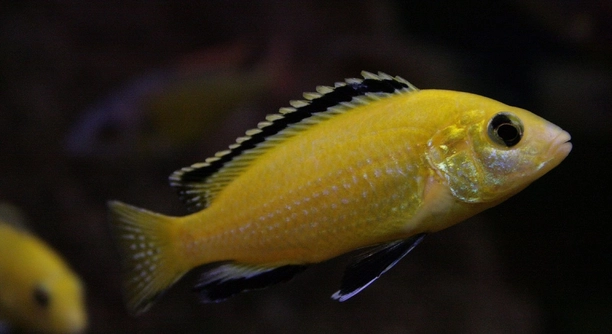
Some dominant fish in home aquariums sometimes choose to spend time alone, away from their tank mates. This behavior can seem unusual, but it is often a natural way for them to assert control or protect themselves.
Dominant fish may isolate due to territorial instincts, stress from overcrowding, illness, changes in water conditions, mating behavior, hierarchical disputes, or environmental enrichment deficiencies. Recognizing these reasons can help maintain a balanced and healthy aquarium ecosystem.
Understanding why a fish withdraws can improve how you manage your tank. Observing their behavior closely helps ensure both social harmony and individual well-being.
Territorial Instincts
Dominant fish often establish clear territories within an aquarium, staking out areas they consider their own. These boundaries help reduce conflicts and provide a safe space where the fish can eat, rest, and patrol without interference. Territorial behavior is especially common in species that are naturally aggressive or protective. Even in a shared tank, a dominant fish may claim a corner, decoration, or hiding spot as its personal area. This behavior can intensify if the tank is small or if there are many fish, leading to increased isolation. Observing their interactions carefully can reveal which areas are contested and which are respected by other fish. Providing sufficient space and hiding spots for all tank inhabitants can minimize stress and reduce the need for prolonged isolation. Maintaining a proper balance of fish size and species also helps dominant fish feel secure without excessive territorial disputes.
Territorial behavior is not a sign of poor care but a natural expression of dominance and instinct in many fish species.
Creating distinct zones and ensuring the tank is spacious enough allows both dominant and submissive fish to coexist peacefully, reducing tension and promoting healthier interactions over time.
Stress and Environmental Changes
Environmental stress can lead a dominant fish to withdraw. Sudden changes in water temperature, pH, or lighting may cause anxiety, prompting isolation.
Stress impacts both behavior and health, often resulting in reduced activity or hiding. Monitoring water quality and maintaining consistency can help fish feel secure.
Even subtle changes in the tank can trigger isolation. Adding new fish, rearranging decorations, or introducing strong currents may cause dominant fish to retreat. Observing how they respond to changes helps identify triggers and prevent long-term stress. Maintaining stable water parameters, using gentle filtration, and keeping a consistent feeding routine are essential steps to reduce anxiety. Providing hiding spots like caves or plants gives fish a safe refuge while still allowing them to observe their surroundings. When a dominant fish feels secure, it is more likely to resume normal social interactions and assert its role without isolating excessively. This balance supports both individual well-being and the overall harmony of the aquarium community.
Illness or Injury
When a dominant fish is sick or injured, it often isolates to recover without interference. Hiding helps reduce stress and exposure to aggressive tank mates. Signs such as clamped fins, lethargy, or loss of appetite often accompany this behavior, indicating the need for careful observation and care.
Illness or injury can significantly impact a fish’s behavior. Parasites, bacterial infections, or physical injuries may force a fish to withdraw from social interactions. Isolation provides a safer environment to heal, away from competition and harassment. Ensuring clean water, maintaining proper nutrition, and monitoring symptoms are essential steps. Quick intervention can prevent minor issues from becoming severe. Observing how the fish moves, breathes, and responds to stimuli can reveal whether the isolation is temporary or requires treatment. Providing a calm environment with minimal disturbances encourages recovery.
Recovery periods vary depending on the severity of the condition. Some dominant fish return to their usual behavior quickly, while others may need extended isolation. Maintaining water quality and providing gentle care are crucial. If multiple fish are affected, checking overall tank conditions, including filtration, temperature, and pH, helps prevent recurring problems. Separating the affected fish temporarily can also reduce stress, giving it space to recuperate fully. Over time, a healthy fish will reassert dominance and reintegrate into the social structure of the aquarium, demonstrating resilience and adaptability.
Hierarchical Disputes
Dominant fish may isolate during conflicts over social ranking. These disputes establish pecking order and reduce ongoing fights once roles are clear. Withdrawal is a temporary strategy to avoid injury while asserting dominance.
Conflicts over hierarchy are common in tanks with multiple strong personalities. Dominant fish may chase, nip, or intimidate others to reinforce their position. Isolating themselves allows them to monitor interactions without engaging constantly. This behavior prevents exhaustion and reduces stress, maintaining a stable social structure. Observing tank interactions can help identify tension points, such as areas with frequent skirmishes or fish that are consistently bullied. Adjusting tank layout and ensuring sufficient space helps manage disputes, allowing all fish to coexist without constant conflict. Hiding spots and visual barriers give both dominant and submissive fish options to retreat.
Once dominance is established, isolation usually decreases, but some fish continue to prefer certain areas of the tank. Respecting these personal spaces minimizes confrontations and encourages a peaceful environment. Providing enrichment, like plants, rocks, and decorations, helps diffuse tension by offering distractions and territories for all fish. Dominant fish will often patrol their chosen areas, asserting their role subtly while allowing others to maintain their own zones. Over time, this balance creates a functional social hierarchy where isolation occurs naturally and strategically rather than from persistent stress or fear.
Mating Behavior
During breeding periods, dominant fish may isolate to prepare nests or protect potential offspring. This ensures safety for both themselves and their eggs, reducing the risk of disturbances from other fish in the tank.
Isolation during mating also helps minimize stress and allows the fish to focus on reproduction.
Overcrowding
Too many fish in a tank can lead a dominant fish to isolate. Limited space increases competition for food, hiding spots, and territory, prompting withdrawal to avoid conflicts. Providing adequate space and monitoring stocking levels can prevent prolonged isolation.
Environmental Enrichment Deficiency
A lack of stimulation in the tank can cause dominant fish to become bored and retreat. Introducing plants, rocks, or other structures encourages exploration and reduces unnecessary isolation.
Water Quality Issues
Poor water conditions, including high ammonia or nitrate levels, can make dominant fish isolate to avoid stress. Regular monitoring and maintenance are essential to keep fish healthy and socially active.
FAQ
Why does my dominant fish suddenly hide all the time?
A sudden change in behavior often points to stress, illness, or environmental changes. Dominant fish may isolate to recover or avoid conflicts. Check water quality, temperature, and pH, and observe for signs of disease or injury. Providing hiding spots and a calm environment encourages them to feel safe and return to normal activity.
Can overcrowding really cause isolation?
Yes, overcrowding increases competition for food, space, and territory. Dominant fish may withdraw to avoid constant conflicts. Ensuring the tank is appropriately stocked, with adequate hiding spots and territories, helps reduce stress and prevents prolonged isolation.
Is isolation always a sign of sickness?
Not always. Dominant fish naturally isolate for territorial control, mating, or hierarchical disputes. Illness is only one potential factor. Observing appetite, movement, and appearance will help determine whether isolation is due to health issues or normal behavioral patterns.
How can I tell if my fish is stressed?
Signs include hiding, erratic swimming, clamped fins, loss of appetite, or color changes. Stress often results from environmental changes, overcrowding, or aggressive tank mates. Monitoring water conditions and maintaining stable routines are critical for reducing stress.
What should I do if my fish is injured?
Separate the injured fish if possible to reduce stress and prevent further harm. Provide a clean, calm environment with proper water conditions. Observe closely for healing progress and signs of infection. Early intervention improves recovery and reduces isolation duration.
Does adding more hiding spots help?
Yes, adding plants, rocks, or decorations creates zones for retreat and reduces tension between fish. Hiding spots allow dominant fish to assert their territory while giving others space, minimizing constant conflicts and encouraging a healthier social structure.
Can a dominant fish be lonely?
Fish don’t experience loneliness as humans do, but social stress can prompt withdrawal. Isolation may help dominant fish regulate interactions and maintain control in the tank. Ensuring proper tank size, compatible species, and environmental enrichment keeps them balanced.
How long is normal for a fish to isolate?
Short-term isolation of a few hours to days is normal for rest, territorial patrol, or healing. Extended isolation beyond a week may indicate environmental stress, illness, or unresolved hierarchy issues. Observing interactions and adjusting tank conditions helps determine the cause.
Will my fish return to normal behavior?
Yes, once stressors are addressed or health issues are resolved, dominant fish typically resume usual patterns. Proper tank management, consistent routines, and environmental enrichment support reintegration into the social structure of the aquarium.
Are there signs that isolation is dangerous?
Persistent hiding, loss of appetite, unusual breathing, or sudden lethargy are red flags. These symptoms suggest illness or environmental problems. Prompt water testing, observation, and treatment are necessary to prevent worsening conditions.
Can I prevent my dominant fish from isolating?
Preventing unnecessary isolation involves maintaining stable water conditions, providing adequate space, and reducing conflicts. Enrichment items and observing fish interactions help minimize stress. While some isolation is natural, creating a secure and balanced environment encourages more social behavior without forcing interactions.
Do dominant fish isolate differently than other fish?
Yes, dominant fish use isolation strategically to assert control, protect territory, or recover from stress. Submissive fish may hide out of fear, but dominant fish isolate to manage the tank hierarchy, maintain safety, or prepare for mating. Understanding this difference helps guide proper tank management.
Can water quality issues be fixed quickly?
Regular testing for ammonia, nitrites, and nitrates, along with water changes and proper filtration, quickly improves conditions. Maintaining consistent temperature, pH, and cleanliness reduces stress and encourages fish to resume normal behavior. Immediate attention prevents long-term health problems.
How does diet affect isolation?
Poor nutrition or inconsistent feeding can weaken fish, increasing their tendency to hide. Providing a balanced, species-appropriate diet supports energy levels, immunity, and social behavior. Regular feeding schedules reduce stress and help dominant fish maintain confidence without unnecessary withdrawal.
Should I separate a dominant fish if it isolates often?
Only if health issues or aggressive interactions threaten its well-being. Temporary separation can allow recovery, reduce stress, and prevent injury. Permanent isolation is usually unnecessary if tank conditions, territory, and social balance are managed effectively.
Can isolation affect breeding?
Yes, excessive isolation during mating periods can reduce reproductive success. Dominant fish often need specific spaces for nesting. Providing proper territories, hiding spots, and minimal disturbances supports natural breeding behavior while reducing stress-induced isolation.
What role does tank size play in isolation?
Smaller tanks increase competition and stress, often prompting dominant fish to isolate. Larger tanks with defined territories and adequate hiding spaces reduce conflicts and encourage natural social interactions, supporting both dominant and submissive fish.
Is it normal for dominant fish to patrol alone?
Yes, patrolling their territory alone is a typical behavior. It allows them to monitor boundaries, assert dominance, and reduce conflicts while maintaining control over the tank environment. This behavior is a sign of a healthy, confident fish.
How often should I monitor my tank?
Daily observation is ideal for spotting isolation, stress, or health issues. Regular testing of water quality and watching interactions ensures early intervention and maintains a balanced, healthy environment for all fish.
Can adding new fish cause isolation?
Introducing new fish can trigger temporary withdrawal as dominant fish reassess territory and hierarchy. Providing hiding spots and monitoring interactions helps prevent prolonged stress or aggressive disputes while the tank adjusts to the new social dynamic.
Does lighting affect isolation?
Yes, sudden changes in lighting or excessive brightness can stress fish, causing them to hide. Consistent lighting schedules with gradual transitions reduce stress and encourage normal social behavior, allowing dominant fish to feel secure.
Are some species more prone to isolation?
Certain species, particularly aggressive or territorial fish, naturally isolate more than others. Understanding species-specific behavior and compatibility helps manage tank dynamics, reduces conflict, and supports healthy social interactions.
How do I know if my tank setup is adequate?
An adequate setup includes proper tank size, hiding spots, balanced stocking, and stable water conditions. Observing behavior, interactions, and health regularly helps determine whether adjustments are needed to prevent excessive isolation.
Can isolation affect long-term health?
Extended isolation due to stress, poor water quality, or injury can impact immunity, growth, and behavior. Addressing environmental and health issues promptly ensures dominant fish remain active, healthy, and socially integrated in the tank.
What should I do if my fish never reintegrates?
Evaluate water quality, tank size, social structure, and health. Temporary separation or enhanced hiding spots may be necessary. Consulting with an aquatic specialist can provide guidance for long-term management. Most fish reintegrate when conditions are suitable.
Is it normal for dominant fish to isolate at certain times of day?
Yes, fish often have natural activity cycles. Dominant fish may hide during feeding breaks, resting periods, or when other fish are most active. Recognizing patterns helps differentiate normal behavior from stress-induced isolation.
How can I reduce stress for dominant fish?
Maintain consistent water quality, provide ample hiding spots, limit overcrowding, and avoid sudden environmental changes. A stable, enriched environment encourages confidence and reduces unnecessary isolation, supporting overall well-being.
Can isolation indicate aging?
Older fish may isolate more due to reduced energy, slower reflexes, or health decline. Monitoring their behavior and maintaining optimal care supports longevity and prevents stress from social or environmental pressures.
Do decorations really matter for dominant fish?
Yes, structures like rocks, plants, and caves create boundaries and retreat areas. They reduce conflict, offer security, and allow dominant fish to manage territory effectively without constant aggression.
What is the best way to observe isolation without disturbing the fish?
Watch quietly from a distance or use a tank camera. Avoid tapping the glass or making sudden movements, as this increases stress and may prolong hiding behavior.
Can tank mates influence isolation?
Aggressive or overly timid tank mates can trigger withdrawal. Choosing compatible species and monitoring interactions ensures the dominant fish can assert itself without constant stress, encouraging balanced social behavior.
How often should water parameters be tested?
Weekly testing for ammonia, nitrites, nitrates, pH, and temperature is ideal. Regular monitoring prevents stress-related isolation and ensures a healthy environment for all fish.
Does feeding method affect isolation?
Yes, scattered feeding reduces competition and stress. Using feeding zones or target feeding prevents dominant fish from feeling threatened and reduces the need to isolate during meals.
Can isolation be beneficial?
Yes, short-term isolation allows dominant fish to rest, recover, and monitor territory safely. It is a natural behavior that maintains social balance and reduces unnecessary stress or conflict.
What signs show isolation is resolving?
Increased movement, interest in food, patrolling behavior, and interaction with tank mates indicate recovery. Observing these signs confirms the dominant fish feels safe and ready to reintegrate.
Can environmental enrichment prevent isolation?
Yes, providing plants, rocks, tunnels, and varying textures stimulates activity and reduces boredom. Enrichment encourages exploration, reduces stress, and supports natural social behaviors, minimizing unnecessary withdrawal.
Does temperature change influence isolation?
Sudden temperature fluctuations stress fish, prompting withdrawal. Stable, species-appropriate temperatures help maintain activity levels, encourage normal interactions, and reduce isolation caused by discomfort or fear.
How long does it take for a dominant fish to adjust to a new tank?
Adjustment depends on species, temperament, and environment. Some may isolate for a few days, while others take weeks. Providing space, hiding spots, and stable conditions supports faster adaptation.
Are some fish more sensitive to water changes?
Yes, species like tetras, cichlids, and bettas are sensitive to changes in pH, temperature, or hardness. Sudden fluctuations can lead to withdrawal or isolation, making gradual adjustments important.
What role does tank size play in recovery from isolation?
Larger tanks provide more territory, hiding spots, and reduce constant stress from other fish. This allows dominant fish to recover, regain confidence, and gradually rejoin social interactions without pressure.
Can isolation affect feeding behavior?
Isolated fish may eat less or avoid competition entirely. Ensuring food is accessible, feeding individually if needed, and monitoring intake helps maintain health during periods of withdrawal.
Does the number of tank mates matter?
Yes, too many fish increases competition, stress, and territorial disputes, prompting isolation. Balanced stocking ensures dominant fish have space to assert themselves without prolonged withdrawal.
How can I make isolation less stressful for my fish?
Maintain clean water, stable parameters, hiding spots, and minimal disturbances. Temporary separation or rearranged decorations can help fish feel safe while still observing the tank environment.
Is isolation a permanent behavior?
No, most isolation is temporary and situational. Addressing environmental stressors, health issues, or social conflicts encourages reintegration, allowing dominant fish to return to normal patterns naturally.
Can light cycles influence isolation?
Yes, consistent day-night cycles reduce stress. Sudden or irregular lighting may prompt hiding, while stable light schedules support natural activity and social interactions.
Do dominant fish ever isolate voluntarily without stress?
Yes, isolation can be a strategic choice to patrol territory, rest, or observe tank mates. This behavior is normal and helps maintain control without causing harm to others.
How do I differentiate normal isolation from problematic isolation?
Normal isolation is brief, situational, and often linked to territory, rest, or mating. Problematic isolation is prolonged, accompanied by health decline, loss of appetite, or unusual behavior, indicating stress or illness.
Can tank decorations reduce aggression and isolation simultaneously?
Yes, barriers, plants, and rocks allow fish to establish territories, retreat safely, and minimize confrontations. Proper decoration supports both social stability and natural isolation behaviors.
How do I prevent future isolation episodes?
Maintain water quality, space, compatible tank mates, consistent routines, and enrichment. Regular observation and adjustments help dominant fish feel secure and reduce unnecessary withdrawal.
Is isolation common in all aquariums?
While the extent varies, most aquariums with dominant or territorial fish experience some isolation. Understanding causes and managing the environment ensures fish remain healthy, active, and socially balanced.
What is the best approach for monitoring dominant fish?
Observe daily, note behavior changes, track interactions, and test water parameters. Early intervention ensures health, reduces stress, and supports natural social behaviors without forcing interactions.
Can isolation impact tank harmony?
Yes, prolonged or frequent isolation may shift hierarchy or stress other fish. Addressing causes ensures balanced interactions, reduces aggression, and maintains a healthy aquarium ecosystem.
Are there preventive measures for dominant fish isolation?
Providing space, hiding spots, stable water conditions, enrichment, and compatible tank mates reduces stress and the need for prolonged withdrawal, promoting healthier social interactions and overall well-being.
How do I know when to seek professional advice?
If isolation persists despite optimal care, shows signs of illness, or involves aggressive disputes, consulting an aquatic veterinarian or specialist is recommended for targeted solutions and intervention.
Final Thoughts
Dominant fish isolating is a natural behavior in many aquarium species. It often reflects their instincts to protect territory, recover from stress, or focus on specific tasks like mating or resting. Isolation is not always a sign of poor care or illness, but it does require attention to ensure the fish’s well-being. Observing behavior carefully helps distinguish between normal withdrawal and a response to environmental stress or health problems. A fish that spends time alone is often monitoring its surroundings, maintaining control over its territory, or simply taking a break from social interactions. Recognizing these patterns allows you to respond appropriately and maintain a balanced environment for all tank inhabitants.
Maintaining proper tank conditions plays a key role in reducing unnecessary isolation. Consistent water quality, temperature, and pH levels help fish feel secure and minimize stress. Adequate space and hiding spots also provide comfort for dominant fish and others, reducing territorial disputes and social tension. Overcrowding or sudden changes in the tank can prompt prolonged isolation, so ensuring that each fish has enough space is important. Environmental enrichment, such as plants, rocks, and structures, encourages natural exploration and activity, preventing boredom or withdrawal. Observing interactions between tank mates can reveal sources of tension, helping you make adjustments before isolation becomes a problem. Regular monitoring allows for early intervention if illness or injury occurs, supporting faster recovery and healthier social behavior.
Understanding the reasons behind a dominant fish’s isolation helps create a harmonious aquarium. Each fish has unique needs and instincts, and recognizing these behaviors allows for better care. Addressing stress factors, providing a well-structured tank, and ensuring proper nutrition all contribute to reducing unnecessary withdrawal. Even when isolation occurs naturally, a fish that feels secure is more likely to interact with others appropriately and maintain its role in the social hierarchy. Awareness and thoughtful management make it possible to balance the needs of dominant and submissive fish alike. By creating a supportive and stable environment, you can help your dominant fish feel confident, healthy, and safe while ensuring the overall harmony of the tank.

Hello,
If you enjoy the content that we create, please consider saying a "Thank You!" by leaving a tip.
Every little bit helps us continue crafting quality advice that supports the health, happiness, and well-being of pets around the world, for pets of all shapes, sizes, and species.
We really appreciate the kindness and support that you show us!