
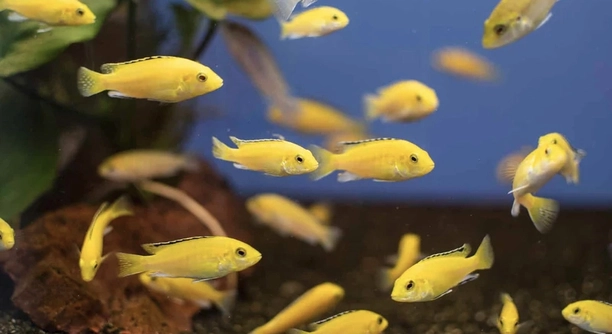
Cichlids are colorful, intelligent fish that can form connections with their owners. Spending time observing and caring for them helps build trust, making your aquarium a more interactive and engaging environment for both you and your fish.
Bonding with cichlids involves consistent interaction, careful observation, and providing a stable environment. Feeding routines, tank enrichment, gentle handling, and positive reinforcement techniques encourage trust, reduce stress, and strengthen the relationship between owner and fish over time.
Learning these strategies will help you create a healthier, more harmonious tank and enjoy a rewarding experience with your cichlids.
Establish a Feeding Routine
Cichlids respond well to consistency, and having a regular feeding schedule is key to bonding with them. Feeding them at the same time each day helps them recognize you and reduces stress in the tank. I’ve noticed that when I feed my cichlids at consistent times, they swim toward me and become more active. It’s helpful to start with small portions and observe how they eat. Overfeeding can cause water quality issues, so paying attention to their consumption is essential. Mixing up their diet with high-quality flakes, pellets, and occasional live or frozen foods provides variety while keeping them healthy. When they start associating your presence with food, it naturally builds trust. Avoid sudden changes in their diet, as cichlids can be sensitive to abrupt shifts. This routine not only keeps them nourished but also makes daily interactions more engaging and predictable for both the fish and you, fostering a positive relationship.
Feeding consistently creates trust. Cichlids quickly learn to associate your presence with food, making them more approachable and interactive during daily care.
Observing how they respond during feeding helps you understand their personalities. Some cichlids are bold and swim right up to the tank glass, while others may hang back. Noticing these patterns allows you to adjust your approach. Using slow hand movements when feeding encourages them to feel safe. Over time, you can even hand-feed certain species, which strengthens familiarity. Including treats like brine shrimp or bloodworms occasionally excites them and keeps their interest. This daily interaction builds recognition, making your cichlids more confident and less stressed in their environment. Consistency combined with patience makes a noticeable difference, showing that bonding doesn’t happen overnight but grows steadily with care and attention.
Add Hiding Spots and Decorations
Providing a tank with hiding spots and decorations reduces stress and encourages natural behaviors.
Cichlids feel safer with structures like rocks, caves, and plants, which gives them a sense of territory and control. Adding decorations that mimic their natural environment helps them explore and express their instincts, making them more comfortable around you. I’ve seen my fish gradually come out of hiding when they know their space is secure. Offering a variety of shelters allows shy individuals to approach the glass more often, responding to my presence without fear. When planning the tank layout, leave open swimming areas alongside hiding spots. This balance encourages activity while still giving them refuge when needed. Rotating or rearranging decorations occasionally provides stimulation but should be done carefully to avoid stressing territorial fish. Decorations also help you observe interactions and personalities, as each cichlid may choose a favorite hiding place or perch. By creating a secure, engaging environment, you promote confidence and interaction, making your fish more receptive to bonding through feeding, observation, and gentle handling.
Use Gentle Hand Movements
Cichlids are sensitive to sudden motions. Moving your hands slowly near the tank reduces stress and builds trust. I’ve found that slow gestures during feeding or tank maintenance make them more comfortable approaching the glass.
Slow, deliberate hand movements show cichlids that you are not a threat. When I clean the tank or rearrange decorations, I move gradually and avoid quick splashes. Over time, this encourages them to swim closer and observe you without fear. Some species may even follow your hand when food is offered. Sudden jerks or tapping on the glass can frighten them, causing them to hide or become defensive. Maintaining calm, consistent actions helps them associate your presence with safety, which is essential for bonding. Using slow hand movements during feeding, tank maintenance, or interacting through the glass can turn routine care into a positive experience for both the fish and you, creating trust and comfort in the tank.
Consistency with gentle movements also helps in training cichlids to recognize your approach. Over weeks, my fish began swimming up during feeding times, clearly associating my hand with food. This gradual exposure builds confidence and reduces fear, making other interactions, like rearranging decorations or observing behavior, much smoother. Pairing hand movements with feeding routines strengthens this recognition. Even shy or territorial fish respond better when they know that motions are predictable and non-threatening. In my experience, this method significantly improves the bond between cichlids and their owner, turning daily care into interactive moments rather than stressful ones. Gradual, patient interaction is key to fostering trust and confidence.
Speak Near the Tank
Cichlids can recognize vibrations and may become familiar with your voice over time. Talking softly near the tank helps them feel more comfortable.
I often speak quietly while feeding or performing tank maintenance. My cichlids respond differently depending on tone and volume. Over time, they began to recognize my voice as a signal for food or safe interaction. This consistency helps reduce anxiety, as they learn to associate my presence and soft speech with positive experiences. Using the same tone each day makes it easier for them to identify and react calmly. While some species may remain cautious, regular, gentle vocal interaction encourages curiosity and engagement. The sound of my voice combined with slow hand movements has noticeably increased their activity near the front of the tank, making it easier to observe individual behaviors and preferences. Gradual exposure through consistent soft speech strengthens recognition and builds trust between owner and fish.
Offer Treats Occasionally
Special treats like bloodworms or brine shrimp can encourage interaction. I give my cichlids small amounts a few times a week to keep them engaged and responsive.
Treats create positive associations with your presence. My cichlids swim closer when they know a treat is coming, which strengthens trust and attention.
Observe Their Behavior
Watching how your cichlids move, interact, and react is essential. It helps you understand personalities and adjust care routines.
Observing daily allows me to notice changes in mood or health early. Some fish are more curious, while others remain cautious. Tracking behavior helps me provide a comfortable environment, improving bonding and reducing stress for each individual.
Use Mirrors for Interaction
Placing a mirror briefly in the tank can stimulate curiosity. Some cichlids display social behaviors, improving alertness and engagement.
Maintain Water Quality
Clean, stable water is crucial for healthy cichlids. Regular testing and water changes prevent stress and encourage natural behaviors.
How often should I feed my cichlids?
Cichlids thrive on a consistent feeding schedule. I feed my fish twice a day, offering small amounts they can consume within a few minutes. Overfeeding can harm water quality and cause health issues. Using measured portions helps prevent leftover food from fouling the tank. Including a mix of flakes, pellets, and occasional live or frozen foods ensures a balanced diet. Observing how quickly they eat each meal allows me to adjust the quantity if needed. Some cichlids prefer grazing throughout the day, so splitting their daily food into two or three small feedings works best. Consistency in timing also helps them recognize when feeding occurs, making them more responsive and comfortable with my presence.
Can cichlids recognize their owner?
Yes, cichlids can learn to recognize the person who regularly cares for them. Over time, my fish began swimming toward the front of the tank when I approached, showing curiosity rather than fear. This recognition is strengthened by routines, including feeding, gentle hand movements, and consistent voice patterns. Associating my presence with positive experiences, like food or safe handling, builds trust. Not every species responds in the same way; some are more cautious or territorial. Still, regular interaction and patience generally result in fish that approach the glass and watch your movements. The key is consistency, minimizing sudden actions, and allowing them to observe your behavior gradually.
What is the best way to handle cichlids?
Handling cichlids should be minimized to reduce stress. I only move them when necessary, such as during tank cleaning or health checks. Using a soft net and moving slowly helps prevent injury. Sudden movements can startle them, causing defensive behaviors. Supporting their body gently and avoiding squeezing is important. If possible, allow them to swim into a container rather than forcing them. Handling can be stressful, so combining it with calm speech and slow gestures helps them associate the experience with safety. In my experience, the less frequent and more controlled the handling, the calmer and more responsive they become over time.
Why do my cichlids hide so much?
Hiding is natural behavior for cichlids, especially when they feel insecure or are in a new environment. I noticed my fish preferred caves, rocks, and dense plants during the first few weeks after introducing them to the tank. Providing adequate hiding spots helps them feel safe and reduces stress. Some shy or territorial species spend more time out of sight, but consistent feeding and gentle observation gradually encourage them to explore. Overcrowding or poor water quality can also increase hiding, so maintaining a balanced environment is essential. Patience and a stable tank setup encourage them to emerge more often and interact with their surroundings.
How can I bond with shy cichlids?
Shy cichlids require extra patience. I start by feeding them at the same time daily and speaking softly near the tank. Slow, deliberate hand movements during feeding or maintenance gradually build trust. Adding shelters allows them to feel secure while exploring. Occasional treats or live foods help them associate your presence with positive experiences. Observing their behavior closely shows when they are ready to interact more. Avoid tapping on the glass or sudden motions, as this can reinforce fear. Over weeks, shy fish can learn to approach and respond, creating a stronger bond through consistent, calm interactions.
Do mirrors help with bonding?
Using a mirror briefly can stimulate social behaviors. Some cichlids react to their reflection by displaying territorial or curious behaviors. I use this technique sparingly, only for a few minutes, because prolonged mirror exposure can stress some fish. Watching how they respond provides insight into their temperament and energy levels. This method can encourage confidence and increase activity, making them more likely to interact positively during feeding or observation. It’s not a replacement for human interaction but can complement bonding efforts when used carefully and monitored for stress signs.
What signs show my cichlids are bonding with me?
Cichlids display recognition through approaching the glass, following hand movements, or actively exploring during feeding. I noticed my fish would swim toward me and display curious behaviors when I entered the room. Reduced hiding, calm swimming, and readiness to accept food are all indicators of trust. Some even seem to anticipate my presence, coming to the front during feeding times. These signs demonstrate comfort and familiarity, which is the result of consistent routines, gentle handling, and positive reinforcement over time.
How important is water quality for bonding?
Water quality directly affects behavior and receptiveness. Clean, stable water reduces stress and encourages natural activity. I test water parameters weekly and perform regular changes to keep ammonia, nitrite, and nitrate levels safe. Poor water conditions can cause hiding, lethargy, or aggression, which hinders bonding. Maintaining proper pH, temperature, and filtration supports health and makes fish more interactive. A comfortable environment allows cichlids to feel secure, respond to feeding routines, and recognize their owner more readily. Consistency in water maintenance creates a foundation for successful bonding and long-term fish well-being.
Can I hand-feed my cichlids?
Hand-feeding is possible with calm, trusting cichlids. I start by offering small pieces of food near the hand, letting them approach at their own pace. Using slow movements prevents startling them. Over time, some cichlids will take food directly from my hand, strengthening recognition and trust. This practice requires patience and should be limited to avoid stress. Not all species respond the same way, but repeated positive experiences gradually make them comfortable with closer interaction. Hand-feeding can enhance engagement, increase activity, and create a more personal connection with each fish.
What should I avoid when bonding with cichlids?
Avoid sudden movements, tapping the glass, or overhandling. I’ve learned that consistent, calm interactions work best. Overfeeding or changing routines abruptly can stress fish. Providing a stable environment, gentle gestures, and predictable feeding schedules encourages trust. Recognizing their natural behaviors and respecting their space is key.
How long does it take to bond with cichlids?
Bonding time varies by species and individual temperament. In my experience, it can take weeks to months of consistent care, feeding, and gentle interaction before cichlids show clear signs of recognition and comfort. Shy or territorial species may require more time, while active and curious fish often respond faster. Patience and observation are crucial throughout this process.
Caring for cichlids is more than just feeding and cleaning their tank. Building a bond with them requires patience, consistency, and attention to their behavior. Over time, they can recognize your presence and respond to gentle gestures, feeding routines, and even your voice. Each cichlid has its own personality, so some will approach more readily while others may remain cautious. Understanding these differences is important when forming a connection. I’ve noticed that when I maintain a steady routine and observe their behavior closely, my fish gradually become more interactive. Providing a safe environment with hiding spots, clean water, and the right diet makes them feel secure and reduces stress, which naturally encourages engagement. The more comfortable they feel, the more likely they are to respond to your presence positively. This process shows that bonding is a gradual, ongoing practice rather than something that happens instantly.
Interactions such as hand-feeding, speaking softly near the tank, and moving slowly around the aquarium help cichlids recognize and trust you. I’ve found that small, deliberate actions are more effective than sudden movements, which can cause fear or stress. Feeding at consistent times each day reinforces familiarity and creates a predictable environment. Occasional treats or live food can make these interactions more engaging and enjoyable for the fish. Watching how they respond during these routines provides insight into their personalities and preferences. Some fish enjoy exploring around decorations or swimming close to the glass, while others prefer to stay in hiding until they feel safe. Respecting these differences is key to a positive bond. The process requires observation, patience, and adjustments based on how each fish reacts. Over weeks and months, even the shyest cichlids can begin to show signs of trust and curiosity.
Maintaining good water quality and a stable environment is just as important as interaction for building a bond. Cichlids are sensitive to changes in water parameters, and stress from poor conditions can make them less responsive and more withdrawn. I make sure to regularly check water temperature, pH, and cleanliness to ensure their health and comfort. Adding enrichment, such as rocks, caves, and plants, encourages natural behaviors and exploration, which helps them feel secure and confident. By combining proper care with gentle, consistent interaction, cichlids become more relaxed and receptive. The relationship between owner and fish grows slowly but steadily when these factors are maintained. Observing small improvements in behavior, such as approaching the front of the tank or responding to hand movements, is rewarding and shows that efforts are paying off. Creating this environment and following routines leads to happier, healthier cichlids that actively interact and respond, making the aquarium a more engaging and enjoyable space for both fish and owner.

Hello,
If you enjoy the content that we create, please consider saying a "Thank You!" by leaving a tip.
Every little bit helps us continue crafting quality advice that supports the health, happiness, and well-being of pets around the world, for pets of all shapes, sizes, and species.
We really appreciate the kindness and support that you show us!