
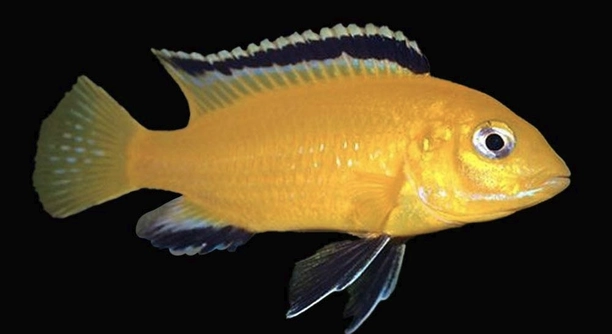
Have you ever noticed your betta fish blowing bubbles in a small cluster at the water’s surface? These tiny bubble nests can be more than just decoration in the tank. They often reflect your fish’s natural instincts.
Bubble nests in bettas are a key indicator of interest and readiness to breed. These formations signal that the male fish is healthy, comfortable, and exhibiting natural reproductive behavior, reflecting both environmental satisfaction and instinctual readiness for mating.
Recognizing these subtle signals can improve your understanding of your betta’s behavior and overall well-being. Observing these signs will help you respond appropriately and ensure a supportive environment.
Recognizing the First Signs of Interest
When a male betta starts building a bubble nest, it usually begins with small clusters of bubbles at the water’s surface. This is one of the earliest signals of reproductive interest. The bubbles are created by the fish expelling air from its mouth, sometimes mixed with saliva, which helps the bubbles stick together. You may notice the male becoming more active near the surface, frequently swimming back and forth to maintain the nest. He may also display brighter colors or more pronounced fin movements, which indicate heightened energy levels and confidence. While not all bubble nests guarantee breeding, consistent nest-building is a reliable signal that the fish is both healthy and comfortable in its environment. Providing proper water conditions and minimizing stressors will encourage your betta to continue exhibiting this natural behavior, offering a glimpse into their instinctual tendencies and overall well-being.
Early bubble nest formation is a strong sign of interest and reproductive readiness in male bettas.
Observing these initial behaviors can guide adjustments in care to ensure the tank remains inviting and safe.
Understanding Nest Size and Structure
Smaller nests often indicate a cautious or young male, while larger, more organized nests suggest confidence and experience.
The size and shape of a bubble nest can reveal a lot about a betta’s interest level and comfort. A nest that expands steadily over days shows that the fish is consistently motivated and not stressed. In contrast, uneven or fragmented nests may signal minor disturbances or environmental discomfort. Temperature, water quality, and tank decorations can all affect nest development. Experienced bettas often craft symmetrical nests with firm edges, while first-time builders may have irregular shapes. Observing how a nest changes over time helps track the fish’s well-being. If a male suddenly stops maintaining the nest, it may indicate stress or illness. Consistently checking water parameters and reducing sudden disturbances will support nest-building behavior, allowing the betta to express natural instincts fully and maintain a healthy, stimulating habitat.
Frequent Nest Maintenance
Male bettas often return to their bubble nests multiple times a day, repairing or adding new bubbles to keep the structure intact.
Regular attention to the nest is a sign of interest and vitality. A male that consistently revisits the nest demonstrates strong instinctual behavior and a desire to attract a mate. Frequent maintenance helps ensure the nest remains stable and capable of supporting potential eggs. This behavior also reflects the fish’s comfort in its environment, as stressed or unhealthy bettas tend to neglect nest upkeep. Observing this activity gives insight into both the fish’s physical health and natural instincts. By keeping the tank calm and the water clean, you support ongoing nest-building, encouraging natural behaviors that benefit the betta’s overall well-being and reduce signs of stress or discomfort.
Active nest maintenance indicates the male’s engagement with his surroundings and readiness for breeding opportunities.
Consistent repairs and bubble additions are more than routine—they reflect the fish’s dedication to maintaining a suitable environment. Watching these behaviors can be rewarding, showing clear signs of instinctual interest. Providing ample surface area and stable water conditions enhances this behavior, allowing the male to thrive while expressing natural nesting habits.
Protective Behavior Around the Nest
Bettas will often patrol the area near their nests, guarding it from perceived threats or disturbances. This behavior demonstrates both interest and territorial instinct.
When a male betta guards his bubble nest, it is a direct signal of his investment in the structure. He may chase other fish, hover near the nest, or flare his fins to appear larger. This protective behavior ensures the nest remains safe for potential eggs and indicates strong instinctual motivation. A fish that exhibits frequent guarding is likely healthy and confident in its environment. Tank placement and minimal stressors enhance these behaviors, allowing the male to maintain the nest without distraction or disruption. Regular observation of this protective behavior can provide insights into his comfort level and natural reproductive instincts.
Guarding is not aggressive for no reason; it reflects engagement and interest in the nest’s integrity, showing the male’s readiness to reproduce and maintain a secure environment.
Bubble Nest Location
Bettas often choose calm, sheltered areas near the water surface to build their nests. This choice helps protect the structure and reflects their instinctual preference for safety.
The nest’s location also indicates comfort with the environment. A male that selects a stable, quiet spot shows confidence and interest in maintaining the nest over time.
Interaction With Floating Objects
Males sometimes incorporate small floating objects near the nest, nudging them gently or rearranging them. This behavior signals active engagement and attention.
By interacting with nearby items, the betta is testing the nest’s boundaries and ensuring it remains undisturbed. These subtle movements reflect natural instincts and an investment in protecting the nest area, confirming interest in reproductive behavior.
Flare Displays Near the Nest
Bettas often flare their fins when near the bubble nest, showing alertness and territorial behavior. This action is part of their instinctual courtship and protection mechanisms.
Nest Expansion Over Time
A male betta will gradually expand the nest, adding more bubbles each day. This steady growth shows continued interest and commitment to the nesting process.
What does it mean when a betta builds a bubble nest?
A bubble nest is a clear signal that a male betta is healthy and comfortable in his environment. The behavior stems from natural reproductive instincts. By creating a stable structure at the water’s surface, the fish prepares a safe place for potential eggs. Even if there is no female present, nest-building reflects overall well-being. Observing this behavior can help gauge the tank conditions and the fish’s level of comfort. A consistent nest indicates that the betta feels secure, while a lack of nest-building may point to stress or unsuitable water conditions.
Is a bigger bubble nest better?
The size of a bubble nest often reflects confidence and energy, but it does not always indicate superior health. Experienced males tend to build larger, more organized nests, while younger or cautious fish may create smaller clusters. Factors like water temperature, tank size, and overall environment can affect nest size. The structure’s stability and consistent maintenance are more important than sheer size. A smaller but well-maintained nest demonstrates strong interest and good health. Observing how the nest develops over time is a better measure of the fish’s behavior than just focusing on its dimensions.
Why do bettas add bubbles continuously?
Male bettas frequently return to the nest to repair or add new bubbles, which reflects ongoing interest and natural instinct. This behavior ensures the nest remains intact and ready for potential eggs. Regular maintenance is also a sign of comfort in the tank. A betta that neglects the nest may be stressed, ill, or in an unsuitable environment. Watching the frequency of bubble additions can help identify changes in behavior or well-being. Ensuring proper water quality, minimal disturbances, and a stable surface area encourages this consistent nest-building activity and supports the fish’s natural instincts.
Can females build bubble nests?
While rare, female bettas can produce small bubble clusters under certain conditions. This behavior is usually seen in well-conditioned, healthy females, but it does not indicate breeding readiness like in males. Female nests tend to be smaller, less structured, and maintained irregularly. Observing this behavior should not cause concern, but it can provide insight into the female’s health and comfort level. Tank conditions and social interactions can influence whether a female creates bubbles. It is important to note that male bubble nests are the primary signal of reproductive interest and instinctual behavior.
What affects bubble nest quality?
Water temperature, cleanliness, and tank stability play major roles in bubble nest quality. Bettas build larger, more organized nests in calm, warm, and clean water. Frequent disturbances, fluctuating temperatures, or poor water quality can lead to irregular, fragile, or incomplete nests. Diet and overall health also influence construction; well-fed, active males are more likely to create sturdy, symmetrical nests. Observing changes in nest structure over time can provide early signs of stress, illness, or environmental issues. Maintaining stable tank conditions ensures the male betta can express natural behaviors fully and preserve nest integrity.
Does nest building always mean a male wants to breed?
Not necessarily. While bubble nests are a reproductive instinct, males often build nests even without a female present. The behavior reflects overall health, comfort, and territorial instinct rather than immediate breeding intention. A male may continue adding bubbles daily for weeks without mating. Observing other behaviors, like guarding the nest or flaring near it, provides a more complete understanding of interest in reproduction. Supporting natural instincts through stable water conditions and minimal stress allows the fish to continue expressing these behaviors safely.
How can I support my betta’s nesting behavior?
Provide calm, warm water and a secure surface for bubble-building. Keep tank parameters stable and minimize sudden movements. Floating plants or gentle surface cover can encourage nest formation. Feeding a balanced diet and monitoring health ensures energy levels are sufficient for consistent maintenance. Avoid overcrowding or aggressive tankmates that may disturb the nest. Observing the male regularly and keeping the environment consistent helps him feel safe and allows natural behaviors to continue without interruption. This support ensures both nest quality and the betta’s overall well-being.
What should I do if the nest collapses?
Nest collapse is usually caused by water disturbances, strong currents, or surface agitation. If this happens, allow the male to rebuild without interference. Check water quality and temperature to ensure stable conditions. Providing a quiet surface area and limiting tank disruptions encourages reconstruction. Repeated collapses may indicate stress or environmental issues that need attention. Supporting the male’s comfort and safety helps restore natural nesting behavior quickly.
Can bubble nests indicate stress or illness?
While generally a positive sign, sudden changes in bubble nest behavior can indicate stress or illness. Reduced maintenance, incomplete nests, or abandonment may point to poor water quality, illness, or environmental disturbances. Observing the fish’s overall behavior alongside nest activity provides the best indication of health. Promptly addressing water conditions, diet, and tank stability ensures the male can continue building nests naturally, reducing stress and supporting long-term well-being.
Are bubble nests permanent structures?
Bubble nests are temporary and maintained only as long as the male remains motivated. They require continuous upkeep and can dissipate quickly if the fish stops adding bubbles or if disturbances occur. Observing the nest’s growth and maintenance over days gives the clearest indication of the betta’s interest, comfort, and health.
Final Thoughts
Observing bubble nest behavior in male bettas provides a clear window into their natural instincts and overall health. These nests are not just random clusters of bubbles but a deliberate and instinctual behavior that reflects comfort, vitality, and readiness to reproduce. A well-maintained nest indicates that the fish feels secure in its environment and is confident enough to express instinctual behavior. Even in the absence of a female, nest-building is a sign that the male is healthy and thriving. By paying attention to the size, structure, and maintenance frequency of the nest, you can gain insights into how your betta is adapting to its surroundings. Consistent nest-building suggests proper water quality, minimal stress, and adequate nutrition, all of which are critical factors for supporting the fish’s well-being.
Bubble nests also highlight the importance of observing subtleties in fish behavior. Small details, such as where the nest is located, how the fish interacts with it, and whether the male guards it, reveal levels of comfort and interest. A nest in a calm, sheltered spot shows that the fish feels secure, while frequent repairs and additions demonstrate active engagement and strong instinctual drive. Protective behavior, like flaring near the nest or chasing perceived threats, signals confidence and territorial instinct. These behaviors are natural and indicate that the male is actively caring for his nest. Even small interactions with floating objects or slight changes in bubble patterns can reflect mood, energy levels, and environmental satisfaction. Understanding these nuances helps in creating a tank environment that supports natural behaviors and reduces stress.
Supporting bubble nest behavior is also about maintaining a stable and comfortable environment. Temperature, water quality, and minimal disturbances are key factors in encouraging the male to continue building and maintaining the nest. Providing floating plants or gentle surface cover allows for natural expression while ensuring the nest remains protected. Diet and overall health directly influence how well the nest is built and maintained. A consistent feeding routine and regular observation allow you to notice changes quickly and address potential issues before they impact behavior. By respecting the fish’s natural instincts and providing conditions that support them, bubble nests become a reliable indicator of interest, comfort, and vitality. Observing these behaviors offers both insight and satisfaction, showing the intricate balance between instinct, health, and environmental care in bettas.

Hello,
If you enjoy the content that we create, please consider saying a "Thank You!" by leaving a tip.
Every little bit helps us continue crafting quality advice that supports the health, happiness, and well-being of pets around the world, for pets of all shapes, sizes, and species.
We really appreciate the kindness and support that you show us!