
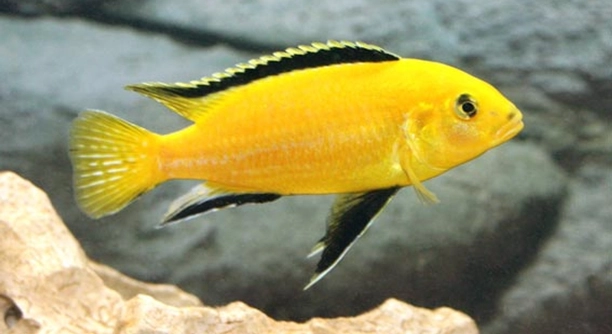
Overcrowding in cichlid tanks is a common issue for many aquarium enthusiasts. It can seem harmless at first, but having too many fish in a small space often leads to stress and imbalance in the tank’s environment.
Overcrowding in cichlid tanks causes multiple negative effects, including increased aggression, poor water quality, stunted growth, weakened immune systems, and disrupted breeding patterns. These conditions reduce overall fish health and can make long-term tank maintenance more challenging and demanding.
Managing your tank population carefully can prevent many problems and ensure your cichlids stay healthy and active. Learning the effects of overcrowding will help you maintain a balanced aquarium.
Increased Aggression
When cichlids are crowded, their natural territorial behavior becomes amplified. Fights over hiding spots, food, and space are common. This constant stress can leave fish with visible injuries or missing fins. Some species may become withdrawn, hiding constantly to avoid conflict, which reduces their activity and affects overall health. Aggression often increases during feeding times, and the more dominant fish may monopolize food, leaving others malnourished. Overcrowding also prevents proper establishment of territories, which cichlids rely on for breeding and comfort. Watching your fish can reveal signs of tension, like chasing, nipping, or tail biting. Over time, repeated aggression can weaken their immune systems, making them more vulnerable to disease. Adjusting tank size or reducing the number of fish often alleviates these behaviors. Providing hiding places and visual barriers can also give stressed fish relief, though this is only a partial solution if overcrowding persists.
Constant fighting stresses cichlids and can damage both their bodies and overall health.
Proper tank management reduces aggression, encourages normal behaviors, and ensures fish can grow without constant conflict. Observing interactions closely helps identify which fish may need separation.
Poor Water Quality
Overcrowded tanks produce more waste, which can quickly overwhelm filtration systems. Ammonia, nitrite, and nitrate levels rise, creating an unsafe environment. High waste levels reduce oxygen availability, making it harder for cichlids to breathe and maintain energy. Uneaten food accumulates, contributing to murky water and promoting algae growth. Frequent water changes become necessary, but even regular maintenance may not fully compensate for the excessive load. Poor water quality also increases susceptibility to infections and parasites. Fish under constant stress from polluted water may show lethargy, loss of appetite, or abnormal swimming patterns. Plants and other tank inhabitants may also suffer, as chemical imbalances affect growth and overall vitality. Monitoring water parameters and ensuring adequate filtration are essential. Reducing fish numbers is often the most effective solution to restore a healthy aquatic environment, giving each cichlid enough space and clean water to thrive.
Keeping water clean is vital for cichlid health, and overcrowding makes this far more difficult.
Maintaining proper water conditions prevents disease, supports growth, and allows cichlids to display natural behaviors. Adequate space, filtration, and routine monitoring are key. Reducing the number of fish helps the tank recover from chemical imbalances, ensuring a safer and more stable habitat for all inhabitants.
Stunted Growth
Overcrowding limits the space cichlids have to swim, which can slow their physical development. Limited access to food and constant stress also contribute to smaller sizes.
Cichlids in crowded tanks often fail to reach their full growth potential. Competition for food means some fish eat less than they need, leading to malnutrition and weakened bodies. Constant stress releases hormones that interfere with growth and metabolism. Fish that are pushed into hiding may expend more energy avoiding others than feeding, further affecting their development. Over time, stunted growth can become permanent, and weaker fish are less likely to survive or reproduce.
Smaller fish are also more vulnerable to disease and injuries from more aggressive tank mates. Overcrowding affects both physical and behavioral development, causing long-term consequences. Adjusting population size and ensuring sufficient food can help fish grow healthier and stronger in a more balanced environment.
Increased Disease Risk
Crowded tanks allow pathogens to spread quickly, as infected fish contact others more frequently.
High-density conditions weaken cichlids’ immune systems, making them more susceptible to infections. Bacteria, fungi, and parasites thrive in polluted water, increasing disease outbreaks. Injuries from fights also provide entry points for pathogens, leading to ulcers or fin rot. Stress from overcrowding reduces the ability to fight off illness, and minor infections can escalate into life-threatening conditions if not addressed promptly. Regular observation and maintaining water quality are crucial, but prevention by reducing crowding is more effective.
Treating diseases in overcrowded tanks is complicated because removing or isolating sick fish is difficult. Even with medication, continuous exposure to poor conditions can cause recurring infections. Providing enough space, hiding spots, and proper nutrition supports stronger immune responses. Reducing fish density not only prevents illness but allows recovery without constant stress, helping cichlids remain active and healthy for longer periods.
Stress and Anxiety
Overcrowding keeps cichlids in a constant state of alert. They hide frequently and swim erratically, showing signs of stress that affect their health.
Chronic stress weakens the immune system and reduces appetite. Fish may stop interacting normally and lose their vibrant colors, making the tank less lively and healthy.
Disrupted Breeding
High-density conditions interfere with cichlids’ natural mating behaviors. Territorial disputes and stress make it difficult for pairs to spawn successfully. Eggs and fry are often at risk from aggressive tank mates, reducing survival rates. Overcrowding prevents proper nesting and courtship, which are essential for healthy reproduction.
Poor Oxygen Levels
Too many fish in a limited space reduce oxygen availability. Low oxygen can cause lethargy, gasping at the surface, and decreased activity, affecting overall tank health.
What is considered overcrowding in a cichlid tank?
Overcrowding happens when the number of fish exceeds the tank’s capacity to support them comfortably. Each cichlid species requires a certain amount of space to swim, hide, and establish territories. A general rule is one inch of fish per gallon of water, but larger or more aggressive species need more room. Crowding also depends on tank shape, filtration, and decorations. Simply adding more fish without considering these factors can quickly lead to stress, aggression, and poor water quality. Observing behavior is a good indicator—if fish are constantly fighting or hiding, the tank may already be too crowded.
How does overcrowding affect water quality?
Overcrowded tanks produce more waste than the filtration system can handle efficiently. Uneaten food and fish waste break down into ammonia, nitrites, and nitrates, which are harmful in high concentrations. Poor water quality increases the risk of infections, reduces oxygen levels, and stresses fish. Regular water testing is essential to monitor these levels. Even frequent water changes may not fully compensate for excessive waste if the tank is too small. Providing proper filtration and controlling the number of fish are key steps to maintaining clean, safe water.
Can overcrowding cause aggression among cichlids?
Yes. Cichlids are naturally territorial, and when space is limited, fights become frequent. Dominant fish may chase or nip others, causing injuries or stress. Constant aggression weakens immune systems and reduces growth. Providing hiding spots and visual barriers can reduce conflict, but the best solution is lowering population density. Aggression also increases during feeding times, so spreading food across the tank can help. Observing which fish are most affected helps determine if separation or tank expansion is necessary.
How does overcrowding impact breeding?
Overcrowded conditions disrupt natural breeding behaviors. Cichlids need space to court, build nests, and care for eggs and fry. In a crowded tank, stress and aggression make spawning difficult, and eggs or fry may be eaten by other fish. Separating breeding pairs into their own tank or reducing overall population improves reproductive success. Providing hiding spots and controlled environments ensures both parents and offspring have a higher chance of survival.
What health issues can result from overcrowding?
Chronic stress, weakened immune systems, stunted growth, and increased susceptibility to disease are common. Injuries from fighting provide entry points for bacteria and fungi. Poor water quality worsens these problems, allowing pathogens to thrive. Lethargy, loss of appetite, and abnormal swimming patterns are often signs that fish are struggling. Addressing population density and maintaining water quality are essential for preventing long-term health problems.
How can I prevent overcrowding in my tank?
Plan your tank carefully before adding fish. Research species-specific space requirements, aggression levels, and growth potential. Use larger tanks when housing multiple species and provide hiding places. Avoid impulse additions that exceed the tank’s capacity. Regularly monitor fish behavior and water quality. Reducing numbers when necessary and upgrading filtration will help maintain a balanced environment.
What immediate steps should I take if my tank is overcrowded?
First, assess how many fish are in the tank compared to its size. Consider rehoming excess fish or separating aggressive individuals into another tank. Improve filtration and increase the frequency of water changes to manage waste buildup. Add hiding spots to reduce stress and monitor fish for injuries or disease. Gradually reducing population density will improve water quality, reduce aggression, and allow fish to recover physically and behaviorally.
Are there signs that my cichlids are stressed from overcrowding?
Yes. Fish may hide constantly, chase or nip others, lose color, or swim erratically. Reduced appetite, lethargy, and irregular breathing are also common signs. Chronic stress can make them more vulnerable to disease. Observing these behaviors early helps prevent long-term health problems and improves overall tank balance.
Can proper tank maintenance offset the effects of overcrowding?
While good maintenance helps, it cannot fully compensate for overcrowding. Frequent water changes, proper filtration, and clean tanks reduce the negative effects of excess waste but do not eliminate stress, aggression, or space limitations. Reducing fish numbers remains the most effective solution to maintain health and balance.
How can I design my tank to reduce overcrowding risks?
Provide enough swimming space and multiple hiding spots to minimize conflicts. Use dividers or caves to allow territorial boundaries. Plan tank decorations strategically to create visual barriers. Larger tanks with appropriate filtration make it easier to maintain water quality and prevent stress. Thoughtful design supports natural behaviors and reduces the impact of higher populations.
What are the long-term consequences of ignoring overcrowding?
Fish may suffer stunted growth, frequent illness, and shortened lifespans. Continuous aggression and stress weaken their immune systems, making disease outbreaks more likely. Reproduction may fail, and chronic poor water quality damages the tank ecosystem. Ignoring overcrowding can lead to a deteriorating environment where even healthy fish struggle to survive, making corrective measures much more difficult.
Overcrowding in cichlid tanks is a serious issue that affects both the fish and the overall tank environment. Many people underestimate how much space these fish need to thrive. Cichlids are naturally territorial and active, so they require room to swim, establish territories, and interact normally. When a tank is too full, stress quickly builds up, and this has several negative consequences. Fish can become aggressive, constantly chasing or nipping at each other, which leads to injuries and weaker immune systems. Poor water quality also develops faster because the filtration system struggles to manage the increased waste. Even with frequent water changes, overcrowded tanks rarely reach the ideal conditions for healthy cichlids. The effects are subtle at first but compound over time, resulting in stunted growth, higher disease risks, and disrupted breeding patterns.
Proper tank management starts with understanding the needs of the species you are keeping. Each type of cichlid has different space requirements, aggression levels, and social behavior. Some species can coexist in groups, while others need more separation to reduce conflicts. Providing enough hiding spots, visual barriers, and open swimming areas is essential, but these measures only help if the tank is not already overpopulated. Observing fish behavior regularly is important to identify early signs of stress, such as constant hiding, loss of appetite, or lethargy. Taking action early—whether by reducing the number of fish, separating aggressive individuals, or upgrading to a larger tank—can prevent long-term health problems and restore balance to the environment. Good tank maintenance, including monitoring water quality, proper feeding practices, and regular cleaning, supports healthier fish but does not replace the need for adequate space.
Ultimately, preventing overcrowding is about creating a sustainable environment that allows cichlids to live naturally and healthily. It is not only about the number of fish in the tank but also about giving them enough space to exhibit normal behaviors and maintain physical health. Overcrowding can be avoided by careful planning before adding fish, considering their adult size, and monitoring population levels over time. A well-managed tank improves the quality of life for the fish, reduces aggression and disease, and ensures a more stable ecosystem. Cichlids kept in proper conditions tend to be more active, colorful, and resilient. By prioritizing space, observation, and routine care, you create an environment where cichlids can thrive, making the tank more enjoyable and easier to maintain in the long run. Healthy, balanced tanks lead to longer-lived, happier fish and a more satisfying experience for anyone maintaining them.

Hello,
If you enjoy the content that we create, please consider saying a "Thank You!" by leaving a tip.
Every little bit helps us continue crafting quality advice that supports the health, happiness, and well-being of pets around the world, for pets of all shapes, sizes, and species.
We really appreciate the kindness and support that you show us!