
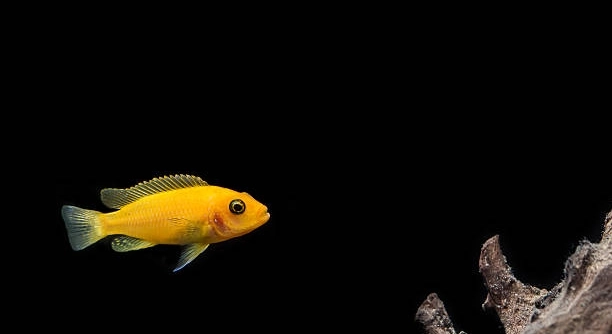
Are you caring for a female animal and want to know when she is ready to spawn? Observing her behavior and physical changes can provide key insights to ensure a smooth breeding process.
Several indicators can signal that a female is prepared to spawn. These include physical signs such as swelling or color changes, behavioral shifts like increased activity or nesting tendencies, and hormonal cues that trigger reproductive readiness.
Recognizing these signs early allows you to provide proper care and create the best environment for a successful spawning process.
Physical Changes Indicating Readiness
When a female is ready to spawn, her body often shows clear physical changes. Swelling in the abdomen or specific areas of the body can indicate that eggs or offspring are developing. Color changes in the skin, fins, or scales may also occur, signaling hormonal shifts preparing her for reproduction. These changes are generally subtle at first but become more pronounced as spawning approaches. Some females may show signs of increased appetite or changes in posture. Observing her regularly allows you to notice these developments early. Consistent care, proper nutrition, and a safe, clean environment support her health during this critical phase. Environmental factors like lighting, temperature, and water conditions can also affect these physical signs, so maintaining stability is essential. By paying attention to these indicators, you can better anticipate when she will be ready, ensuring her safety and comfort throughout the process. Monitoring physical changes helps prevent stress and potential health issues.
Regular observation is key to recognizing physical readiness. Small, consistent changes are often the first noticeable signs.
Being attentive to these shifts allows you to prepare the habitat and provide the best conditions for successful spawning.
Behavioral Shifts That Signal Spawning
Females often exhibit noticeable behavior changes when approaching spawning. Increased activity, nesting behavior, or specific interactions with their environment can all signal readiness.
These behavioral cues reflect hormonal changes that prepare her for reproduction. Nesting, digging, or organizing materials may indicate a natural instinct to protect future offspring. Increased movement or restlessness can also suggest that she is preparing internally for spawning. Some females may show interest in other individuals of the species, signaling reproductive readiness. Understanding these behaviors allows you to respond appropriately, adjusting environmental conditions to reduce stress. Providing privacy, appropriate nesting spaces, and stable surroundings helps support these natural behaviors. Over time, careful observation of her routines can reveal patterns that indicate peak readiness, making it easier to anticipate spawning events. Recognizing and respecting these behavioral signals ensures that the female remains healthy and comfortable while maximizing the chances of a successful reproductive outcome. This proactive approach benefits both her well-being and the overall reproductive process.
Nesting Behavior and Territory
Nesting is a strong indicator that a female is ready to spawn. She may rearrange her space, gather materials, or create a secure area for her future offspring. This behavior reflects both instinct and hormonal changes.
Nesting behavior often becomes more focused as spawning approaches. She may repeatedly visit a chosen area, moving materials or adjusting the layout. Some females show protective tendencies, guarding their space from disturbances. This instinct ensures a safe environment for eggs or young. Observing these actions can help you identify peak readiness and provide necessary adjustments. Offering a quiet, undisturbed area supports her natural instincts, reducing stress and encouraging proper reproductive behavior. Nesting is a practical signal that preparation for spawning is underway.
Territorial actions often accompany nesting. Females may assert dominance over parts of their environment, marking boundaries or displaying defensive behavior. Recognizing this helps you manage interactions and maintain harmony. Careful observation ensures the female remains comfortable and focused on her reproductive instincts.
Physical Restlessness and Activity Changes
Increased activity and restlessness are common signs that spawning is near. Females may swim more, pace, or engage with their environment more frequently. These behaviors signal internal hormonal changes preparing them for reproduction.
Physical restlessness often reflects a combination of hormonal and instinctive drives. She may explore her space repeatedly, showing heightened curiosity or energy. This behavior is normal and indicates readiness. Monitoring activity patterns helps identify peak spawning times and ensures she is in a safe, supportive environment. Providing stability, appropriate enrichment, and minimal disturbances allows her to express these natural behaviors safely. Activity changes are a reliable, observable sign that reproductive processes are underway.
Noticing subtle variations in movement can be just as important as obvious restlessness. Small changes in pace, posture, or responsiveness may indicate internal preparation, and consistent observation helps track these patterns effectively. Adjusting care routines to accommodate these shifts supports her overall health.
Color and Skin Changes
Color shifts often indicate that a female is ready to spawn. Areas of the body may become brighter or more pronounced, reflecting hormonal changes and reproductive readiness.
These visual changes can be subtle at first but become more noticeable over time. Paying attention helps identify the right moment for spawning and ensures proper care is provided.
Interaction with Others
Females may show increased or selective interaction with other individuals as spawning approaches. She might become more attentive, following or observing others closely, or exhibit preference toward specific mates. These behaviors indicate reproductive readiness and help establish compatibility for successful spawning.
Appetite Fluctuations
Appetite can change significantly before spawning. She may eat more or show interest in specific foods, reflecting energy needs for reproductive preparation. Monitoring her eating patterns helps ensure proper nutrition during this critical phase.
FAQ
How do I know my female is ready to spawn?
You can observe a combination of physical, behavioral, and environmental cues. Look for swelling, color changes, nesting behaviors, increased activity, and interaction with others. Appetite fluctuations may also occur. Paying attention to these signs consistently allows you to identify when she is at peak readiness.
What type of environment should I provide?
A stable, quiet, and safe environment is essential. Ensure she has adequate space, suitable nesting areas, and minimal disturbances. Temperature, lighting, and humidity should be appropriate for her species. Providing these conditions supports her natural instincts and encourages successful spawning.
Should I change her diet before spawning?
Yes, diet plays a crucial role. She may need more energy, so high-quality, nutrient-rich foods are important. Some females may show interest in specific foods during this time. Adjusting feeding schedules and providing balanced nutrition supports reproductive health and prepares her body for spawning.
How can I support her nesting behavior?
Offer materials or objects suitable for nesting. Observe without interfering unless she seems stressed. Avoid moving or disturbing her nesting site, as this can cause anxiety and disrupt natural behaviors. A comfortable and private space ensures she can prepare without unnecessary stress.
What signs indicate she is stressed during spawning preparation?
Stress may appear as erratic movement, aggression, refusal to eat, or hiding. These behaviors suggest the environment is not fully supportive. Monitoring daily routines and maintaining calm surroundings helps minimize stress. Quick adjustments, such as reducing disturbances or providing additional hiding areas, can restore comfort.
Is it necessary to separate her from others?
Separation depends on species and temperament. Some females may benefit from limited contact to reduce stress or aggression, while others thrive with companionship. Observing interactions carefully allows you to determine the best approach. Adjusting space according to her behavior promotes comfort and safety.
How long does the preparation phase usually last?
The preparation phase varies depending on species, age, and individual health. Some females may show signs for a few days, while others take several weeks. Regular observation and noting changes in behavior and physical cues help you estimate when spawning will occur.
Can external factors affect readiness?
Yes, temperature, lighting, diet, and overall environment can influence readiness. Sudden changes or instability can delay or disrupt natural cycles. Maintaining consistency in care and surroundings ensures hormonal and behavioral cues develop naturally, increasing the likelihood of successful spawning.
Should I intervene during the actual spawning process?
Intervention is generally not recommended unless there is clear distress or health risk. Allowing natural behavior to proceed ensures proper reproductive outcomes. If intervention is needed, act carefully and minimally to avoid disrupting instincts or causing stress.
How do I monitor post-spawning health?
Observe eating habits, activity levels, and physical appearance. Ensure she recovers fully and continues regular behaviors. Any prolonged lethargy, refusal to eat, or unusual symptoms should prompt a check on environmental conditions or consultation with a professional. Monitoring health supports long-term reproductive success and overall well-being.
What precautions should I take if she is showing aggression?
Aggression can arise from hormonal changes or territorial instincts. Provide separate areas or barriers if needed. Avoid forcing interactions and maintain calm surroundings. Managing aggression carefully protects both her and others, ensuring a safer environment during the spawning period.
How often should I check for readiness signs?
Daily observation is ideal. Noting subtle changes over time allows you to respond appropriately. Frequent monitoring helps catch early signs, such as minor color changes or small shifts in behavior, giving you time to prepare her environment for optimal spawning conditions.
Can multiple females spawn together?
This depends on species and individual temperament. Some females tolerate cohabitation well, while others require separation to prevent stress or conflict. Careful observation and understanding of social dynamics are key to managing multiple females safely. Adjust arrangements as necessary to maintain comfort and reduce risk.
Are there any health risks associated with spawning?
Yes, improper nutrition, stress, or unsuitable environmental conditions can cause complications. Monitoring physical condition, maintaining proper care, and providing supportive surroundings reduces risks. Being proactive helps ensure the female remains healthy throughout the reproductive process.
How do I know if she has successfully spawned?
Signs include changes in behavior, decreased activity, completion of nesting, or the presence of eggs or offspring. Observing her routine and checking the nesting area carefully allows confirmation. Ensuring proper conditions continues to support her health after spawning.
How long should I continue special care after spawning?
Post-spawning care varies by species, but continued monitoring for at least several days to weeks is often recommended. Focus on nutrition, environment stability, and minimizing stress. Ongoing observation ensures recovery, supports overall health, and prepares her for future reproductive cycles.
Can hormonal changes affect her daily routine?
Yes, hormonal fluctuations can lead to appetite changes, restlessness, or increased aggression. Understanding these shifts helps you respond appropriately, providing supportive care and adjusting her environment to accommodate temporary changes in behavior.
What are the most reliable signs of spawning readiness?
The combination of physical changes, behavioral shifts, nesting behavior, and appetite fluctuations provides the clearest indicators. Observing multiple signs together improves accuracy, allowing better preparation for the reproductive process and ensuring a healthier experience for the female.
How do I balance observation without causing stress?
Keep interactions minimal and consistent. Observe from a distance when possible and avoid sudden changes to her environment. Providing predictable routines and quiet spaces ensures she feels safe while you monitor readiness signs.
Is it normal for readiness signs to appear inconsistently?
Yes, some females may show intermittent signs due to environmental or internal factors. Tracking patterns over time helps distinguish temporary fluctuations from true reproductive readiness, ensuring accurate assessment and appropriate care.
Final Thoughts
Understanding when a female is ready to spawn requires attention to a combination of physical, behavioral, and environmental cues. Observing changes in color, swelling, or skin texture can provide clear indicators of reproductive readiness. Behavioral shifts such as increased activity, restlessness, nesting tendencies, and selective interaction with others are equally important. Appetite fluctuations often accompany these signs and indicate that the female’s body is preparing for the energy demands of spawning. Monitoring these signs consistently allows you to anticipate her needs and adjust care accordingly. Each individual may show these signs differently, so patience and careful observation are key. Maintaining a calm and stable environment during this period helps reduce stress and supports natural reproductive behaviors. Providing suitable nesting areas, proper nutrition, and quiet surroundings allows the female to express instinctive behaviors safely. By paying attention to both subtle and obvious cues, you can better support her overall health while preparing for successful spawning.
Spawning preparation also depends heavily on environmental factors. Temperature, lighting, and habitat conditions can influence readiness, so consistency is essential. Sudden changes may delay or disrupt natural cycles, leading to stress or health issues. Providing a predictable routine, stable habitat, and proper enrichment helps the female maintain normal behaviors. Observing interactions with other individuals is important, as aggression or territoriality can arise during this time. Some females may benefit from separation or limited contact, while others remain comfortable with companionship. Adjusting space and care based on behavior ensures comfort and safety throughout the reproductive phase. Regularly checking for nesting activity, increased movement, or changes in appetite provides insight into peak readiness. Combining these observations with careful care routines helps create optimal conditions for spawning while minimizing potential risks. Consistent monitoring allows for proactive adjustments, ensuring the female’s well-being is always the priority.
Post-spawning care is just as important as preparation. Females may require continued attention to nutrition, environment, and overall health for days or weeks after spawning. Observing recovery, feeding behavior, activity levels, and any signs of stress or illness helps identify problems early. Maintaining a stable habitat with minimal disturbances supports healing and reduces the likelihood of complications. Hormonal changes after spawning can temporarily affect behavior, appetite, and interactions with others, so providing patience and supportive care is essential. Understanding her natural rhythms and responding appropriately ensures long-term health and prepares her for future reproductive cycles. By combining observation, proper nutrition, environmental stability, and minimal interference, you can support the female through all stages of spawning. This comprehensive approach not only increases the chances of successful reproduction but also prioritizes her comfort and well-being throughout the process.

Hello,
If you enjoy the content that we create, please consider saying a "Thank You!" by leaving a tip.
Every little bit helps us continue crafting quality advice that supports the health, happiness, and well-being of pets around the world, for pets of all shapes, sizes, and species.
We really appreciate the kindness and support that you show us!