
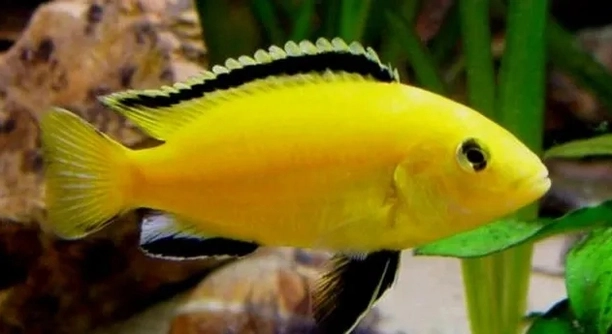
Many keepers see their animals colors softening over time, creating concern. Looking at how feeding habits shape natural pigmentation can help build simple routines that support stronger coloration and steady well being for your companion.
Feeding strategies that improve coloration rely on nutrient rich ingredients, balanced formulations, and consistent delivery. Targeted carotenoids, optimized proteins, and varied sources support pigment deposition, while stable routines reduce stress responses that may dull hues across species maintained in environments.
These principles show how thoughtful nutrition shapes brighter hues, guiding you toward simple steps that support lasting color improvements ahead.
Enhancing Color Through Carotenoid Rich Foods
Including carotenoid rich ingredients is one of the most reliable ways to support brighter coloration, and it fits easily into daily routines. These pigments occur naturally in foods like spirulina, krill, algae blends, and certain vegetables. When animals consume them regularly, the pigments are absorbed and stored within skin, scales, or feathers, helping deepen reds, oranges, and yellows. It is important to choose sources that are clean, stable, and processed gently, since heat or poor storage can weaken their effectiveness. I like keeping these foods in portions that remain fresh, because consistent quality makes a clear difference. With steady feeding, body tones often shift gradually over several weeks, creating results that feel rewarding without needing complex changes. Balanced diets already provide part of the support needed, so carotenoids simply act as an added boost that blends with your animal’s typical meals.
Carotenoids work best when paired with proper protein levels, clean water, and reliable feeding patterns that keep stress low and digestion steady.
Choosing the right carotenoid sources for your animal’s needs can improve color development, strengthen overall appearance, and create a stable foundation for long term pigment support. Watching those small changes build over time feels reassuring, especially when you know the ingredients are doing their job.
Feeding Varied Protein Sources
Rotating protein sources helps keep nutrient intake balanced and supports steady color enhancement by preventing dietary gaps that weaken pigment formation.
A mix of proteins provides amino acids that influence tissue quality and support stronger color expression. Using fish based foods, insect proteins, and plant proteins in a balanced rotation helps maintain a stable nutrient profile. This variety prevents overreliance on a single ingredient that might lack certain amino acids essential for pigment support. I like introducing new proteins slowly to reduce digestive stress, since calm feeding patterns help coloration stay vibrant. Paying attention to freshness is also important, because protein oxidation reduces nutritional value. When proteins are stored properly and rotated consistently, animals often show smoother color transitions and healthier overall appearance. Combining varied proteins with carotenoids, vitamins, and minerals builds a steady foundation for pigment maintenance without complicated adjustments. It is a practical approach that keeps meals enjoyable for your animal while supporting a richer, more stable display of color.
Optimizing Mineral and Vitamin Balance
Maintaining balanced vitamins and minerals supports stronger color expression by helping pigments settle properly in tissues. Consistent intake of stabilized vitamin A, vitamin E, and trace minerals keeps absorption steady and reduces dullness caused by nutritional gaps.
Using well rounded supplements or fortified feeds helps maintain levels that support pigment health without overwhelming the system. I like choosing products with clear ingredient lists because they give predictable results and reduce the risk of imbalance. Minerals such as zinc and copper play key roles in color development, especially when paired with proper hydration and clean housing. When these nutrients are delivered regularly, animals often hold their hues more reliably and show fewer fluctuations tied to stress or inconsistent feeding. Paying attention to quality also matters, since low grade supplements often lose potency quickly. A simple, steady routine usually works best and keeps coloration more stable over time.
Combining these nutrients with high quality proteins and pigments creates a supportive environment for deeper coloration. Many animals show noticeable improvements when nutrient intake is balanced, especially if past diets lacked essential elements. I find that consistency is more important than large adjustments. When vitamins and minerals remain stable, color intensity tends to remain stable too, giving your companion a healthier and more polished look overall.
Supporting Coloration Through Digestive Health
Promoting digestive strength allows nutrients, pigments, and proteins to be absorbed more efficiently, which directly improves color quality. Probiotics, gentle fibers, and clean feeding schedules help keep the digestive tract functioning smoothly and reduce fluctuations that dull pigmentation.
A healthy gut allows carotenoids and essential nutrients to pass through without unnecessary loss. I like offering small portions spread throughout the day, since steady intake supports smoother digestion and calmer feeding behaviors. Introducing fibers, such as those found in algae or plant based ingredients, helps maintain regularity without overwhelming the system. Probiotics offer additional support by helping beneficial bacteria stay active and stable. This balance reduces stress signals that often interfere with vibrant coloration. When digestion feels settled and predictable, animals tend to display clearer pigments, fewer washed out areas, and steadier overall tone. This simple approach blends naturally with other feeding strategies and strengthens the effects of every nutrient offered.
Improving Color Through Consistent Feeding Schedules
Regular feeding times help stabilize metabolism, allowing pigments and nutrients to be processed more effectively. I like keeping meals predictable because it reduces stress responses that often interfere with color development and can weaken the way pigments settle in tissues.
Keeping portions steady also prevents overfeeding, which can disrupt digestion and dilute color intensity. When meals are measured and predictable, animals maintain better balance and show clearer color patterns without sudden changes caused by inconsistent routines.
Increasing Coloration With High Quality Fats
Healthy fats improve pigment absorption and support tissue structure, which helps colors appear deeper and more even. I like using sources such as fish oils, microalgae oils, or naturally rich ingredients because they strengthen the way pigments bind and reduce dryness that dulls appearance.
Reducing Stress Related Color Fading
Lowering stress helps maintain stable coloration by preventing hormonal shifts that wash out natural pigments. Stable environments, clean spaces, and gentle handling support a calmer state that allows feeding strategies to work more effectively and keep colors from fading during daily changes.
FAQ
What foods are best for improving coloration?
Carotenoid rich foods are most effective for enhancing reds, oranges, and yellows. Ingredients like spirulina, krill, and certain vegetables work well. Combining these with high quality proteins and healthy fats ensures pigments are absorbed efficiently. I usually rotate sources to maintain freshness and prevent nutrient gaps.
How often should I feed carotenoid rich foods?
Daily feeding in small portions works best. Large amounts at once can be less effective and may stress the digestive system. I like splitting the portion into two or three meals, which helps pigments absorb steadily and maintains vibrant coloration over time.
Can protein variety affect color?
Yes, using a mix of fish, insect, and plant proteins supports amino acid balance, which strengthens tissue and enhances pigment deposition. Rotating proteins slowly prevents digestive upset while keeping nutrient levels steady. I always monitor freshness to avoid reduced nutritional value.
Are supplements necessary?
Supplements can help if the diet is lacking specific vitamins or minerals like vitamin A, vitamin E, zinc, and copper. Balanced supplements support pigment formation and overall health. I prefer products with clear labels and measured doses to avoid over-supplementation.
Does digestive health influence coloration?
Absolutely. A healthy gut allows pigments and nutrients to absorb properly. Gentle fibers, probiotics, and regular feeding schedules stabilize digestion. I usually add a small portion of plant fibers and probiotic blends, which keeps digestion steady and helps animals maintain their color intensity.
How important is fat for color improvement?
Healthy fats enhance absorption of carotenoids and other pigments while supporting tissue structure. Fish oils, microalgae oils, and natural fat sources strengthen color expression and prevent dullness. I like mixing these fats into meals gradually to avoid digestive issues.
Can stress affect pigment?
Yes, stress can wash out natural colors through hormonal changes. Stable environments, consistent feeding, and gentle handling help minimize stress. I pay attention to small environmental changes, like temperature or noise, since even minor disruptions can dull appearance over time.
Is consistency more important than quantity?
Consistency usually matters more. Steady, balanced meals with regular schedules allow pigments to build gradually. Overfeeding or large irregular meals can reduce efficiency. I focus on small, reliable portions, which often results in clearer, longer lasting color improvements.
How long does it take to see changes?
Color improvements usually appear gradually over several weeks. Pigments build in tissue slowly, so patience is key. I track subtle changes weekly and adjust diet or supplementation if progress stalls, ensuring improvements remain steady without overloading the system.
Can color fade if diet changes?
Yes, sudden dietary changes or low quality foods can reduce pigment levels. Maintaining high quality proteins, carotenoids, vitamins, and healthy fats helps prevent fading. I always reintroduce new foods slowly and monitor the animal’s response to keep colors consistent and vibrant.
Do all animals respond the same way?
Responses vary depending on species, age, and health. Some show rapid changes, while others take longer to develop noticeable pigmentation. I tailor feeding strategies individually, considering digestive tolerance, protein needs, and pigment absorption efficiency to achieve optimal results.
Are natural foods better than processed feeds?
Natural foods often retain more active pigments, but processed feeds fortified with carotenoids and vitamins can also be effective if high quality. I usually combine both, using natural ingredients for color support and fortified feeds for consistent nutrient balance.
Can water quality affect coloration?
Yes, poor water or housing conditions can stress animals and interfere with nutrient absorption. Clean, stable water and environment help maintain digestion and pigment deposition. I make sure water is refreshed regularly and check parameters to reduce subtle stressors that might dull color.
What other tips help maintain vibrant coloration?
Keeping feeding schedules predictable, monitoring nutrient quality, rotating protein sources, and supporting digestive health all reinforce coloration. I also watch for behavioral signs of stress or digestive issues, since these factors directly impact pigment retention and overall appearance.
This FAQ provides practical guidance on feeding strategies, nutrients, and routines that help maintain and improve natural coloration effectively.
Maintaining vibrant coloration in animals requires more than occasional attention. Regular feeding strategies, consistent nutrition, and careful observation all play important roles in helping natural pigments develop and stay strong. Small changes, such as adding carotenoid rich foods or rotating protein sources, can gradually improve the depth and stability of colors. Over time, these adjustments create noticeable results without overwhelming the animal or complicating routines. Consistency matters more than dramatic changes, and steady attention to quality ingredients ensures that each meal contributes to healthier, brighter appearance. When nutrients are absorbed efficiently, tissue quality improves, and natural colors are supported in a way that feels sustainable.
Digestive health and stress management are equally important. Animals with strong, balanced digestion are able to process pigments, proteins, and vitamins more effectively. Gentle fibers, probiotics, and regular meal schedules help maintain a steady digestive system, which allows nutrients to be absorbed without loss. Similarly, stress can interfere with pigment deposition, causing dull or washed out tones. Creating a calm environment, minimizing sudden disruptions, and maintaining stable routines all help reduce these negative effects. Paying attention to these details may seem minor, but they directly influence how coloration develops and holds over time. Healthy digestion and reduced stress complement high quality nutrition, making it easier for all feeding strategies to work efficiently.
Finally, patience and observation are key. Color changes often happen slowly, over weeks or even months, so it is important to monitor progress carefully and adjust strategies gradually. Sudden diet changes or inconsistent feeding may reduce the effectiveness of pigments, so keeping routines steady is critical. Using high quality, fresh ingredients and combining natural sources with fortified options can provide reliable support for coloration while maintaining overall health. By focusing on nutrition, digestive support, stress reduction, and consistent routines, it is possible to enhance natural coloration in a sustainable and manageable way. With careful attention and thoughtful adjustments, brighter and more vibrant colors can be achieved without complicated or risky interventions.

Hello,
If you enjoy the content that we create, please consider saying a "Thank You!" by leaving a tip.
Every little bit helps us continue crafting quality advice that supports the health, happiness, and well-being of pets around the world, for pets of all shapes, sizes, and species.
We really appreciate the kindness and support that you show us!