
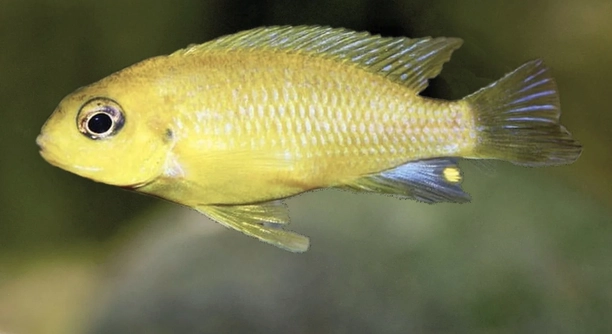
Cichlids are fascinating fish with unique behaviors that make them popular in home aquariums. Observing their interactions with bubbles can reveal patterns in their environment and social habits, showing subtle responses that many owners overlook.
Cichlids respond to specific bubble patterns in predictable ways. They are particularly sensitive to bubble size, frequency, and placement, which can influence their movement, territorial displays, and feeding behavior. Recognizing these patterns helps maintain a healthy and stimulating aquarium environment.
Learning these responses can improve tank setups and ensure happier, more active fish, making everyday aquarium care more engaging and effective for their wellbeing.
Small, Steady Bubbles
Small, steady bubbles catch cichlids’ attention because they create a calm and consistent environment. They tend to swim closer and investigate the area where the bubbles rise. In some species, these bubbles can encourage feeding behaviors, as the fish associate movement in the water with food. Over time, small bubbles can also reduce stress, since cichlids prefer predictable patterns in their tanks. Watching them interact with these bubbles is a subtle way to monitor their mood and health. Tank setups that include gentle, constant bubbling often show more active and exploratory behavior in cichlids. Their curiosity can be sparked by these small changes, giving them mental stimulation without overwhelming them. When paired with proper lighting and hiding spaces, the steady bubbles help maintain a balanced tank environment, making the aquarium more enjoyable to observe every day. The quiet rise of the bubbles is enough to make a noticeable difference.
Small steady bubbles improve tank engagement and reduce stress, encouraging active, calm swimming patterns among cichlids.
Setting up consistent, small bubbles is straightforward. Use an air stone or gentle filter to produce them evenly. Position the bubbles so they flow across open areas where fish can swim freely. Avoid clustering too many bubbles in one corner, as it may create strong currents that some cichlids find stressful. Monitoring their reactions helps adjust the intensity and placement, ensuring the bubbles remain stimulating without causing agitation. Over time, these small adjustments support a more natural environment, promoting healthier behavior and social interaction. Observing the fish respond to this subtle change can be rewarding and informative for tank care. By keeping the pattern consistent, you can create a calming, active environment that benefits both fish and the overall ecosystem of the aquarium. Regular observation ensures the setup continues to meet their needs while enhancing the visual appeal of the tank.
Rapid, Irregular Bubbles
Rapid, irregular bubbles create excitement and alertness in cichlids, triggering quick swimming and territorial displays that are noticeable.
These unpredictable bubbles stimulate natural instincts, making cichlids more responsive and active. Fish often chase or inspect the bubbles, moving quickly through the water column. This activity mimics environmental changes found in their natural habitats, such as water currents or sudden disturbances. Over time, using rapid bubbles in moderation can enrich their environment, encouraging exercise and mental alertness. However, too many irregular bubbles can overwhelm sensitive species, causing stress or hiding behavior. Adjusting the frequency and location of these bubbles is important, and careful observation ensures that all fish in the tank respond positively. By varying bubble patterns and combining them with other tank elements like plants or rocks, the fish receive a more dynamic setting that promotes interaction and natural behavior. Monitoring responses helps refine the bubble activity, creating an aquarium that supports both stimulation and comfort for the cichlids.
Large, Rising Bubbles
Large, rising bubbles draw cichlids’ attention quickly. They often investigate or swim around the bubbles, showing curiosity and increased movement in the tank.
These bubbles create stronger water currents, which encourage cichlids to swim actively. The movement simulates environmental changes they might encounter in natural habitats, like shifting river currents. Many cichlids use these currents to explore territory or practice social behaviors. Large bubbles can also stimulate feeding instincts, as fish may interpret the movement as potential food particles. Careful placement ensures the bubbles do not overwhelm timid species. Observing reactions helps maintain a balance between activity and stress. Over time, these bubbles enhance exercise, mental stimulation, and social interaction.
Some cichlids might initially be cautious around large bubbles but often grow accustomed and begin using the currents to explore. Adjusting the bubble source and intensity allows for safe interaction. Pairing this with hiding spaces ensures fish can retreat if needed. The combination of large bubbles and varied tank structure keeps fish active, reduces boredom, and promotes natural behaviors. By monitoring responses, you can refine patterns to suit different cichlid species and maintain a lively, balanced tank environment.
Clustered Bubble Groups
Clustered bubble groups create small zones of activity, attracting cichlids to gather and investigate. Fish tend to circle or hover around these areas.
These clusters provide a dynamic visual and physical stimulus within the tank. Cichlids are naturally curious and will often explore each bubble group to check for food or potential threats. The patterns encourage social interaction, as multiple fish may swim together around the same cluster. By using clusters, tank owners can direct movement to specific areas, encouraging activity and exploration without stressing the fish. Proper spacing prevents overcrowding and ensures weaker or shy individuals still have space to retreat. Observation allows adjustments to density, helping maintain a healthy, engaging tank environment.
Clustered bubbles also mimic natural air pockets or water disturbances, promoting instinctive behaviors such as territorial display, hovering, and playful chasing. Fish respond differently based on species, size, and temperament, making the setup interactive and adaptable. Positioning the clusters strategically helps balance high-traffic zones with quiet areas, supporting both active and resting behaviors. Over time, these bubble groups encourage movement, improve circulation, and enhance environmental enrichment, contributing to overall wellbeing. Watching how different cichlids respond can guide adjustments, ensuring all fish benefit from the stimulation without feeling stressed or crowded.
Vertical Bubble Columns
Vertical bubble columns create a clear path for cichlids to swim up and down. Fish often follow these columns, using them to navigate and explore their tank more actively.
These columns also help oxygenate the water efficiently. Cichlids respond by spending more time near these areas, often hovering or swimming through the rising bubbles.
Intermittent Bubble Streams
Intermittent bubble streams keep cichlids alert, as the irregular bursts encourage movement and inspection. Fish may chase the bubbles or investigate each new stream carefully. Over time, this pattern can help maintain mental stimulation, preventing boredom and promoting natural behaviors. It also encourages exercise without overwhelming them.
Corner Bubble Traps
Corner bubble traps attract fish to specific areas, creating localized activity and interaction points within the tank. Fish often gather in these corners, circling or hovering as they explore the rising bubbles.
FAQ
How do cichlids react to different bubble sizes?
Cichlids react differently depending on bubble size. Small bubbles tend to attract them gradually, creating calm swimming behavior and exploration. Large bubbles generate stronger currents, prompting more active swimming and sometimes territorial displays. Observing their responses helps determine which size encourages natural, healthy activity without causing stress.
Can bubble patterns affect feeding behavior?
Yes, bubble patterns can influence feeding. Fish often associate rising bubbles with movement in the water, which can simulate food particles. Small, steady bubbles may encourage gentle foraging, while intermittent or irregular streams can trigger more active hunting behavior. Using bubbles strategically can support proper feeding routines and exercise.
Are certain cichlid species more sensitive to bubbles?
Some species are more reactive than others. Aggressive or territorial cichlids often respond strongly to rapid or large bubbles, while timid species may prefer smaller, steady bubbles. Understanding the temperament of each species in a tank allows better placement and intensity of bubbles to minimize stress and encourage natural behaviors.
How should bubble placement be managed in the tank?
Placement is key for balance and interaction. Bubbles should be positioned to encourage exploration without overwhelming timid fish. Clustered groups or vertical columns can guide movement, while corners or open areas provide resting zones. Adjusting placement based on observation ensures all fish benefit and reduces conflicts.
Do bubbles help improve water quality for cichlids?
Bubbles aid oxygenation, which supports overall fish health. Vertical columns or strong streams increase water circulation, helping maintain consistent oxygen levels and dispersing waste evenly. While bubbles alone do not replace filtration, they complement other systems, promoting a stable and healthy tank environment for cichlids.
Is it safe to use high-powered bubble generators?
High-powered generators can be safe if used carefully, but they may create strong currents that stress or injure timid species. It’s best to start with moderate intensity, monitor fish behavior, and adjust gradually. Proper placement and combining with calmer areas allow all fish to interact safely with the bubbles.
How often should bubble patterns be changed?
Bubble patterns can be changed periodically to maintain interest and stimulation. Small adjustments in frequency, placement, or intensity prevent boredom and encourage exploration. Regular observation ensures that changes enhance activity without causing stress or overcrowding in specific areas of the tank.
Can bubbles influence breeding behavior?
Yes, bubbles can play a role in breeding behavior. Some cichlids respond to gentle rising bubbles by establishing territories or showing courtship displays. Creating areas with steady, small bubbles can encourage nesting and interaction between pairs, supporting natural reproductive behavior within a home aquarium.
Do bubbles stress cichlids if used incorrectly?
Improper use of bubbles can cause stress. Strong, irregular, or continuous currents in confined spaces may overwhelm fish, causing hiding or erratic swimming. Observing responses and adjusting bubble intensity, size, and placement ensures stimulation without distress, creating a healthier and more comfortable environment for all species in the tank.
Can bubble patterns replace other enrichment methods?
Bubbles are a useful enrichment tool but do not replace other methods like plants, rocks, or hiding spaces. Combining bubble patterns with physical structures and varied environments provides both mental stimulation and safety. This balanced approach keeps cichlids active, reduces aggression, and promotes natural behavior consistently.
How do I know if my cichlids enjoy the bubble patterns?
Fish enjoyment can be gauged by observing behavior. Active swimming, hovering near bubbles, and exploration indicate positive responses. Conversely, hiding, frantic movements, or avoidance suggests adjustments are needed. By monitoring and modifying bubble patterns based on these behaviors, you create an environment that supports wellbeing and natural activity.
Are there any health benefits linked to bubble interaction?
Yes, bubbles promote exercise, reduce stress, and improve water circulation, which collectively support health. Swimming against currents strengthens muscles, while mental stimulation reduces boredom and aggression. Oxygenation improves gill function and overall vitality. Regular, safe interaction with bubbles contributes positively to a cichlid’s long-term wellbeing.
Cichlids are highly responsive to changes in their environment, and bubble patterns are a simple but effective way to engage them. Different patterns, sizes, and frequencies of bubbles can influence their behavior, activity levels, and even feeding instincts. Small, steady bubbles often encourage calm exploration, helping timid or new fish acclimate to a tank. Large, rising bubbles, on the other hand, create stronger currents that stimulate more active swimming and territorial displays. Intermittent or irregular bubbles add variety and keep fish alert, which can reduce boredom in an otherwise static environment. By observing how cichlids respond to these patterns, owners can adjust setups to create a balanced and stimulating habitat. Over time, using bubble patterns thoughtfully becomes a way to maintain the mental and physical health of the fish while also making the aquarium more interesting to watch.
Clustered bubbles and corner bubble traps are additional strategies to direct movement and activity within the tank. Cichlids often gather around these areas, showing natural behaviors like hovering, circling, or chasing. Vertical bubble columns provide a pathway for vertical movement, encouraging exercise and interaction with different tank levels. Each type of bubble pattern serves a purpose, whether it is stimulating curiosity, promoting physical activity, or helping fish feel secure. Placing bubbles strategically ensures that timid species have safe spaces to retreat while more confident fish can explore actively. Careful placement and monitoring of bubble intensity and frequency are essential to prevent stress or aggressive interactions. Adjustments can be made gradually to see how each fish responds, which helps maintain harmony in a mixed-species tank. Consistency paired with small changes can create a dynamic environment that feels natural to the cichlids, supporting their instincts while also keeping their surroundings visually engaging for the observer.
Incorporating bubbles into a cichlid tank is a practical and low-maintenance form of enrichment. While bubbles alone do not replace other environmental elements like plants, rocks, or hiding spaces, they complement these features by enhancing water movement, oxygenation, and overall stimulation. Monitoring responses is key to success, as different species and individual temperaments vary widely. Some fish respond strongly to larger or irregular bubbles, while others prefer calm, steady patterns. Recognizing these differences allows tank owners to create a setup that encourages healthy activity, reduces stress, and promotes natural behaviors. In the end, understanding and using bubble patterns thoughtfully contributes to a balanced, active, and visually appealing aquarium. Proper use of these techniques not only improves the wellbeing of the cichlids but also makes daily observation and care more rewarding. By paying attention to their responses, owners can ensure that each fish thrives in a dynamic, healthy, and comfortable environment.

Hello,
If you enjoy the content that we create, please consider saying a "Thank You!" by leaving a tip.
Every little bit helps us continue crafting quality advice that supports the health, happiness, and well-being of pets around the world, for pets of all shapes, sizes, and species.
We really appreciate the kindness and support that you show us!