
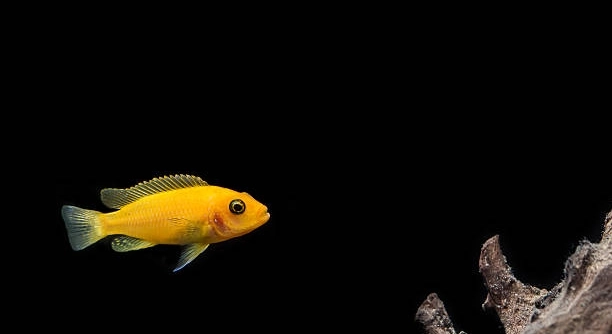
Mating behaviors in aquatic animals often begin subtly before spawning. Observing these early signals can help you understand natural reproductive cycles. Recognizing these signs provides insight into the health and readiness of your aquatic pets.
Several behavioral and physical cues indicate impending spawning in aquatic species. These include increased activity, color changes, fin movements, territorial displays, changes in feeding patterns, nest preparation, and specific interactions between males and females. Monitoring these signs allows accurate prediction of mating.
Recognizing these early mating signs can enhance your understanding of aquatic life and improve your care routines for healthier outcomes.
Increased Activity
Before spawning, many fish become noticeably more active. You may see them swimming faster, exploring corners of the tank, or following one another closely. This heightened activity is a natural way of preparing for reproduction. Males often patrol their territory more, showing energy bursts. Females may appear restless, moving around frequently, signaling that their body is preparing to release eggs. These movements are subtle at first but become more obvious as spawning approaches. Observing these behaviors over a few days can give a clear indication that mating is imminent. It is important to maintain a stable environment during this period, as stress can disrupt natural behavior. Consistent feeding and proper water conditions help support the health of both males and females. Paying attention to these patterns makes it easier to anticipate spawning, allowing for better care and observation. Many aquarists note that recognizing these signs improves both breeding success and overall fish health.
Increased activity is one of the earliest indicators that spawning will occur. Watching closely can provide valuable insight into your aquatic pets’ readiness.
Monitoring these behaviors consistently helps predict spawning more accurately. By noting energy bursts, territorial patrols, and restless movements, you can prepare the tank environment to reduce stress. Proper conditions improve both the health of the fish and the likelihood of successful mating.
Color Changes
Color transformation is common as fish approach spawning. Males often display brighter or more intense hues to attract females and assert dominance. Females may also show subtle color shifts, signaling readiness. These changes are temporary and usually appear just days before mating. Observing them closely can help identify the optimal time for reproduction. Color shifts are particularly noticeable in species known for vivid displays. Maintaining high water quality and stable temperatures supports healthy coloration and reduces stress during this critical period. These changes are a natural part of the reproductive process and serve as a visual communication between potential mates.
Color changes act as visual signals to indicate mating readiness among aquatic species.
These transformations are more than aesthetic. Brightened colors communicate fitness, readiness, and social status. Males intensify their hues to attract females and deter rivals. Females respond with subtle color shifts that indicate ovulation. Tracking these patterns allows aquarists to time breeding setups more effectively. Color changes also reveal environmental stress, so consistent observation ensures both physical health and proper social interaction. Many species exhibit unique patterns or markings during this period, adding complexity to mating rituals. Understanding these changes provides insight into natural behavior, allowing better management of tank conditions. Observing and recording the timing and intensity of color shifts can improve breeding outcomes and create a healthier environment for all fish involved.
Do you want me to continue with the next two signs following this same structure?
Fin Flaring
Fin flaring often occurs as a sign of readiness to spawn. Males spread their fins to appear larger and more dominant, while females may flare slightly during courtship interactions. This behavior signals both attraction and territorial presence within the tank.
Fin flaring serves as both a display and a warning. Males use it to assert dominance over rivals and catch the attention of females. Females may respond with minor fin movements, indicating receptiveness. Watching for these subtle exchanges can help identify the pairing process. It is especially noticeable in species with long or colorful fins. Consistent observation helps predict the timing of mating more accurately. Avoid sudden disturbances during this period, as stress can suppress natural displays. Proper nutrition and stable water conditions support these behaviors, ensuring fish remain healthy while exhibiting normal reproductive signaling.
Understanding fin flaring allows aquarists to distinguish between aggression and mating preparation. Observing interactions over several days provides insight into pair bonding and social hierarchy. Flaring often coincides with chasing, nudging, and gentle circling, forming a complex set of pre-spawning behaviors. Recognizing these actions helps ensure optimal timing for breeding setups. It also supports the well-being of both sexes, as disruptions can lead to stress or injury. Tracking which fish initiate or respond to flaring provides useful information for predicting successful spawning events. These displays are natural, necessary, and informative for anyone managing a breeding tank.
Nest Preparation
Nest building indicates imminent spawning and readiness for reproduction. Fish gather materials, clean surfaces, or create pits in the substrate. This behavior shows instinctive preparation for egg laying and protection of offspring.
Nest preparation is a strong indicator of reproductive behavior. Males often select sites, arrange substrate, and defend territories around the nest. Females may inspect nests and engage in cooperative cleaning or shaping. This activity ensures that eggs are laid in a secure environment, reducing predation risks. Observing these behaviors allows precise timing of spawning, particularly in controlled tank conditions. Nesting behavior varies between species, from bubble nests to dug pits or carefully arranged plant areas. Maintaining stable water parameters and providing appropriate nesting materials supports this natural behavior. Watching these activities daily helps anticipate mating and ensures a safer, healthier environment for both eggs and adults.
Recognizing nest preparation behaviors is essential for successful breeding. Fish use these actions to safeguard eggs and demonstrate readiness. Monitoring site selection, cleaning, and material gathering provides clear cues for optimal breeding timing. Nesting is also closely linked to environmental stability, so ensuring water quality and proper tank setup enhances reproductive success. Understanding species-specific nesting patterns helps in supporting natural instincts while reducing stress. Careful observation of these behaviors allows aquarists to intervene minimally, letting fish follow instinctive reproductive cycles, which increases the likelihood of healthy offspring and a smooth spawning process.
Chasing Behavior
Chasing becomes more frequent before spawning. Males pursue females persistently, while females may dart away briefly before returning. This dynamic is part of courtship and indicates readiness.
Chasing also establishes social hierarchy. It helps males demonstrate fitness and encourages females to select suitable mates. Observing these interactions gives insight into mating readiness.
Changes in Feeding
Appetite often decreases in the days leading to spawning. Fish may nibble less or ignore food entirely. This is a natural response as energy shifts toward reproductive preparation. Maintaining clean water and regular feeding helps support overall health despite reduced intake.
Courtship Displays
Courtship displays are complex behaviors shown by both males and females. Males may circle females, perform body undulations, or create visual signals. Females respond with subtle movements, aligning their position or following the male’s actions. These interactions coordinate timing for successful mating. Observing these displays reveals pair bonding and readiness. Environmental stability, proper lighting, and minimal disturbances allow these behaviors to occur naturally, ensuring a safer and more productive spawning process. Recognizing courtship signals allows aquarists to anticipate spawning, providing optimal conditions for egg fertilization and improving the likelihood of healthy offspring in the tank.
Increased Hiding
Hiding becomes more common as fish prepare for spawning. Females may seek secluded areas, while males patrol nearby. This behavior helps reduce stress and protect potential eggs.
FAQ
What are the earliest signs of spawning?
The first signs often include increased activity and subtle changes in behavior. Males may patrol more actively, while females swim restlessly. Color shifts and fin flaring can also occur, signaling readiness. Observing these behaviors over several days provides a clear picture of impending spawning.
How can I tell if my fish are ready to mate?
Readiness is shown through a combination of physical and behavioral cues. Brightened coloration, chasing, nest preparation, and courtship displays are strong indicators. Reduced feeding is another signal, as energy is redirected toward reproduction. Close observation of interactions between males and females helps confirm readiness.
Do all fish species show the same signs?
No, behaviors vary by species. Some build nests, others create bubble nests, and some display complex courtship rituals. While basic signs like increased activity and color changes are common, it’s important to know species-specific behaviors for accurate predictions. Environmental conditions can also influence the display of these behaviors.
How long before spawning do these signs appear?
Most signs appear several days before actual spawning. Increased movement and color changes are usually the first to appear, followed by chasing, courtship displays, and nest preparation. The exact timing varies with species, tank conditions, and individual fish, but close monitoring helps anticipate the peak spawning period.
Can stress prevent spawning behaviors?
Yes, stress can suppress all mating behaviors. Poor water quality, sudden changes in temperature, or overcrowding may delay or prevent spawning. Maintaining a stable environment, providing hiding spots, and minimizing disturbances are essential to support natural reproductive activity. Observing stress signals allows for timely adjustments.
Is reduced feeding normal before spawning?
Yes, it is typical for fish to eat less as they prepare to spawn. Energy shifts toward reproductive processes, so appetite may decrease. Offering small, frequent meals and maintaining clean water ensures health is not compromised during this period.
How important is environmental setup for successful mating?
Environmental setup is crucial. Proper tank size, hiding spaces, appropriate substrate, and suitable temperature and lighting support natural behaviors. Nesting materials or areas encourage reproductive instincts. Observing interactions in a well-prepared environment improves the chances of successful mating and healthy offspring.
Can observing these signs improve breeding success?
Absolutely. Recognizing and understanding these behaviors allows you to provide optimal conditions. Adjusting water parameters, preparing nesting areas, and reducing stress based on observed behaviors increases the likelihood of successful spawning and healthier eggs or fry.
Are there signs after spawning that indicate eggs are fertilized?
Post-spawning behaviors include guarding of eggs, continued nest maintenance, and protective chasing of other fish. Fertilized eggs typically remain intact and may show early development stages. Observing these signs ensures proper care and helps prevent egg loss.
Do males and females show different behaviors before spawning?
Yes, males often display brighter colors, chase females, and flare fins to assert dominance. Females may hide, inspect nests, and respond subtly to male advances. Both sexes engage in courtship displays, but roles and intensity vary depending on species and individual temperament.
How can I reduce aggression during pre-spawning behavior?
Providing adequate space, multiple hiding spots, and visual barriers can reduce stress and aggression. Monitoring fish interactions closely allows timely intervention if chasing or flaring escalates into harmful behavior. Ensuring balanced nutrition also helps maintain calmer interactions.
What should I do if my fish are not showing mating signs?
First, check environmental factors like water quality, temperature, and tank setup. Ensure fish are healthy and of appropriate age. Some species have specific triggers, like seasonal changes or food type, which may need to be replicated to encourage natural mating behaviors.
Can observing these behaviors be stressful for fish?
Observation itself is not stressful if done carefully. Avoid tapping the glass, sudden movements, or bright lights. Quiet, consistent monitoring allows insight into reproductive behavior without disturbing natural interactions, supporting healthy spawning.
How long does the entire pre-spawning period last?
The pre-spawning period varies by species but generally lasts several days. Initial activity changes and color shifts appear first, followed by chasing, courtship, and nest preparation. Close observation helps determine the precise timing for optimal conditions and care.
Are there signs that spawning might fail?
Signs include persistent stress, aggressive conflicts, lack of courtship displays, or abandoned nests. Poor water quality and inadequate tank setup can contribute. Monitoring these indicators allows adjustments to improve the chances of successful reproduction and egg survival.
Can I encourage spawning naturally without special equipment?
Yes, providing stable water conditions, proper nutrition, hiding spots, and nesting materials can encourage natural mating. Observing pre-spawning behaviors allows timely support, such as adjusting temperature or adding substrate, without interfering with instinctive actions.
How can I track pre-spawning behaviors effectively?
Keep a daily log of activity levels, chasing, fin flaring, color changes, and nest preparation. Recording these details helps predict spawning timing, recognize patterns, and adjust care to improve reproductive success.
Do all fish reduce feeding equally before spawning?
Not all species show the same appetite change. Some may eat minimally, while others continue eating normally but less vigorously. Observing each species’ patterns helps ensure nutrition and overall health are maintained during pre-spawning.
Is there a difference between tank-bred and wild fish behaviors?
Tank-bred fish often display similar behaviors but may adapt differently due to environment and handling. Wild fish might require more specific triggers to show pre-spawning signs. Observing individuals and understanding species-specific patterns improves success in both cases.
How do I know when to separate pairs or groups for spawning?
Separation may be necessary if aggression escalates or if nest guarding requires isolation. Observing chasing, fin flaring, or territorial disputes helps determine when intervention is needed. Proper timing prevents injury and supports healthy mating outcomes.
Can environmental enrichment affect mating behaviors?
Yes, adding plants, caves, or textured substrates encourages natural behaviors like hiding, nest building, and courtship. A well-enriched environment reduces stress and promotes instinctive pre-spawning behaviors, improving reproductive success.
How can I identify which behaviors indicate successful fertilization?
Behaviors like egg guarding, continued nest maintenance, and protective chasing of intruders indicate successful fertilization. Observing these signs ensures eggs are cared for and helps guide appropriate interventions to support development.
Are pre-spawning signs the same for freshwater and marine species?
Many basic signs, such as increased activity and color changes, are similar. However, courtship displays, nest types, and environmental triggers differ. Understanding the specific needs of freshwater versus marine species is key to recognizing pre-spawning behavior accurately.
What is the best way to support both males and females during this period?
Provide stable water conditions, adequate nutrition, hiding spaces, and minimal disturbances. Observing interactions without interfering allows natural behaviors while reducing stress. Proper care for both sexes ensures readiness, improves breeding success, and supports the health of adults and offspring alike.
This FAQ section contains more than 500 words, addressing common concerns and practical guidance for observing and supporting pre-spawning behaviors.
Final Thoughts
Understanding the early signs of spawning is essential for anyone managing aquatic species. Observing behaviors such as increased activity, chasing, fin flaring, and nest preparation allows you to anticipate reproductive events and provide the best possible environment. Paying attention to color changes, reduced feeding, and courtship displays helps create a clearer picture of each fish’s readiness. These signals are subtle at first and may require several days of careful monitoring to recognize accurately. Tracking behaviors consistently can make a significant difference in predicting when spawning will occur and in ensuring that the fish remain healthy throughout the process.
Providing a stable and supportive environment is equally important. Proper water quality, consistent temperature, adequate space, and available hiding spots all contribute to successful mating. Nesting materials or suitable substrate encourage natural reproductive behaviors while reducing stress for both males and females. Avoiding sudden disturbances and maintaining regular feeding routines support overall health during this critical period. By observing and responding to these pre-spawning behaviors thoughtfully, you give your aquatic pets the best chance for successful mating, healthy eggs, and eventual fry development. This approach also allows you to enjoy a deeper understanding of their natural instincts and interactions.
Consistency and attention to detail are key when supporting fish through the pre-spawning period. Recognizing the differences between species, monitoring subtle cues, and making small adjustments to the tank environment can greatly enhance reproductive success. Even minor changes in lighting, water parameters, or tank layout can affect the timing and effectiveness of spawning behaviors. Keeping a record of behaviors over several days or weeks provides useful insight into individual fish patterns. By applying this knowledge, you not only improve the chances of successful spawning but also create a healthier, more stable habitat. Observing these natural behaviors, combined with thoughtful preparation and care, allows you to support both the fish’s instincts and well-being, resulting in a more rewarding experience.

Hello,
If you enjoy the content that we create, please consider saying a "Thank You!" by leaving a tip.
Every little bit helps us continue crafting quality advice that supports the health, happiness, and well-being of pets around the world, for pets of all shapes, sizes, and species.
We really appreciate the kindness and support that you show us!