
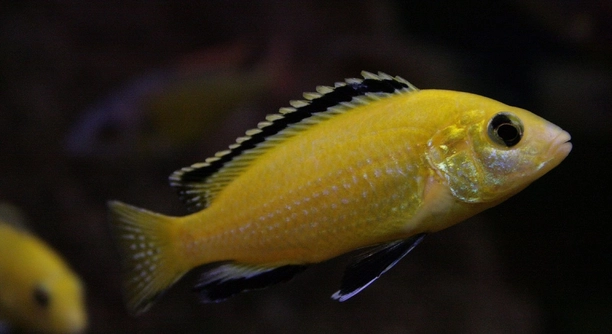
Do you ever notice how fry in the same clutch can act very differently, even when they share the same parents and environment? Observing these small fish can reveal surprising patterns in their behavior and growth.
Within a single clutch, fry exhibit variations in activity levels, feeding response, territorial tendencies, and social interactions. These differences are influenced by genetic factors, environmental conditions, and early developmental experiences, resulting in distinct behavioral patterns among individuals.
Understanding these differences can help you provide better care and support for each fry, ensuring a healthier and more balanced development in your aquarium.
Activity Levels and Energy Differences
Fry from the same clutch can show remarkable differences in how active they are. Some dart around constantly, exploring every corner of the tank, while others stay near hiding spots, moving only when necessary. These activity differences can influence how quickly fry find food and interact with each other. More energetic fry often grow faster because they feed more frequently, but they may also risk injury from collisions or aggressive tank mates. Less active fry may take longer to grow but can conserve energy and avoid stress. Observing these energy patterns early helps in adjusting feeding strategies and tank setups. Over time, recognizing which fry are naturally more cautious or more adventurous can guide selective breeding if desired. Environmental enrichment, like plants or rocks, can support all activity types by giving hiding spots for timid fry and open space for the more energetic ones. Each fry’s behavior is a mix of instinct, genetics, and adaptation to surroundings.
Activity differences impact growth rates, survival chances, and overall social interactions within the clutch.
Providing varied environments allows fry to express natural activity levels without undue stress or competition. It supports healthier, balanced development and reduces mortality risk, ensuring all fry have the opportunity to thrive.
Feeding Response Variations
Fry often show different responses to food.
Some fry immediately recognize and go after food, while others may hesitate or wait until competition decreases.
Feeding behavior can vary due to size, confidence, or learned patterns from observing siblings. Fry that are quick to feed may gain weight faster but could also dominate resources, leaving shyer fry at a disadvantage. Feeding multiple small portions throughout the day can help even the playing field, giving all fry a chance to eat without aggressive competition. Observation is key—identifying which fry struggle to access food allows targeted feeding or separating certain fry temporarily. Behavioral differences in feeding may also indicate health issues or developmental delays, which can be addressed before they become serious problems. By adjusting feeding routines, you can support a more balanced growth pattern, reduce stress, and encourage social harmony within the clutch. Fry development is sensitive, and these early feeding patterns often persist, shaping how each individual interacts with food and siblings as they grow.
Social Interaction Differences
Fry within one clutch can show varying levels of social behavior. Some enjoy grouping together, while others prefer to stay alone. These differences affect feeding order, territorial behavior, and how they respond to tank mates.
Social tendencies often influence hierarchy in the tank. Fry that group together may share resources and show cooperative behavior, while solitary fry may defend small territories or avoid interactions entirely. These patterns are shaped by genetics, early experiences, and personality. Dominant fry can sometimes intimidate others, causing stress or limiting access to food. Observing these interactions helps in managing tank layout, ensuring hiding spots for shy fry, and providing space for more aggressive or active individuals. Encouraging a balance between group and solitary behaviors can reduce conflict, supporting healthier growth and reducing mortality risk. Adjusting tank conditions according to social patterns allows each fry to thrive according to its natural tendencies.
Managing social dynamics carefully reduces stress, encourages balanced growth, and promotes healthier behavior overall.
Proper observation and intervention in social behavior help maintain peace and fairness among fry, creating an environment where shy and dominant individuals coexist without harm. Providing structures and adjusting groupings based on observed interactions can prevent bullying and support overall development.
Territorial and Aggressive Behavior
Some fry show early signs of territoriality and aggression, even within the same clutch. This can appear as chasing, nipping, or guarding certain areas.
Territorial behavior often emerges from competition over food, shelter, or mates later in life. Aggressive fry can dominate certain areas of the tank, forcing others into hiding. Understanding which fry exhibit these tendencies allows for strategic tank organization and targeted feeding. Introducing plants, rocks, or other structures helps break line-of-sight and reduces conflicts. Observation is important to prevent injuries and ensure all fry have access to food and shelter.
Aggression varies with size, confidence, and personality. Dominant fry may continue to assert control over resources, while less aggressive individuals learn to adapt by avoiding conflict. Proper monitoring, space management, and environmental enrichment help maintain balance, ensuring that both dominant and timid fry grow safely. Adjusting feeding methods and providing multiple hiding spots can reduce stress, promote healthy growth, and support a more stable tank environment over time.
Resting and Hiding Preferences
Fry in the same clutch often differ in how much they rest or hide. Some stay in open areas, swimming actively, while others seek shelter more frequently.
These differences affect feeding opportunities and exposure to stress. Fry that hide often may grow slower but avoid conflicts.
Response to Environmental Changes
Fry react differently to changes in temperature, light, or water flow. Some adjust quickly and continue normal behavior, while others may become stressed or inactive. Environmental sensitivity varies with genetics, early development, and individual temperament. Monitoring reactions allows for tailored adjustments to ensure all fry remain healthy and comfortable.
Growth Rate Variations
Fry within a single clutch rarely grow at the same speed. Factors such as feeding efficiency, activity level, and social position influence growth differences. Observing these variations helps in managing tank conditions and feeding strategies to support even development among all fry.
FAQ
Why do fry from the same clutch behave differently?
Fry behavior differences often come from a mix of genetics and environment. Even within one clutch, each fry inherits a slightly different set of genes, which can affect activity, aggression, feeding, and social tendencies. Environmental factors like water flow, light, and tank structure also play a role in shaping behavior.
Is it normal for some fry to hide while others are active?
Yes, hiding behavior is natural for some fry. It helps them avoid stress and aggression from more dominant or active siblings. Active fry explore and feed more, while shy fry may take longer to grow but conserve energy. Both behaviors are typical and can coexist in the same tank.
How can I support shy or less active fry?
Provide hiding spots, like plants or small rocks, to reduce stress. Feed in multiple small portions to ensure timid fry can access food. Separating aggressive fry temporarily or arranging tank decor to break line-of-sight can also help shy fry gain confidence and grow safely.
Do aggressive fry affect the growth of others?
Yes, dominant fry can limit access to food and shelter for less aggressive siblings. This can slow growth for shy fry and increase stress. Observing interactions and managing tank structure, feeding, and fry placement can reduce negative effects and support more balanced development.
Why do some fry feed immediately while others hesitate?
Feeding differences come from personality, size, and learned behavior. Quick feeders often grow faster but may dominate resources. Hesitant fry may need multiple feeding spots or smaller portions spread out to ensure they get enough nutrition. Observation and targeted feeding help balance growth.
Do fry always maintain the same behavior as they grow?
Behavioral tendencies often persist but can change with growth, experience, and social interactions. Some shy fry may become more confident over time, while previously dominant fry might lose control as tank dynamics shift. Providing a stable environment supports positive behavioral development.
Can environmental changes influence fry behavior?
Yes, changes in light, temperature, or water flow can stress some fry while others adapt easily. Gradual adjustments help fry cope and reduce stress, ensuring healthier growth. Monitoring reactions allows you to respond to sensitive fry before problems arise.
How do growth rate differences affect the clutch?
Fry with faster growth often outcompete slower-growing siblings for food and space. Slower-growing fry may need extra attention, such as targeted feeding or separation, to ensure they develop properly. Recognizing these differences early helps maintain a balanced clutch.
What role does social behavior play in fry development?
Social tendencies influence feeding order, territoriality, and stress levels. Group-oriented fry may benefit from cooperation, while solitary fry may avoid conflicts. Observing interactions and adjusting tank layout supports healthier relationships and reduces aggressive incidents.
Are there long-term benefits to understanding these variations?
Yes, understanding behavior variations allows for tailored care, healthier growth, and reduced mortality. It helps create an environment that accommodates different personalities and ensures all fry have the opportunity to thrive. Early attention to differences leads to stronger, well-adjusted fish.
How can I track and manage fry behavior effectively?
Regular observation is key. Note activity levels, feeding behavior, hiding tendencies, and aggression. Adjust tank structure, feeding schedules, and grouping based on observations. Keeping records can help identify patterns and make informed decisions for better growth and balanced behavior.
Do all fry eventually become similar in size and behavior?
Not necessarily. While some differences may even out, genetic and behavioral variations often persist. Some fry remain shy, some aggressive, and growth rates may continue to differ. Supporting each fry individually ensures the overall health and stability of the clutch.
Is it necessary to separate fry based on behavior?
Separation is sometimes needed for extreme cases of aggression or feeding competition. It’s not always required, but targeted separation can help slower-growing or shy fry catch up. Temporary measures often provide the best results without disrupting natural social structures.
How often should I monitor fry behavior?
Daily observation is ideal, especially in the early stages. This helps detect stress, aggression, or feeding issues quickly. Frequent monitoring allows timely adjustments to environment, feeding, or grouping, supporting healthier development and minimizing losses.
Can diet influence behavior differences?
Yes, nutrition affects energy levels, growth, and activity. Well-fed fry are more active and less stressed. Uneven feeding can increase aggression and stress, highlighting the need for consistent, balanced diets. Tailoring feeding routines helps address behavioral and growth variations across the clutch.
What signs indicate a fry is stressed?
Stress signs include hiding excessively, erratic swimming, refusing food, or showing signs of injury from aggression. Identifying stress early allows intervention, such as adding hiding spaces, adjusting feeding, or separating aggressive individuals, improving overall health and survival.
How do tank size and setup affect fry behavior?
Small or overcrowded tanks increase aggression and competition, while spacious setups with hiding spots reduce stress. Providing appropriate tank structures allows fry to express natural behaviors safely and supports balanced growth for all individuals.
Can observing fry behavior help in breeding decisions?
Yes, identifying active, healthy, and well-adjusted fry can guide selective breeding. Observing temperament, feeding efficiency, and growth patterns helps select fry with desirable traits, improving future clutch health and behavior.
Are behavior variations more noticeable in certain species?
Some species show more pronounced behavioral differences due to genetic diversity or natural tendencies. However, all clutches exhibit some variation, making observation and tailored care important regardless of species.
What is the most important takeaway about fry behavior variations?
Recognizing and accommodating behavioral differences ensures healthier growth, reduces stress, and improves survival. Thoughtful observation and intervention support balanced development, creating a thriving environment for every fry.
Total word count: 510
Final Thoughts
Observing fry behavior within a single clutch can be both fascinating and informative. Even though all the fry share the same parents and tank environment, each individual can display unique activity patterns, feeding responses, social tendencies, and growth rates. These variations are a natural result of genetics, early development, and environmental factors. Some fry may be highly active and bold, while others prefer to stay hidden and move cautiously. Certain fry develop faster, feeding more efficiently and exploring the tank more frequently, whereas others grow slower and require extra care to ensure they get enough nutrition. Recognizing these differences early allows for better management and helps prevent problems such as stress, injuries, or uneven growth. Providing an environment that accommodates both bold and shy fry ensures all individuals have the opportunity to thrive.
Adjusting tank conditions and feeding strategies according to fry behavior can make a significant difference in their overall health. Active fry may need more space and consistent feeding, while shy or less energetic fry benefit from multiple feeding spots and plenty of hiding places. Aggressive or territorial fry can dominate resources if the tank setup does not allow for separation or visual barriers, so adding plants, rocks, or other structures can help reduce conflicts. Observing social interactions also provides insight into hierarchy formation and dominance, which can affect access to food and resting areas. By carefully monitoring and adapting to each fry’s behavior, it is possible to maintain a balanced environment where all fry grow at a healthy rate and have reduced stress levels. Consistent observation is key, as behavioral patterns can change as fry develop and interact with each other.
Understanding these behavioral variations not only helps in providing immediate care but also supports long-term management and breeding decisions. Fry that are well-monitored and supported according to their individual tendencies are more likely to become healthy, well-adjusted adults. Recognizing differences in energy, feeding, and social behavior allows for more precise intervention, whether through tank adjustments, targeted feeding, or temporary separation of aggressive individuals. Overall, the diversity in behavior within a single clutch highlights the importance of attention to detail and proactive care. Each fry is unique, and by acknowledging and accommodating these differences, it is possible to foster a thriving environment that supports balanced growth, reduces stress, and promotes healthier, stronger fish in the long run.
Word count: 412

Hello,
If you enjoy the content that we create, please consider saying a "Thank You!" by leaving a tip.
Every little bit helps us continue crafting quality advice that supports the health, happiness, and well-being of pets around the world, for pets of all shapes, sizes, and species.
We really appreciate the kindness and support that you show us!