
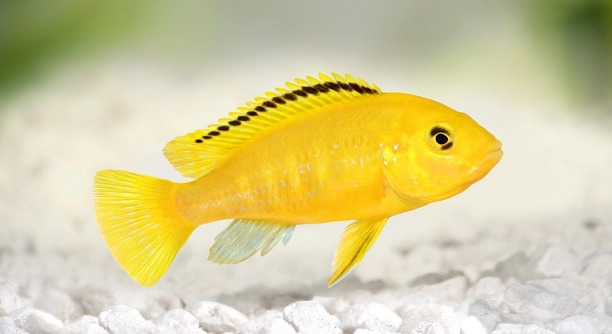
Are your fish tank dynamics feeling a little unpredictable lately? Some tankmates naturally influence others, shifting behaviors and interactions in ways that can surprise even experienced aquarists. These changes can be subtle or quite noticeable depending on the species.
Certain fish species alter social hierarchies and behaviors within community tanks. Dominant or aggressive individuals can suppress or provoke activity, while more passive species may adapt by hiding or changing feeding patterns, affecting overall harmony and interaction dynamics among all inhabitants.
Knowing which tankmates can change the social balance helps create a calmer, more stable environment for your aquatic pets. The following examples highlight these influential species and their effects.
Betta Fish
Betta fish are known for their vivid colors and flowing fins, but they can also dramatically affect tank dynamics. Males are territorial and may chase other fish, especially those with long fins or bright colors. Their presence can stress out more timid species, causing them to hide or reduce activity. Females are generally less aggressive, but when housed together, they may establish a hierarchy that influences feeding and movement. Bettas do best in tanks with careful planning to minimize conflicts. Including plenty of plants, hiding spots, and visual barriers can reduce aggression. Some peaceful species may adapt to a betta’s presence, but careful monitoring is always needed to maintain balance. Understanding how bettas assert dominance helps in predicting and managing shifts in tank behavior. These fish are fascinating but require attention to both their temperament and the reactions of other tankmates to maintain harmony.
They are striking but demand observation to prevent stress and aggressive encounters in the tank.
Many aquarists notice that introducing a betta can initially disrupt harmony. Timid fish may retreat, while more assertive species might challenge the betta or try to occupy the same space. Over time, the tank can reach a new equilibrium if there are enough hiding places and visual breaks. Bettas respond strongly to reflections and other fish that resemble themselves, so careful placement of tank decorations is essential. Using live plants or driftwood can provide cover and reduce tension. Feeding schedules also help maintain peace, as competition over food can trigger aggression. Observing behavior regularly allows for quick intervention if stress levels rise. With thoughtful planning, bettas can coexist in community tanks, teaching valuable lessons about social interactions and territoriality among aquatic species. Patience and attention to detail are key to achieving a stable environment.
Silver Dollar Fish
Silver dollar fish are fast, schooling fish that can change the dynamics of other tankmates.
Their constant movement and feeding habits can push slower or shy species into hiding, creating a more competitive atmosphere.
Keeping a school of silver dollars helps distribute attention and reduces stress, but they can overwhelm small or delicate species. Their active nature may encourage timid fish to seek shelter, and tankmates must be able to handle occasional bumping or chasing. Providing enough space and maintaining water quality is critical to manage the energy they bring. Despite their size and activity, silver dollars are generally peaceful with robust tankmates. Observation of interactions ensures the environment remains balanced, and adding plants or structures gives slower fish a refuge from the schooling fish. By planning tank layout and population carefully, silver dollars can coexist with various species while influencing social behavior in subtle but noticeable ways. Adjustments in feeding and tank structure can make the habitat enjoyable for all inhabitants.
Gouramis
Gouramis are peaceful but can become territorial, especially males during breeding or when feeling threatened. Their presence can influence shy tankmates, causing them to hide or limit movement.
Gouramis display both surface and mid-level activity, and their interactions can subtly dictate where other fish swim. Males may flare fins or chase smaller fish, while females often move in schools, creating calmer patterns in the tank. They respond to decorations and plants, which provide necessary boundaries and hiding spaces, helping reduce stress for all species. Monitoring their behavior ensures that conflicts do not escalate, maintaining harmony.
When keeping gouramis, consider the temperament of other fish. Aggressive or very timid species may need additional hiding spots. Feeding routines, tank layout, and observation of interactions are essential. Over time, gouramis can help structure tank dynamics, encouraging more active species to claim areas while less assertive fish adapt to available space. Thoughtful planning allows all inhabitants to coexist with minimal stress.
Angelfish
Angelfish are semi-aggressive and often change social hierarchies within community tanks. They establish territories, especially around breeding sites, which can limit space for other fish and shift group behavior.
Their tall, triangular bodies and slow, deliberate movements create a presence that other species notice immediately. Smaller fish may retreat or adjust their swimming patterns to avoid confrontation, while similarly sized or larger fish may compete for territory. Angelfish respond to tank decorations and plants as natural boundaries, which can help reduce conflicts if arranged strategically. Feeding schedules also influence behavior, as angelfish may dominate food sources, impacting growth and stress levels in more passive fish.
Managing angelfish alongside other species requires careful observation. Juvenile fish may be more adaptable, but adults tend to assert dominance. Properly structuring the tank with vertical space, hiding spots, and clear swimming zones helps balance social dynamics. Angelfish influence both movement and feeding patterns, and their presence can encourage more timid fish to explore new areas over time. Regularly checking interactions prevents escalation and maintains a stable, peaceful environment for all tankmates.
Corydoras Catfish
Corydoras catfish are peaceful bottom dwellers that help balance tank dynamics. Their constant scavenging encourages other species to adjust foraging habits, creating subtle shifts in social behavior.
They move in groups, which adds activity to the lower levels of the tank. This schooling behavior can influence more timid bottom dwellers to stay close together for safety, promoting a calmer and more predictable environment.
Oscars
Oscars are large, intelligent fish known for their assertive personalities. They often dominate feeding areas and can intimidate smaller tankmates. Their presence reshapes social interactions, forcing other species to find alternative spaces and feeding times. Oscars require spacious tanks and strong filtration to support their size and activity.
Neon Tetras
Neon tetras are small, schooling fish that create lively movement in the mid-level of the tank. Their group behavior encourages cohesion among similar species and can influence how larger or more timid fish navigate the tank. Their constant activity brings energy and a dynamic social structure to community aquariums.
What tankmates are known to change social dynamics the most?
Bettas, angelfish, and oscars are among the most influential. Bettas assert dominance through territorial behavior, angelfish establish vertical territories, and oscars use size and intelligence to influence feeding and movement. Other species like gouramis, silver dollars, and schooling fish also subtly adjust social hierarchies by their activity patterns.
How can I reduce aggression when keeping territorial fish?
Providing visual barriers, plants, and hiding spots is essential. Spacing decorations to break lines of sight helps reduce conflict. Regular observation during feeding and movement times allows early detection of stress. Adjusting population density and introducing new fish carefully prevents escalation and keeps dominant species from overwhelming others.
Do schooling fish affect other species in the tank?
Yes, schooling fish like silver dollars and neon tetras create constant movement, which encourages timid species to hide or stay within groups. Their coordinated swimming can establish zones within the tank, influencing where smaller or slower fish feed, rest, or move. Schooling patterns also help reduce stress among the schooling fish themselves.
Are smaller fish always at risk when adding larger tankmates?
Not always, but smaller fish may need extra protection. Providing lower-level hiding spaces or plants ensures they are not constantly chased. Some small species adapt by staying in groups or using tank corners, while others may require separate or divided tanks if stress becomes significant. Observation is key.
Can tank layout help manage social changes?
Absolutely. Vertical space for angelfish, mid-level swimming areas for tetras, and bottom hiding spots for catfish help create distinct zones. Using rocks, driftwood, and dense plants divides territory, reducing stress and limiting direct confrontation. A thoughtful layout encourages natural behaviors without forcing constant competition.
How does feeding influence tank dynamics?
Dominant species often take priority at feeding times, causing timid fish to miss meals. Spreading food across multiple areas or using sinking and floating foods can help all fish get proper nutrition. Consistent schedules and varied food types reduce aggression and maintain overall health.
Do tankmates’ personalities change over time?
Yes, behavior can evolve as fish mature. Juvenile fish may be more adaptable, while adults may assert dominance or establish territories more strongly. Observing these changes allows adjustments in tankmates, layout, or feeding practices to maintain harmony and reduce stress for all inhabitants.
What signs indicate social stress in fish?
Signs include hiding for long periods, reduced feeding, fin clamping, or unusual aggression. Timid fish may avoid dominant individuals entirely, and dominant fish may chase more than usual. Early detection and intervention, such as adding shelters or adjusting tankmates, help prevent serious injuries or long-term stress.
Is it necessary to separate aggressive fish immediately?
Not always, but immediate separation is necessary if injury occurs or stress is severe. Minor aggression can sometimes be managed through rearranging decorations, adding plants, or redistributing food. Monitoring interactions over days or weeks helps determine if separation is required.
How can I encourage a balanced social environment?
Mixing peaceful species with similar sizes, providing sufficient space, and creating multiple activity zones helps. Regular observation, proper feeding, and thoughtful tank design reduce conflict. Adjusting group sizes for schooling fish and introducing new species gradually ensures social balance and minimizes stress across the tank.
Do environmental factors influence social behavior?
Yes, water quality, temperature, and lighting affect stress levels. Poor conditions can heighten aggression or suppress activity. Consistent maintenance, appropriate filtration, and stable environmental parameters help fish maintain natural behaviors and minimize unnecessary social tension.
Can all fish coexist peacefully?
Not all combinations work. Some species naturally dominate or intimidate others. Matching temperaments, sizes, and activity levels is crucial. Planning and research before adding new fish, along with creating an enriched tank environment, allow coexistence without constant stress or conflict.
How long does it take for a tank to stabilize after adding new fish?
It varies. Some tanks settle within days, while others take weeks. Providing hiding spaces, monitoring interactions, and introducing fish slowly reduces conflict. Fish often adjust hierarchies naturally, but consistent observation ensures that all species thrive and stress remains minimal.
Are there tankmates that can positively influence social behavior?
Yes, schooling or peaceful mid-level swimmers can encourage shy species to explore and interact. Bottom dwellers like corydoras help keep the substrate clean, which reduces stress. Balanced combinations create a dynamic but stable environment where multiple species benefit from each other’s presence.
What should I do if social conflicts persist?
Rearranging the tank, adding barriers, or temporarily isolating aggressive individuals can help. In extreme cases, relocating one or more species to a separate tank may be necessary. Continuous monitoring and gradual adjustments maintain a healthy, balanced environment for all fish.
How important is observation in managing tank dynamics?
Observation is essential. Understanding behavior patterns, feeding responses, and territorial interactions allows timely interventions. Regular attention ensures early detection of stress or aggression, helping maintain harmony. Even subtle shifts in behavior can indicate larger social changes that need addressing to prevent long-term issues.
Can tankmates’ interactions teach us about fish behavior?
Yes, watching how species establish hierarchies, form groups, or adapt to changes provides insight into natural instincts. Social interactions reveal dominance, cooperation, and survival strategies, helping aquarists create supportive environments while understanding the needs and tendencies of each species.
Are there signs of successful social integration?
Balanced movement throughout the tank, reduced hiding, even feeding, and minimal aggression indicate healthy integration. Fish that maintain their normal behavior while coexisting with others show that social dynamics are stabilized and the tank environment is supportive for all inhabitants.
Do seasonal or breeding cycles affect social behavior?
Yes, breeding periods can increase aggression, especially among territorial or dominant species. Males may chase or flare more, while females may defend nesting areas. Awareness of these cycles helps in preparing the tank with additional shelters and monitoring interactions to prevent stress or injury.
How can I prevent future social disruptions?
Introducing new fish gradually, matching temperaments, and planning tank layout strategically reduces conflicts. Maintaining water quality, consistent feeding, and regular observation ensures a stable environment. Being proactive and responsive to behavior changes minimizes disruption and promotes long-term harmony among tankmates.
What resources can help manage complex tank dynamics?
Researching species behavior guides, consulting experienced aquarists, and monitoring scientific studies provide useful strategies. Aquarium forums, books, and care sheets offer practical advice for managing aggression, schooling behavior, and territorial tendencies, helping maintain a well-balanced, harmonious tank environment.
Understanding how different fish interact is essential for maintaining a healthy and balanced aquarium. Every species has unique behaviors that can affect the social structure of the tank. Aggressive or territorial fish can change the movement and feeding patterns of others, while peaceful or schooling species influence group dynamics and encourage cooperation. Observing these behaviors allows you to adjust tank layouts, feeding routines, and population management to reduce stress. It is important to pay attention not just to individual fish, but to how each species interacts with the others over time. Even small changes, like introducing plants, rocks, or hiding spots, can significantly impact how fish behave and coexist.
Planning the tank carefully helps minimize problems before they arise. Choosing compatible species in terms of size, temperament, and activity level is the first step toward creating a balanced environment. Providing distinct zones in the aquarium for swimming, feeding, and resting ensures that all fish have space to feel safe. Regular observation and maintenance are key to monitoring social dynamics and adjusting as needed. Feeding strategies, like spreading food across multiple areas, prevent dominant fish from monopolizing meals and allow more timid species to eat comfortably. Over time, fish may adapt to one another, but it requires careful attention and consistent care. By understanding the needs of each species, you can create a stable and supportive habitat that encourages natural behaviors while reducing stress and conflict.
Social dynamics in an aquarium are always evolving. Fish may change behavior as they mature, during breeding periods, or when new tankmates are introduced. Recognizing these changes and responding appropriately helps maintain harmony. Using visual barriers, adding hiding spots, and providing adequate space are effective ways to manage shifting hierarchies. It is equally important to ensure water quality, temperature, and filtration remain optimal, as environmental stress can worsen social conflicts. Observing interactions closely allows for early intervention, preventing serious aggression or health issues. With careful planning and ongoing attention, you can create a tank where each species thrives, demonstrating natural behaviors in a balanced and healthy environment. Thoughtful management and consistent care make the difference between a chaotic aquarium and a peaceful, dynamic community where all tankmates coexist successfully.

Hello,
If you enjoy the content that we create, please consider saying a "Thank You!" by leaving a tip.
Every little bit helps us continue crafting quality advice that supports the health, happiness, and well-being of pets around the world, for pets of all shapes, sizes, and species.
We really appreciate the kindness and support that you show us!