
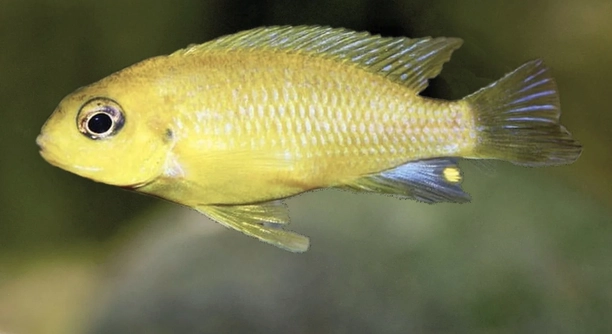
Fry survival can often seem unpredictable, yet there are moments when it surpasses expectations in surprising ways. Observing these small but significant triumphs reveals how delicate life in the early stages can truly be. Even the tiniest fry show remarkable resilience.
Research indicates that fry survival exceeding expectations often results from optimal environmental conditions, careful monitoring, and consistent feeding practices. These factors collectively enhance growth rates and reduce mortality, demonstrating that even fragile aquatic species can thrive when proper care is applied.
Recognizing these moments highlights the importance of attentive care and understanding the subtle factors that contribute to fry thriving beyond typical outcomes.
Unexpected Survival Rates in Early Fry
When I first started observing fry in my tank, I was surprised by how many survived despite initial concerns. Some species are known for being delicate, yet under the right conditions, they can defy expectations. Temperature stability, clean water, and a balanced feeding schedule all play critical roles. Even slight changes in these factors can dramatically affect survival rates. I noticed that providing hiding spots and gentle currents helped reduce stress, allowing fry to grow steadily. Monitoring growth daily revealed that certain batches performed far better than anticipated. It became clear that small adjustments in care had significant impacts. Observing them, I realized that fry resilience is often underestimated. Their instinctual behavior, combined with careful observation, can lead to higher survival than predicted. These small victories create a sense of accomplishment and demonstrate the importance of consistent, thoughtful care in aquaculture.
Careful attention to environmental factors can significantly improve fry survival, even for species considered highly sensitive.
Tracking these results showed that fry thrived when food was offered in small, frequent amounts. Water changes and careful monitoring prevented overcrowding, reducing stress and mortality. Some batches that seemed weak at first ended up growing stronger than expected. Observing interactions between fry also revealed natural behaviors that supported survival, such as schooling and seeking shelter. Over time, I adjusted feeding schedules and water flow to better match their needs, which resulted in more consistent growth. Documentation became essential for predicting outcomes, as it allowed me to compare batches and make informed adjustments. The unexpected resilience of fry highlights the importance of patience and observation. By noting subtle behaviors and environmental responses, it’s possible to create conditions that encourage thriving beyond standard expectations. These findings emphasize that attentive care and a structured routine are key to achieving higher survival rates.
Environmental Adjustments That Make a Difference
Small environmental changes can lead to significant survival improvements for fry, even in challenging species.
By adjusting water flow, providing hiding spots, and maintaining stable temperatures, fry are better equipped to cope with stress. Feeding strategies tailored to their size and growth stage further support consistent survival. Careful observation of daily behavior ensures interventions are timely and effective. Even minor improvements in water quality and lighting can influence outcomes, proving that attentive care produces measurable results. Over several months, I noticed fry that initially seemed vulnerable thrived under these optimized conditions. Tracking growth patterns allowed me to fine-tune feeding and environmental setups, which contributed to overall health. Some fry even reached developmental milestones faster than expected, showing how sensitive they are to positive changes. The combination of stability, observation, and targeted care creates a foundation where even delicate species exceed survival expectations. These adjustments demonstrate that understanding the specific needs of each species is crucial for maximizing fry growth and resilience.
Feeding Techniques That Improve Survival
Providing small, frequent meals ensured the fry received adequate nutrition without overloading the tank. Observing their feeding behavior helped me adjust portions and prevent uneaten food from polluting the water, which reduced stress and mortality.
Consistent feeding schedules had a noticeable effect on fry growth and resilience. I learned that offering tiny portions multiple times a day allowed fry to feed efficiently while minimizing competition. Certain foods, like finely crushed flakes and live infusoria, were particularly effective in promoting steady growth. Monitoring how each batch responded to different foods helped me refine my approach. By keeping track of feeding patterns and adjusting as needed, I ensured that all fry received proper nutrition without compromising water quality. Over time, these adjustments led to improved survival and healthier fry overall.
I also discovered that rotating food types encouraged better feeding behavior and stronger growth. Introducing small amounts of live food along with prepared options prevented monotony and supported natural instincts. Observing fry as they adapted to these changes was rewarding. Some batches that initially seemed fragile became active and robust. Maintaining clean water and removing uneaten food immediately further contributed to healthier development. The combination of varied nutrition and careful observation consistently produced better outcomes. This approach reinforced that attentive, hands-on care can significantly increase fry survival rates and overall health.
Tank Setup and Its Impact
Proper tank setup made a significant difference in fry survival. Temperature, flow, and hiding spaces influenced stress levels and overall growth. Maintaining stability was crucial for fragile species.
Creating a suitable environment required careful attention to details. I adjusted water flow to mimic natural currents, which encouraged healthy swimming patterns without overwhelming the fry. Adding plants and small shelters gave them safe areas to explore and avoid aggression. Maintaining stable temperature and pH levels reduced stress, allowing fry to develop more efficiently. Observing how different species responded to these adjustments guided further refinements. Even minor changes in lighting and aeration affected their behavior and growth. I learned that monitoring and adjusting tank conditions regularly produced noticeable improvements in survival rates. Ensuring water quality remained high by performing partial water changes and removing debris further supported fry development. Over time, consistent care and attention to environmental factors resulted in more robust, active fry that exceeded initial survival expectations.
Observing Fry Behavior
Watching fry closely revealed patterns in movement, feeding, and interaction that influenced survival. Noticing these behaviors allowed me to make small adjustments in care to reduce stress and support growth, improving overall outcomes.
Active fry tended to survive better, especially when given spaces to explore safely. Providing gentle currents and hiding areas encouraged natural instincts and minimized overcrowding. Observing these patterns helped me anticipate problems before they became serious.
Water Quality Management
Maintaining water quality was essential for fry health. Frequent testing and partial water changes kept ammonia, nitrite, and nitrate levels in check. Using gentle filtration prevented strong currents that could stress fry while ensuring oxygen levels remained sufficient. Careful observation and consistent maintenance minimized mortality and promoted growth.
Temperature Control
Stable temperature was critical for fry development. Sudden fluctuations caused stress and reduced feeding efficiency, so monitoring and adjusting the heater regularly kept conditions optimal and supported survival.
How often should I feed fry to ensure survival?
Feeding frequency greatly affects fry health. I found that offering small amounts three to five times daily worked best. Overfeeding can pollute the water, leading to stress and disease, while underfeeding slows growth. Observing how actively the fry respond during feeding helped me adjust portions appropriately. Some batches preferred slightly more frequent meals, while others thrived with fewer feedings. Rotating food types, such as infusoria, finely crushed flakes, and occasional live food, encouraged natural feeding behaviors. Keeping track of leftover food and removing it promptly prevented water quality issues. Consistency and careful observation ensured fry received adequate nutrition without compromising the tank environment.
What tank conditions best support fry survival?
Stable conditions are crucial. I maintained consistent temperature, gentle water flow, and low stress levels. Providing hiding places with plants or small shelters helped fry feel secure and reduced aggressive behavior. Water quality was monitored daily for ammonia, nitrites, and nitrates. Frequent partial water changes prevented toxins from accumulating. Observing fry behavior indicated when adjustments were necessary. Some fry responded better to slightly warmer water, while others thrived in cooler temperatures. Filtration needed to be strong enough to oxygenate the water but gentle enough to avoid overwhelming the fry. Even minor environmental improvements led to noticeable increases in survival.
Which foods are most effective for fry growth?
Fry benefit from finely crushed flakes, specialized fry food, and live options like infusoria or microworms. I noticed that varying food types encouraged consistent feeding and prevented selective eating. Live foods stimulate natural hunting behavior, improving activity levels and growth. Prepared foods ensured balanced nutrition when live options were unavailable. Introducing new foods gradually helped fry adapt without causing stress. Tracking which batches responded best to each type allowed me to tailor feeding strategies over time. Rotating food types regularly promoted stronger, healthier fry while minimizing waste in the tank. Combining live and prepared foods provided both nutrients and enrichment.
How can I reduce fry stress in the tank?
Minimizing stress involved stable environmental conditions and safe spaces for fry to hide. Gentle water flow, adequate shelter, and consistent lighting helped reduce anxiety. Overcrowding increased stress, so monitoring numbers and separating larger fry from smaller ones was important. Removing uneaten food quickly prevented pollution, which also contributed to stress reduction. Observing fry for signs of lethargy or abnormal behavior allowed me to address issues before they impacted survival. Maintaining predictable routines for feeding and maintenance created a calm environment. Stress management was directly linked to higher survival and healthier development.
What are signs of healthy fry development?
Active swimming, regular feeding, and steady growth indicate healthy fry. I monitored body shape and coloration for signs of proper development. Fry that explored hiding spots while feeding were usually thriving. Sudden lethargy, uneven growth, or failure to respond to food suggested problems with water quality, temperature, or nutrition. Observing subtle changes allowed early intervention. Keeping records of growth rates and behavior patterns helped me identify trends and adjust care. Healthy fry also showed natural schooling behavior or exploration instincts. Regular monitoring ensured that any issues could be addressed before mortality increased.
How can I prevent water quality issues from harming fry?
Frequent water testing and partial changes were essential. I checked ammonia, nitrites, and nitrates daily, removing toxins before they accumulated. Avoiding overfeeding and cleaning debris promptly kept the water clean. Gentle filtration maintained oxygen levels without creating strong currents. I also monitored pH and temperature closely. Observing fry behavior helped indicate subtle water quality changes before visible problems appeared. Consistency in maintenance reduced stress and mortality. Over time, these routines created a stable, safe environment where fry could thrive. Preventive care was far more effective than reacting to problems after they occurred.
Are some fry more resilient than others?
Yes, individual resilience varies by species and even within batches. I noticed certain fry survived despite weaker initial conditions, while others were more sensitive to small changes. Genetics, early nutrition, and environmental factors all played roles. Observing behavior and adjusting care helped maximize survival for the entire group. Recognizing resilient individuals allowed me to optimize conditions without neglecting more vulnerable fry. Some species naturally show higher survival rates, but attentive care can boost outcomes for all. Even delicate batches exceeded expectations when provided with stable conditions and proper nutrition.
What is the best way to monitor fry growth?
Tracking growth involved daily observation and occasional measurements. I noted size, activity, and feeding response. Recording patterns helped identify problems early and guided adjustments in feeding, water quality, and tank setup. Observing interactions between fry also revealed developmental issues, such as aggression or slowed growth. I found photographing batches at intervals was helpful for comparison. Keeping a simple log allowed me to recognize trends and refine care routines. Regular monitoring ensured fry developed consistently and improved overall survival rates.
How important is shelter for fry survival?
Providing hiding places significantly improved survival. Plants, small caves, and gentle cover reduced aggression and stress. Fry could explore without fear, which promoted natural behaviors. I noticed that batches with more shelter had fewer losses and stronger growth. Even small adjustments in tank decor made a measurable difference in overall health and resilience. Shelter also encouraged schooling and reduced injuries.
Final Thoughts
Observing fry survival has shown me how sensitive yet resilient these tiny creatures can be. Even the most delicate species can exceed expectations when given proper care. Consistency in feeding, water quality, and tank conditions proved to be more important than I initially realized. Small adjustments, such as adding hiding spots, regulating water flow, and maintaining stable temperatures, had significant effects on survival rates. Over time, I noticed patterns in behavior that indicated stress or readiness to thrive. Paying close attention to these signs allowed me to make timely interventions that often prevented potential losses. The more I observed, the more I understood that patience and attentiveness are key. What may seem like minor changes can dramatically improve outcomes, and sometimes batches that appeared weak initially ended up being the strongest.
Feeding strategies played a major role in fry development and resilience. Providing small, frequent meals kept the fry active and healthy, while preventing overfeeding avoided water quality issues. I found that rotating food types encouraged natural behaviors and supported growth more effectively than a single food source. Incorporating live food occasionally improved activity levels and helped fry develop instincts needed for survival. Observing how each batch responded to different foods allowed me to tailor feeding schedules and portions. This approach showed that fry are adaptable but thrive best under consistent, well-planned care. Nutrition, combined with careful observation of growth patterns, helped me predict potential problems and adjust strategies quickly. Over time, these feeding methods contributed to higher survival rates and healthier fry overall.
Environmental stability also proved essential for long-term fry success. Monitoring temperature, water flow, pH, and overall water quality ensured the fry remained in a safe environment. Even small fluctuations could lead to stress or slowed growth, so consistency was crucial. Providing shelter and adequate space helped reduce aggression and encouraged natural behavior. Observing interactions between fry gave insight into their needs and allowed me to adjust tank setups accordingly. Tracking these factors over time demonstrated that attentive care and environmental control are just as important as feeding and nutrition. In the end, watching fry survive and thrive under my care was rewarding. It highlighted the importance of careful observation, structured routines, and small but meaningful adjustments that collectively contribute to survival exceeding expectations. The process reinforced that success comes from steady, thoughtful care rather than dramatic interventions.

Hello,
If you enjoy the content that we create, please consider saying a "Thank You!" by leaving a tip.
Every little bit helps us continue crafting quality advice that supports the health, happiness, and well-being of pets around the world, for pets of all shapes, sizes, and species.
We really appreciate the kindness and support that you show us!