
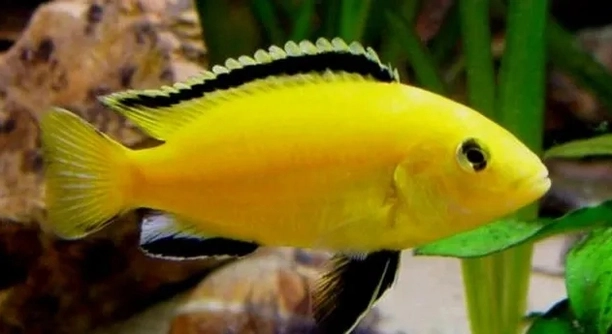
Electric Yellow Cichlids are vibrant and active fish that bring energy to any aquarium. Their behavior can be sensitive, and certain environmental factors, including sounds, may disturb their calm. Recognizing triggers is important for their well-being.
Several specific sounds, including loud clattering, sudden tapping, high-pitched noises, frequent human movement near the tank, equipment vibrations, and abrupt changes in water flow, have been identified as agitators for Electric Yellow Cichlids. These noises can increase stress and disrupt normal behavior.
Understanding these sound triggers can help maintain a peaceful environment for your fish. Proper care ensures they stay healthy, active, and vibrant in your aquarium.
Loud Clattering Near the Tank
When objects fall or are dropped near the aquarium, Electric Yellow Cichlids often react immediately. The sudden, sharp noise can startle them, causing erratic swimming, hiding, or aggressive displays. Even brief exposure to clattering can elevate stress levels, affecting their appetite and social behavior. Consistently loud disturbances may lead to long-term anxiety, which can impact overall health. Observing the tank during common household activities helps identify patterns. Moving noisy items away or placing the aquarium in a quieter area can reduce agitation. Small adjustments, like using rugs or mats under tables, can dampen sounds that might otherwise be disruptive. Fish are sensitive to vibrations and sudden auditory changes. Creating a stable environment is essential for their comfort. Over time, reduced stress leads to calmer, more predictable behavior. Monitoring responses after changes provides insight into what truly disturbs them.
Minimizing clattering near the tank helps Electric Yellow Cichlids remain relaxed and maintain healthy routines in their environment.
Consistent loud noises can cause long-term stress. Fish may stop eating or hide frequently. Repeated disturbances interfere with natural swimming patterns and social interactions. Protective measures, like padding surfaces or rearranging equipment, help maintain calm. Quiet surroundings promote better health, reduce aggressive behavior, and encourage normal activity levels. Over time, fish adapt to stable conditions, displaying their bright colors and natural behavior without fear or tension.
High-Pitched Noises
High-pitched sounds, such as alarms or electronic devices, can unsettle Electric Yellow Cichlids quickly.
These noises may increase heart rate, induce erratic swimming, or trigger hiding behaviors. Stress from frequent exposure can affect their immunity and growth.
Devices like phones, timers, or small electronics near the tank should be monitored. Soundproofing measures or relocating noisy items can minimize exposure. Consistent high-pitched sounds, even at low volumes, create tension in the tank. Fish are sensitive to frequencies humans may not notice, so keeping a quiet zone around the aquarium is important. Observing how fish respond allows you to adjust their environment to maintain calm behavior. Over time, avoiding these noises reduces stress and supports their overall health, encouraging steady feeding habits, normal interaction, and vibrant coloration. Stable auditory conditions are key to keeping Electric Yellow Cichlids active and comfortable in their habitat.
Frequent Tank Tapping
Tapping on the glass repeatedly stresses Electric Yellow Cichlids. Even gentle taps can make them dart around or hide, disrupting their normal behavior.
Repeated tapping causes heightened alertness and anxiety. Fish may avoid areas near the disturbance or become aggressive toward tank mates. This stress can reduce feeding, slow growth, and affect coloration. Over time, they may develop persistent fear of movement near the aquarium. Consistent tapping interferes with their sense of security, making the tank a tense environment. Observing their reactions helps determine the severity of the disturbance. Creating a hands-off approach and minimizing tapping can restore calm behavior. Proper placement of the aquarium away from busy areas helps reduce this problem, allowing fish to swim freely and interact naturally without unnecessary stress.
Preventing tapping maintains a stable and calm environment, supporting the fish’s well-being and promoting natural, healthy behavior.
Frequent tapping can trigger lasting stress responses. Fish may show aggression or retreat constantly. Even short bursts of disturbance can alter normal swimming patterns. Consistency in avoiding tapping allows the cichlids to regain confidence in their surroundings. Creating a routine that minimizes sudden interactions near the tank supports calmer behavior. Monitoring how they react over time helps gauge improvements. A stable auditory and physical environment encourages natural feeding, social interactions, and overall health. Reducing tapping is essential for a peaceful tank atmosphere, allowing Electric Yellow Cichlids to thrive without unnecessary tension or fear.
Equipment Vibrations
Vibrations from pumps, filters, or nearby machinery can unsettle Electric Yellow Cichlids, making them restless and jumpy.
Continuous vibrations interfere with swimming and resting patterns. Fish may repeatedly bump into tank decorations or each other. These vibrations can stress them, affecting immunity and color vibrancy. Adjusting equipment placement or using vibration-absorbing pads helps reduce these effects. Monitoring behavior after changes ensures the tank environment is stable.
Even subtle vibrations over time can disrupt comfort and daily activity. Fish may start avoiding certain areas or display unusual aggression. Consistent monitoring and fine-tuning equipment placement ensures a calmer habitat. Reducing vibration exposure preserves normal feeding, swimming, and social interactions. Proper maintenance and isolation of noisy devices are critical. With careful adjustments, Electric Yellow Cichlids can enjoy a stable, low-stress environment, promoting healthy growth and maintaining their natural behavior patterns.
Sudden Loud Voices
Sudden loud talking or shouting near the tank can startle Electric Yellow Cichlids immediately. They often swim erratically or hide, showing clear signs of stress.
Even brief exposure to raised voices can disturb their daily routine. Frequent noise may reduce feeding and interaction, affecting overall health.
Water Flow Changes
Abrupt changes in water flow from filters or pumps can unsettle Electric Yellow Cichlids. Strong currents may push them into decorations or alter their swimming patterns, creating stress. Adjusting flow gradually ensures a stable environment and preserves natural behavior. Maintaining consistency in water movement promotes calm activity and healthy interactions.
Footsteps and Vibrations
Heavy footsteps near the tank create vibrations that Electric Yellow Cichlids can detect. These subtle movements may cause them to retreat or hide frequently, disrupting their normal swimming and feeding habits.
FAQ
What noises are most stressful for Electric Yellow Cichlids?
Sudden, loud sounds like clattering objects, shouting, or high-pitched alarms are particularly stressful. Frequent tapping on the tank glass and equipment vibrations also disturb them. Even noises that seem minor to humans can be significant to these fish, affecting their comfort and natural behavior.
How can I reduce stress from household sounds?
Placing the aquarium away from busy areas helps. Using mats under furniture or equipment can absorb vibrations. Limiting sudden noise near the tank, such as tapping, dropping items, or loud talking, reduces stress. Creating a consistent, quiet environment encourages calmer swimming, feeding, and interaction with other fish.
Are Electric Yellow Cichlids sensitive to electronic devices?
Yes. Phones, timers, or small electronics can emit high-frequency sounds that humans may not notice. Even low-volume electronic noises may cause anxiety or startle the fish. Relocating devices or limiting their operation near the tank helps maintain a peaceful environment.
Do vibrations from pumps and filters affect their behavior?
Continuous vibrations can cause restlessness or erratic swimming. Fish may bump into decorations, hide more often, or display unusual aggression. Using vibration-absorbing pads and monitoring equipment placement ensures smoother operation. Over time, reducing vibrations allows fish to regain normal behavior and comfort in their habitat.
Can water flow changes cause agitation?
Abrupt changes in water movement can unsettle Electric Yellow Cichlids. Strong currents may push them into decorations or make swimming difficult. Gradual adjustments to filters or pumps maintain stability, helping fish adapt without stress. Consistent flow promotes natural swimming and calm activity.
How does frequent tapping on the glass impact them?
Repeated tapping triggers heightened alertness and fear. Fish may dart around, hide, or become aggressive. Even gentle tapping affects feeding and interaction patterns. Avoiding physical disturbances and maintaining a hands-off approach helps the fish feel secure, reducing stress-related behaviors.
Will sudden loud voices affect my fish long-term?
Yes, frequent exposure to raised voices can disrupt daily routines. Stress may lead to decreased appetite, hiding, or altered social behavior. Limiting loud conversations near the tank fosters a calm environment, allowing fish to display natural color, movement, and activity levels.
Are there signs that my fish are stressed by noise?
Yes. Common signs include hiding, erratic swimming, loss of appetite, aggression, or faded coloration. Observing their behavior regularly helps identify triggers. Once stressors are recognized, adjustments to the environment, such as reducing noise and vibrations, restore comfort and healthy routines.
Is it necessary to monitor my fish when household activity is high?
Monitoring helps ensure stress is minimized. Electric Yellow Cichlids respond quickly to changes in their surroundings. Watching their behavior during noisy times allows adjustments, such as moving equipment or rearranging furniture, to maintain a stable and calm habitat.
How can I make my tank quieter overall?
Simple changes like placing equipment on soft surfaces, keeping electronic devices at a distance, and avoiding tapping the glass reduce disturbances. Positioning the tank in a low-traffic area ensures fewer interruptions, promoting calm behavior. Gradual, consistent care helps maintain long-term comfort and overall health.
Can stress from noise affect breeding or growth?
Yes, prolonged stress can impact appetite, immunity, and reproductive behavior. Fish under constant disturbance may have slower growth, reduced energy, or difficulty breeding. Maintaining a quiet, stable environment supports natural feeding, healthy development, and proper social interactions within the tank.
What daily habits help minimize sound stress?
Limiting abrupt movements near the tank, handling equipment gently, and avoiding sudden loud noises help. Keeping a routine with predictable feeding times and water maintenance reduces unexpected disturbances. Consistency reassures the fish, allowing them to thrive in a low-stress environment.
Do all Electric Yellow Cichlids react the same to sounds?
Individual sensitivity varies. Some fish are more reactive to minor noises, while others tolerate certain disturbances. Observing each fish helps identify which sounds are most disruptive. Tailoring the environment to their responses ensures calm, healthy behavior across the aquarium.
Can background noise like music or conversation be harmful?
Continuous loud music or heavy conversation may stress some fish. Subtle background sounds at a low volume are less likely to cause issues. Monitoring behavior during exposure helps determine acceptable levels, maintaining a peaceful habitat.
How quickly do fish recover from noise-induced stress?
Recovery depends on the frequency and intensity of the disturbance. Brief exposure may result in temporary hiding, while repeated stress can take longer to normalize behavior. Reducing noise and providing a stable environment accelerates recovery, helping fish regain normal swimming, feeding, and social patterns.
Are there equipment adjustments that can help reduce noise stress?
Yes. Using quieter filters, pumps, or air stones, and ensuring secure placement, lowers vibration and sound. Adding cushioning beneath equipment or relocating it away from tank walls can reduce resonance. Monitoring fish after adjustments ensures improvements in behavior and comfort.
Is tank placement important for minimizing noise?
Absolutely. Positioning the aquarium away from busy rooms, doors, or heavy foot traffic reduces exposure to sudden noises and vibrations. A quiet location allows Electric Yellow Cichlids to establish stable routines, swim calmly, and interact naturally without unnecessary stress.
How do I know if noise stress is affecting their health?
Look for signs like reduced appetite, faded coloration, constant hiding, or aggression. Behavioral changes are often the first indicators. Consistently observing fish and addressing environmental stressors, including noise, helps maintain long-term health, growth, and overall well-being.
Can consistent care offset occasional noise disturbances?
Yes. Regular feeding, stable water conditions, and minimizing other stressors help fish recover quickly from occasional loud sounds. A structured, low-stress environment encourages resilience, allowing them to remain active, healthy, and vibrant despite minor disturbances.
Are certain times of day better for aquarium activity to reduce stress?
Yes. Scheduling feeding and maintenance during quieter periods limits disturbances. Fish experience less stress when their environment is predictable, allowing them to swim, eat, and interact without interruptions. Timing activities carefully supports calm, healthy behavior throughout the day.
Do decorations or tank layout influence noise sensitivity?
Yes. Dense decorations or hiding spots provide refuge during sudden noises, reducing stress. Open tanks with fewer obstacles may leave fish exposed, making them more reactive. Thoughtful arrangement balances activity space and safe zones for comfort and security.
Can multiple stressors compound the effect of noise?
Yes. Noise combined with strong currents, sudden movements, or aggressive tank mates increases overall stress. Minimizing multiple factors simultaneously ensures a calmer environment, supporting feeding, growth, and social interactions for Electric Yellow Cichlids.
What long-term benefits come from reducing sound stress?
Fish exhibit brighter coloration, better appetite, natural behavior, and improved immunity. Calm conditions encourage normal swimming, social interactions, and overall health. Consistent care and noise management create a stable, comfortable environment where Electric Yellow Cichlids thrive and display their full potential.
Final Thoughts
Maintaining a calm and stable environment is essential for Electric Yellow Cichlids. Their sensitivity to sound means that even small disturbances can have noticeable effects on their behavior. Loud clattering, high-pitched noises, tapping on the glass, vibrations from pumps, and sudden water flow changes are common triggers that can cause stress. When stressed, these fish may hide, swim erratically, become aggressive, or lose interest in food. Over time, prolonged stress can impact their overall health, including their immune system, growth, and coloration. Paying attention to these factors allows for a healthier, more predictable aquarium environment. Simple steps such as moving noisy items away from the tank, using vibration-dampening pads for equipment, and minimizing sudden movements near the aquarium can make a significant difference. Observing the fish regularly helps identify any triggers that may have been overlooked, ensuring that adjustments are timely and effective. A calm environment encourages natural swimming, feeding, and interaction, which supports their well-being.
Creating a quieter tank area is a practical approach to improving the lives of Electric Yellow Cichlids. Placement of the aquarium in a low-traffic area can reduce sudden noise and vibrations. Maintaining consistent water flow and monitoring equipment to limit unnecessary disturbances helps the fish feel secure. Even electronics like phones, timers, or other devices that emit high-frequency sounds can affect them, so keeping these items at a distance is beneficial. Using soft surfaces under tanks and equipment can absorb minor vibrations, while decorations and hiding spots provide additional security during unavoidable noises. Fish respond positively to gradual changes rather than abrupt disruptions, so adjusting flow, feeding schedules, or tank maintenance routines slowly is helpful. By creating a predictable environment, fish can establish a sense of safety, which reduces anxiety and improves their overall activity levels. Attention to these details ensures the tank remains a space where Electric Yellow Cichlids can display their natural behaviors without unnecessary stress.
Consistent care and awareness of sound-related stressors ultimately support healthier, happier fish. Observing daily behavior, feeding patterns, and social interactions provides insight into their comfort level. Addressing sources of agitation, whether from household noises or equipment, helps prevent chronic stress, which can lead to illness or behavioral issues. Providing a stable environment allows Electric Yellow Cichlids to thrive, showing vibrant coloration and active engagement within the tank. Calm surroundings also encourage proper interaction among tank mates, reducing aggression and promoting a balanced ecosystem. Small adjustments and ongoing observation build a foundation for long-term health, allowing the fish to grow, feed, and interact naturally. By prioritizing a quiet, steady environment, these cichlids can live in a habitat that supports both their physical well-being and behavioral needs. A thoughtful approach to noise management and tank care ensures a peaceful, thriving aquatic home.

Hello,
If you enjoy the content that we create, please consider saying a "Thank You!" by leaving a tip.
Every little bit helps us continue crafting quality advice that supports the health, happiness, and well-being of pets around the world, for pets of all shapes, sizes, and species.
We really appreciate the kindness and support that you show us!