
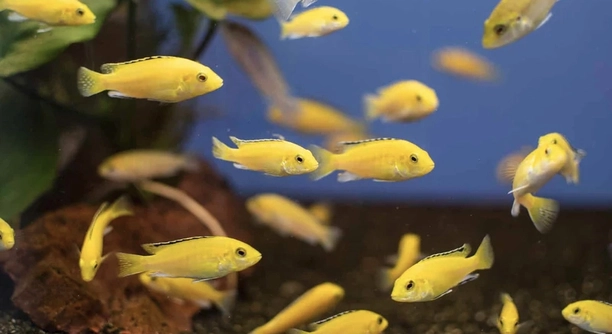
Do your pets sometimes display behaviors that leave you puzzled, even when there is no food in sight? Observing their movements can be intriguing, as animals often communicate in ways that are not immediately obvious. Understanding these actions can give insights into their natural instincts and daily interactions.
Several display patterns in animals occur without the presence of food. These behaviors often serve social, territorial, or communicative purposes, helping individuals establish bonds, signal dominance, or express curiosity and attention within their environment, independent of feeding contexts.
Recognizing these patterns can improve your connection with your pets and help you interpret their actions more accurately in daily life.
Tail Flicking and Paw Movements
Tail flicking and subtle paw movements are common signals your pet uses to express emotions. Cats and dogs, in particular, move their tails or tap with paws to show curiosity, mild irritation, or anticipation. Even without food present, these small gestures communicate feelings. Observing the speed, direction, and intensity of these movements helps you understand their emotional state. Some pets flick their tails when excited or playful, while slow, deliberate movements can indicate focus or mild frustration. Pawing at objects or surfaces may be a way to explore surroundings, seek attention, or mark territory. While it may seem random, these behaviors often carry clear messages within animal communication patterns. Over time, you may notice unique signals specific to your pet, helping you respond appropriately and strengthen mutual understanding. Paying attention to these actions enhances your awareness of their moods and intentions.
These behaviors are a form of nonverbal communication that helps pets interact with their environment effectively.
Learning to interpret tail and paw gestures improves your awareness of their needs and can prevent misunderstandings in daily interactions.
Vocalizations Without Food
Pets often vocalize without hunger being a factor. Barking, meowing, or chirping can signal attention-seeking, stress relief, or social interaction.
Vocalizations serve multiple functions beyond signaling food needs. Some pets use sounds to express discomfort, alert you to changes, or simply initiate play. Cats may chirp or trill when observing birds or moving objects, while dogs may whine or bark to gain attention or indicate excitement. These sounds can also reflect anxiety or territorial instincts. Understanding the context—such as time of day, nearby stimuli, or your response—can clarify the meaning behind the noise. By paying close attention, you can distinguish between playful or alert signals and stress-related vocalizations. Over time, recognizing patterns will help you anticipate needs or reactions before they escalate. Incorporating gentle responses or structured training can reduce unnecessary vocal behavior while maintaining healthy communication. Observing carefully allows you to respect their natural expressions and respond appropriately without misinterpreting their intentions.
Grooming and Self-Care Displays
Grooming behaviors occur even without food nearby. Pets lick their fur, paws, or other body parts as a way to stay clean and comfortable, and sometimes to relieve stress or express contentment.
Grooming is a natural, instinctive behavior. Cats spend a large portion of their day cleaning themselves, which helps regulate body temperature, remove dirt, and reduce odors. Dogs also groom by licking, chewing, or scratching, which can indicate relaxation, self-soothing, or attention to a minor irritation. These behaviors are often signs of well-being but can also reveal mild stress or boredom if excessive. Regularly observing your pet’s grooming patterns helps identify changes in health or mood.
Some pets groom others as a social activity, reinforcing bonds or establishing hierarchy. This mutual grooming strengthens relationships, shows trust, and provides comfort. Recognizing these interactions can deepen understanding of social structures and emotional needs.
Stretching and Body Movements
Stretching is a common display that occurs without any relation to food. Pets extend their limbs and back to maintain flexibility and relieve muscle tension.
Stretching is both physical and communicative. When a cat arches its back or a dog stretches its front legs forward, it signals readiness for activity or relaxation. These movements improve circulation, maintain muscle health, and prevent stiffness. Pets may also stretch after waking, mirroring human morning routines, indicating comfort in their surroundings. Additionally, stretching can serve as a subtle social cue, showing openness and relaxation to other animals or humans nearby.
Observing stretching patterns can indicate emotional states. A relaxed, full-body stretch often shows contentment, whereas quick, tense movements may suggest alertness or mild stress. Incorporating opportunities for safe stretching supports overall physical and emotional well-being. Recognizing these behaviors allows you to respect their natural routines and maintain a supportive environment.
Scent Marking
Scent marking is a natural behavior that occurs even without food. Pets use urine, glands, or rubbing to leave their scent on objects, signaling territory or personal identity.
This behavior helps pets communicate with others. It can indicate ownership, presence, or emotional state, and is common in both cats and dogs.
Playful Gestures
Playful gestures such as pawing, chasing shadows, or mock pouncing occur independently of feeding times. These actions allow pets to practice hunting skills, release energy, and engage socially.
Alert Postures
Pets often adopt alert postures when they detect movement or sounds. Erect ears, focused eyes, and tense bodies indicate attention or curiosity, showing readiness to react to their surroundings.
Resting Positions
Resting positions, like curling up or lying stretched out, reflect comfort and security. These poses can indicate trust in the environment and emotional state.
Why do my pets display behaviors when there is no food?
Pets often perform actions that seem unrelated to food because these behaviors serve other purposes. Many movements, vocalizations, and gestures are forms of communication, ways to explore the environment, or expressions of emotional states. Observing these behaviors helps you understand their needs beyond hunger.
These actions can indicate comfort, stress, playfulness, or curiosity. For instance, tail flicking, stretching, and grooming are not signals for food but methods to stay physically and emotionally healthy. Vocalizations, like meowing or barking, may express attention-seeking, excitement, or alertness. Recognizing the context of these behaviors ensures that you respond appropriately and support their well-being.
Understanding why pets act without food nearby also provides insight into their instincts. Cats may stalk shadows or chase light reflections as part of hunting practice, while dogs may bark or paw at objects to investigate. These activities keep them mentally stimulated and physically active. Ignoring these behaviors can lead to boredom or stress, while engagement supports emotional and social health.
Is tail flicking always a sign of irritation?
Not necessarily. Tail flicking can indicate a range of emotions, including curiosity, excitement, or mild frustration. Observing the speed, direction, and accompanying body language provides clues about your pet’s true feelings.
A slow, gentle flick might indicate focus or interest, while rapid, forceful movements can show agitation. Tail position also matters. A high, quivering tail may signal alertness or excitement, whereas a low, tucked tail often indicates fear or anxiety. Context is crucial for correct interpretation.
Recognizing these nuances allows you to respond appropriately. Providing space during signs of stress or engaging in play during excited tail movements supports healthy interactions. Over time, you will notice individual patterns unique to your pet.
Why do pets vocalize when they are not hungry?
Vocalizations often serve communication or emotional purposes unrelated to feeding. Cats, dogs, and other animals may use sounds to seek attention, express discomfort, or signal readiness for play.
The type and intensity of vocalization often reveal the intended message. Whining, trilling, or chirping may show curiosity or anticipation, while persistent barking or yowling can indicate anxiety or territorial behavior. Understanding the context, such as time of day, surroundings, and your pet’s activity, helps interpret the meaning accurately.
Responding to these vocalizations appropriately strengthens the bond between you and your pet. Gentle acknowledgment or redirecting energy through play can satisfy emotional needs without reinforcing undesirable behaviors. Paying attention to patterns over time helps you anticipate needs and maintain a harmonious environment.
Are grooming behaviors always related to cleanliness?
Grooming serves multiple purposes beyond maintaining cleanliness. Pets use grooming to self-soothe, regulate temperature, reduce stress, and communicate with others.
Cats groom extensively to remove dirt, control scent, and regulate body temperature. Dogs also lick or scratch as part of self-care and stress relief. Grooming can occur after excitement, play, or as a calming ritual. Social grooming strengthens bonds between animals and conveys trust.
Observing grooming frequency and patterns is important. Excessive grooming may indicate anxiety, boredom, or health issues, while regular grooming demonstrates comfort and well-being. Understanding these behaviors allows you to differentiate between normal care and signs of concern, ensuring your pet stays healthy and emotionally balanced.
Why do pets stretch when they are not waking up or exercising?
Stretching is a natural behavior used to maintain flexibility, improve circulation, and signal readiness for activity or relaxation. Pets may stretch at various times throughout the day, even when food is not involved.
Cats often arch their backs, extend front legs, or stretch hind limbs as part of daily routine. Dogs may perform similar movements to relieve muscle tension or release pent-up energy. Stretching can also act as a subtle social signal, demonstrating comfort and openness to interaction.
Providing safe spaces for stretching supports physical and mental health. Recognizing these cues helps you understand your pet’s readiness for play, relaxation, or exploration, ensuring their environment meets both emotional and physical needs.
Do pets use play behaviors for reasons other than entertainment?
Yes, play serves multiple purposes beyond enjoyment. Pets use playful behaviors to practice hunting skills, release energy, and strengthen social bonds.
Cats engage in pouncing, chasing, or mock hunting to refine coordination and agility. Dogs may chase, wrestle, or paw at objects to enhance problem-solving skills and reinforce social hierarchies. Play also reduces stress and prevents boredom, promoting mental and emotional well-being. Observing what triggers play helps you provide appropriate outlets, ensuring healthy development and behavior.
Regular play opportunities allow pets to express natural instincts safely. Incorporating toys, safe spaces, and interaction helps satisfy these needs while preventing destructive behaviors. Understanding the purpose behind play ensures a balanced and engaging environment.
Why do pets adopt specific resting positions?
Resting positions reveal comfort, security, and emotional states. Pets choose poses that allow them to relax while staying alert to their environment.
Curling up may indicate warmth and a sense of safety, while lying stretched out shows confidence and relaxation. Observing changes in resting habits can reveal shifts in mood, health, or environmental comfort. Providing a calm, secure space supports well-being and encourages natural resting behaviors.
These positions also communicate trust toward their surroundings and humans. Understanding resting patterns allows you to respect their needs, creating a harmonious environment where pets feel safe and emotionally supported.
Observing pets when food is not involved reveals a lot about their natural behaviors and instincts. Many of the actions they perform—tail flicking, grooming, stretching, vocalizations, or playful gestures—serve purposes beyond hunger. These behaviors can indicate comfort, curiosity, alertness, or social interaction. Paying attention to them helps you understand your pet’s emotional and physical state more clearly. Recognizing patterns in these actions allows you to anticipate their needs, respond appropriately, and support their overall well-being. It also strengthens the connection between you and your pet, as you become more aware of the subtle ways they communicate without words or obvious signals.
Understanding that pets communicate in many different ways encourages patience and observation. For instance, a cat stretching or grooming itself is not lazy or idle; it is maintaining flexibility, cleaning itself, and relieving stress. A dog barking or whining without food nearby might be signaling excitement, alertness, or the desire for attention. Even repetitive behaviors, like scent marking or tail flicking, have meaningful purposes related to social structure or territory. Observing these actions over time can reveal unique patterns that are specific to each pet. This awareness helps you respond thoughtfully rather than misinterpreting or ignoring these natural behaviors. It also allows you to create an environment that meets their physical and emotional needs, promoting health, comfort, and happiness.
Finally, noticing these non-food-related behaviors emphasizes the importance of creating spaces where pets feel safe and stimulated. Providing areas for stretching, grooming, play, and rest encourages natural instincts while reducing stress and frustration. Engaging with your pet through observation, gentle interaction, and appropriate play helps maintain balance in their daily routines. Understanding these behaviors also equips you to identify potential changes in mood, health, or comfort, enabling timely action when needed. Overall, paying attention to how pets act without food nearby fosters a deeper bond, encourages healthier habits, and supports their overall development in both body and mind.

Hello,
If you enjoy the content that we create, please consider saying a "Thank You!" by leaving a tip.
Every little bit helps us continue crafting quality advice that supports the health, happiness, and well-being of pets around the world, for pets of all shapes, sizes, and species.
We really appreciate the kindness and support that you show us!