
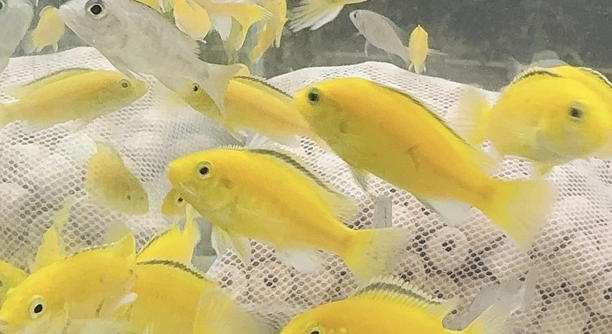
Have you ever watched cichlid fry swimming close to their parents and wondered how they stay safe from predators? Observing these small fish can be fascinating, especially as they form patterns that help them survive.
Cichlid parents use defensive circles to protect their fry by surrounding them with adult fish in a coordinated formation. This arrangement reduces the chance of predation, allows better monitoring of threats, and increases the survival rate of the offspring significantly.
Learning about these circles can change the way you observe your aquarium. These protective behaviors reveal the careful strategies cichlids use to care for their young.
Formation of Defensive Circles
When cichlid fry are threatened, adult cichlids arrange themselves in a circular pattern around the young. This formation allows the parents to keep all fry within a protected area while monitoring approaching predators. The adults often take turns at the outer edge, ensuring constant vigilance. The fry stay near the center, where they are least likely to be harmed. Observing this behavior, it’s clear that each movement is deliberate. Even small changes in the circle’s shape can respond to nearby threats. The defensive circle is not rigid; it adapts as the fry move and the surroundings change. The coordinated behavior suggests strong communication among the adults. They use body movements, subtle nudges, and positioning to maintain the circle’s integrity. Fry instinctively recognize safety within the ring and remain calm, reducing erratic swimming that might attract predators. This pattern shows how survival strategies in fish can be both complex and efficient.
The circle formation helps maintain fry safety while allowing parents to react quickly to danger.
Understanding the dynamics of defensive circles can improve aquarium care. Observing these behaviors highlights natural instincts and can guide how to structure the tank for safety. Watching the circle adapt to different conditions is fascinating and teaches patience and attentiveness in caring for cichlids. By providing open spaces and hiding spots, you allow these behaviors to occur naturally. Adjusting water flow and keeping tank mates compatible also supports these formations. It’s remarkable how much strategy exists in such small fish, and seeing them form circles strengthens appreciation for their protective instincts.
Role of Parental Coordination
Parental coordination ensures the defensive circle remains effective.
Adults communicate silently to maintain position and adapt to threats. Each parent watches the others while keeping the fry safe. This cooperation reduces stress for the young and improves survival. Parents rotate positions to prevent fatigue and remain alert. The circle can expand or contract depending on fry movement or predator proximity. Synchronized swimming patterns help prevent gaps, making it harder for predators to target any fry. The adults adjust constantly, demonstrating awareness and teamwork that is impressive for fish behavior. Observing this in an aquarium provides insight into natural instincts that have evolved over generations, highlighting the importance of cooperative care. This coordination ensures that even in confined spaces, fry can develop safely and adults can manage multiple threats effectively.
Coordinated protection also strengthens social bonds among adults. Effective teamwork ensures each fry receives equal attention, enhancing survival. By maintaining vigilance, adults reduce risks from fast-moving or hidden predators. Each parent’s role is crucial; when one falters, others compensate immediately. Even small movements are intentional, guiding fry toward safer areas and closing any vulnerable openings. This collaboration shows how instincts combine with learned responses, creating a reliable defense system. Defensive circles also allow adults to teach fry positioning, indirectly preparing them for independent survival. Over time, this coordination improves the efficiency of the circle and reinforces the group’s overall safety strategy. Observing these behaviors can inform aquarists about tank design, social groupings, and environmental enrichment to support natural protective instincts. Understanding how parental roles interact emphasizes the complexity of fish behavior, often underestimated by casual observation. It’s a clear example of instinct and cooperation creating practical solutions for survival in small aquatic environments.
Fry Positioning Within the Circle
Fry stay close to the center of the circle where adults provide protection. They instinctively avoid the edges, reducing exposure to predators. Staying centralized keeps them safe while allowing them to explore their immediate surroundings.
Positioning is critical for survival. Fry remain clustered near the adults, creating a buffer against potential threats. As the adults shift, the fry move in sync, maintaining the circle’s shape. This movement is subtle but constant, showing how instinct guides even tiny fish. Being near the center also reduces competition for food and allows the young to learn from observing adults’ reactions.
Fry positioning is influenced by both instinct and environmental cues. Light, water current, and hiding spaces all affect where fry gather. When threatened, fry move tighter into the center, signaling to adults that the circle must adjust. The adults respond immediately, forming a tighter ring or rotating positions to cover weak spots. Over time, fry learn to anticipate these shifts, enhancing their chances of survival. This behavior is both protective and educational, giving fry experience in navigating their environment while remaining safe within the defensive circle.
Predator Awareness and Response
Cichlids adjust the circle based on predator presence. Quick reactions help prevent attacks and protect fry effectively.
Adults constantly scan for predators, using body posture and subtle movements to signal danger. When a predator approaches, the circle tightens, and parents position themselves between fry and threat. Rapid swimming or sudden turns confuse predators, minimizing risk. This behavior shows a high level of situational awareness. The adults’ response is immediate, demonstrating that survival relies on both vigilance and coordinated movement. Predators are less likely to target fry when adults maintain strong, synchronized positioning.
The ability to detect and respond to threats depends on experience and observation. Adults use visual cues, water vibrations, and even chemical signals to sense danger. Fry contribute by staying alert and following the adults’ lead, reinforcing the circle’s effectiveness. In an aquarium, even minor disturbances trigger defensive behaviors, showing how sensitive cichlids are to changes in their environment. This constant alertness ensures that predators rarely succeed, and it reinforces the importance of parental guidance. Each adjustment within the circle is deliberate, allowing fry to remain safe while the adults balance vigilance with maintaining calm in the group.
Circle Size and Flexibility
The size of the defensive circle changes based on fry number and threat level. Larger groups naturally form bigger circles, while fewer fry result in tighter formations. Adults adjust spacing to keep fry safe without leaving gaps.
Flexibility allows the circle to respond quickly. When predators approach, the adults contract the circle, bringing fry closer. If threats move away, the circle expands, giving fry room to swim freely. This constant adjustment shows how adults balance protection with allowing natural movement. It’s impressive to see such coordination in real time, reflecting instinctive behavior and careful attention.
Environmental Influence
Tank structure and water conditions affect circle formation. Hiding spots, open swimming areas, and gentle currents help adults maintain effective protection.
Environmental cues guide both fry and adults. Shadows, reflections, or sudden movements can trigger tighter formations. Clear water allows better monitoring of threats, while plants and rocks provide shelter. Understanding these factors helps create a safer environment for fry.
Learning Through Observation
Fry learn survival behaviors by watching adults. Staying within the circle teaches them positioning, predator avoidance, and swimming coordination.
Role of Sibling Interaction
Fry interact with siblings, which reinforces cohesion and strengthens the defensive circle. They mirror each other’s movements and maintain proximity, improving overall safety.
How do cichlid parents form defensive circles?
Cichlid parents instinctively create defensive circles by positioning themselves around the fry. Adults take turns on the outer edge, forming a protective barrier. The fry naturally stay near the center, where they are safest. Parents constantly adjust positions as fry move or threats appear, keeping the circle intact. This behavior is guided by instinct, visual cues, and subtle communication between adults. Body movements and nudges help maintain spacing, while rotating positions prevents fatigue and ensures consistent protection. The circle is dynamic, changing shape as needed to respond to predators or environmental conditions. Observing this pattern highlights the careful coordination adults maintain without overt signals. Even small changes in spacing or movement reflect deliberate adjustments. The circle also helps fry learn positioning and basic survival instincts. Over time, the group becomes more efficient, and the fry grow accustomed to following adult guidance.
Can fry survive outside the defensive circle?
Fry left outside the circle are far more vulnerable to predators. The circle provides a buffer, keeping fry safe while adults monitor threats. Fry outside may swim erratically or fail to notice approaching danger. Without the adults’ guidance, survival rates drop sharply. Being inside the circle also reduces stress and competition, allowing fry to feed safely. Adults may even nudge stray fry back into the formation. Observing this shows how dependent young cichlids are on adult protection in early life.
Do all cichlid species use defensive circles?
Not all species form circles, but many do. Variations depend on habitat, fry size, and predator presence. Some species use other protective strategies like guarding nests, hiding fry among rocks, or carrying them in their mouths. Even in species that form circles, the structure and behavior can differ. For example, some species have larger circles with multiple adults, while others rely on a single pair. Environmental factors also influence the behavior. In aquariums, clear water and space allow circles to form more easily, while crowded tanks may disrupt natural patterns. Observing these differences reveals how adaptive cichlids are in protecting offspring.
How long do parents maintain the defensive circle?
Parents maintain the circle until fry are large and capable enough to avoid predators independently. This period can vary by species, often lasting several weeks. During this time, adults remain vigilant, adjusting positions constantly. Even small threats trigger tighter formations. As fry grow, the circle becomes less rigid, and adults allow more freedom while still monitoring safety. In some species, parents gradually reduce supervision, letting fry practice independent swimming while remaining nearby for protection. Observing this transition can show how fry develop survival skills while still relying on adults.
What role does the environment play in circle formation?
The environment strongly affects how defensive circles form and function. Open spaces, hiding spots, and plant cover give adults options for positioning. Currents, water clarity, and tank layout also influence how tightly the circle forms. In a well-structured habitat, adults can respond efficiently to threats, and fry stay calm and concentrated. In contrast, crowded or cluttered areas may force adults to constantly adjust, reducing efficiency. Environmental cues like shadows or sudden movements can trigger tighter formations or sudden shifts in the circle. Understanding these factors helps in creating optimal conditions for cichlids in aquariums.
Can fry learn from observing adults within the circle?
Yes, fry learn crucial survival skills by observing adults. Staying within the circle teaches them positioning, predator awareness, and coordinated swimming. Fry mimic adult movements, learning when to tighten the group or stay calm. Over time, this experience strengthens instincts and helps them survive independently once adults reduce supervision. Interaction with siblings also reinforces cohesion and ensures the fry respond effectively to environmental threats.
Do adults communicate during circle formation?
Adults communicate subtly through body movements, nudges, and positioning. Visual cues help them adjust spacing, signal threats, and coordinate rotations. Even minor gestures can prevent gaps and maintain protection. While there is no vocal communication, these nonverbal signals are highly effective. Adults respond immediately to fry movement or predator presence, demonstrating teamwork and awareness that ensures the circle functions efficiently.
How does predator presence affect circle behavior?
Predator presence directly influences circle tightness and formation. Adults contract the circle, bringing fry closer to the center and placing themselves between the threat and the young. Sudden movements, rapid turns, or synchronized swimming help confuse predators. The circle adapts dynamically, expanding or contracting as the threat moves. Fry learn to anticipate these adjustments, improving their ability to stay safe while adults maintain constant vigilance.
Can defensive circles be observed in aquariums?
Yes, defensive circles are visible in well-maintained aquariums. Clear water, open spaces, and compatible tank mates make observation easier. Crowded or poorly structured tanks may limit circle formation. Watching these behaviors provides insight into natural protective instincts and parental coordination. It also shows how environmental enrichment can support instinctive behaviors, helping fry develop safely.
What is the benefit of sibling interaction within the circle?
Fry interacting with siblings improve cohesion and enhance the circle’s effectiveness. They mirror each other’s movements, stay close, and follow adults’ guidance. This coordination reduces gaps, strengthens the protective formation, and teaches young cichlids to respond collectively. Sibling interaction also fosters early learning of swimming patterns and predator avoidance, preparing fry for independent survival outside the circle.
Observing cichlid fry and their defensive circles gives a clear picture of how instinct and protection work together in fish. The behavior of adults forming a circle around their young is both practical and impressive. It shows that even small fish have strategies to ensure the survival of their offspring. The adults constantly adjust their positions, communicate with subtle movements, and respond to threats immediately. Fry stay in the center where it is safest, learning to follow the guidance of their parents. This pattern is not random; every action serves a purpose. The coordination between parents and fry demonstrates how survival instincts can shape complex behaviors even in aquatic environments. Watching these circles form naturally can be a fascinating experience for anyone keeping cichlids.
The defensive circle also highlights the importance of the environment in fish behavior. Open swimming areas, plants, rocks, and clear water allow adults to maintain an effective circle while fry explore safely. Currents, shadows, or sudden movements can influence the circle’s size and shape, showing that environmental cues are just as important as parental guidance. Fry learn to respond to these signals as well, making the circle a tool for both protection and education. Interaction among siblings adds another layer of coordination, helping fry mirror each other’s movements and stay together. Over time, these interactions teach them positioning, predator awareness, and group coordination, which are all essential for survival. Even small differences in tank setup can affect how well defensive circles form, which is important for aquarists to consider. Creating conditions that allow these natural behaviors helps fry grow safely while allowing adults to perform their protective roles efficiently.
Finally, understanding defensive circles gives insight into cichlid social behavior and parental care. Adults work together silently, rotate positions, and maintain vigilance, showing teamwork that is remarkable for fish. Fry rely on these formations to develop confidence, learn survival instincts, and gain experience in navigating their environment. Observing defensive circles can deepen appreciation for cichlids’ natural behaviors, showing that protection, learning, and instinct are closely connected. Providing the right environment allows these behaviors to occur naturally and encourages healthy development. Watching fry grow within the safety of a well-formed circle is a reminder of the careful balance between instinct and environment that ensures their survival. This knowledge can guide aquarists in creating spaces that respect these behaviors, supporting both fry development and overall aquarium health.

Hello,
If you enjoy the content that we create, please consider saying a "Thank You!" by leaving a tip.
Every little bit helps us continue crafting quality advice that supports the health, happiness, and well-being of pets around the world, for pets of all shapes, sizes, and species.
We really appreciate the kindness and support that you show us!