
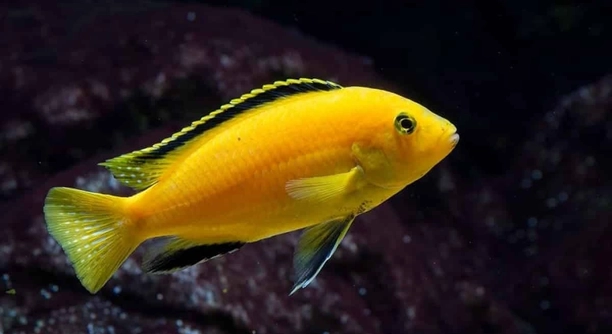
Cichlids are often seen as aggressive fish that prefer to be the only ones in a tank. Many aquarists wonder if these fish can live peacefully with unusual tankmates. Observing their behavior can be both fascinating and surprising.
Cichlids may accept unusual tankmates in specific situations such as ample space, non-competitive feeding zones, compatible temperaments, structured territories, similar water conditions, early socialization, and careful monitoring of aggression levels. These factors reduce stress and promote coexistence.
Learning these situations helps aquarists create a calmer, more harmonious aquarium environment. Knowing when and how cichlids tolerate other species improves both fish welfare and overall tank balance.
Plenty of Space Matters
Giving cichlids enough room in the tank is crucial. When tanks are cramped, aggression spikes quickly, and unusual tankmates often get chased or stressed. I’ve noticed that larger aquariums allow cichlids to establish personal territories, making them more tolerant. Adding plants, rocks, or dividers creates boundaries and hiding spots, which reduces tension. Fish feel safer when they have their own zones. Open swimming areas combined with hiding spaces help balance aggression and exploration. Even bold cichlids seem calmer when their environment feels structured. It’s surprising how much simple tank layout changes influence behavior. Observing cichlids in a well-organized tank shows that they sometimes swim alongside unusual species without constant chasing or nipping. They focus on their territories and feeding rather than constant conflict. Small adjustments, like extra plants or a slightly larger tank, often transform a stressful setup into a peaceful coexistence.
Providing ample space ensures fish interact less aggressively. They can coexist without constant territorial fights.
With more room, unusual tankmates find their own spots and avoid confrontation. Cichlids patrol certain areas, leaving others free. Rocks and plants give both species shelter and reduce stress. Over time, fish become familiar with each other’s zones. Even initially aggressive cichlids may allow slow-moving or non-competitive species to remain in the tank. This method works best when the tank is at least 50% larger than standard recommendations. Watching cichlids gradually ignore other species shows how space directly influences tolerance. Tankmates like catfish or tetras often settle into hidden corners or mid-level swimming areas, avoiding the cichlid’s main territory. Adjusting feeding times and locations also helps, letting all fish access food without competition. The key is patience and observing subtle behavioral changes. Over weeks, cichlids may accept species they initially chased, especially if the environment supports separate zones and calm coexistence.
Non-Competitive Feeding Zones
Feeding areas should be separate to reduce fights. Fish tolerate others more when they do not compete for the same spot.
Setting up non-competitive feeding zones prevents cichlids from targeting unusual tankmates. Using different heights or sides of the tank for food encourages peaceful feeding. For example, floating pellets can go to the top, while sinking pellets provide bottom-dwelling fish access. I often place food in two or three distinct spots. Cichlids usually dominate their preferred area, leaving other sections for quieter species. This method ensures each fish gets enough nutrition without stress. Over time, cichlids learn that other species are not a threat to their meals, and chasing behavior decreases. Observing fish eat calmly together is rewarding. Changes like slow-release feeders or target feeding can also work. Fish recognize where and how food appears, reducing confusion and competition. The main goal is predictable feeding patterns, giving all species clear access. It’s surprising how a simple adjustment like this can transform the tank atmosphere. Fish that once fought constantly may begin coexisting peacefully, and unusual tankmates are more likely to survive and thrive without constant harassment.
Compatible Temperaments
Choosing tankmates with compatible temperaments is essential. Aggressive cichlids rarely tolerate equally aggressive species. Peaceful fish that swim slowly or stay near the bottom are usually safer. I often select calm, non-territorial species to avoid constant conflict.
Matching temperaments helps maintain stability. Aggressive cichlids can stress out skittish species, causing poor health or hiding behavior. I’ve seen cichlids accept tankmates like small catfish or certain tetras because they move differently and don’t compete for space. Observing fish behavior before permanent placement helps. If a species shows too much chasing, it is better to remove it immediately. Fish that swim in different tank levels rarely overlap aggressively, allowing coexistence. Patience and careful observation are key to understanding which temperaments work together.
Temperament compatibility also influences feeding and breeding behavior. Aggressive cichlids might dominate food or nesting areas, so avoiding overly competitive species prevents stress. I usually introduce tankmates gradually and watch reactions closely. Species with predictable patterns and non-invasive movements rarely trigger chasing. Over weeks, unusual tankmates often establish routines that cichlids respect. Even bold or territorial cichlids can learn boundaries when other species consistently behave calmly. Small adjustments like hiding spots or rearranging tank décor can improve tolerance. Matching temperament is not just about aggression—it includes swimming style, feeding habits, and responsiveness to the environment. Observing these factors ensures long-term harmony.
Structured Territories
Cichlids thrive when their territories are clearly defined. Rocks, caves, and plants help separate areas, reducing unnecessary conflicts. I always arrange the tank to provide multiple zones for each fish.
Structured territories prevent constant chasing and stress. Fish recognize personal spaces and avoid intrusion. I use rocks to block direct paths and create visual boundaries. Plants act as buffers and hiding spots, giving shy species security. Some cichlids patrol one section while leaving others alone, which allows unusual tankmates to explore freely. Without clear zones, even peaceful species can be bullied, so proper layout is critical. Observing fish movement patterns shows which areas belong to each cichlid. Gradually, unusual tankmates adapt, staying in safe zones while cichlids remain dominant in their territory. This balance supports healthier behavior and reduces injuries.
Territory structure also supports breeding and feeding routines. When cichlids have established zones, aggression during spawning decreases. I often monitor interactions around caves or nests. Tankmates learn to avoid these areas while still accessing food and hiding spots elsewhere. Adjusting décor, like adding extra caves or rearranging rocks, can prevent overlaps that trigger fights. Even small tanks benefit from creative territory division, allowing multiple species to coexist. Over time, both cichlids and unusual tankmates establish predictable routines. This structured environment encourages calm behavior, reduces stress, and promotes a healthier, more stable aquarium ecosystem for all species.
Similar Water Conditions
Cichlids tolerate unusual tankmates better when water parameters match. pH, temperature, and hardness should suit all species. I always test water regularly to ensure compatibility and reduce stress in the tank.
Stable conditions prevent sudden illness and aggression. When all species thrive in the same water, cichlids are less likely to chase newcomers. Observing fish health and activity confirms proper balance.
Early Socialization
Introducing tankmates at a young age increases acceptance. Juvenile cichlids adapt more easily to coexisting species. I usually start with smaller, less aggressive fish to establish familiarity and reduce future conflicts.
Early socialization shapes long-term behavior. Fish that grow up seeing other species in the tank rarely view them as threats. Gradual introductions help cichlids recognize tankmates as part of their environment. Over time, unusual tankmates often explore freely and feed without interference. Consistent observation during this stage ensures that aggression is minimal and that both cichlids and tankmates develop predictable routines. Creating a calm environment from the start improves tolerance and reduces stress later.
Careful Monitoring
Monitoring interactions is essential. Even tolerant cichlids can become aggressive under certain conditions. Regular observation helps prevent injuries and stress.
What species are safest as unusual tankmates for cichlids?
Small, peaceful species that occupy different tank levels usually coexist best with cichlids. Bottom-dwelling fish like certain catfish or loaches often avoid direct confrontation. I’ve also seen small tetras and rasboras do well when cichlids patrol higher areas. Avoid overly aggressive or fast-moving species that compete for space or food. Fish that remain hidden during cichlid feeding tend to survive and thrive. Observing behavior before permanent placement is crucial. Introducing one or two at a time allows you to notice signs of stress or aggression early. Gradual acclimation helps unusual tankmates adjust without constant chasing. Tankmates that respect cichlid territory rarely trigger fights. Hiding spots and structured décor further support peaceful coexistence.
How can I reduce aggression during feeding times?
Feeding zones play a major role in controlling aggression. Providing multiple locations for food reduces competition. I often scatter sinking pellets for bottom dwellers and use floating food for cichlids. Target feeding unusual tankmates with a small feeding dish also prevents bullying. Consistent feeding schedules help all species predict when and where food will appear, which lowers stress. Slow-release or gel foods can give timid fish extra time to feed without cichlids dominating. Monitoring feeding behavior is important to adjust quantities or locations. Overfeeding can lead to territorial fights, while underfeeding increases chasing. Balancing food availability and distribution ensures each species receives proper nutrition. I’ve found that once fish understand their feeding routines, aggression drops significantly.
Can tank size influence tolerance between cichlids and unusual tankmates?
Absolutely. Larger tanks give cichlids and tankmates room to establish separate zones. I prefer tanks that exceed standard recommendations because territorial disputes drop significantly. Open swimming areas combined with rocks and plants create natural boundaries. Fish can explore without feeling threatened, which promotes calmer behavior. Smaller tanks force constant interaction, making unusual tankmates more vulnerable. Even adding extra décor to divide space helps. Over time, cichlids learn which areas belong to them, and other fish occupy safer zones. Observation is key: you may need to rearrange elements to prevent overlaps. Larger tanks also allow multiple species to coexist with reduced stress, supporting both health and long-term stability.
How important is water quality in maintaining peace?
Water quality is critical. Cichlids are sensitive to pH, temperature, and hardness fluctuations, which can increase aggression. I regularly test water to ensure it suits all species in the tank. Poor conditions stress fish, leading to chasing or nipping. Stable water encourages normal behavior. Regular maintenance, including partial water changes and filter checks, keeps parameters consistent. Unusual tankmates also thrive when water quality is optimal. Even minor imbalances can trigger competition for hiding spots or food. I’ve noticed that well-maintained water reduces disease, aggression, and stress simultaneously. Maintaining stability is far more effective than relying on décor or hiding spots alone.
Should I separate aggressive cichlids immediately?
Yes. Even in well-planned setups, some cichlids remain highly aggressive. I monitor interactions closely and remove any fish showing repeated chasing or fin-nipping. Temporary separation or relocation prevents injuries and stress. Unusual tankmates often need time to adapt, so acting quickly ensures survival. Observation is crucial, especially during feeding or breeding. I usually keep a backup tank ready for aggressive individuals. Removing a dominant cichlid can also restore calm in the main tank. Signs like constant chasing, hiding, or damaged fins indicate intervention is necessary. Timely separation maintains harmony for both cichlids and their tankmates.
Can decorations and plants improve coexistence?
Decorations and plants are essential for peaceful interactions. Rocks, caves, and tall plants provide hiding spots and visual barriers. I arrange them strategically to create multiple territories. Fish can retreat without conflict. Plants soften the environment, reduce stress, and help unusual tankmates feel secure. Even aggressive cichlids patrol specific areas instead of chasing constantly. Rearranging décor occasionally prevents territorial overlaps. Observing fish movement helps identify where conflicts may occur. Structured décor supports natural behaviors and long-term tolerance. It’s one of the easiest ways to make cohabitation feasible.
Does early introduction of tankmates matter?
Yes, introducing unusual tankmates when cichlids are young increases tolerance. Juvenile cichlids are more adaptable and less territorial. I start with calm, smaller species to build familiarity. Gradual exposure helps fish recognize each other and reduces aggression. Early socialization often results in lifelong coexistence. Adult cichlids can learn tolerance too, but the process is slower. Consistent observation ensures safe integration. Creating a calm, predictable environment during introductions significantly improves chances of peaceful interactions later. Timing and patience are key to fostering acceptance and reducing long-term stress.
How do I know if cichlids truly accept tankmates?
Acceptance shows through consistent peaceful behavior. I watch for normal swimming, feeding, and territorial patterns without frequent chasing. Tankmates explore freely and access food without constant hiding. Occasional displays are normal, but sustained aggression indicates stress. Over weeks, tolerance becomes evident when unusual tankmates coexist in the same zones regularly. Observing interactions across different times of day helps confirm acceptance. Calm behavior during feeding and territorial patrols is a good sign. Acceptance also reflects in growth and health; stressed fish often lose weight or develop fin damage. Gradual observation and adjustments ensure long-term harmony.
Are there risks even if everything seems fine?
Yes. Even tolerant cichlids can revert to aggression under stress, poor water conditions, or breeding periods. I always maintain monitoring routines to catch sudden changes. Illness, overcrowding, or inadequate hiding spots can trigger conflicts. Regular observation and preventive measures like stable water and structured territories reduce risks. Acceptable behavior doesn’t guarantee permanent peace, but careful management minimizes incidents.
Cichlids are often seen as aggressive and territorial, but under the right conditions, they can coexist with unusual tankmates. Success largely depends on careful planning, observation, and maintaining a stable environment. Space, structured territories, compatible temperaments, and proper water conditions all play a role in helping fish live together peacefully. I’ve noticed that even bold cichlids tend to tolerate other species when they have clearly defined zones and adequate hiding spots. Observing fish behavior closely allows you to make small adjustments before problems escalate. Over time, unusual tankmates can find their own place in the aquarium, and the cichlids begin to focus more on their own territories rather than constant chasing.
Feeding routines and socialization also influence how well cichlids accept other fish. Providing separate feeding areas ensures all species get enough nutrition without competition. Early introductions, particularly when cichlids are young, can help them become familiar with other species, reducing aggression as they mature. Decorations, rocks, and plants act as natural barriers that prevent conflicts and give shy species a sense of security. I’ve found that even minor changes to tank layout, such as adding a cave or rearranging plants, can make a noticeable difference in behavior. Observing interactions during feeding or breeding periods is especially important, as aggression may spike unexpectedly. Maintaining stable water conditions further reduces stress and supports the health of both cichlids and their tankmates.
Even with all precautions, it’s important to remain vigilant. Fish behavior can change, and situations that seem calm may suddenly shift due to stress, illness, or overcrowding. Regular monitoring helps identify problems early, allowing interventions like rearranging the tank, separating aggressive individuals, or adjusting feeding schedules. Patience and careful observation are key, as building tolerance takes time. When cichlids and unusual tankmates establish predictable routines and respect each other’s territories, the aquarium becomes a more peaceful and balanced environment. With attention to detail, understanding fish behavior, and creating a supportive setup, coexistence is possible, and both cichlids and their unusual companions can thrive together.

Hello,
If you enjoy the content that we create, please consider saying a "Thank You!" by leaving a tip.
Every little bit helps us continue crafting quality advice that supports the health, happiness, and well-being of pets around the world, for pets of all shapes, sizes, and species.
We really appreciate the kindness and support that you show us!