
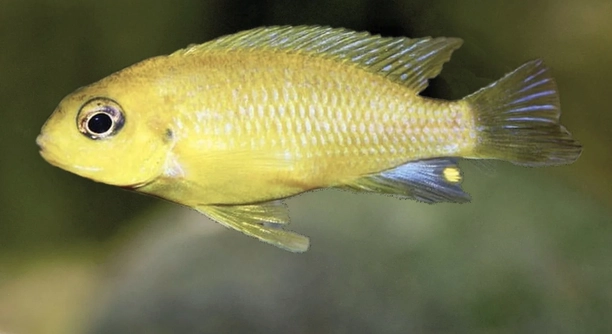
Electric Yellow Cichlids are popular in home aquariums for their bright color and lively behavior. Many hobbyists notice subtle changes in their interactions that seem to mark certain areas in the tank. These behaviors often go unnoticed.
Electric Yellow Cichlids use distinct body postures, fin displays, and color shifts to establish boundaries within their territory. These markers communicate dominance, prevent conflicts, and maintain social order, allowing fish to coexist while minimizing physical confrontations in shared environments.
Recognizing these signs helps aquarists better manage tank space and create a peaceful habitat for these vibrant fish. Paying attention to these behaviors improves both fish welfare and tank harmony.
Fin Flaring and Lateral Displays
Electric Yellow Cichlids often flare their fins and perform lateral displays to communicate their presence. This behavior is a subtle way to mark territory without engaging in direct aggression. The fish will spread their dorsal and anal fins, showing off size and strength, signaling to nearby fish to keep distance. Observing these displays carefully can help identify which areas in the tank are considered personal space for each fish. In multi-fish setups, the dominance hierarchy becomes clearer through these visual cues. Lateral displays also involve side-to-side movements, allowing other cichlids to gauge intent and strength. These behaviors are instinctual, serving both protective and social purposes. Tank conditions, such as space, hiding spots, and decor, can influence how often these displays occur. Providing enough territory markers and visual breaks can reduce unnecessary stress among fish. Over time, these displays establish predictable patterns, making the aquarium environment more stable.
Fin flaring and lateral displays are clear, non-contact methods for cichlids to communicate territorial boundaries and assert dominance effectively.
Watching these subtle behaviors in action provides insight into social dynamics. Learning their meaning allows better care and tank arrangement. By noticing patterns, you can prevent conflicts and maintain harmony.
Color Shifts and Intensity
Color changes are a significant indicator of boundary marking. Electric Yellow Cichlids can darken or brighten their bodies depending on stress, dominance, or reproductive readiness.
These color variations serve as warnings or invitations, communicating status to other fish. Brightening can indicate confidence, while darker shades signal caution or submission. Fish may intensify color near preferred areas or feeding spots, reinforcing control over specific zones. Over time, patterns of color change reveal preferred territories. This natural signaling reduces physical altercations, letting fish coexist peacefully. Aquarists can use these observations to adjust tank layout, providing extra hiding spots or visual barriers where needed. Changes in lighting, water quality, or tankmates’ behavior can influence the frequency and intensity of color shifts. Recognizing these subtle cues allows more proactive care, ensuring that all fish maintain a stable social hierarchy. Understanding the reasons behind these color changes can improve both the health and emotional stability of your cichlids, promoting a calmer, more predictable environment.
Subtle Tail Movements
Tail movements are small but meaningful signals in cichlid communication. A slight twitch or wag can indicate alertness, mild irritation, or territorial assertion. Observing these movements helps identify how comfortable a fish feels in a specific area.
Tail gestures often accompany other signals like fin flaring or body positioning. A quick flick may warn nearby fish to keep distance, while slower, deliberate sways can show curiosity or cautious approach. These movements are context-dependent; the same gesture might mean dominance in one interaction and submission in another. Recognizing patterns over time allows aquarists to understand each fish’s personality and preferred space. Adjusting tank decorations or spacing based on tail behavior can minimize stress and prevent conflicts. Consistent observation strengthens your ability to interpret subtle non-verbal communication, creating a calmer, more predictable environment for all tank inhabitants.
Tail movements also serve as early indicators of tension. Identifying these signs allows timely intervention before disputes escalate.
Gill Display and Breathing Patterns
Gill displays are a subtle yet clear territorial signal. Rapid gill flaring or heavy breathing often indicates alertness or mild aggression toward intruding fish. Monitoring these behaviors can reveal which tank areas are highly valued.
Changes in breathing patterns often accompany territorial behavior. When a cichlid senses an intruder near its preferred space, it may flare its gills while taking rapid, shallow breaths. This combination signals readiness to defend without immediate contact, reducing the risk of injury. Over time, observing which individuals frequently display this behavior highlights dominance hierarchies and territorial boundaries within the tank. Adjusting decorations or creating visual barriers can help diffuse tension, as fish naturally prefer structured spaces that support their social needs. These subtle cues also inform feeding schedules and activity zones, ensuring that each fish has access to resources without triggering conflict. Awareness of gill display patterns can greatly enhance tank harmony and fish welfare.
Substrate Rubbing and Digging
Cichlids often rub or dig in the substrate to mark territory. This behavior subtly signals ownership of a specific area without direct confrontation. Watching where they focus these actions reveals their preferred spaces.
Digging can also serve as a method to create nesting spots. Fish displace gravel or sand, leaving visible signs of claimed territory. These activities communicate intent and status to other tank inhabitants. Substrate interactions are influenced by tank layout, hiding spots, and water flow. Providing sufficient space and materials allows natural behaviors to occur without triggering stress. Observing patterns in digging helps identify high-traffic zones and reduces disputes among fish.
Rock and Ornament Guarding
Electric Yellow Cichlids often guard rocks or ornaments in the tank. These objects become visual markers of territory and influence social hierarchy. Fish use them to establish boundaries that are respected by others.
Shadow and Lighting Awareness
Cichlids respond to shadows and lighting in their tank. They use shaded areas to mark preferred spaces and regulate interactions with tankmates. Shadows act as visual cues that define boundaries, creating subtle yet effective territorial markers.
How can I tell if my Electric Yellow Cichlid is marking territory?
Territorial marking in Electric Yellow Cichlids is usually subtle but consistent. Look for repeated behaviors like fin flaring, lateral displays, tail movements, substrate digging, or guarding rocks and ornaments. Changes in body color and breathing patterns are also reliable indicators. Observing which areas a fish repeatedly interacts with can help identify its preferred zones.
Why do cichlids flare their fins even when there’s no fighting?
Fin flaring is a visual signal used to communicate presence and assert boundaries. It is a non-aggressive way to warn other fish to maintain distance. This display can reduce actual fights by establishing dominance hierarchies without physical confrontation. It also serves as a confidence display when defending preferred areas.
What does it mean when their colors change suddenly?
Color shifts reflect mood, social status, or stress. Brightening often signals confidence, dominance, or readiness to mate, while darkening indicates caution, submission, or stress. These changes help communicate boundaries visually, allowing fish to avoid unnecessary fights. Noting consistent color patterns can help identify territorial zones in the tank.
Are substrate digging and tail movements related to territory?
Yes, both behaviors are subtle markers. Digging or moving substrate leaves a visual claim of space. Tail flicks or slow sways indicate alertness or mild irritation toward intruding fish. Observing these patterns over time provides insight into the fish’s preferred areas and helps maintain a peaceful tank environment.
Do cichlids use shadows or lighting to mark areas?
Shadows and lighting influence territorial behavior. Fish prefer shaded or dimly lit areas as visual boundaries and hiding spots. They often patrol these regions and react when others enter, using shadows as natural markers that define their space without conflict. Adjusting tank lighting can influence how boundaries are perceived.
Can gill displays indicate territory without aggression?
Absolutely. Gill flaring combined with changes in breathing is a non-contact warning. It signals readiness to defend without immediate confrontation. Observing which areas trigger these displays can reveal high-value zones within the tank. These patterns also reflect the social hierarchy among tankmates.
How does guarding rocks or decorations show territory?
Fish often claim specific ornaments or rocks, staying close and patrolling them regularly. These objects act as visual anchors for their space. Other fish learn to respect these zones, reducing disputes. Ensuring enough rocks and hiding spots allows multiple cichlids to establish territories comfortably.
Can frequent territorial behaviors indicate stress or poor tank conditions?
Yes. Excessive displays, digging, or aggression may suggest limited space, lack of hiding spots, or overcrowding. Monitoring frequency and intensity of behaviors helps assess tank conditions. Adjusting layout, adding decorations, or increasing space can reduce stress and make territory marking more natural and less aggressive.
How can observing these behaviors improve fish care?
By paying attention to fin flaring, color changes, substrate digging, tail movements, and guarding behaviors, you can understand each fish’s preferred zones. This knowledge allows adjustments to tank layout, feeding strategies, and social groupings. Observing these subtle signals improves overall fish welfare, reduces stress, and promotes a stable social environment.
Is it normal for these behaviors to change over time?
Yes, territorial behaviors evolve with age, size, and social dynamics. A young fish may gradually assert dominance as it grows, altering how it interacts with others. Tank changes, additions of new fish, or rearrangements can also influence behavior. Continuous observation ensures these changes are manageable and that all fish remain comfortable.
Do these boundary markers prevent actual fights?
Yes. Subtle markers like fin flaring, gill displays, substrate digging, tail movements, and color shifts allow fish to communicate dominance and boundaries without physical conflict. Recognizing these signals helps aquarists anticipate interactions and maintain a peaceful, well-structured tank environment.
How can I encourage natural territorial behavior safely?
Provide sufficient space, hiding spots, and visual barriers. Decorate with rocks, plants, or ornaments to allow individual zones. Observe patterns of substrate digging, fin displays, and color shifts to identify preferred territories. Respecting these boundaries and maintaining proper stocking levels reduces stress and encourages natural, non-aggressive interactions.
Can observing these behaviors help with breeding?
Yes. Territorial markers often indicate readiness to breed, particularly guarding of specific rocks or shaded areas. Recognizing dominant and submissive individuals, along with their preferred zones, can inform decisions on pairing and spawning setups. Understanding these signals ensures a controlled, safer breeding environment.
Do all Electric Yellow Cichlids show the same territorial patterns?
Not exactly. While common behaviors like fin flaring, substrate digging, and color shifts are consistent, individual personality, size, age, and social status influence expression. Observing each fish’s unique tendencies allows more precise adjustments to tank layout and social management.
What should I do if conflicts arise despite these markers?
Reevaluate tank size, décor, and fish density. Introduce visual barriers or rearrange ornaments to create separate zones. Monitor behavior closely and intervene if aggression escalates. Respecting natural territorial markers while managing space ensures the safety and well-being of all tank inhabitants.
How important is consistency in monitoring these behaviors?
Consistent observation allows patterns to emerge, making it easier to identify territorial zones, dominant individuals, and potential stress triggers. Regular monitoring helps prevent conflicts, informs adjustments in tank layout, and maintains a stable social environment, supporting the long-term health and happiness of Electric Yellow Cichlids.
Observing Electric Yellow Cichlids in your aquarium reveals a lot about their social interactions and territorial behavior. These fish communicate subtly, using a combination of fin flaring, tail movements, color shifts, and gill displays to mark their preferred areas. Even behaviors like substrate digging, guarding rocks, and using shaded spots serve as visual markers of ownership. Recognizing these signs helps aquarists understand which areas of the tank each fish values most. Over time, patterns emerge, showing how individual fish interact with one another, who dominates certain zones, and where conflicts are likely to occur. Paying attention to these behaviors allows you to maintain a well-structured environment, giving each fish its own space and reducing unnecessary stress.
Providing a tank layout that supports these natural behaviors is key to maintaining harmony. Adequate hiding spots, rocks, plants, and decorations allow fish to establish their territories without constant confrontation. By observing where they dig or guard, you can adjust tank placement and decor to suit their preferences. Lighting and shadows also play a role in territory definition, as cichlids often use dimmer areas as personal zones. Understanding the subtle cues your fish give through color changes or gill displays allows you to anticipate interactions and prevent disputes before they escalate. Creating a tank environment that respects their natural tendencies ensures that each fish can express its instincts safely, leading to a more peaceful and stable community.
Long-term observation is important for maintaining a healthy and balanced aquarium. Territorial behaviors are not static; they change as fish grow, mature, and adjust to new tankmates or environmental changes. Younger or smaller fish may gradually assert dominance as they gain confidence, and changes in tank setup can influence how boundaries are established. By closely watching these behaviors, you can identify potential stress points, adjust feeding routines, and make space modifications to support harmonious interactions. Respecting each fish’s boundaries and understanding the significance of these subtle behaviors allows you to create a stable environment that promotes both physical health and emotional well-being. Consistent attention to these cues helps maintain a balanced social structure and ensures that your Electric Yellow Cichlids thrive in their aquarium setting.

Hello,
If you enjoy the content that we create, please consider saying a "Thank You!" by leaving a tip.
Every little bit helps us continue crafting quality advice that supports the health, happiness, and well-being of pets around the world, for pets of all shapes, sizes, and species.
We really appreciate the kindness and support that you show us!