
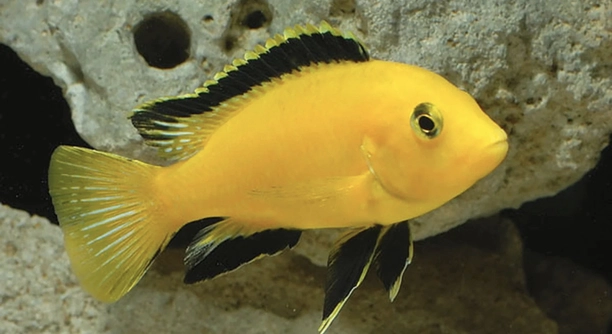
Do your aquarium plants and fish seem less vibrant than expected, despite careful care and maintenance? Many hobbyists notice that even small tanks can appear dull, leaving them wondering how to enhance natural colors effectively.
Minor adjustments in tank conditions, such as fine-tuning lighting intensity, balancing water chemistry, and adjusting temperature levels, can significantly enhance the natural coloration of both fish and plants, leading to a healthier and more visually appealing aquatic environment.
Implementing these small changes can transform the overall look of your tank, creating a lively and colorful display for everyone to enjoy.
Adjust Lighting for Natural Hues
Lighting plays a crucial role in bringing out the natural colors of fish and plants. Too much light can wash out delicate shades, while too little can make them look dull. Observing your tank at different times of the day helps identify optimal brightness. Consider using full-spectrum LED lights, which mimic natural sunlight and enhance the vibrancy of your aquatic environment. Position lights to minimize shadows and avoid overexposure, giving every corner of the tank an even glow. Adjusting the duration of light exposure is equally important, as extended periods can stress fish, while too little prevents photosynthesis in plants. Incorporating dimming options allows gradual transitions, helping fish acclimate and preventing sudden color loss. Monitoring color changes over a week or two can help refine settings. Subtle improvements in lighting often lead to striking results, making the tank appear more lively and visually balanced. This small change can dramatically improve overall aesthetics without altering water chemistry or fish behavior.
Proper lighting can highlight colors and create depth, making your tank more visually appealing instantly.
Gradually adjusting light intensity and duration ensures that fish and plants display their natural tones without stress. Observing reactions helps fine-tune conditions for optimal visual impact. Full-spectrum lighting encourages plant growth while supporting fish health, creating a balanced and vibrant ecosystem. Choosing the right combination of color temperature and light placement ensures even illumination and reduces dark areas that hide or mute coloration. Experimenting with timers can simulate natural day-night cycles, enhancing activity patterns and color expression. Over time, the tank will feel more alive, with brighter fish scales and more vivid plant leaves, giving a fresh, natural appearance. Consistent monitoring and small adjustments prevent setbacks and help maintain long-term vibrancy, making every viewing experience more enjoyable and satisfying.
Fine-Tune Water Chemistry
Maintaining balanced water parameters is essential for vivid coloration. Regular testing and small corrections keep fish healthy and colors bright.
Unstable pH, hardness, or ammonia levels can dull colors. Correcting these gradually enhances vibrancy while reducing stress.
Regular water changes, careful monitoring, and adding trace elements when necessary help maintain stability. Each species thrives within specific ranges, so observing their reactions guides adjustments. Fluctuating conditions can cause fish to lose brightness or develop dull patches, while consistent parameters promote natural color expression. Using buffers and conditioners helps maintain stability without abrupt changes. Tracking parameters over time allows fine-tuning for long-term results. Adjustments should be gradual to avoid shocking the system. Balanced water chemistry also supports plant growth, which indirectly contributes to better fish coloration. When combined with proper lighting and temperature, small changes in water chemistry produce visible improvements. Observing your tank’s ecosystem daily gives insight into subtle changes, making it easier to intervene early. By keeping water stable, fish display rich, natural tones that enhance the tank’s overall appeal.
Adjust Tank Temperature
Temperature influences fish metabolism and color expression. Keeping the water within the recommended range for each species ensures they remain healthy and display vibrant hues. Sudden changes can stress fish, causing fading or dullness.
Stable temperatures promote natural activity patterns and enhance pigmentation. Use a reliable heater or chiller to maintain consistency. Monitoring daily with a thermometer prevents fluctuations, especially during seasonal changes. Different species have unique temperature preferences, so grouping compatible fish simplifies control. Avoid placing tanks near windows or vents to reduce environmental impact. Gradual adjustments prevent stress and maintain a balanced ecosystem, supporting both fish and plant health. Over time, properly regulated temperatures can reveal subtle color variations that were previously unnoticed, giving your tank a richer, more natural look. Maintaining stability also reduces susceptibility to disease, indirectly improving overall appearance and longevity.
Consistent water temperature supports fish health and allows colors to remain strong over time, creating a lively and balanced tank environment.
Properly adjusting temperature ensures all species in the tank thrive. Monitoring daily and avoiding sudden shifts prevents stress-induced fading. Using a reliable heater or chiller maintains stability, while observing behavior can indicate subtle preferences or needs. Temperature control also helps plant growth, indirectly supporting fish color. Grouping species with similar temperature requirements simplifies management. Gradual seasonal adjustments mimic natural conditions, keeping fish comfortable. Over weeks, subtle improvements in pigmentation become visible, making the tank appear brighter and more appealing. Consistent thermal conditions reduce disease risks and improve overall vitality.
Improve Diet for Color Enhancement
A varied diet rich in carotenoids and natural pigments directly improves fish coloration. High-quality flakes, pellets, and live foods provide essential nutrients for brighter scales.
Supplements like spirulina, krill, and shrimp can enhance reds, oranges, and yellows naturally. Feeding multiple small portions prevents overeating and maintains water quality.
Providing a balanced diet tailored to each species strengthens immune systems and enhances color vibrancy. Rotate protein sources and include plant-based options for omnivores to ensure all nutritional needs are met. High-quality commercial foods often contain added color enhancers, but natural sources like krill or spirulina produce more lasting effects. Avoid overfeeding, as excess food decomposes, affecting water quality and overall tank health. Observing fish regularly allows adjustments to portion sizes and diet types. A thoughtful feeding routine not only improves color but also encourages active, healthy behavior, making patterns and shades more noticeable. Over time, consistent nutrition will reveal the full potential of each fish’s natural hues.
Reduce Stress in Fish
Stress causes fish colors to fade quickly. Minimizing sudden movements, loud noises, and frequent handling helps them stay calm and vibrant.
Providing hiding spots and maintaining a stable environment lowers stress levels. Observing behavior regularly allows you to identify and correct stress triggers effectively.
Maintain Clean Water
Regular water changes remove waste and prevent buildup that dulls coloration. Using a filter and vacuuming the substrate keeps the tank clear.
Consistent cleaning preserves fish health and promotes bright, natural hues. Monitoring parameters after changes ensures a balanced ecosystem and reduces sudden color loss.
Use Live Plants
Live plants improve water quality and provide natural backgrounds, making fish colors stand out. They also offer shelter and reduce stress for fish.
Healthy plants contribute oxygen, absorb excess nutrients, and create a more vibrant environment, enhancing overall tank aesthetics.
FAQ
How often should I adjust lighting to see color improvements?
Lighting adjustments can be made gradually over several days or weeks. Observing fish behavior and coloration during this period helps determine the optimal intensity and duration. Small incremental changes prevent stress while allowing natural colors to develop.
Can changing water parameters affect fish color quickly?
Yes, water chemistry directly influences pigmentation. Gradual corrections of pH, hardness, and nutrient levels can result in visible color improvements over days. Sudden changes, however, may stress fish and temporarily dull their appearance. Consistency is key for long-term vibrancy.
What type of diet best enhances fish color?
A varied diet including high-quality flakes, pellets, and live foods provides essential nutrients. Carotenoid-rich options like shrimp, krill, or spirulina enhance reds, oranges, and yellows naturally. Rotating foods ensures balanced nutrition and supports consistent pigmentation.
Do live plants really make a difference in color display?
Yes, live plants improve water quality by absorbing excess nutrients and oxygenating the tank. Their natural colors and textures create a backdrop that makes fish hues stand out. Plants also reduce stress by providing hiding spots, indirectly supporting vibrant coloration.
How much does stress affect coloration?
Stress is a major factor in dulling fish colors. Crowding, sudden movements, loud noises, and improper tank conditions can cause fading. Providing hiding spots, stable conditions, and minimal disturbances helps fish maintain bright and natural tones.
Is temperature control important for color enhancement?
Temperature affects metabolism and pigment expression. Keeping the tank within species-specific ranges ensures fish display natural colors. Sudden shifts can lead to stress and fading, while stable temperatures encourage activity and vibrant scales.
How frequently should I perform water changes for optimal color?
Regular water changes, typically 20-30% weekly, help remove waste and prevent chemical buildup that dulls colors. Pairing this with routine monitoring of parameters ensures fish remain healthy, showing their natural shades.
Can supplements replace a balanced diet?
Supplements like color enhancers are helpful but cannot replace a varied diet. They work best alongside high-quality foods that provide essential proteins, fats, and vitamins for long-lasting and healthy pigmentation.
Will overfeeding improve coloration?
No, overfeeding can harm water quality and stress fish, reducing color intensity. Providing multiple small portions and observing consumption ensures proper nutrition without negative effects. Consistency in feeding schedules supports both health and vibrancy.
Are there signs my fish are showing improved coloration?
Enhanced coloration is visible through brighter scales, more defined patterns, and deeper shades. Fish will also appear more active and display healthier behavior. Regular observation helps track progress and adjust care routines accordingly.
Can multiple adjustments be made at once?
Yes, but gradual implementation is recommended. Simultaneous changes in lighting, diet, temperature, or water chemistry should be monitored closely to avoid stressing fish. Incremental improvements often produce better results than rapid overhauls.
How long does it take to see noticeable color changes?
Depending on species, tank conditions, and adjustments, visible improvements can appear within one to four weeks. Patience and consistent care are essential for sustainable and natural vibrancy.
Do tank size and decorations affect color perception?
Yes, larger tanks provide more space for natural behaviors and reduce stress. Backgrounds, substrate, and plants influence how colors are perceived, enhancing contrast and making fish appear more vivid.
Are some species naturally more colorful than others?
Certain species have stronger pigments genetically, so improvements may be more noticeable in them. While care and environment enhance coloration, inherent genetics set baseline intensity. Focused adjustments can still optimize their natural potential.
Can color fade indicate health issues?
Dull or patchy coloration can signal stress, poor water quality, or illness. Monitoring behavior, appetite, and tank conditions helps determine whether fading is environmental or health-related, allowing timely corrective measures.
Is it necessary to use special lighting for every tank?
Not all tanks require specialized lighting. Standard full-spectrum LEDs often suffice, but premium lights can enhance colors further. Assess the needs of your fish and plants to choose an appropriate setup.
How do I balance aesthetics with fish health?
Prioritize stable water parameters, proper nutrition, and minimal stress. Enhancing colors should complement, not compromise, fish well-being. Gradual improvements in lighting, diet, and environment ensure both beauty and health coexist effectively.
Can stress from tank mates affect coloration?
Aggressive or overly active species can stress others, causing fading. Proper selection and compatible grouping reduce conflicts, maintaining natural coloration. Observing interactions regularly helps identify and address issues early.
What role does substrate play in color display?
Dark or natural-colored substrates enhance contrast, making fish colors pop. Light or reflective substrates may wash out shades. Choosing appropriate substrates complements other adjustments like lighting and plant placement for maximum visual impact.
How often should I monitor changes after adjustments?
Daily observation during the first few weeks is ideal. Noting gradual changes in behavior, health, and coloration allows for timely tweaks, ensuring improvements are sustainable and stress-free for all species in the tank.
Maintaining a vibrant aquarium requires attention to multiple factors, but small adjustments can make a noticeable difference. Lighting, water chemistry, temperature, diet, and stress management all play essential roles in supporting the natural colors of fish and plants. Each element contributes to the overall health of the tank, and addressing them systematically ensures consistent results. By observing the tank carefully and making gradual improvements, you can enhance the visual appeal without causing unnecessary stress to the inhabitants. Over time, these efforts create a balanced environment where fish display brighter, more natural tones, and plants grow healthy, adding depth and interest to the setup.
Consistency is key when aiming to bring out natural coloration. Sudden changes in any aspect of the tank can lead to stress, dulling fish colors and slowing plant growth. Gradual modifications, such as adjusting lighting intensity or supplementing diet with color-enhancing foods, allow fish to adapt naturally. Monitoring water parameters and performing regular maintenance ensures a stable environment that supports long-term vibrancy. Simple practices like providing hiding spots, maintaining proper temperatures, and keeping water clean prevent stress-induced fading while encouraging active, healthy behaviors. With steady care, the tank becomes not only visually appealing but also a healthier habitat for every species it contains.
Achieving a naturally colorful tank is not about making drastic changes but understanding how subtle adjustments interact with the ecosystem. Each tank is unique, and what works for one may require fine-tuning for another. Paying attention to the specific needs of the species, their dietary requirements, and preferred environmental conditions allows you to optimize coloration effectively. The process involves patience, careful observation, and consistent effort. As the fish begin to display richer hues and plants thrive, the reward of a vibrant, balanced aquarium becomes clear. Over time, these practices build a stable, aesthetically pleasing tank that highlights the natural beauty of its inhabitants while supporting their overall well-being.

Hello,
If you enjoy the content that we create, please consider saying a "Thank You!" by leaving a tip.
Every little bit helps us continue crafting quality advice that supports the health, happiness, and well-being of pets around the world, for pets of all shapes, sizes, and species.
We really appreciate the kindness and support that you show us!