
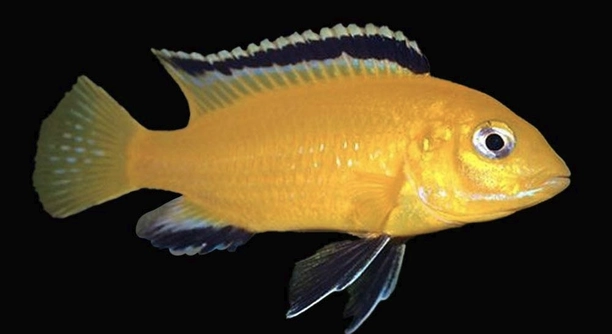
Are you raising fry and want to see them grow healthy and strong? Ensuring the right water conditions is crucial for their survival and overall development in your tank. Proper care can make a big difference.
Maintaining optimal water temperature, pH balance, oxygen levels, and cleanliness significantly improves fry survival rates. Stable conditions reduce stress, prevent disease, and promote proper growth, creating an environment where fry can thrive consistently in a controlled aquatic habitat.
Understanding these water factors is essential for long-term success with your fry. Applying proper practices will help secure their health and growth effectively.
Stable Water Temperature
Fry are extremely sensitive to temperature changes. Sudden fluctuations can stress them, slow growth, or even lead to death. Keeping the water within the species’ recommended temperature range ensures metabolic processes function normally. Using a reliable heater and thermometer helps maintain consistency. Avoid placing the tank near windows or vents where sunlight or drafts may cause sudden shifts. Even a few degrees’ change can affect feeding behavior and immune response. Observing your fry daily allows you to spot signs of stress, such as erratic swimming or hiding. Regular maintenance, including partial water changes, also supports temperature stability. Gradual adjustments are essential when changing the tank temperature for any reason. Consistency fosters a safe, predictable environment that promotes healthy growth. Temperature management is one of the simplest yet most critical ways to protect your fry during the early stages of life, setting the foundation for strong and resilient fish as they mature.
Keeping a consistent temperature reduces stress and prevents sudden health problems in fry. Small variations can have major impacts.
Gradual changes are preferable when adjusting the tank. Use tools like a reliable heater and thermometer to monitor daily. Avoid direct sunlight and air drafts that may cause fluctuations. Temperature stability improves feeding, immunity, and overall growth. Regular observation allows you to respond quickly if stress signs appear. Early attention prevents losses and promotes long-term survival.
Proper pH Levels
Maintaining the correct pH supports fry health and reduces stress.
pH levels that match the species’ natural habitat promote optimal growth and prevent disease outbreaks.
Check the pH regularly using test kits. Small, gradual adjustments are safer than sudden changes. Add natural buffers or commercial products as needed to maintain balance. Extreme pH levels can damage gills and skin or cause behavioral issues, making fry more vulnerable. Monitoring alongside water hardness and temperature ensures a stable, healthy environment. Consistency in pH also supports beneficial bacteria, which helps break down waste and keeps ammonia and nitrite levels low. Keeping the water chemistry balanced reduces stress and encourages active feeding and strong development. These practices help create a nurturing habitat that allows fry to thrive safely over time.
Adequate Oxygen Levels
Fry require well-oxygenated water for survival. Low oxygen slows growth and can cause stress or death.
Using an air stone or sponge filter helps maintain steady oxygen levels. Ensure the water surface is gently disturbed to allow gas exchange. Avoid overcrowding, as too many fry compete for oxygen. Regularly check for signs of labored breathing, such as rapid gill movement or lethargy, and adjust aeration immediately. Plants can also contribute oxygen during daylight but may consume it at night, so balance is important. A steady supply of oxygen ensures fry remain active, healthy, and more likely to feed efficiently. Combining aeration, moderate stocking, and observation creates a supportive environment that minimizes risk.
Maintaining proper oxygen also reduces harmful ammonia buildup. Strong oxygenation supports beneficial bacteria and overall water quality.
Fry in oxygen-rich water show better growth and reduced stress. Daily monitoring and adjustments ensure stable levels, promoting long-term survival and proper development.
Clean Water Conditions
Regular water changes are essential to prevent harmful waste accumulation. Dirty water increases stress and disease risk.
Partial water changes help remove toxins like ammonia and nitrites. Avoid disturbing fry during the process. Use a siphon or gentle method to maintain cleanliness without stressing them. Monitor nitrate levels to ensure safe limits.
Cleaning also involves checking for uneaten food and debris. Remove excess to prevent decay and bacterial growth. Avoid using harsh chemicals or soaps. Maintaining a stable, clean environment supports healthy gill function, feeding behavior, and growth rates. Clean water promotes natural activity and reduces susceptibility to infections, allowing fry to develop into strong, healthy fish.
Proper Filtration
A reliable filter keeps water clear and removes waste, reducing stress for fry. Gentle filtration prevents fry from being sucked in while maintaining cleanliness.
Sponge filters are ideal because they provide biological filtration and gentle water movement. They support beneficial bacteria that help break down ammonia and nitrites, keeping the water safe for fry.
Minimal Stress
Fry are sensitive to sudden changes and excessive handling. Limiting disturbances helps them grow healthier.
Keeping a calm environment, avoiding rapid movements near the tank, and limiting tank maintenance to essential tasks reduces stress. Stress can weaken their immune system, making them more prone to disease.
Proper Lighting
Moderate lighting supports fry activity and plant growth. Avoid intense light that can stress fry.
Consistent Feeding
Feeding small amounts multiple times a day encourages growth. Overfeeding can pollute the water.
How often should I change the water for my fry?
Water changes are essential for maintaining a healthy environment. For most fry, changing 10-20% of the water every two to three days works well. Use a siphon to remove debris without disturbing the fry. Always replace water with water that matches the tank’s temperature and pH to prevent stress. Avoid sudden large water changes, as they can shock the fry and negatively impact survival rates. Consistency is more important than quantity. Smaller, frequent changes maintain stable conditions, remove toxins, and keep ammonia and nitrite levels low. Over time, this practice helps fry grow stronger and more active, reducing disease risk and promoting natural feeding behaviors.
What type of food is best for fry?
Fry need easily digestible, high-protein foods to support rapid growth. Newly hatched brine shrimp, finely crushed flakes, or specialized fry food work well. Feed small amounts multiple times a day to prevent leftover food from polluting the tank. Avoid overfeeding, as excess food increases ammonia and nitrite levels. Observe how quickly the fry eat; they should finish food within a few minutes. A balanced diet supports proper development of organs, fins, and coloration. Rotating food types occasionally helps ensure they get all necessary nutrients. Proper feeding is a key factor in survival and growth, especially during the first few critical weeks.
How do I maintain the correct temperature for fry?
Use a reliable aquarium heater and thermometer to maintain a stable temperature. Each species has an optimal temperature range, so research the ideal range and monitor daily. Avoid placing the tank near windows, vents, or drafts, which can cause sudden fluctuations. Gradual adjustments are safer if temperature changes are necessary. Stable temperature reduces stress, supports digestion, and helps fry develop properly. Sudden drops or spikes can slow growth or lead to disease. Consistent monitoring ensures any irregularities are addressed quickly, keeping fry safe and promoting strong, healthy growth over time.
How do I prevent overcrowding in a fry tank?
Overcrowding increases competition for food, reduces oxygen levels, and raises stress. Maintain a reasonable number of fry per gallon based on the species and tank size. Consider separating fry into multiple tanks if numbers are high. Overcrowding also increases waste buildup, which can harm water quality. Monitoring population density ensures that each fry has access to food and oxygen, promoting healthy growth. A less crowded tank makes it easier to manage water changes and filtration while reducing the risk of disease. Proper spacing improves survival rates and allows fry to develop evenly.
What signs indicate my fry are stressed or unhealthy?
Stressed fry may swim erratically, hide excessively, or show slowed movement. Loss of appetite and pale coloration are also indicators. Monitor gill movement and observe any unusual behavior compared to other fry. Stress can be caused by poor water quality, temperature fluctuations, overcrowding, or disease. Identifying problems early allows you to make corrections before they become serious. Regular observation, combined with stable water conditions and consistent feeding, reduces stress and promotes healthy development. Addressing signs of stress quickly is key to ensuring high survival rates for all fry.
How do I manage water quality effectively?
Regular testing for ammonia, nitrite, nitrate, and pH is essential. Use water conditioners to remove chlorine and chloramine. Partial water changes prevent toxic buildup. Avoid overfeeding and remove uneaten food promptly. Proper filtration supports beneficial bacteria, which break down waste. Monitoring and maintenance prevent sudden spikes in harmful chemicals, keeping fry safe. Maintaining good water quality supports growth, activity, and immunity. Clean tanks reduce the risk of disease and help fry thrive in a stable, healthy environment.
Can plants help improve fry survival rates?
Yes, live plants provide hiding spots and reduce stress, helping fry feel secure. Plants also improve water quality by absorbing nitrates and contributing oxygen during daylight. Floating plants give shade and diffuse light, creating calmer conditions. Choose non-toxic, slow-growing species to avoid overwhelming the tank. Plants offer natural enrichment and improve tank stability. Including them helps mimic natural environments, promoting healthy behavior and growth. Fry can use plant leaves and roots to rest and hide, reducing stress and increasing survival rates during their most vulnerable stages.
How do I reduce the risk of disease in fry?
Maintaining clean water, stable temperature, proper pH, and good filtration are critical. Avoid introducing sick fish or contaminated equipment. Quarantine new additions before adding them to the fry tank. Balanced feeding and avoiding overstocking also reduce disease risks. Observing fry daily allows early detection of illness. Promptly removing sick fry or adjusting conditions prevents outbreaks. Proper hygiene during tank maintenance is essential, including washing hands and tools. Healthy environmental conditions strengthen fry immunity, making them less susceptible to pathogens. Consistent care and attention to water quality are the most effective ways to minimize disease risk.
How long does it take for fry to grow into juvenile fish?
Growth rates vary by species, but most fry reach juvenile stage in several weeks to a few months. Proper feeding, clean water, and stable conditions accelerate development. Temperature, diet, and oxygen levels also influence growth speed. Regular monitoring ensures they reach developmental milestones safely. Healthy fry develop fins, coloration, and behavior patterns as they mature. Consistent care during this period sets the foundation for strong adult fish. Observing their growth helps identify any issues early, allowing adjustments to feeding, water, or environment for optimal results.
Are there tools that can make fry care easier?
Yes, tools like sponge filters, small heaters, thermometers, test kits, and siphons simplify daily maintenance. Automated feeders can help regulate food amounts. Proper equipment ensures water quality, temperature stability, and oxygen levels remain optimal. Using the right tools reduces stress on fry and makes consistent care manageable. Combining observation with reliable equipment improves survival rates and allows you to maintain a stable, healthy environment. These tools save time and reduce mistakes while supporting steady growth, keeping fry safe during the delicate early stages of life.
This FAQ covers practical steps and strategies to ensure your fry survive and thrive, emphasizing consistency, observation, and stable conditions. Following these guidelines helps create a healthy, supportive environment for young fish.
Raising fry successfully depends largely on maintaining consistent and appropriate water conditions. Temperature, pH, oxygen levels, and cleanliness are all critical factors that influence survival rates. Fry are fragile in their early stages, and even small fluctuations in their environment can lead to stress, slowed growth, or illness. By paying attention to these details, you provide a stable environment where fry can grow naturally and develop strong immune systems. Monitoring conditions daily, using reliable equipment, and making gradual adjustments when necessary all contribute to healthier, more resilient fry over time. Even small improvements in water quality can have noticeable effects on their activity, feeding behavior, and overall growth.
Feeding also plays a significant role in fry development. Providing small, frequent meals of appropriate, high-protein foods helps support rapid growth while preventing water pollution. Overfeeding can lead to a buildup of harmful substances like ammonia and nitrites, which stresses fry and reduces survival rates. Observing how quickly fry consume their food allows you to adjust portion sizes effectively. Consistency in feeding routines combined with regular water maintenance supports both growth and health. Including live or high-quality prepared foods ensures they receive necessary nutrients for proper organ and fin development. Proper feeding practices, along with clean, stable water conditions, create a strong foundation for fry to thrive.
Managing stress and preventing disease are equally important. Fry are sensitive to environmental disturbances, such as sudden temperature changes, overcrowding, or excessive handling. Creating a calm and stable habitat reduces stress and helps fry maintain their immune responses. Clean water, proper filtration, and careful monitoring prevent common diseases and improve survival rates. Incorporating live plants or providing hiding spaces can also reduce stress by giving fry safe areas to rest and explore. Paying attention to their behavior and acting quickly if any signs of stress or illness appear ensures they remain healthy. By combining stable water conditions, careful feeding, and stress management, you can significantly improve fry survival rates and foster strong, healthy fish ready to grow into adulthood.

Hello,
If you enjoy the content that we create, please consider saying a "Thank You!" by leaving a tip.
Every little bit helps us continue crafting quality advice that supports the health, happiness, and well-being of pets around the world, for pets of all shapes, sizes, and species.
We really appreciate the kindness and support that you show us!