
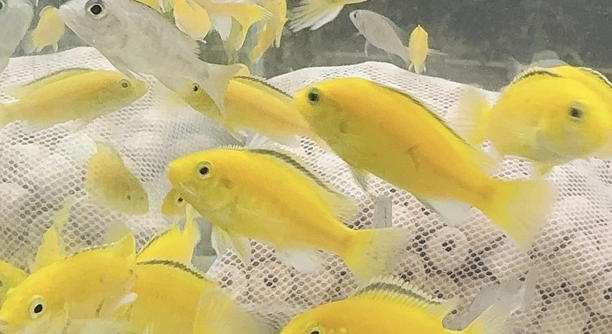
Electric Yellow Cichlids are popular among aquarium enthusiasts for their bright coloration and lively behavior. These fish thrive best in environments that mimic their natural habitat, especially tanks with plenty of rocks and hiding spots.
Electric Yellow Cichlids flourish in rock-heavy tanks because such environments provide shelter, reduce stress, establish territory, encourage natural behavior, and support optimal water conditions. Rocks also promote breeding and social interaction, contributing to overall health and longevity.
Understanding the benefits of rock-heavy setups can improve care and create a more harmonious environment for these vibrant cichlids. Proper tank design ensures they remain active, healthy, and visually striking.
Natural Shelter and Hiding Spots
Electric Yellow Cichlids feel most secure when they have plenty of places to hide. Rocks and crevices give them spaces to retreat when feeling stressed or threatened. Without these shelters, cichlids can become anxious and display aggressive behavior. In rock-heavy tanks, fish establish territories, reducing conflict and promoting peaceful interactions. These hiding spots also allow shy or less dominant cichlids to rest without interruption. In addition, rocks help mimic their natural environment, making them more comfortable and confident. Stress-free fish are more likely to eat well, grow properly, and show brighter colors. Hiding spots also become focal points for breeding behavior, as cichlids feel safe laying eggs in secure areas. Overall, providing natural shelters directly impacts their well-being, social behavior, and physical appearance, making tank design a critical component for thriving fish.
Rocks create essential security and reduce stress while encouraging natural behavior. They form an environment where cichlids feel safe and confident.
Strategically placing rocks throughout the tank gives each fish a defined territory. This setup minimizes aggression by giving dominant cichlids clear boundaries and allows less dominant ones to explore freely. Rocks also serve as resting areas, letting fish escape bright light or overly active neighbors. Caves and crevices mimic the rocky lakes and riverbeds these cichlids are accustomed to, enhancing comfort and reducing stress. Breeding is also supported, as secure hiding places encourage pair bonding and egg-laying. Rocks further help maintain stable water conditions by reducing current intensity in specific areas. By observing the fish, you can adjust rock placement to meet social and territorial needs. This careful arrangement creates balance and harmony, promoting healthy interactions and overall vitality. Proper rock placement transforms the tank into an environment where Electric Yellow Cichlids can thrive naturally.
Encouraging Natural Breeding
Rocks encourage breeding by offering safe sites for laying eggs. Cichlids use crevices and caves to protect eggs and fry.
Breeding is enhanced when fish feel secure. Rocks give them confidence to pair, spawn, and raise young without disturbance, supporting a thriving population in the tank.
Territory and Social Structure
Rocks help Electric Yellow Cichlids define territories. Clear boundaries reduce fights and aggression. Each fish can claim a space, making interactions calmer and more predictable.
Territorial behavior is natural for cichlids, and rocks allow them to mark and defend areas without constant confrontation. Dominant fish establish larger spaces while less dominant ones find smaller, safer zones. This balance prevents injuries and stress, allowing all fish to coexist. Rocks placed thoughtfully throughout the tank create visual barriers and quiet spots, which make daily interactions smoother. Territorial boundaries also encourage active swimming and exploration within defined areas, keeping the fish engaged and healthy.
Territory formation also affects feeding and mating. Each fish knows its space, reducing competition during meals. Dominant cichlids patrol their zones while subordinates stay near hiding spots. This structured environment supports a natural hierarchy and promotes overall tank harmony. The presence of rocks allows shy fish to gain confidence and move around safely. As a result, cichlids display calmer behavior, more vibrant colors, and healthier growth patterns. Rocks essentially act as tools to manage both social dynamics and physical activity.
Water Quality and Filtration
Rocks contribute to stable water conditions. They provide surfaces for beneficial bacteria that break down waste, keeping ammonia and nitrite levels low.
Proper water quality is vital for cichlids’ health. Rocks increase surface area for bacterial colonies that convert harmful compounds into less toxic forms. This natural filtration supports cleaner water and reduces the need for constant chemical intervention. Rocks also help circulate water gently, preventing stagnant areas while maintaining oxygen levels. Combined with mechanical filtration, rock-heavy tanks create a balanced environment where fish thrive. Regular monitoring ensures that the benefits of rocks are maximized, maintaining healthy water parameters consistently.
Additionally, rocks influence pH and hardness by slowly releasing minerals, which mimic the natural lake conditions these cichlids prefer. Consistent water chemistry reduces stress and supports strong immune systems, preventing disease. The combination of bacterial filtration and mineral stabilization ensures that water remains stable despite changes in feeding or stocking levels. Rocks also help disperse debris, making maintenance easier while providing a natural-looking habitat. Overall, the presence of rocks strengthens both the biological and chemical stability of the tank, directly contributing to the health, longevity, and vibrancy of Electric Yellow Cichlids.
Enhanced Exercise and Exploration
Rocks create varied terrain, encouraging cichlids to swim actively. Fish navigate crevices, climb over rocks, and explore new areas, which keeps them physically fit.
Active swimming strengthens muscles and promotes overall health. Exploration reduces boredom and stimulates natural instincts, making the tank a lively and engaging environment for Electric Yellow Cichlids.
Stress Reduction
A rock-heavy tank reduces stress by providing secure hiding places. Fish can retreat when feeling threatened or overwhelmed, which lowers anxiety levels and prevents aggressive behavior.
Supporting Coloration
Natural rock structures help fish feel safe and confident, which directly impacts their coloration. Stress-free cichlids display brighter, more vibrant colors, enhancing their visual appeal.
Mimicking Natural Habitat
Rocks recreate the natural lake and riverbed environment. This familiarity helps cichlids feel comfortable and behave naturally, from swimming patterns to feeding habits.
FAQ
How many rocks should I place in my tank for Electric Yellow Cichlids?
The number of rocks depends on the tank size and the number of fish. As a general rule, provide enough rocks to create multiple hiding spots and territories. Each fish should have access to at least one secure space. Avoid overcrowding, as too many rocks can reduce swimming space and make maintenance difficult. Focus on creating balance between open areas for swimming and areas with rocks for shelter. Use varied sizes to form caves, overhangs, and crevices, giving fish options for resting, hiding, or claiming territory.
Can I use any type of rock in my cichlid tank?
Not all rocks are safe for Electric Yellow Cichlids. Avoid rocks that can alter water chemistry dramatically, like limestone that raises pH excessively. Smooth, non-porous rocks such as slate or lava rock are safe options. Rinse rocks thoroughly before placing them in the tank to remove dust or contaminants. Avoid rocks with sharp edges to prevent injuries. Natural-looking rocks that mimic lake environments work best, providing both shelter and visual appeal. Always test water after adding new rocks to ensure stability in pH, hardness, and overall water quality.
Do rocks affect water maintenance and cleaning?
Yes, rocks can both help and complicate maintenance. They provide surfaces for beneficial bacteria that break down waste, supporting water quality. However, rocks can also trap debris in crevices, requiring careful cleaning during water changes. Use a siphon to remove detritus around and under rocks. Avoid constant rearranging, as it can stress fish and disturb bacterial colonies. Rocks also slow down water flow in certain areas, so ensure your filtration system compensates to prevent stagnant spots. Regular observation helps maintain balance between natural bacterial growth and cleanliness.
How do rocks influence breeding behavior in Electric Yellow Cichlids?
Rocks are essential for breeding. Cichlids prefer secure spaces like caves and crevices for laying eggs and raising fry. Male and female pairs select rocks that provide protection, which increases the likelihood of successful hatching. Rocks reduce stress during spawning by offering privacy and defined territory. Placing flat or slightly enclosed rocks encourages egg-laying. After eggs are laid, parents use nearby rocks to guard fry from aggression or disturbances. Providing multiple rock structures increases breeding success, as each pair can claim their own area without conflict with others in the tank.
Can rocks cause aggression among cichlids?
Rocks help reduce aggression by establishing clear territories, but improper placement can trigger conflicts. Large, dominant rocks may encourage territorial disputes if multiple fish compete for the same spot. Spread rocks evenly to create separate zones and avoid clustering that forces competition. Vary rock shapes and sizes to give each fish multiple options for shelter. Observing fish behavior allows you to adjust placement to minimize aggression. Rocks act as both barriers and shelters, which generally calm interactions, but careful planning is necessary to maintain a peaceful environment.
How should I clean and maintain rocks in the tank?
Clean rocks during regular tank maintenance without removing them too often. Use a soft brush to remove algae and trapped debris. Avoid soaps or chemicals, as they can harm fish. If necessary, remove a rock for deeper cleaning in water from the tank to preserve beneficial bacteria. Avoid scrubbing too aggressively, which can disrupt bacterial colonies and affect water quality. Rocks should be inspected periodically for cracks or sharp edges that could injure fish. Maintaining clean and safe rocks ensures they continue to provide shelter, territory, and breeding support.
Do rocks impact fish health beyond hiding and territory?
Yes, rocks contribute to overall fish health. They stabilize water conditions by hosting bacteria that process waste and sometimes by slowly releasing minerals that mimic natural water chemistry. Fish feel secure, reducing stress, which in turn strengthens immunity. Active exploration of rocks promotes exercise, supporting muscle development and maintaining weight. Properly maintained rocks improve social interactions by giving fish defined spaces, reducing constant chasing and injuries. In short, rocks influence behavior, physical health, and water stability, creating a holistic environment that supports thriving Electric Yellow Cichlids.
Can I combine plants and rocks in the tank?
Yes, combining plants with rocks enhances both aesthetics and functionality. Rocks provide structure, while plants offer additional hiding spots and improve water quality. Use hardy plants that tolerate the mineral content and lighting of cichlid tanks. Plants placed near rocks can create shaded areas for shy fish, while rocks prevent uprooting by providing anchors. This combination encourages natural behavior, including foraging and exploration. Balanced placement ensures fish have room to swim and interact without overcrowding, while the natural setup supports stress reduction, breeding, and overall health.
What type of tank substrate works best with rocks?
Sand or fine gravel complements rocks well, allowing for natural digging and minimal injury. Coarse gravel can trap debris and make cleaning harder, while fine sand supports burrowing behavior, which cichlids enjoy. Rocks should sit securely on the substrate to prevent tipping or collapsing. Layering substrate to create slight elevation changes adds interest and additional territory for fish. Combining the right substrate with rocks enhances the natural feel of the tank, supports healthy behavior, and ensures stability for both fish and tank structures.
How often should I rearrange rocks in the tank?
Frequent rearranging can stress fish and disrupt established territories. Only adjust rocks if necessary for cleaning, breeding needs, or tank maintenance. Minor adjustments can improve flow or accessibility, but major changes should be done gradually. Observing fish behavior helps determine whether changes are beneficial or disruptive. Consistent layout provides security, reduces aggression, and supports natural routines. Maintaining a stable rock environment ensures fish remain confident, healthy, and vibrant.
Are there any safety concerns with rocks?
Yes, sharp edges, unstable stacks, or rocks that alter water chemistry pose risks. Smooth, stable rocks reduce injury. Avoid rocks that release harmful minerals or chemicals. Ensure stacked rocks cannot fall on fish, and rinse thoroughly before adding them to the tank. Proper selection and placement prevent accidents while maintaining the benefits rocks provide.
Do rocks impact feeding behavior?
Rocks can influence feeding by creating territories and hiding spots. Fish may eat near their claimed areas, reducing competition. Rocks also provide surfaces for algae or biofilm, which some cichlids nibble on. Feeding near rocks encourages natural foraging and exploration, promoting mental stimulation alongside physical health.
Can I use artificial rocks instead of natural ones?
Artificial rocks are safe if non-toxic and properly cleaned. They offer easier placement, consistent shape, and reduced risk of altering water chemistry. Ensure edges are smooth and stable. Many artificial options mimic natural textures and colors, supporting hiding, territory formation, and breeding behaviors similar to real rocks.
How do I know if my fish are thriving with rocks?
Signs include active swimming, vibrant colors, social harmony, and successful breeding. Fish use hiding spots confidently and show reduced aggression. Bright coloration and regular feeding indicate low stress. Monitoring behavior over time helps assess the effectiveness of rock placement and tank setup. Adjust as needed to maintain an optimal environment.
Do rocks help with algae control?
Indirectly, yes. Rocks provide surfaces for beneficial bacteria that compete with algae for nutrients, reducing overgrowth. However, some algae may still form on rocks. Regular cleaning and balanced lighting prevent excessive buildup while maintaining a healthy environment for cichlids.
How important is rock size and shape?
Both size and shape are crucial. Large rocks create territories and shelter, while small rocks fill gaps and provide hiding spots. Rounded edges reduce injury risks, and varied shapes encourage exploration and natural behavior. Proper selection enhances comfort, health, and overall tank harmony.
Can rocks affect tank temperature?
Rocks have minimal impact on temperature but can influence localized water flow and circulation. Ensure filtration and heating systems maintain consistent temperature. Rocks provide shaded areas where fish can seek cooler spots if needed.
Do all cichlids behave the same with rocks?
No, behavior varies by species. Electric Yellow Cichlids are territorial and active, benefiting from complex rock arrangements. Other species may require fewer hiding spots or different layouts. Observe behavior and adjust rock placement to suit each species’ needs.
Is there an ideal rock arrangement for small vs. large tanks?
Small tanks require fewer, strategically placed rocks to maximize swimming space. Large tanks allow for multiple zones with more extensive rock structures. Focus on balance between shelter and open areas to support activity, territory, and social dynamics regardless of tank size.
How do rocks influence long-term tank stability?
Rocks enhance stability by supporting bacterial colonies, maintaining mineral balance, and creating structured territories. Over time, a well-planned rock layout reduces stress, prevents aggression, and promotes healthier, longer-lived cichlids. Regular observation ensures continued effectiveness.
Can I use rocks in a community tank with other fish?
Yes, rocks help establish territories and reduce conflict in community setups. Ensure rock size, placement, and hiding spots accommodate all species. Observing interactions allows adjustments to prevent bullying or overcrowding. Rocks create balance and support healthy social behavior for multiple species.
How often should I test water in a rock-heavy tank?
Regular testing is essential, especially after adding new rocks or fish. Weekly checks of ammonia, nitrite, nitrate, pH, and hardness help maintain stable conditions. Consistent monitoring ensures rocks contribute positively to water quality without unintended chemical changes.
What are common mistakes to avoid with rocks?
Avoid overcrowding, sharp edges, unstable stacks, and unsafe rock types. Do not rearrange frequently, and monitor water chemistry. Ensuring safe, stable, and thoughtfully placed rocks maximizes benefits for behavior, health, and breeding success.
Can rocks help shy fish become more confident?
Yes, providing multiple hiding spots allows shy fish to explore at their own pace. Gradually, they gain confidence, display natural behaviors, and interact more with tank mates. Rocks create a sense of security and reduce stress.
Do rocks impact the lifespan of Electric Yellow Cichlids?
Indirectly, yes. Reduced stress, improved social structure, better water quality, and opportunities for exercise and breeding all contribute to longer, healthier lives. Rocks create a stable and supportive environment that positively affects longevity.
How should I arrange rocks for breeding pairs?
Provide caves, crevices, and flat surfaces close together but separated enough for privacy. Each pair should have a distinct territory. Ensure rocks are stable and secure to prevent collapse during breeding or parental care.
Can I combine different rock types safely?
Yes, if all rocks are aquarium-safe. Avoid mixing rocks that significantly alter water chemistry. Test water after introducing new types and monitor fish behavior. Combining textures and shapes enhances shelter options and aesthetic appeal.
How do I introduce new rocks to an established tank?
Rinse thoroughly and place gradually to minimize stress. Observe fish reactions and adjust placement if aggression or hiding behavior becomes extreme. Introducing rocks slowly preserves existing territories and bacterial colonies, maintaining stability.
Are there alternatives to rocks for hiding and territory?
Artificial caves, PVC tubes, or ceramic structures can supplement or replace rocks. Ensure materials are safe, stable, and provide adequate shelter. These alternatives can mimic the benefits of rocks if natural stone is unavailable.
Do rocks affect water flow in the tank?
Yes, they can create areas of slower or faster movement. Position rocks to maintain circulation and avoid stagnant zones. Proper arrangement balances swimming areas with sheltered spots, supporting both health and behavior.
Can rocks be used in breeding tanks only?
Rocks are useful in both general and breeding tanks. They provide shelter, territories, and surfaces for egg-laying. In breeding setups, careful placement maximizes success and reduces stress for spawning pairs.
How do I know which rocks are best for my tank?
Select smooth, stable, non-toxic rocks that match your tank size and fish behavior. Consider shapes, sizes, and weight for safety, comfort, and visual appeal. Test water chemistry after introduction.
Do rocks help reduce aggression during feeding?
Yes, they create territories and hiding spots, which reduce competition. Fish eat in their own areas, minimizing chasing and stress during meals. This ensures all cichlids get adequate nutrition while maintaining calm interactions.
Can rocks be used with driftwood or other decorations?
Yes, combining rocks with driftwood or other decorations enhances structure and hiding options. Ensure stability and safety, and avoid overcrowding. Varied setups encourage natural exploration and reduce stress.
Are there signs that rocks are negatively affecting the tank?
Indicators include frequent tipping, injuries, excessive algae, or water chemistry changes. Fish hiding constantly or showing stress may signal issues. Adjust placement or remove problematic rocks to restore balance.
Can rocks prevent bullying in the tank?
Properly placed rocks reduce bullying by giving fish separate territories and hiding spots. Shy or smaller fish have areas to retreat, and dominant fish can patrol without constant confrontation. This creates a calmer environment overall.
How long can rocks remain in the tank without replacement?
Rocks can stay indefinitely if stable and safe. Periodic cleaning and observation are necessary to ensure they remain free of algae buildup, sharp edges, or instability. Well-maintained rocks support long-term health and behavior.
Do rocks provide mental stimulation for cichlids?
Yes, navigating crevices, exploring territories, and interacting with the environment keep fish engaged. This stimulation reduces boredom, promotes natural behaviors, and encourages active, healthy lifestyles.
Can I move rocks around for seasonal tank updates?
Occasional adjustments are fine but should be done gradually. Sudden rearrangement can stress fish and disrupt territories. Plan changes carefully and observe behavior to ensure comfort.
How do rocks support fry survival?
Caves and crevices protect eggs and young from aggression and disturbances. Fry have spaces to hide and grow safely, increasing survival rates. Rocks create secure microhabitats for developing fish.
Are larger rocks better than smaller rocks?
Both have benefits. Large rocks create territories and focal points, while smaller rocks fill gaps and provide additional hiding spots. A combination works best to meet various needs.
Do rocks affect algae growth?
Rocks provide surfaces for algae, but they also support bacteria that compete with it. Balanced lighting, proper cleaning, and tank management keep algae growth controlled.
Can I use rocks with juveniles as well as adults?
Yes, rocks support all life stages. Juveniles use hiding spots to avoid aggression, while adults establish territories and breeding areas. Adjust rock size and spacing for the age and size of fish.
Do rocks help reduce boredom in the tank?
Yes, exploration, climbing, and hiding among rocks provide enrichment. This keeps cichlids active and engaged, improving mental and physical health.
Can rocks cause injuries?
Improperly chosen or stacked rocks with sharp edges can harm fish. Smooth, stable rocks prevent cuts and accidents. Always inspect rocks before placement.
Are there risks with certain rock materials?
Yes, rocks that leach minerals or chemicals can alter water chemistry, stressing fish. Only use aquarium-safe rocks tested for pH and hardness impact.
How do I arrange rocks to balance activity and safety?
Place rocks to create swimming lanes, territories, and hiding spots. Avoid overcrowding or unstable stacks. Observe fish movement and adjust for optimal behavior and safety.
Can rocks be used in quarantine tanks?
Yes, small, safe rocks provide shelter and reduce stress during quarantine. Avoid complex structures to simplify cleaning and monitoring.
Do rocks affect tank aesthetics?
Yes, rocks create natural, visually appealing landscapes. Combined with plants or substrate, they enhance the overall look while supporting fish health and behavior.
Is there a difference between freshwater and saltwater rocks?
Yes, some rocks are specific to freshwater or saltwater due to mineral content and porosity. Use rocks compatible with freshwater cichlids to avoid chemical imbalances.
How do rocks influence feeding hierarchy?
Rocks create territories where dominant fish can eat without interference. Subordinate fish have safe zones to feed, reducing stress and competition.
Are there special considerations for breeding pairs?
Provide private caves, flat surfaces, and nearby hiding spots. Ensure rocks are stable and do not collapse, supporting both eggs and fry.
Can I use rocks to separate aggressive individuals?
Yes, strategic placement can act as visual barriers, reducing direct confrontation and providing escape routes. This minimizes injury and stress.
Do rocks affect water circulation?
Rocks can slow or redirect flow. Ensure adequate filtration and water movement to prevent stagnant areas and maintain oxygenation.
How important is rock color or appearance?
Color and texture mainly affect aesthetics. Natural-looking rocks support a realistic habitat but do not significantly impact fish health or behavior.
Can I mix natural and artificial rocks safely?
Yes, as long as all rocks are aquarium-safe, stable, and non-toxic. Combining types provides variety in structure, hiding, and visual appeal.
Do rocks help with pH and hardness stability?
Some rocks release minerals slowly, supporting natural pH and hardness. Stable chemistry reduces stress and improves fish health.
Are there signs rocks are overcrowded in the tank?
Fish constantly avoiding certain areas, reduced swimming space, or difficulty cleaning indicate overcrowding. Adjust placement for balance and accessibility.
Can rocks be used to create vertical territories?
Yes, stacking rocks or creating shelves gives fish multiple vertical zones. This adds complexity, increases territory options, and encourages exploration.
How do rocks affect tank lighting?
Rocks create shaded areas and overhangs, allowing fish to rest away from bright light. Proper placement balances light exposure with shelter.
Do rocks impact oxygen levels?
Indirectly. Rocks influence flow and circulation, which affects oxygen distribution. Ensure sufficient water movement around rocks to maintain healthy oxygen levels.
Are there benefits to irregular-shaped rocks?
Yes, irregular shapes create diverse hiding spots, exploration paths, and natural-looking landscapes. They support natural behavior and reduce territorial conflicts.
Can rocks be used in nano tanks?
Yes, but select small, stable rocks to avoid overcrowding. Ensure swimming space and hiding spots are balanced for smaller tanks.
How do rocks support overall tank balance?
Rocks provide shelter, territory, breeding sites, bacterial surfaces, and aesthetic structure. They contribute to social, physical, and environmental stability for Electric Yellow Cichlids.
Do rocks require special monitoring?
Regular observation for stability, water chemistry, algae growth, and fish behavior ensures rocks continue to provide benefits without causing stress or hazards.
How do I adjust rocks for new fish?
Introduce rocks gradually, monitor reactions, and adjust placement to reduce aggression, provide hiding spots, and maintain territorial balance for newcomers.
Can rocks be used to guide fish movement?
Yes, strategic placement can create pathways, encourage exploration, and reduce bottlenecks, supporting active swimming and natural behavior.
Do rocks help maintain mental health in cichlids?
Yes, hiding, exploring, and interacting with the environment reduce boredom and stress, supporting overall mental well-being.
Can rocks influence spawning site selection?
Yes, cichlids often choose secure crevices or flat surfaces near rocks. Proper placement increases the likelihood of successful egg-laying and fry survival.
**Are there long-term benefits of a rock
Electric Yellow Cichlids thrive best in environments that closely resemble their natural habitats. A rock-heavy tank provides more than just decoration—it offers shelter, territories, and a sense of security that reduces stress. When fish feel safe, they are more likely to swim actively, eat regularly, and interact with other tank mates in a balanced way. Rocks create hiding spots and private areas, which is especially important for shy or less dominant fish. These structures allow cichlids to retreat when they feel threatened or overwhelmed, preventing unnecessary stress and aggressive behavior. Providing sufficient rocks also helps to establish social hierarchies, giving dominant and subordinate fish clear boundaries, which reduces conflicts and injuries. Over time, this type of environment promotes a healthier, more vibrant community of Electric Yellow Cichlids, where each fish can express natural behavior and thrive in a balanced ecosystem.
In addition to behavioral benefits, rocks play a critical role in maintaining water quality. They provide surfaces for beneficial bacteria that break down fish waste and leftover food, helping to keep ammonia, nitrite, and nitrate levels under control. Rocks can also slowly release minerals that mimic the natural water chemistry these cichlids prefer, supporting stable pH and hardness. By carefully arranging rocks throughout the tank, you can create areas of slower water flow that allow fish to rest while maintaining overall circulation. Combining these natural surfaces with regular filtration and monitoring ensures that the water remains clean and stable. Rocks also help to disperse debris that might otherwise accumulate in one area, making maintenance easier and less stressful for both the fish and the keeper. Overall, rock-heavy setups create a healthy and sustainable environment that benefits the long-term well-being of Electric Yellow Cichlids.
Finally, rocks contribute to the visual appeal and enrichment of the tank. They offer opportunities for exploration, exercise, and natural behavior, which keep the fish active and engaged. Cichlids often swim around, through, and over rocks, using the structures to navigate their environment and establish territories. These interactions not only strengthen physical health but also enhance mental stimulation, preventing boredom and promoting a more dynamic aquarium. Rocks also provide ideal spaces for breeding, allowing pairs to lay eggs and care for their fry with a sense of safety and privacy. By combining practicality with aesthetics, a rock-heavy tank supports the physical, behavioral, and social needs of Electric Yellow Cichlids. When thoughtfully arranged, rocks create a stable, functional, and visually pleasing environment where these vibrant fish can thrive, display their full color, and exhibit natural behaviors, resulting in a healthy and harmonious aquatic community.

Hello,
If you enjoy the content that we create, please consider saying a "Thank You!" by leaving a tip.
Every little bit helps us continue crafting quality advice that supports the health, happiness, and well-being of pets around the world, for pets of all shapes, sizes, and species.
We really appreciate the kindness and support that you show us!