
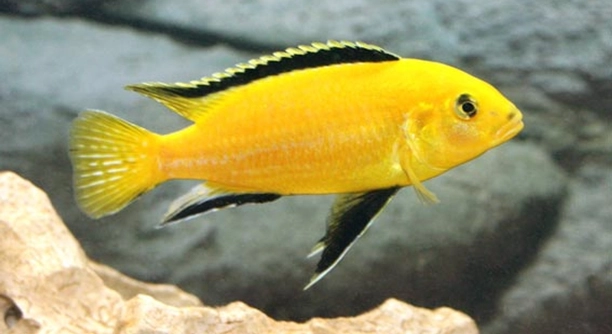
Caring for cichlids can be rewarding, but understanding their behavior is key. Watching their daily actions and environment helps ensure they feel secure, comfortable, and well-cared for in their home aquarium.
Observing specific behaviors and physical signs allows aquarists to assess cichlid happiness accurately. Monitoring swimming patterns, coloration, appetite, and social interactions provides measurable indicators of well-being, helping maintain a stable and healthy environment tailored to each species’ needs.
Recognizing these small yet important signs can improve your cichlids’ overall quality of life and make their tank a more harmonious place.
Swimming Patterns
Watching how cichlids swim is one of the clearest ways to understand their mood. Healthy cichlids move confidently through the tank, exploring their surroundings and interacting with other fish. They should glide smoothly without jerky motions or sudden pauses. Aggressive chasing can indicate stress or dominance struggles, while hiding constantly may signal discomfort or fear. Pay attention to how often they swim near the surface or bottom, as changes in position can reflect water quality or tank setup issues. Over time, you begin to notice their usual routines and can spot deviations quickly. Cichlids that circle the tank repeatedly or bump into decorations may have poor eyesight, illness, or water imbalance. Tank size also affects swimming comfort; crowded spaces can lead to stress and less natural behavior. Providing enough room and hiding spots supports healthy activity and reduces conflict. A simple routine of daily observation helps maintain a calm, well-adjusted tank environment.
Regularly observing swimming habits allows for early detection of stress and health problems, which helps maintain stable conditions for cichlid well-being.
Noticing these movements early can prevent bigger issues and ensure your fish remain active and balanced in their environment.
Appetite and Feeding
Cichlid appetite reflects their overall health and comfort. Healthy fish eagerly eat during feeding times and show interest in variety.
Tracking feeding patterns helps identify stress or illness before visible signs appear. Loss of appetite can result from poor water conditions, incorrect diet, or illness. Some cichlids may be shy eaters, so it’s important to observe individual fish closely. Feeding small portions multiple times a day can encourage consistent eating and reduce waste. Offering a mix of high-quality flakes, pellets, and occasional live or frozen food supports nutritional needs. Avoid overfeeding, which can cause water issues and obesity. Some cichlids will defend food aggressively, signaling territorial behavior, while others may retreat if tankmates are dominant. Keeping a feeding log for each species can highlight changes and allow for prompt adjustments. Over time, this helps maintain a healthy, thriving tank where all fish receive proper nutrition and exhibit positive, energetic behavior.
Coloration Changes
Cichlid colors reflect mood and health. Bright, vivid colors indicate happiness, while dull or faded tones often signal stress, illness, or poor water quality.
Color shifts can result from diet, lighting, or water parameters. Stressful tank conditions, such as aggressive tankmates or overcrowding, may also cause paler hues. Some species naturally change colors during breeding or mood fluctuations. Tracking these variations over time helps identify potential problems early. Consistent water testing and a balanced diet can maintain healthy coloration. Observing subtle changes allows for timely adjustments to the tank environment. Maintaining proper light exposure enhances natural pigments, while avoiding sudden temperature or pH shifts prevents unnecessary stress. Regular attention to tank conditions supports bright, consistent coloring.
Consistent color monitoring helps detect health or environmental issues early, preventing long-term problems.
Social Behavior
Cichlids have complex social interactions that indicate well-being. Observing dominance, cooperation, or isolation provides insight into happiness and tank dynamics.
Pay attention to how fish interact daily. Aggressive chasing, frequent nipping, or constant hiding suggests stress or imbalance in social structure. Some species form pair bonds or small groups, while others establish clear territories. Noting which fish are dominant and which are submissive helps manage conflicts effectively. Adjusting tank decorations, adding hiding spots, or re-evaluating stocking levels can reduce tension. Positive interactions, like coordinated swimming or shared territory without aggression, indicate a well-adjusted community. Social behavior changes often appear before physical symptoms of illness, making observation crucial for maintaining a healthy tank. Creating an environment that supports natural behaviors ensures cichlids feel secure and thrive.
Breathing Patterns
Rapid or labored breathing in cichlids can indicate stress, poor water quality, or illness. Calm, steady gill movement shows they are comfortable and healthy.
Watch for sudden changes in breathing. Gasping at the surface or excessive gill movement often signals oxygen deficiency or high nitrate levels, which need prompt attention to prevent serious health issues.
Interaction with Environment
Cichlids explore decorations, rocks, and plants regularly. Active interaction shows curiosity and comfort within their tank.
Providing hiding spots and varied terrain encourages natural behaviors. Fish that constantly avoid areas or ignore enrichment may feel insecure, highlighting the importance of a balanced environment for mental and physical well-being.
Resting Habits
Cichlids rest at predictable times, usually near the bottom or in secluded areas. Healthy fish remain alert even when resting.
Physical Appearance
Scales, fins, and eyes reflect overall health. Smooth scales, clear eyes, and intact fins indicate well-being.
Dull scales, torn fins, or cloudy eyes suggest stress, poor water quality, or disease. Regular observation of physical traits ensures early intervention and supports long-term happiness.
FAQ
How do I know if my cichlid is happy?
Happy cichlids display bright coloration, swim confidently, eat regularly, and interact positively with other fish. They explore their environment and make use of hiding spots. Changes in behavior, like constant hiding or erratic swimming, often indicate stress or illness. Regular observation of their daily actions helps gauge comfort and well-being.
What are common signs of stress in cichlids?
Stress signs include faded colors, rapid gill movement, loss of appetite, and frequent hiding. Aggressive chasing or constant territorial disputes may also signal stress. Environmental factors, such as poor water quality, overcrowding, or incompatible tankmates, are often the cause. Adjusting tank conditions usually improves behavior and reduces stress.
How often should I check water parameters?
Water parameters should be checked weekly, including temperature, pH, ammonia, nitrite, and nitrate levels. Sudden changes can impact cichlid health and happiness. Maintaining stable, species-appropriate conditions ensures their immune system stays strong and supports natural behaviors, including feeding and social interaction.
Can diet affect cichlid mood?
Yes, nutrition directly impacts behavior and coloration. A balanced diet of high-quality flakes, pellets, and occasional live or frozen foods keeps cichlids active and colorful. Overfeeding or inconsistent feeding schedules can lead to lethargy, aggression, or digestive issues, all of which affect overall happiness.
Do cichlids need companions?
Many cichlid species are social but territorial. Some thrive in pairs or small groups, while others prefer solitary setups. Observing social interactions helps determine compatibility. Providing enough space and hiding spots prevents conflict and encourages natural social behavior, which is a key factor in their emotional well-being.
How can I tell if a cichlid is sick?
Signs of illness include clamped fins, cloudy eyes, unusual spots, rapid breathing, or loss of appetite. Behavioral changes, like staying at the bottom or isolating themselves, often appear first. Early detection allows prompt treatment and prevents further stress, improving recovery chances.
Is tank size important for happiness?
Tank size is crucial. Crowded conditions cause stress, aggression, and limited movement. Properly sized tanks allow swimming freedom, natural territorial behavior, and reduce competition for resources. Adjusting tank size based on species requirements directly improves overall well-being.
How do hiding spots affect cichlid behavior?
Hiding spots reduce stress and allow shy or subordinate fish to feel safe. Rocks, caves, and plants create territories and help manage aggression. Without adequate shelters, fish may become anxious, display dull coloration, or develop abnormal behaviors, affecting both physical and emotional health.
Can water temperature influence happiness?
Yes, temperature affects metabolism, activity, and immunity. Keeping species-specific temperatures stable promotes normal swimming, feeding, and social behaviors. Sudden drops or spikes can lead to stress, illness, and reduced energy, so monitoring heaters or chillers is essential for a happy environment.
What should I do if a cichlid becomes aggressive?
Aggression can arise from territorial disputes, overcrowding, or incompatible tankmates. Observing the tank, rearranging decorations, adding hiding spots, or separating fish temporarily helps reduce conflict. Understanding species behavior and providing ample space keeps aggression manageable and supports harmonious living conditions.
How often should I observe my cichlids?
Daily observation is recommended. Short, consistent checks reveal early signs of stress, illness, or behavioral changes. Noting feeding, swimming, and social patterns allows adjustments to diet, environment, or tankmates, keeping cichlids healthy and happy consistently.
Can lighting affect happiness?
Yes, proper lighting enhances coloration and natural behavior. Too bright or too dim lighting can cause stress or inactivity. A consistent light schedule mimics natural day-night cycles, promoting feeding patterns, rest, and overall emotional stability for your cichlids.
How do I handle new cichlids in the tank?
Introduce new fish gradually. Quarantine for at least two weeks to prevent disease spread. Rearrange decorations to minimize territorial disputes and monitor interactions closely. Careful acclimation helps reduce stress and supports smooth integration into the existing social structure.
Are certain species more sensitive than others?
Yes, some cichlids are more territorial, shy, or prone to stress. Knowing species-specific needs for tank size, companions, and water parameters ensures optimal happiness. Tailoring care to their natural habits prevents health issues and fosters positive behavior patterns.
What role does routine play in cichlid happiness?
Cichlids thrive on predictable feeding, light cycles, and tank maintenance. Consistent routines reduce stress and encourage natural behaviors. Irregular schedules or sudden changes can trigger anxiety, aggression, or decreased activity, highlighting the importance of structured care practices for their well-being.
How can I prevent boredom in cichlids?
Providing varied decorations, plants, and hiding spots keeps fish engaged. Rotating ornaments or introducing safe enrichment encourages exploration and natural behaviors. Boredom can lead to aggression, lethargy, or stress, so environmental variation is essential for maintaining a happy and active tank.
Can I tell happiness by how fish interact with me?
Some cichlids may recognize feeding routines or respond to your presence, but behavior varies by species. Active, confident fish approaching feeding areas without fear suggests comfort, while hiding or avoidance indicates stress or discomfort, reflecting their overall emotional state.
How important is cleaning the tank for happiness?
Regular maintenance prevents waste buildup, harmful bacteria, and poor water conditions. A clean, well-filtered tank reduces stress and supports healthy behavior. Ignoring cleaning schedules can lead to illness, aggression, or lethargy, so maintaining hygiene is essential for physical and emotional health.
Do cichlids enjoy specific types of plants or decorations?
Yes, natural or safe artificial plants provide hiding spots and stimulate exploration. Rock formations, caves, and varied substrates encourage territorial behavior and mental stimulation. Offering species-appropriate structures promotes activity, reduces stress, and helps fish feel secure in their environment.
What is the best way to monitor long-term happiness?
Keep a journal of feeding, coloration, behavior, and interactions. Regular notes reveal patterns and highlight changes early. Combining daily observation with water testing and environmental adjustments allows you to maintain a balanced, supportive tank, ensuring sustained cichlid well-being.
Final Thoughts
Caring for cichlids requires consistent observation and attention to detail. Their happiness depends on both physical health and environmental comfort. Watching how they swim, interact, and rest provides valuable information about their overall well-being. Even small changes in behavior, such as hiding more often or losing interest in food, can indicate stress or discomfort. Monitoring these patterns allows you to take quick action before problems become serious. Over time, you start to recognize each fish’s usual routines, preferences, and personality, which makes it easier to maintain a stable and healthy tank environment. Simple steps, like checking water parameters regularly, providing hiding spots, and feeding a balanced diet, contribute significantly to their comfort. By creating a routine that considers these factors, you help ensure that your cichlids feel secure and thrive in their home.
The physical appearance of cichlids is another key indicator of their happiness. Bright, consistent coloration usually signals that the fish is healthy and content, while dull or faded colors can indicate stress, illness, or poor water conditions. Similarly, smooth scales, clear eyes, and intact fins reflect good care and optimal tank conditions. Any sudden changes in these features should be addressed immediately to prevent health issues. Social behavior is equally important. Cichlids often establish territories and show varying levels of aggression or cooperation. Observing interactions helps determine if tankmates are compatible or if adjustments are needed. Providing enough space, hiding places, and varied decorations can reduce conflict and support natural behaviors. Understanding these subtle signs and responding appropriately strengthens the connection between the fish and their environment.
Maintaining a healthy tank requires ongoing effort, but the benefits for your cichlids are clear. Consistent observation, proper feeding, and attentive care help keep them active, colorful, and stress-free. Adjusting the tank environment to meet the needs of each species promotes natural behavior and overall happiness. Daily attention, even in small amounts, can prevent major problems and create a peaceful, thriving community. Remember, every cichlid is unique, and recognizing individual differences allows for tailored care. Monitoring swimming patterns, feeding habits, coloration, and social interactions ensures that your fish remain comfortable and healthy. By focusing on these key aspects and responding to their needs, you can provide an environment where your cichlids can flourish and exhibit their full range of natural behaviors. Over time, your efforts will result in a balanced, harmonious tank that supports long-term happiness and well-being for all its inhabitants.

Hello,
If you enjoy the content that we create, please consider saying a "Thank You!" by leaving a tip.
Every little bit helps us continue crafting quality advice that supports the health, happiness, and well-being of pets around the world, for pets of all shapes, sizes, and species.
We really appreciate the kindness and support that you show us!