
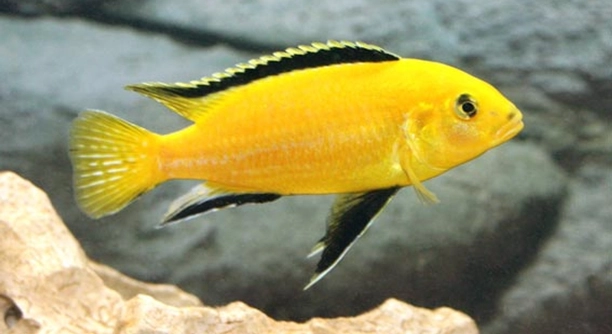
Electric Yellow Cichlids are vibrant and full of personality, yet they can be shy around new owners. Building a connection with them takes patience, consistency, and understanding of their natural behaviors in the aquarium environment.
Establishing trust with Electric Yellow Cichlids requires a combination of regular feeding routines, gentle interactions, and careful observation of their responses. Providing a stable environment and minimizing sudden changes enhances their comfort and promotes a stronger, more predictable bond over time.
Learning to read their body language and respecting their space can make caring for these fish more rewarding and enjoyable for both owner and pet.
Consistent Feeding Schedule
Keeping a regular feeding schedule is one of the easiest ways to build trust with Electric Yellow Cichlids. I noticed that when I fed my fish at roughly the same time each day, they began to anticipate my presence. They would swim closer to the front of the tank, seeming more comfortable with my hand near the water. Skipping meals or feeding at irregular times made them hesitant and skittish, retreating to corners when I approached. Over time, consistency helped them relax and associate me with something positive, which is crucial for trust. Feeding small amounts rather than overloading the tank ensures they are not stressed and helps maintain water quality. Using a stick or container to deliver food at the same spot each day can further reinforce their routine. Observing their reactions allows me to adjust amounts or timing to suit their preferences, which strengthens the bond without forcing interaction.
Regular feeding builds predictability and safety for the cichlids.
Once they recognize that your actions lead to food, they are less fearful. They start watching and following your movements, making them more approachable. It becomes easier to engage in gentle interaction, like slowly moving your hand near the tank or allowing them to swim around you. Gradual exposure in a controlled environment teaches them that your presence is not threatening, which is essential for trust development.
Gentle Tank Interaction
Slow and careful movements near the tank help Electric Yellow Cichlids feel comfortable. Rapid gestures can startle them, making them retreat and lose confidence in your presence. I make it a habit to sit by the tank quietly before feeding, letting them notice me without rushing. Over time, they swim closer instead of hiding, which shows they are becoming more relaxed. Simple acts, like moving objects in the tank calmly or lightly brushing algae without sudden motions, let them see you as predictable rather than intimidating. Gradually, I began resting my hand in the water without touching them, allowing them to approach on their own terms. It’s amazing to see their curiosity grow without forcing contact.
Gentle interactions create a sense of safety for your cichlids.
Patience is essential. I learned that sudden attempts to touch or chase them only reverse progress. By staying calm and letting them explore near me, I allow them to control the distance and approach. Over weeks, they start responding to my movements with interest, sometimes even following my hand or nibbling lightly at floating food I place carefully near them. Avoiding loud noises and excessive movement around the aquarium also reduces stress, helping them associate the environment with calmness. Once they trust the regularity of these interactions, it becomes easier to notice their moods, preferences, and health changes. Consistency paired with non-threatening behavior lays the foundation for a deeper bond and allows me to observe natural behaviors that might otherwise go unnoticed. This approach makes them confident in exploring the tank while staying responsive to me, creating a stable and trusting atmosphere.
Observing Body Language
Electric Yellow Cichlids show trust through subtle body movements. Watching their fins, swimming patterns, and coloration helps me understand when they feel safe or stressed.
By paying close attention, I can notice signs of discomfort early. Rapid darting, hiding behind rocks, or clamped fins usually indicate stress or fear. When they swim calmly near the front or lightly flare fins, it shows comfort and curiosity. I adjust my movements and interactions based on these signals, allowing them to build trust at their own pace. Over time, I learned to interpret even slight changes in posture or eye focus. Observing body language also helps me identify health issues before they escalate, keeping them safe while strengthening our connection.
Consistently observing their behavior allows me to respond appropriately, reinforcing positive interactions.
Regularly monitoring how they react to my presence, food, and changes in the tank has made a big difference. I notice patterns, like which areas of the tank they prefer or which times of day they are most active. Using this knowledge, I avoid approaching when they show signs of stress and instead offer gentle engagement during calmer periods. I also track how environmental changes, like adding plants or decorations, affect their comfort. This approach has taught me that trust is built through patience and respect, not force. Understanding their body language creates a deeper awareness of their needs, helping maintain both their physical health and emotional comfort.
Maintaining Clean and Safe Environment
A clean tank is essential for trust. Dirty water or sudden changes make cichlids wary and anxious.
Keeping water parameters stable and performing regular maintenance ensures a stress-free environment. I test pH, ammonia, nitrate, and temperature frequently to match their ideal conditions. When water is consistently safe and clear, they become more confident, swimming freely instead of hiding. Providing secure hiding spots and balanced decoration also reduces stress. Avoiding harsh chemicals and rapid water changes prevents sudden shocks, which can break trust. I found that small, consistent adjustments work better than large, infrequent changes. Maintaining cleanliness not only supports health but reinforces a sense of stability, letting them associate the tank with safety and comfort.
Consistent tank care prevents unnecessary stress and supports trust-building.
I pay attention to subtle cues like unusual hiding, color fading, or lethargy, which often signal water issues. By addressing problems promptly, I show that their environment is safe and predictable. Over time, they begin to explore more openly, interact during feeding, and even approach my hand without hesitation. Careful monitoring of tank temperature, filtration, and food waste helps maintain ideal conditions, reducing stress. A stable environment allows them to focus on natural behaviors, like exploring and socializing with tank mates, instead of constantly reacting to discomfort. This creates a reliable routine and strengthens trust, making interactions smoother and more rewarding.
Avoid Sudden Movements
Electric Yellow Cichlids are sensitive to sudden motions near the tank. Quick gestures startle them and make them retreat.
I learned to move slowly when refilling water or cleaning. Gradual movements let them stay calm and observe without fear, which encourages trust over time.
Hand Feeding
Offering food by hand increases familiarity. I noticed that when I extended food carefully, they swam closer without hesitation. This practice teaches them to associate my presence with safety and nourishment. Gradual exposure over days allows them to feel comfortable taking food directly, improving interaction and reinforcing trust naturally.
Respecting Their Space
Allowing cichlids to choose when to approach is key. I avoid forcing contact and let them explore freely, which makes them more confident and responsive to gentle interactions.
FAQ
How long does it take for Electric Yellow Cichlids to trust me?
It usually takes a few weeks of consistent care and gentle interaction. Every fish is different, and some may take longer to feel comfortable. Daily feeding at regular times, calm movements around the tank, and respecting their space all speed up the process. I noticed that consistency mattered more than quick results. Gradual progress, even small signs like swimming closer during feeding, indicates growing trust. Avoid forcing interactions, as this can set progress back. Patience and routine are key to helping them feel secure around you.
Can I touch my Electric Yellow Cichlids safely?
Direct contact is generally not recommended at first. They may tolerate gentle hand proximity once trust is established. I let them approach my hand without pushing, often offering food to create positive association. Over time, some may nibble lightly or swim alongside your hand, showing comfort. Touch should always be minimal and gentle, avoiding stress or injury. Allowing them to initiate contact ensures trust grows naturally, reducing fear or defensive behavior.
What is the best way to feed them for trust-building?
Small, frequent feedings work best. I feed at the same time each day and offer food in a predictable spot. Using a stick or my hand allows them to connect my presence with nourishment. Avoid overfeeding, which can harm water quality and increase stress. Watching their reactions helps me adjust amounts and timing. Gradual hand feeding encourages familiarity without forcing interaction.
How do I know if my cichlids are stressed?
Stress shows in behavior and appearance. Rapid darting, hiding, clamped fins, or faded color are common signs. I noticed that changes in swimming patterns or avoidance of certain tank areas also indicate discomfort. Consistent monitoring allows me to adjust tank conditions, feeding, or interactions. Reducing noise, avoiding sudden movements, and maintaining water stability helps prevent stress and strengthens trust.
Can tank decorations affect trust?
Yes. Proper hiding spots reduce fear and create a sense of safety. I use rocks, caves, and plants to provide secure areas while keeping open swimming space. Overcrowded tanks can increase stress, while too few hiding places make them feel exposed. Observing which spots they prefer guides placement, helping them explore confidently and interact more naturally.
Is it okay to have other fish with Electric Yellow Cichlids?
Tank mates must be chosen carefully. I keep compatible species with similar temperament and size. Aggressive or very timid fish can disrupt trust-building. Observing interactions is important; if any conflict arises, separating fish quickly preserves a calm environment. Compatible companions can enrich their activity, but safety and stability should always come first.
How important is water quality for trust?
Extremely important. Stable water parameters reduce stress, which directly impacts willingness to interact. I test pH, temperature, ammonia, and nitrate regularly. Sudden changes make them wary, while consistent cleanliness creates a predictable environment. Maintaining filters, performing partial water changes, and avoiding harsh chemicals ensures trust-building is not interrupted by discomfort.
Should I talk or make sounds near the tank?
Soft sounds and quiet talking do not harm cichlids and may help them recognize your presence. I avoid loud noises, banging, or sudden movements. Calm, predictable sounds combined with gentle visual presence reinforce trust. Over time, they may respond by swimming closer or becoming more active during feeding.
How often should I interact with them?
Daily interaction is ideal, even if brief. I spend a few minutes observing, feeding, or gently moving around the tank. Frequent but calm exposure helps them feel familiar with my presence. Consistency matters more than long sessions. Short, regular interactions build trust faster than occasional long periods of engagement.
Can I build trust if I have a busy schedule?
Yes, with small consistent steps. Even brief daily feeding, monitoring water, and slow movements near the tank are effective. I focus on quality over quantity, letting the cichlids approach at their pace. Trust develops over time through predictability, patience, and gentle observation rather than constant handling.
Building trust with Electric Yellow Cichlids takes time, patience, and attention to detail. These fish are naturally curious but cautious, so their comfort around humans develops slowly. I found that keeping a consistent routine is one of the most effective ways to help them feel secure. Feeding at the same times each day, offering small amounts of food, and avoiding sudden changes in their environment all contribute to creating a sense of stability. Over time, this predictability makes them more confident and willing to explore their surroundings. They begin to associate my presence with positive experiences, which strengthens the bond and reduces stress. Consistency is not just about feeding; it also includes tank maintenance, gentle interaction, and observing their behavior regularly. Each small action adds up, showing them that their environment and the people around it are safe.
Observing body language is another key factor. Electric Yellow Cichlids communicate through subtle movements, changes in coloration, and swimming patterns. I pay close attention to how they react when I approach the tank, move objects, or offer food. Signs of trust can include swimming closer, displaying relaxed fins, or lingering near my hand during feeding. Stress, on the other hand, appears as hiding, rapid darting, or clamped fins. By recognizing these signals, I can adjust my approach to avoid causing fear. Over time, this attentiveness allows me to respond appropriately to their needs and reinforces positive behavior. Respecting their space and allowing them to choose when to engage ensures that interactions are welcomed rather than forced. This balance of observation and patience is essential in building a trusting relationship with these fish.
A calm and clean environment also plays a major role in trust-building. Electric Yellow Cichlids thrive in stable water conditions with proper filtration, temperature, and pH levels. I learned that even small fluctuations can make them wary or stressed, so maintaining stability is critical. Providing hiding spots and well-placed decorations helps them feel secure, while open swimming areas allow them to explore without fear. Gentle handling of maintenance tasks, slow movements, and minimal disturbance all contribute to a safe atmosphere. When fish feel secure and the environment is predictable, they are more likely to interact positively and show curiosity rather than fear. Trust is built gradually through these combined efforts, and patience is essential. By keeping routines consistent, observing their behavior closely, and maintaining a calm habitat, I have seen Electric Yellow Cichlids become more confident, responsive, and willing to engage, making the experience of caring for them both rewarding and enjoyable.

Hello,
If you enjoy the content that we create, please consider saying a "Thank You!" by leaving a tip.
Every little bit helps us continue crafting quality advice that supports the health, happiness, and well-being of pets around the world, for pets of all shapes, sizes, and species.
We really appreciate the kindness and support that you show us!