
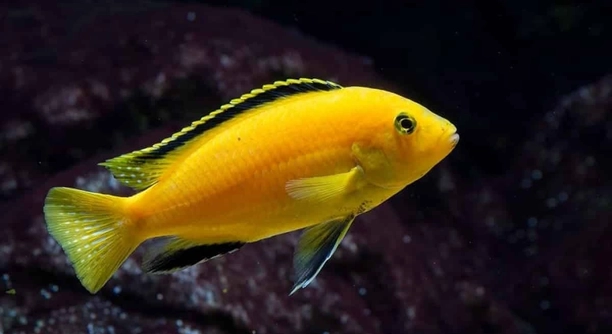
Are your aquarium fish showing signs of aggression during feeding times? Many fish owners struggle with sudden fights and stress in their tanks, making mealtime tense for both the fish and the caretaker.
Establishing consistent feeding times significantly reduces tank aggression. Regular intervals help fish anticipate food, minimize competition, and maintain stable social hierarchies, ultimately creating a calmer and healthier environment for all aquatic inhabitants in the aquarium.
Knowing the right feeding schedule can make your tank a peaceful space. Small adjustments can create noticeable improvements in behavior and harmony.
Morning Feeding
I start my mornings by feeding my fish right after turning on the aquarium lights. This time seems natural because it mimics daylight in the wild, signaling that it’s safe and calm. Fish respond well to a predictable schedule. When they know food comes at the same time every morning, they are less likely to rush or compete aggressively. I usually provide small amounts in several spots across the tank. This method allows timid fish to eat without confrontation. I’ve noticed that by feeding early, dominant fish do not monopolize the food. The overall mood in the tank improves, and less energy is wasted on chasing and nipping. For many aquariums, morning feedings can prevent tension that builds overnight. Consistency and patience have made my tank peaceful, with all fish getting their share and avoiding unnecessary stress. This simple routine has been the most effective at reducing conflicts for my setup.
Starting early sets a calm tone for the day and reduces aggression at later feedings.
Morning feedings establish a stable routine. Fish quickly learn when to expect food, which lowers stress and competitive behaviors. By offering food in multiple locations, all fish can access it, preventing dominant ones from blocking others. Over time, this reduces bites, chases, and overall tension in the tank. Feeding at the same time daily reinforces security, making fish feel safe. I’ve seen a remarkable difference since implementing morning feedings. The tank feels more balanced, and interactions are gentler. Additionally, fish are more active and visible during the day, which allows me to monitor their health closely. Adjusting portion size also helps prevent leftover food from polluting the water. Small, frequent feedings paired with morning timing support good water quality and fish wellbeing. The combination of consistency, portion control, and location variety is key. This simple routine benefits not only the fish but also anyone maintaining the aquarium, making care less stressful and more rewarding.
Midday Snack
Providing a small midday snack keeps fish calm between main feedings.
A light, timed snack reduces hunger-driven aggression. Fish are less likely to chase each other if they have frequent, predictable food. This approach ensures that all fish remain nourished without overwhelming the tank or water quality.
Midday feeding works best with small portions that dissolve slowly or sink appropriately for different species. It prevents boredom and competition, giving shy fish a chance to eat safely. I usually choose easily digestible foods, like flakes or frozen bits, so leftovers don’t cloud the water. Spacing feedings throughout the day maintains steady energy levels for all fish. Even dominant fish benefit because they do not feel pressured to eat everything at once. Over time, a midday snack can improve the social balance of the tank, creating a more harmonious environment. Monitoring fish behavior during this feeding helps identify individuals that may need extra care or are stressed. Keeping portions moderate ensures water stays clean while still satisfying all the fish. This small adjustment has transformed my aquarium’s behavior, making it calmer and more predictable.
Afternoon Feeding
Feeding in the afternoon helps maintain energy levels for active fish. It prevents aggression from building before evening.
I usually feed slightly larger portions than midday, but still split across multiple spots. This timing allows fish that are slower or shy to get their share without being chased. By afternoon, most fish are fully awake and responsive, so they can find food more easily. I’ve noticed that feeding mid-afternoon reduces the chances of late-day squabbles. The tank feels calmer, and dominant fish are less likely to bully smaller ones. Portion control is key. I avoid overfeeding because leftovers create stress and degrade water quality, which can lead to more aggression. Feeding consistently at this time has made the tank more predictable for everyone.
Afternoon meals also serve as a bridge between morning and evening feedings. Fish remain active and well-fed, reducing hunger-driven fights.
Regular afternoon feeding supports balanced behavior. Fish get a chance to digest morning food while staying alert. It minimizes competition and aggression, especially in mixed-species tanks. Consistency in portion size and timing encourages predictable routines. I often notice that even the more aggressive fish behave calmly during this feeding. By spacing meals properly, I prevent spikes in hunger that trigger nipping or chasing. Providing food in different tank locations ensures timid fish are not left out. Over time, this creates a more peaceful tank atmosphere. Careful observation during this feeding helps adjust amounts for individual species’ needs. Afternoon feeding contributes to overall tank health and social harmony.
Evening Feeding
Evening feeding gives fish a final opportunity to eat before night. This timing prevents overnight hunger and reduces morning aggression.
I usually offer smaller portions than afternoon, focusing on slow-sinking foods for bottom dwellers. By evening, most fish have learned the routine and feed calmly. Dominant fish rarely hoard food because their earlier meals satisfy them. This feeding time also helps me monitor health and activity before the tank goes dark. Leftover food is minimal when portions are controlled. Evening meals complete the day’s feeding cycle, helping the tank remain peaceful through the night. I’ve seen calmer mornings since adopting this habit.
Consistent evening feedings reinforce daily routine. Fish feel secure knowing food is coming at predictable times, and aggression decreases naturally. This habit supports both fish wellbeing and cleaner water.
Pre-Bedtime Snack
A small pre-bedtime snack keeps fish from waking up hungry. This reduces night-time restlessness and prevents early morning aggression.
I give just enough food for all fish to nibble slowly. Slow-feeding options work best to avoid leftovers. This tiny portion helps maintain calm behavior overnight.
Weekend Feeding
On weekends, I slightly adjust feeding times to match when I can monitor the tank closely. This ensures no fish is missed.
I usually provide a mix of flakes and frozen foods, spread across the tank. Watching their behavior helps me notice stress or health issues early. Overfeeding is avoided to protect water quality. Weekend feedings are slightly more relaxed but remain consistent enough to reinforce routine. I’ve noticed that these carefully timed meals keep the fish peaceful and active, preventing spikes in aggression that often happen when feeding becomes irregular. This minor adjustment improves overall tank harmony and allows me to enjoy observing them safely.
Spot Feeding
Targeted spot feeding allows shy fish to eat without interference. It also prevents aggressive fish from dominating.
Floating Food Time
Using floating foods for surface feeders encourages natural behavior. It keeps these fish engaged and reduces bottom-dweller competition.
FAQ
How often should I feed my fish to prevent aggression?
Feeding your fish two to four times a day works well for most community tanks. Spacing meals evenly keeps fish from becoming overly hungry, which reduces chasing and nipping. Consistent timing is more important than the number of feedings.
What types of food reduce aggression the most?
A varied diet with flakes, pellets, and frozen or live foods helps prevent competition. Different textures and sinking rates allow all fish to feed according to their natural habits. Bottom dwellers get their share without conflict, while surface feeders stay active and satisfied.
Is it better to feed smaller portions multiple times or one large meal?
Multiple small feedings are better. Large meals create chaos as dominant fish rush to grab food, leaving shy fish stressed and hungry. Small portions in multiple spots allow peaceful access for everyone, lowering stress and aggression.
Can feeding times affect fish hierarchy?
Yes. Regular feeding times stabilize social hierarchies. Fish know when to expect food and learn their place in the social order. Predictable routines reduce sudden fights and territorial disputes, creating a calmer tank environment.
How do I handle aggressive fish during feeding?
Separate extremely aggressive fish temporarily if needed, or provide extra food in different tank areas. Using slow-sinking or floating foods for specific species helps ensure all fish eat without being chased. Observing behavior daily helps adjust portions or placement.
Should I skip feedings to control aggression?
No. Skipping meals increases hunger-driven fights and stress. Maintaining regular, consistent feedings is far more effective at reducing aggression than skipping. Small, frequent meals prevent competition while keeping fish healthy.
What role does food placement play in reducing aggression?
Food placement is crucial. Scatter food in multiple locations so shy fish can eat safely. Placing food in areas near hiding spots or for bottom dwellers prevents dominant fish from controlling all access. This encourages peaceful feeding and allows all fish to thrive.
Can the type of fish affect feeding aggression?
Absolutely. Some species are naturally more territorial or aggressive, while others are shy. Knowing species behavior helps plan feeding strategies, such as distributing food or using separate feeding times for aggressive and timid fish to minimize conflict.
Does water quality influence aggression during feeding?
Yes. Poor water quality stresses fish, which can increase aggressive behavior. Regular water changes, proper filtration, and careful portioning of food help maintain clean water, which keeps fish calm and reduces conflict during meals.
Are there signs my feeding routine is not working?
If you notice persistent chasing, nipping, or some fish consistently missing food, your routine may need adjustment. Try smaller portions, different feeding times, or alternative food placement. Monitoring behavior and making gradual changes improves harmony and keeps all fish healthy.
How can I monitor fish behavior effectively during feeding?
Observe interactions closely. Look for signs of stress, such as hiding, torn fins, or constant chasing. Note which areas of the tank are overcrowded. Adjust feeding locations and times as needed. Keeping a simple log of behavior changes helps track improvements and refine routines.
Does feeding schedule change with tank size?
Tank size can affect how aggressive feeding is. Larger tanks allow more space for shy fish to avoid dominant ones, but feeding in multiple spots is still important. Smaller tanks require careful portioning and distribution to prevent conflict.
Can supplements or treats help reduce aggression?
Occasional treats or supplements can encourage calm behavior by keeping fish interested and satisfied. Use sparingly and spread them in different areas to avoid fights. Treats should complement the regular diet, not replace it.
What’s the best time of day to feed if I notice frequent aggression?
Early morning and late afternoon feedings are often best. Fish are calmer at these times, and splitting feedings ensures no one is overly hungry. Consistency with timing is key to reducing aggressive outbreaks.
How long should I observe after changing feeding routines?
Give changes at least one to two weeks to see noticeable results. Fish need time to adjust to new schedules, portion sizes, or food placement. Consistent observation helps confirm whether the adjustment has improved harmony in the tank.
Feeding your fish at consistent times is one of the simplest ways to reduce aggression in a tank. Fish rely on predictable routines to feel secure, and a well-planned feeding schedule helps them stay calm. Over time, regular feedings can prevent chasing, nipping, and stress-related behavior. It is important to spread food in multiple areas of the tank so that shy fish can eat without being bullied by more aggressive ones. Using a variety of foods, such as flakes, pellets, frozen, or live options, ensures that all fish get proper nutrition while reducing competition. I have found that when meals are predictable and portions are controlled, my fish behave more calmly, and the tank feels more balanced. Even small adjustments, like feeding slightly earlier or later than usual, can have a noticeable effect on how peaceful the fish are. Predictability in feeding times and consistency in portion sizes are essential for maintaining harmony in any aquarium.
Morning, afternoon, and evening feedings each play a specific role in maintaining a calm tank. Morning feedings give fish energy for the day while preventing early-day aggression. Midday snacks help keep fish from becoming overly hungry, which can lead to chasing or dominance displays. Afternoon meals give the fish time to digest previous feedings and maintain steady energy levels, reducing competition during later feedings. Evening feedings provide one last chance to eat before night, preventing overnight hunger that can trigger aggressive behavior in the morning. Incorporating occasional spot feedings or slow-sinking foods allows timid fish to feed safely, especially in tanks with mixed species. By carefully timing meals and choosing appropriate foods for each species, you can prevent most of the conflicts that typically happen around feeding time. Regular observation is important to ensure all fish are eating and that aggressive behavior does not persist.
Consistency in feeding is equally important as the type and timing of food. Aggressive behavior often increases when fish are stressed, hungry, or competing for limited resources. Maintaining water quality through regular cleaning, proper filtration, and careful portioning of food helps keep fish calm and healthy. Observing fish behavior closely during feedings allows adjustments to portions, feeding spots, or times as needed. Some fish may require individual attention if they are particularly shy or slow eaters, and separating highly aggressive fish temporarily can help restore balance. With patience and regular care, establishing feeding routines can create a peaceful, well-functioning tank where all fish thrive. Over time, these practices not only reduce aggression but also support the overall health and wellbeing of the aquarium, making care simpler and more enjoyable.

Hello,
If you enjoy the content that we create, please consider saying a "Thank You!" by leaving a tip.
Every little bit helps us continue crafting quality advice that supports the health, happiness, and well-being of pets around the world, for pets of all shapes, sizes, and species.
We really appreciate the kindness and support that you show us!