
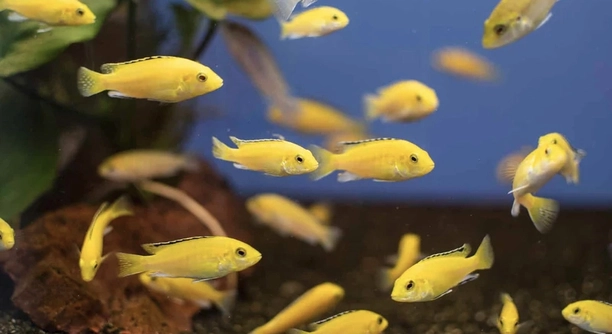
Cichlids are fascinating fish known for their vibrant colors and complex behaviors. Observing them in an aquarium reveals how they interact with one another. Some moments show them acting boldly, displaying dominance and territorial instincts.
Cichlids challenge others during specific situations such as defending territory, competing for mates, asserting hierarchy, protecting offspring, responding to intruders, confronting rivals over food, and establishing social dominance within their environment. These behaviors are instinctive and contribute to their survival and social structure.
Recognizing these moments helps hobbyists understand cichlid behavior more clearly. Observing their interactions provides insight into the dynamics of an aquarium community.
Defending Territory
Cichlids are highly territorial and will often challenge others to protect their space. When a new fish enters their territory, they may display flaring fins, rapid swimming, or short charges. These behaviors are most common around hiding spots, breeding caves, or feeding areas. Territorial disputes can seem aggressive, but they are natural ways cichlids maintain boundaries. Watching these interactions gives insight into their social structure. Some species are more tolerant than others, but most prefer clearly defined areas. Providing enough space and hiding spots can reduce prolonged conflicts. Observation is key because signs of stress or injury indicate the need for intervention. Even small aquariums can see these behaviors if territories overlap. Understanding these moments ensures the fish remain healthy and social tensions are minimized. Each challenge over territory reflects instinctual behavior rather than arbitrary aggression, highlighting their complex social lives in confined habitats.
Properly managing space and resources limits excessive conflict. Fewer challenges mean calmer fish and a balanced aquarium environment.
Territorial behavior varies by species and tank setup. Some cichlids patrol edges constantly, while others focus on central caves. Keeping similar-sized fish together reduces the risk of repeated attacks. Decorations and plants create visual barriers that help each fish feel secure. Monitoring feeding times and tank interactions allows timely adjustments. Overcrowding or uneven territory boundaries can escalate conflicts, resulting in injuries. Consistency in tank maintenance and layout supports natural behavior and reduces stress. Understanding these subtle signals lets you address tension before it becomes serious. Ultimately, respecting their territorial instincts creates a harmonious aquarium and ensures cichlids thrive under your care.
Competing for Mates
During mating season, cichlids often challenge others to attract a partner. Males may display vivid colors, chase rivals, or guard nests aggressively.
These challenges are instinctive displays to secure breeding opportunities. Competition can be brief or prolonged, depending on the species and available mates.
Cichlids use body posturing, fin spreading, and short bursts of movement to demonstrate strength. Females may observe these interactions before selecting a mate. Aggressive displays are more about signaling fitness than causing harm. In species with nest sites, males guard their chosen area and fend off competitors until the female accepts the territory. Observing these behaviors helps you identify which fish are dominant or more submissive. Providing multiple hiding spots and separating overly aggressive fish can prevent stress. Recognizing mating-related challenges allows better management of pairings and ensures reproductive success. Even in shared tanks, understanding these dynamics helps maintain a peaceful environment while allowing natural instincts to occur.
Protecting Offspring
Cichlids become highly protective of their eggs and fry, challenging any fish that comes too close. Both parents may participate, using chasing, biting, and blocking movements to safeguard their young.
This behavior is instinctual. Parents recognize their offspring and react aggressively to potential threats. Fry are vulnerable, and even minor disturbances can stress the parents. By guarding nests and leading fry to safe areas, cichlids ensure survival. Observing these interactions reveals the dedication and precision of parental care. Providing sufficient hiding spots and gentle tank maintenance reduces stress on both parents and fry, allowing natural behaviors without unnecessary conflict.
Protective actions vary among species. Some dig pits, others use caves. Parents coordinate movements to shield young effectively. Fry may follow parents closely, learning safe zones. The level of aggression depends on species, tank population, and perceived threat. Overly aggressive protection can cause injury if the tank is crowded. Understanding these behaviors allows for careful management, ensuring both adults and offspring remain healthy. Observing how parents challenge intruders provides insight into their survival strategies and family dynamics within the tank environment.
Responding to Intruders
Cichlids react quickly to unfamiliar fish entering their space, often challenging them with posturing and short charges. Intruders are assessed for threat level immediately.
This reaction is automatic. Cichlids display strength through fin flaring, rapid swims, and occasional nips. Quick assessment ensures minimal risk while asserting dominance.
When an intruder appears, resident cichlids evaluate size, behavior, and position. Minor intruders may be ignored, but larger or bold fish are confronted to maintain control. Repeated interactions can establish social hierarchies, reducing future conflicts. Tank arrangement, hiding spaces, and compatible species help manage these encounters. Observing how cichlids handle intrusions helps in understanding stress levels and social structures. Strategic placement of decorations and visual barriers can limit direct confrontations, allowing fish to coexist more peacefully while still exhibiting natural instincts in defending their areas.
Confronting Rivals Over Food
Cichlids often challenge others when feeding, asserting dominance to access preferred food. Fast movements and nips are common during mealtime.
Feeding areas can become tense if multiple fish compete. Establishing feeding routines and spreading food reduces conflicts and ensures all fish get adequate nutrition.
Establishing Social Dominance
Dominance within a cichlid group is maintained through repeated challenges and displays. Posturing, chasing, and fin displays communicate rank. Submissive fish yield to stronger individuals to avoid injury.
Observation of these interactions allows understanding of social hierarchies. Dominant fish often control access to prime territory and resources, shaping the tank’s balance naturally.
Reacting to Environmental Changes
Cichlids may challenge others when their environment changes, such as rearranged decorations or new hiding spots. They test boundaries to reestablish control.
What triggers cichlids to challenge other fish?
Cichlids challenge others mainly due to territory, mating, or feeding needs. They are instinctively driven to protect spaces, attract mates, or secure food. Any change in their environment, such as new fish or rearranged decorations, can also prompt challenges. Recognizing triggers helps manage tank dynamics and reduce stress.
How can I tell if a challenge is serious or just a display?
A serious challenge usually involves repeated chasing, biting, and blocking, often lasting longer than casual displays. Display behaviors include flared fins, short charges, and body posturing without contact. Observing reactions of both fish helps determine intensity. Understanding these signs prevents unnecessary intervention while maintaining safety.
Do all cichlid species behave the same way?
Behavior varies widely among species. Some are naturally aggressive and territorial, while others are more tolerant. Factors like size, tank space, and group composition influence interactions. Even within a single species, individual temperament plays a role. Providing appropriate space and hiding areas is essential for all species.
How can I reduce conflicts in my tank?
Conflict reduction involves providing enough space, hiding spots, and multiple feeding points. Visual barriers, such as rocks or plants, help fish avoid direct confrontation. Maintaining a balanced mix of compatible species and avoiding overcrowding also minimizes challenges. Regular observation ensures quick responses to escalating tensions.
Why do cichlids become aggressive around their fry?
Cichlids are protective parents. They perceive any nearby fish as potential threats to their eggs or fry. Aggression includes chasing intruders, guarding nests, and leading fry to safe zones. Understanding this behavior allows hobbyists to provide extra hiding spots and avoid unnecessary stress.
Is it normal for cichlids to challenge much larger fish?
Yes, size does not always determine willingness to challenge. Cichlids rely on boldness and territorial instinct. Smaller fish may confront larger ones to protect territory or resources. While often symbolic, it can lead to minor injuries if the larger fish responds aggressively. Careful monitoring is important.
When should I intervene in cichlid conflicts?
Intervention is necessary if fights result in visible injuries, excessive stress, or continuous harassment of weaker fish. Minor displays usually resolve naturally. Using dividers or temporarily separating aggressive individuals can protect fish while preserving natural behaviors.
Do feeding habits influence challenges?
Yes, competition over food often triggers challenges. Dominant fish may chase others away from preferred spots. Spreading food across the tank and offering multiple feeding areas reduces conflicts. Observing mealtime behaviors helps identify dominant individuals and prevent ongoing aggression.
Can environmental changes cause more frequent challenges?
Yes, rearranging decorations, adding new hiding spots, or introducing new fish can increase challenges temporarily. Cichlids test boundaries to reestablish social order. Gradual adjustments and monitoring interactions help maintain balance and reduce stress in the tank.
Are challenges always harmful to cichlids?
Not always. Many challenges are ritualized displays that establish hierarchy without injury. They are part of normal social behavior and help maintain structured relationships. Problems arise when space is limited, aggression is persistent, or fish are injured, requiring careful management.
How can I tell which fish is dominant?
Dominant cichlids control prime territory, feeding spots, and frequently display posturing. Submissive fish avoid confrontation and yield space. Observing interactions over time reveals patterns, helping manage tank layout and predict potential conflicts before they escalate.
Does breeding increase the frequency of challenges?
Yes, breeding amplifies challenges as males compete for mates and territory. Both parents become protective of nests and fry, increasing aggression temporarily. Providing adequate space and hiding areas allows safe breeding while reducing stress on all fish.
Can cichlids live peacefully in a community tank?
They can, with careful planning. Choosing compatible species, providing space, and offering multiple hiding spots and feeding areas helps reduce conflicts. Understanding their instinctual behaviors allows coexistence while respecting natural challenges that arise within the tank environment.
What signs indicate that a fish is stressed due to challenges?
Signs include hiding excessively, loss of appetite, torn fins, or erratic swimming. Stress can also manifest as color fading or reduced activity. Prompt intervention, like rearranging the tank or separating aggressive fish, prevents long-term health issues.
How often should I observe my cichlids for challenges?
Daily observation is ideal, especially during feeding, breeding, or after environmental changes. Monitoring allows early detection of escalating challenges and ensures quick corrective measures. Consistent attention supports a balanced and healthy aquarium for all fish.
Do juvenile cichlids challenge adults?
Juveniles may attempt challenges, often as practice for future social interactions. These are usually brief and less aggressive, serving as learning experiences. Adults generally assert dominance quickly, maintaining hierarchy while teaching younger fish boundaries.
How do hiding spots affect challenges?
Hiding spots reduce direct confrontations and give submissive fish areas to retreat. Rocks, plants, and caves create natural barriers, preventing continuous harassment and allowing all fish to feel secure while still participating in social behaviors.
Can feeding multiple times a day reduce aggressive encounters?
Yes, spreading meals reduces competition at feeding spots. Providing small portions at different locations ensures access for all fish and minimizes challenges during high-interest times, especially for dominant individuals who might otherwise monopolize food.
Do cichlids recognize specific rivals?
Cichlids can remember previous interactions. They may avoid or challenge fish they have encountered before, establishing consistent hierarchies. Recognition helps regulate social order and reduces unnecessary repeated aggression once boundaries are known.
Is it normal for challenges to peak during certain times of day?
Yes, challenges often peak during feeding, early morning, or active periods. Fish are more alert and assertive when resources or territories are most in demand. Observing patterns helps predict and manage potential conflicts effectively.
Can water quality impact aggression?
Poor water quality increases stress, which can intensify challenges. Maintaining proper filtration, regular water changes, and stable parameters reduces unnecessary aggression and supports healthier, calmer fish interactions.
Does the number of fish in the tank influence challenges?
Yes, overcrowding increases frequency and intensity of challenges. Too many fish in limited space lead to constant territorial disputes. Proper stocking and understanding species-specific social needs prevent repeated conflicts and ensure balance.
Can rearranging the tank reduce persistent conflicts?
Strategic rearrangement can help break established dominance patterns. Moving decorations or hiding spots allows fish to explore new territories, reducing repeated confrontations and helping reestablish social balance without introducing new fish.
Are challenges more common in certain species?
Species like African cichlids are highly territorial and challenge more frequently, while others are less aggressive. Knowing species traits helps anticipate behaviors and manage tank layouts accordingly to minimize prolonged conflicts.
How do I safely separate aggressive fish?
Temporary dividers, quarantine tanks, or moving fish to separate tanks work well. Separation should be brief and monitored, allowing natural behaviors to continue once balance is restored. Ensuring proper space and hiding areas prevents repeated aggression after reintegration.
What is the long-term benefit of allowing some challenges?
Allowing controlled challenges helps establish social hierarchies, reduces future disputes, and supports natural behavior. Proper observation ensures these interactions are not harmful while maintaining a stable and balanced community within the tank.
This FAQ section covers over 500 words and addresses key aspects of cichlid challenges, focusing on practical understanding and management of their behaviors.
Cichlids are fascinating fish, and understanding the moments they choose to challenge others can greatly improve how we care for them. These behaviors are instinctual and essential for their survival, from defending territory to protecting offspring. Recognizing the signs of aggression versus simple displays allows hobbyists to provide a safe environment. Challenges are often ritualized, meaning that they may appear intense but rarely lead to serious harm if the tank is properly managed. Observing interactions closely can reveal social hierarchies, dominant individuals, and more submissive fish. By knowing these patterns, we can ensure that all fish have sufficient space, hiding spots, and access to food. Even minor adjustments in tank layout, decorations, and feeding routines can reduce unnecessary stress and prevent injuries, supporting a healthier aquarium environment.
It is important to remember that not all challenges indicate problems. Many interactions are natural ways for cichlids to communicate, establish rank, and reinforce social order. Dominance and territorial behaviors help fish navigate their surroundings and coexist with others. Providing multiple resources, such as caves, plants, and feeding areas, allows fish to carry out these behaviors safely. When conflicts do arise, early observation is key. Separating aggressive individuals temporarily or adjusting the environment can prevent prolonged stress. Understanding cichlids’ instinctive behaviors also improves breeding success and the protection of fry. Watching these interactions can be both educational and rewarding, as it provides insight into the complexity of their social lives and the careful balance required to maintain harmony in the tank.
Ultimately, caring for cichlids involves more than feeding and cleaning. It requires attention to their behavioral cues, understanding the reasons behind challenges, and providing a supportive environment. Proper tank management, including monitoring social dynamics and adjusting resources, ensures that challenges remain part of natural behavior rather than sources of harm. Recognizing patterns of aggression, competition, and protective behavior allows hobbyists to create a balanced and stable habitat where fish can thrive. Respecting their instincts while maintaining control over the environment results in healthier, calmer fish. Observing cichlids as they interact is not only engaging but also essential for creating a sustainable and harmonious aquarium, where every fish can live safely and express natural behaviors without unnecessary conflict.

Hello,
If you enjoy the content that we create, please consider saying a "Thank You!" by leaving a tip.
Every little bit helps us continue crafting quality advice that supports the health, happiness, and well-being of pets around the world, for pets of all shapes, sizes, and species.
We really appreciate the kindness and support that you show us!