
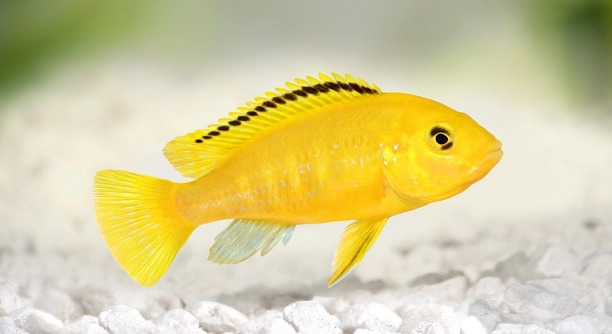
Are your fry growing quickly and showing subtle changes each week? Monitoring their behavior closely can help you understand their health, growth patterns, and social interactions in a manageable, organized way at home.
Tracking fry behaviors each week allows aquarists to detect early signs of stress, illness, or developmental issues. Observing feeding habits, swimming patterns, and social interactions ensures proactive care, promoting survival rates and overall health in controlled environments.
Weekly observations provide essential insights that support proper care and growth. Keeping a consistent record helps maintain a healthy and thriving aquarium community.
Feeding Habits
Fry often show changes in feeding habits before other behaviors shift. Observing how eagerly they approach food can indicate health or stress levels. Some fry may become less active during feeding or compete more aggressively with siblings. Sudden changes in appetite may suggest water quality issues, disease, or improper nutrition. Noting which fry consistently eat more or less can help identify individuals that need special attention. Feeding small amounts multiple times a day ensures that all fry receive proper nutrition. Avoid overfeeding, as leftover food can quickly degrade water quality and harm sensitive fry. Rotating types of food, including finely crushed flakes, powdered foods, or live foods, can provide a balanced diet. Regular observation during feeding also helps track growth rates, as fry that are eating well tend to grow more steadily. By staying attentive to these habits, you can maintain a healthier tank environment and support consistent development among all fry.
Keeping track of feeding helps prevent malnutrition and ensures growth is steady. It also reduces stress caused by competition for food.
Monitoring feeding habits weekly can reveal subtle changes that may indicate illness or stress. Observing how fry react to different foods allows adjustments in diet for optimal growth. Some fry may eat less due to slower development or illness, while others may dominate feeding areas. Maintaining proper portions and ensuring even distribution prevents weaker fry from being starved. Tracking these patterns weekly helps you identify long-term trends in growth and health. Combining observation with proper water maintenance, including filtration and regular water changes, supports a clean environment that encourages active feeding. Noting changes in behavior alongside feeding can also reveal social dynamics within the tank, such as aggression or isolation. Adjusting feeding strategies based on these observations strengthens the overall stability of the fry group and improves survival chances. Consistency in monitoring allows you to intervene early when problems arise, ensuring each fry has the best opportunity to thrive in a controlled environment.
Swimming Patterns
Fry swimming too close to the surface or hiding excessively can indicate stress or water problems. Watching movement helps assess their comfort and tank conditions.
Swimming patterns reflect overall health and tank environment. Active, balanced movement indicates proper oxygen levels and well-being. Fry that dart erratically or hover in one spot may be reacting to stressors or illness, while lethargic fry can signal water quality issues or nutritional deficiencies. Observing daily movement patterns helps identify which fry may need attention. Adjusting tank conditions, such as temperature, flow, and lighting, can improve swimming behavior and reduce stress. Monitoring these behaviors weekly allows for timely interventions and helps maintain a harmonious tank. Proper swimming habits also encourage exercise, which supports growth, strengthens muscles, and improves immune function. Over time, recording swimming patterns alongside feeding and social behavior creates a complete picture of fry health. Consistent observation ensures that any environmental or health changes are noticed early, allowing proactive steps to maintain a thriving aquarium.
Social Interactions
Fry interactions show their social development and dominance hierarchy. Observing chasing, nipping, or following behaviors helps identify aggressive or shy individuals. Proper social monitoring prevents injuries and supports balanced group dynamics.
Tracking social behavior weekly allows you to notice changes in dominance and interaction patterns. Fry that consistently chase or nip others may need additional hiding spots or space. Conversely, overly timid fry might be stressed or struggling to compete for food. Providing plants, rocks, or small decorations gives weaker fry shelter and reduces aggression. Social observations also reveal which fry are more active or assertive, helping you understand personality differences. Maintaining balanced interactions prevents bullying and promotes healthier growth among all fry.
Over time, recording social interactions helps anticipate potential conflicts. Adjustments to tank setup and population density based on these behaviors improve survival rates and foster a calmer environment for fry.
Color Development
Color changes in fry indicate growth, genetics, and overall health. Tracking pigment emergence helps determine normal development or stress responses.
Watching weekly color development allows identification of fry that may have slower growth or health concerns. Consistent, even coloration often signals proper nutrition and strong genetics, while dull or uneven patches can point to stress, poor water quality, or illness. Environmental factors such as lighting, water parameters, and diet directly affect pigment development. Live foods and specific nutrients can enhance coloration, while sudden changes in hue may require attention to tank conditions. Regular observation ensures that fry are developing as expected and helps detect any issues early.
Noting these patterns over time supports selective breeding decisions and overall tank management. It also highlights which fry might need extra care for optimal growth and vibrant coloration.
Growth Patterns
Monitoring growth rates helps identify fry that may need extra care. Uneven growth can signal nutritional or environmental issues that require attention.
Regular measurement and observation ensure fry are developing as expected. Consistent growth indicates proper feeding, water quality, and overall health, while lagging fry may need adjustments in care.
Health Indicators
Observing fry for signs of illness or injury is essential for early intervention. Look for changes in behavior, skin, or fins.
Tracking health weekly allows for prompt treatment of diseases or parasites. Noticing lethargy, discoloration, or fin damage helps prevent spread and supports overall tank well-being.
Response to Environment
Fry reactions to light, temperature, and water flow show adaptability and stress levels. Watching these responses guides tank management.
FAQ
How often should I monitor my fry each week?
Daily observation is ideal, but if that is not possible, at least three to four times a week is recommended. This frequency allows you to notice small changes in behavior, feeding, or appearance that could indicate stress or health issues. Consistent checks help maintain a stable environment and prevent problems from escalating.
What behaviors indicate that fry are stressed?
Erratic swimming, hiding constantly, or refusing food are common signs of stress. Fry may also crowd in corners or gasp at the surface if water parameters are off. Stress can result from poor water quality, overcrowding, or sudden changes in temperature or lighting. Observing these behaviors early allows corrective action before more serious problems develop.
How can I improve fry survival rates?
Providing proper nutrition, clean water, and sufficient space is key. Regular feeding with small portions prevents malnutrition, while frequent water changes reduce toxins. Separating aggressive fry and offering hiding spots helps prevent injuries. Tracking weekly growth and social behavior ensures weaker fry receive attention, improving overall survival.
What signs suggest a fry might be sick?
Look for discoloration, clamped fins, lethargy, or abnormal swimming. Loss of appetite or sudden changes in behavior are also important indicators. Early detection allows for treatment before the condition worsens. Isolation of affected fry can prevent the spread of disease to others in the tank.
How do I know if fry are eating enough?
Observing feeding behavior is crucial. Fry should actively chase food without constant competition. Uneaten food should be minimal and removed quickly to avoid water contamination. Noting which fry consistently eat less helps you identify those needing extra care or supplemental feeding.
Can environmental factors affect fry behavior?
Yes, light, temperature, and water flow greatly influence activity. Fry may hide more in low light or become stressed with strong currents. Maintaining consistent environmental conditions helps fry develop normally and reduces stress-induced behaviors. Regular observation ensures any changes are noticed quickly.
What is the best way to track fry development?
Keeping a weekly log of feeding habits, swimming patterns, color changes, and social interactions provides a clear record. Notes on growth measurements, water parameters, and any unusual behaviors help identify trends and make informed decisions for care. This record ensures nothing is overlooked and supports healthier fry.
When should I intervene with a fry showing unusual behavior?
Intervene as soon as a change is consistent or severe. Examples include persistent hiding, refusal to eat, or signs of aggression affecting weaker fry. Prompt adjustments to feeding, tank setup, or water conditions can prevent more serious health or social issues from arising.
Are some fry naturally more aggressive than others?
Yes, individual temperaments vary. Aggressive fry may dominate feeding areas or chase siblings. Monitoring interactions and providing hiding spots can reduce stress for less assertive fry. Understanding these differences helps maintain balance in the tank and ensures all fry have a chance to grow properly.
How long should I continue weekly monitoring?
Continue observing until fry reach juvenile stage and exhibit stable behavior, feeding, and coloration. Even after this stage, occasional checks are beneficial to ensure ongoing health and prevent environmental or social problems from developing later. Regular monitoring builds a habit that promotes long-term aquarium success.
Final Thoughts
Monitoring fry behaviors on a weekly basis is a simple yet effective way to ensure their health and proper development. By paying attention to feeding habits, swimming patterns, color changes, social interactions, and general responsiveness, you gain valuable insight into their well-being. These observations help identify issues before they become serious, whether they are related to nutrition, water quality, or stress. Keeping track of these behaviors also allows you to notice subtle differences between individual fry, which can guide care decisions. Small, consistent efforts make a big difference over time, ensuring that each fry receives the attention it needs to grow strong and healthy.
Consistency in observation also strengthens your ability to maintain a stable tank environment. Fry are highly sensitive to changes in temperature, lighting, water flow, and chemical parameters, and any sudden shifts can affect their behavior and survival. By checking them regularly, you can quickly detect signs of stress or illness, such as lethargy, erratic swimming, or refusal to eat. Proper monitoring allows you to make timely adjustments, such as improving water conditions, rearranging hiding spots, or modifying feeding routines. These actions minimize stress and prevent long-term health problems. Additionally, maintaining records of behavior and growth helps you track progress and make informed decisions regarding tank management, feeding schedules, and population control. Over time, this approach supports both individual fry and the overall harmony of the tank.
Finally, paying close attention to fry behavior strengthens your understanding of their needs and preferences. Each fry is unique, and observing differences in activity, appetite, and social behavior helps you tailor care to each individual. By responding appropriately to their signals, you support not only their growth but also their ability to thrive in a controlled environment. Weekly monitoring also allows you to anticipate challenges, such as aggression, slow growth, or disease outbreaks, before they escalate. It creates a proactive approach to aquarium care, rather than a reactive one. Regular observation is a small commitment that yields long-term benefits, helping fry reach their full potential while maintaining a balanced and healthy tank environment.

Hello,
If you enjoy the content that we create, please consider saying a "Thank You!" by leaving a tip.
Every little bit helps us continue crafting quality advice that supports the health, happiness, and well-being of pets around the world, for pets of all shapes, sizes, and species.
We really appreciate the kindness and support that you show us!