
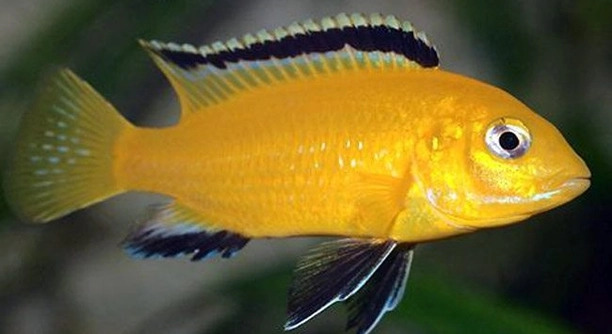
Do you ever watch your cichlids swimming together and wonder if they have formed a bond with one another? Observing their interactions can reveal subtle behaviors that indicate pairing and mate selection among these vibrant fish.
Cichlids exhibit specific behaviors when selecting a mate, including increased close swimming, fin displays, nest preparation, and protective actions. These observable patterns are reliable indicators of mate choice, reflecting both reproductive readiness and social preference within the species.
Recognizing these signals can improve your understanding of your fish’s social life and help ensure a harmonious aquarium environment. Paying attention to their subtle actions reveals the complexity behind their interactions.
Close Swimming and Following
When a cichlid chooses a mate, you will often notice it swimming closely behind or alongside another fish. This behavior goes beyond casual swimming; it shows an active interest in the other fish’s movements. The chosen mate may respond in kind, mirroring the movements and maintaining proximity. Observing this pattern over several days helps confirm a bond. This behavior is a mix of curiosity and selection, where the fish assess compatibility and readiness. Close swimming also reduces stress, creating a sense of security for both cichlids. It is common in pairs preparing for breeding, as the fish become familiar with each other’s habits, temperament, and space preferences. The more time spent swimming together, the stronger the pair bond tends to be. These interactions can be subtle, so patience and careful observation are key. Even minor gestures, like turning toward the other fish or waiting during feeding, indicate attachment.
This behavior is a reliable signal that the cichlids are forming a pair bond. It reflects comfort, interest, and mutual recognition.
Watching their interactions closely can reveal their growing attachment and helps predict future mating behaviors. Understanding these patterns strengthens your ability to manage social dynamics in the tank effectively.
Fin Displays and Color Changes
Fin displays and color shifts are common signals of mate selection.
Cichlids often flare their fins, show brighter colors, or maintain specific postures to attract attention. These displays serve as visual communication, signaling readiness and health to potential mates. A cichlid with vibrant coloration and extended fins demonstrates fitness, increasing the likelihood of selection. Color intensity may also change depending on environmental factors, lighting, and the presence of other fish. Observing these signals over time can help identify which fish are forming bonds. Beyond attraction, these behaviors also establish dominance within the pair, ensuring that the chosen mate is aware of the other’s strength and capability to protect territory. Aggressive displays toward other fish often accompany these signals, reinforcing the pair’s connection. This combination of visual cues is one of the most reliable ways to understand mate preference in cichlids, providing insight into reproductive timing and compatibility.
Tracking these behaviors carefully can help maintain a balanced tank environment, prevent conflicts, and support healthy breeding. Knowing when a pair has formed allows for timely interventions if needed, ensuring both fish thrive.
Would you like me to continue with the next headers in the same format?
Nest Preparation
Cichlids often start preparing a nesting site when they have chosen a mate. This behavior includes cleaning a flat surface, moving small stones, and creating a safe area for eggs. Nesting is a clear sign of reproductive intent.
The pair may work together, with one fish selecting the site and the other assisting in cleaning or arranging the area. This cooperation strengthens the bond between them and ensures that the chosen site is suitable for egg laying. Nest preparation is not random; it involves careful selection based on safety, proximity to food, and accessibility. Fish may spend hours rearranging the substrate, testing different areas until they are satisfied. This behavior demonstrates both readiness to breed and compatibility in decision-making, which are critical for successful mating.
Observing nest preparation provides insight into the pair’s dynamics and helps predict when spawning is likely to occur. A well-prepared site often leads to higher egg survival rates. Recognizing this stage allows for better tank management and protection of the breeding pair.
Protective Behavior
When a cichlid has chosen a mate, it becomes noticeably protective of its partner.
This protection includes chasing away intruders, guarding territory, and maintaining close proximity to the chosen fish. Protective behaviors are strongest around potential threats or during feeding times. The fish may also display warning signals such as flaring fins or tail flicks to assert dominance and discourage others from approaching. These behaviors show that the pair is committed and ready to defend their reproductive investment. Both members may participate, with one actively patrolling while the other stays near the nest or partner.
The intensity of protective behavior often correlates with the strength of the bond and the reproductive stage. During breeding, protection increases significantly, extending to both the nesting area and the partner. Observing these behaviors gives clear evidence of mate selection and territoriality. By noting patterns of aggression toward intruders, you can understand the social hierarchy within the tank. Recognizing protective behavior is essential for maintaining harmony, as it helps prevent unexpected conflicts and ensures the safety of both fish and offspring.
Cleaning and Maintenance
Cichlids often clean surfaces together when forming a pair. They remove debris from rocks, plants, and potential nesting sites, which keeps the area safe for eggs and demonstrates cooperative behavior between the chosen mates.
This cleaning activity strengthens their bond. Both fish participate, reinforcing trust and coordination. Maintaining the nest shows readiness for breeding and highlights compatibility between the pair.
Mutual Display
Pairs frequently engage in synchronized movements and displays. They may flare fins, mirror swimming patterns, or perform brief circling dances. These mutual displays signal recognition, interest, and compatibility. Observing these actions over time confirms the selection of a mate and strengthens their connection.
Feeding Cooperation
Chosen mates may share food or wait for one another during feeding times. This cooperation reflects a growing bond and trust between the pair, demonstrating that mate selection influences not just reproduction but daily behaviors as well.
FAQ
How can I tell if my cichlid has chosen a mate?
A cichlid that has chosen a mate shows consistent close swimming, mirrored movements, and joint cleaning or nest preparation. They also display protective behavior and cooperate during feeding. Observing these patterns over days or weeks helps confirm a strong pair bond.
Do all cichlids show the same mating behaviors?
Different species exhibit variations in courtship and bonding, but most show key indicators such as fin displays, color changes, nest preparation, and protective behavior. Some species are more aggressive, while others rely on visual displays or subtle gestures to communicate readiness.
How long does it take for a pair to form a bond?
Bond formation depends on species, tank environment, and individual temperament. Some pairs establish connections within a few days, while others may take weeks. Observing repeated cooperative behaviors, protection, and nest preparation indicates a stable pairing.
Can cichlids change mates if conditions change?
Yes, environmental stress, overcrowding, or lack of resources can disrupt a pairing. Some cichlids may seek new mates if they feel unsafe or if their current mate is absent. Ensuring a stable, suitable environment helps maintain established pairs.
What role does territory play in mate selection?
Territory is central to cichlid bonding. A secure, well-prepared area signals readiness for breeding. Fish often defend their chosen site together, and cooperation in territory maintenance strengthens the bond. Pairs that share or defend territory successfully are more likely to reproduce.
How can I encourage natural pairing in my tank?
Provide adequate space, hiding spots, and clean substrates for nesting. Avoid overcrowding and maintain stable water conditions. Allow fish to interact freely and observe their behaviors without interference, which helps them establish bonds naturally.
Do color changes always mean a cichlid is ready to mate?
Color intensity often signals health and readiness, but temporary shifts can occur due to stress, lighting, or diet. Consistent displays in combination with other behaviors, such as close swimming and protective actions, are more reliable indicators of mate selection.
Are protective behaviors always directed at other fish?
Not always. Cichlids also guard their chosen mate and nest from disturbances, shadows, or sudden movements. These behaviors reinforce pair bonds and demonstrate their commitment to reproductive success. Monitoring who or what triggers protection helps identify mate selection patterns.
What should I do if aggression between pairs increases?
Aggression is natural during territory defense or courtship, but it can be managed by providing more hiding spots, separating overly aggressive fish, or rearranging the tank layout. Observing interactions ensures that both mates feel safe without harming each other or other tank inhabitants.
Can observing these behaviors improve breeding success?
Yes. Recognizing signals such as nest preparation, synchronized displays, and protective actions allows you to support pairs appropriately. You can provide optimal conditions, reduce stress, and prepare for egg laying, increasing the chances of successful breeding while keeping the tank harmonious.
How do feeding habits reflect mate choice?
Pairs often share food, wait for each other, or feed side by side. This cooperation demonstrates trust and strengthens bonds. Regular observation of feeding behavior helps confirm which fish have formed a strong attachment and indicates compatibility for breeding purposes.
Do environmental factors affect mate selection?
Absolutely. Water quality, temperature, and tank layout all influence cichlid behavior. Stable conditions promote natural pairing, while sudden changes may disrupt bonds or prevent courtship behaviors. Providing a consistent and supportive environment is essential for mate formation and reproductive success.
What signs indicate a bond is weakening?
Reduced cooperation, avoidance, lack of joint nest maintenance, and decreased protective behavior suggest a bond may be weakening. Stress, overcrowding, or incompatible personalities can contribute. Recognizing these signs allows timely interventions to preserve the pair or adjust tank dynamics.
Can observing these behaviors help prevent conflicts?
Yes. Understanding mate selection behaviors allows you to manage tank interactions proactively. By identifying pairs, maintaining territory boundaries, and reducing stressors, you can prevent unnecessary aggression, ensuring a balanced and peaceful aquarium environment.
Are these behaviors the same in all tank sizes?
Tank size can influence the intensity and visibility of behaviors. Smaller tanks may increase stress or aggression, while larger tanks allow more natural displays and movement. Observing how pairs interact in your specific setup helps you adapt management strategies for their needs.
How important is patience in observing cichlid pair formation?
Extremely important. Pairing behaviors develop gradually, and repeated observation is necessary to distinguish true bonds from temporary interactions. Patience ensures accurate assessment and supports proper care, breeding success, and overall tank harmony.
Would you like me to continue with the remaining headers in the same style and format?
Cichlids are fascinating fish, and observing their behavior can be very rewarding. When a cichlid has chosen a mate, their interactions become more consistent and coordinated. They swim together, clean and maintain their environment, and show protective behavior toward one another. These actions are not random; they reflect natural instincts and social bonds that are important for breeding and survival. Understanding these behaviors allows you to recognize which fish are forming pairs and how they interact with each other. It also helps in managing the tank environment to support healthy relationships and reduce conflicts. Observing these patterns over time gives insight into the subtle ways cichlids communicate and bond, which can make keeping them more engaging and informative. Even small actions, like following one another or sharing food, can indicate a developing bond, and noticing them can deepen your understanding of your aquarium.
Monitoring these behaviors can also improve your ability to provide optimal care. When a pair is forming, they may require a safe space to establish a nest or territory. Providing flat surfaces, clean rocks, and hiding spots encourages natural behavior and reduces stress. These environmental considerations can make a noticeable difference in how comfortable your cichlids feel, which in turn supports reproductive success. Keeping water conditions stable and avoiding overcrowding are also critical. Stress can interfere with bonding and may cause aggression or disrupt established pairs. By understanding the signs of mate selection, you can adjust the tank layout, feeding routines, and interaction levels to support the pair’s comfort and safety. This not only benefits breeding outcomes but also enhances the overall harmony of your aquarium. Over time, these small adjustments make a significant difference in fish behavior and health.
Paying attention to mate selection behaviors also helps in planning for future breeding. Recognizing when a pair is ready allows you to prepare for egg laying and protect both the eggs and the adult fish. Nest preparation, color displays, fin flaring, and protective behavior are all cues to anticipate reproductive activity. Observing these patterns regularly helps identify which pairs are most compatible, reducing the likelihood of conflict or stress-related issues. Additionally, understanding these behaviors strengthens your connection to the aquarium environment and allows for more informed decisions about tank management. Even if breeding is not the immediate goal, noticing these subtle signs enriches the experience of keeping cichlids. By being attentive and responsive to your fish’s social and reproductive behaviors, you create a healthier and more stable environment, which benefits all inhabitants of the tank. Over time, these observations build knowledge and confidence in caring for cichlids, making the hobby both enjoyable and educational.

Hello,
If you enjoy the content that we create, please consider saying a "Thank You!" by leaving a tip.
Every little bit helps us continue crafting quality advice that supports the health, happiness, and well-being of pets around the world, for pets of all shapes, sizes, and species.
We really appreciate the kindness and support that you show us!