
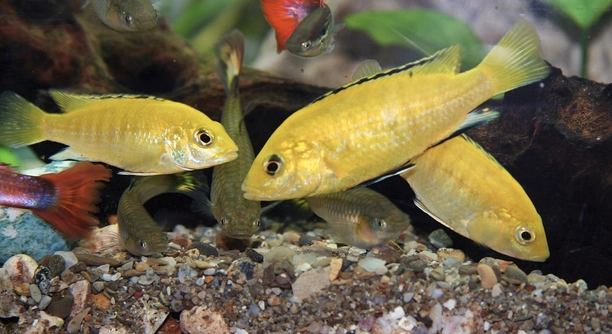
Electric yellow cichlids are fascinating fish, admired for their vibrant color and lively behavior. Observing them in an aquarium can be calming, yet sometimes they remain completely still, creating moments of unexpected serenity.
Electric yellow cichlids often remain motionless due to environmental comfort, feeding habits, territorial instincts, or reproductive behavior. These periods of stillness allow energy conservation, careful observation of surroundings, or preparation for interactions with other fish, reflecting natural biological patterns.
Recognizing these calm moments provides a deeper understanding of their behavior and helps maintain a balanced and healthy aquarium environment for these beautiful fish.
Resting After Feeding
After eating, electric yellow cichlids often remain perfectly still, usually near the bottom or in a calm corner of the tank. This behavior helps them digest their food properly and regain energy. In their natural habitats, stillness after a meal is common, as movement during digestion can make them more vulnerable to predators. In an aquarium, this stillness is a positive sign, showing that the fish feels safe and comfortable. Observing this behavior over time can help you understand feeding patterns and the general health of your cichlids. Some may remain still for longer than others, depending on the type and quantity of food consumed. It’s also important to note that overfeeding can lead to lethargy beyond normal resting periods. Maintaining a balanced diet and appropriate feeding schedule ensures the cichlids stay active and healthy while still allowing these quiet moments after meals.
This stillness after feeding is a natural, healthy part of their daily routine and signals proper digestion and energy restoration.
Watching cichlids pause in this way can feel almost calming. Their quiet moments allow you to see a more relaxed, peaceful side of their behavior. Recognizing these patterns can improve how you manage feeding times and overall tank care.
Territorial Observation
Electric yellow cichlids often freeze to observe their surroundings, especially when another fish enters their space. This stillness helps them monitor potential threats or intruders without drawing attention to themselves. It is a strategic pause that combines caution and awareness, reflecting their natural instincts. In a home aquarium, these moments can seem sudden or even puzzling, but they are crucial for maintaining social balance among tank mates. Cichlids may shift slightly in position while remaining mostly motionless, giving them a better vantage point. This behavior is more pronounced in males, who tend to be protective of territory and breeding sites. Understanding these periods of observation can prevent unnecessary stress from misinterpreting their stillness as illness or lethargy. It also helps in arranging decorations or shelters in the tank, so each fish feels secure and can engage naturally in these observation periods without conflict.
Observation periods like these are essential for cichlids to manage their space and social hierarchy effectively. Over time, these moments of stillness provide insight into their personality, territorial boundaries, and interactions. Providing enough hiding spots and open areas reduces stress and ensures that all fish can monitor their environment comfortably. These calm pauses also allow aquarists to notice subtle changes in health, coloration, or behavior, offering opportunities for early intervention if something seems off. By respecting these natural observation habits, tank owners create a more balanced, harmonious environment where each cichlid can express its instincts safely. Being aware of these quiet, watchful periods can lead to a more enjoyable and informed experience caring for electric yellow cichlids.
Midday Calm
Electric yellow cichlids often remain still during the middle of the day. This is a natural rest period when activity slows down, and they conserve energy.
During this midday calm, the fish may float gently or stay near rocks and plants. It is not a sign of illness but a regular behavior reflecting their natural rhythm. Tank lighting, feeding schedules, and water temperature can influence how long they stay motionless. Observing this pattern helps in planning feeding times and maintaining a stable environment. Midday stillness provides a chance for them to rest and regain energy for more active periods later.
This quiet period can also reveal preferences for certain areas of the tank. Some cichlids favor shaded corners, while others linger near decorations or caves. Watching where they pause can help adjust tank layout to make the environment comfortable, safe, and stimulating. These moments highlight how even subtle changes in habitat can impact daily behavior, showing the importance of paying attention to patterns that support healthy, natural activity cycles.
Pre-Breeding Pause
Before breeding, electric yellow cichlids may remain completely still as they assess their surroundings and potential mates. This stillness is part of their natural preparation.
During these pre-breeding pauses, cichlids focus on nesting sites and monitor other fish nearby. Males may clear areas of debris or guard a territory silently, while females often evaluate males’ behavior and territory quality. This period allows careful decision-making, reducing the risk of conflict and ensuring reproductive success. Observing these pauses can help in providing optimal conditions for breeding, including suitable hiding spots, flat surfaces, and safe areas for eggs or fry.
Understanding these pauses is important for tank management. Adjusting water conditions, temperature, and diet during this time supports healthy reproduction. Pre-breeding stillness also signals readiness, allowing aquarists to predict spawning events. Watching these subtle movements, or lack thereof, offers insight into the social dynamics within the tank. Providing space and reducing stress during this time ensures cichlids can complete breeding behaviors naturally, improving the overall health and harmony of the aquarium.
Resting at Night
Electric yellow cichlids often stay completely still during nighttime. This is their natural rest period, allowing them to conserve energy and recover from daily activity.
During this time, they usually stay near rocks or plants. Darkness encourages stillness, and movement is minimal until morning, reflecting their normal sleep behavior.
Stress Response
When feeling threatened or stressed, electric yellow cichlids may freeze completely. This stillness helps them avoid attention from perceived danger. Their body may tense slightly, and they may stay close to hiding spots, showing a defensive but natural reaction to stress in the environment.
Water Change Pause
Many cichlids remain motionless briefly during water changes. Sudden movement or temperature shifts can make them cautious. This pause allows them to adjust safely and maintain balance, preventing unnecessary stress while the tank environment stabilizes.
Why do electric yellow cichlids stay completely still for long periods?
Electric yellow cichlids often remain still as a natural behavior for resting, observing their surroundings, or conserving energy. These pauses are not unusual and typically indicate that the fish feels safe in the tank. It can also be part of their feeding or social patterns, helping them process food or monitor other fish without expending unnecessary energy.
Is it a sign of illness if my cichlid is motionless?
Not always. Motionless behavior is often normal, especially during rest periods, pre-breeding pauses, or after feeding. However, prolonged inactivity combined with changes in color, appetite, or breathing may indicate illness. Observing other behaviors and environmental conditions helps determine whether intervention is needed. Healthy stillness should look calm, not lethargic or stressed.
How long should electric yellow cichlids stay still?
The length of still periods varies by individual and context. Short pauses of a few minutes are common during feeding or exploration. Rest periods during midday or nighttime can last several hours. Pre-breeding or territorial observation pauses may also extend longer, depending on tank activity, lighting, and water conditions.
Do tank conditions affect stillness?
Yes. Water temperature, lighting, decorations, and hiding spots significantly influence still behavior. Stable water conditions encourage natural pauses, while sudden changes may trigger stress-related freezing. Ensuring proper temperature, gentle lighting, and adequate shelter can reduce unnecessary stress and promote healthy, calm behavior.
Can other fish trigger stillness in electric yellow cichlids?
Yes. The presence of aggressive or territorial fish can cause cichlids to pause and observe quietly. They freeze to avoid confrontation while monitoring potential threats. Similarly, social interactions, such as courtship displays or territorial disputes, may temporarily make them motionless. Providing sufficient space and hiding spots helps reduce tension.
Is stillness linked to feeding habits?
Absolutely. After feeding, cichlids often remain still to digest food efficiently. Overfeeding may increase the length of stillness, while insufficient nutrition can make them more active or restless. Maintaining a consistent feeding schedule with proper portions ensures they remain healthy while still taking these natural pauses.
Does breeding influence still behavior?
Yes. Pre-breeding and breeding periods involve extended pauses as cichlids prepare nests, assess mates, or guard eggs. Both males and females may remain motionless to carefully observe surroundings. This behavior ensures successful reproduction and reduces unnecessary conflict or stress during critical periods.
Should I worry if my cichlid hides and stays still?
Hiding combined with stillness is often normal, especially during rest, stress adjustment, or territorial behavior. Concern is warranted if the fish shows signs of illness, such as rapid breathing, fading color, or loss of appetite. Observing patterns over time helps distinguish normal pauses from health issues.
Can I encourage activity if my cichlid stays still too long?
Yes, gentle environmental adjustments can stimulate activity. Providing toys, rearranging decorations, or introducing new hiding spots encourages exploration. Consistent feeding schedules, proper lighting, and a stable tank environment also support natural activity cycles without causing stress.
Do all electric yellow cichlids exhibit the same still behavior?
Not exactly. Individual personality, age, sex, and social hierarchy influence how often and how long cichlids remain still. Some are naturally more cautious or observant, while others are more active. Understanding your specific fish helps in anticipating their patterns and managing tank conditions effectively.
Can I predict when they will stay still?
Patterns become predictable with observation. Typical still periods include post-feeding pauses, midday calm, pre-breeding pauses, territorial observation, and nighttime rest. Watching these trends helps you adjust tank care, feeding, and decorations to match their natural behavior, supporting health and well-being.
Does stillness indicate happiness in electric yellow cichlids?
Stillness often reflects comfort and security in the tank. A fish that pauses calmly, without showing stress signs, usually feels safe. Providing proper space, hiding areas, and stable conditions encourages these peaceful moments, which can be a subtle indicator of a well-adjusted and content cichlid.
How can I safely monitor stillness without stressing the fish?
Observe quietly from a distance without tapping the tank or making sudden movements. Note the duration, location, and context of still periods. Using natural light or indirect tank lighting minimizes stress while allowing you to monitor behavior accurately. Keeping a journal can help track normal patterns and detect changes early.
Are environmental changes the main reason for sudden stillness?
Often, yes. Sudden water changes, temperature fluctuations, or new tank mates can prompt cichlids to pause and assess their surroundings. Providing gradual adjustments and a calm environment reduces unnecessary freezing behavior and helps maintain regular activity and feeding patterns.
Can stillness be beneficial for tank maintenance?
Yes. Observing still periods allows aquarists to assess fish health, tank layout effectiveness, and compatibility among tank mates. Quiet moments give insight into preferences for hiding spots, resting areas, and social dynamics, improving long-term tank management and fish welfare.
Does lighting affect how long cichlids stay still?
Lighting has a direct impact. Bright or harsh light can make cichlids seek shelter and remain motionless. Dimmer or natural light encourages gentle activity while still allowing safe rest. Adjusting lighting schedules to mimic natural conditions supports healthy behavior patterns.
Are stress-induced pauses different from normal stillness?
Yes. Normal stillness is calm and deliberate, while stress-induced pauses may involve rapid fin movement, tense body posture, or hiding in unusual locations. Recognizing these differences helps identify when intervention, such as adjusting water parameters or tank layout, is necessary.
How important is water quality for natural still behavior?
Water quality is critical. Stable pH, temperature, and cleanliness encourage natural resting and observation pauses. Poor water conditions can lead to excessive freezing, erratic movement, or lethargy. Regular testing and maintenance ensure cichlids can exhibit normal stillness without health risks.
Can diet influence stillness patterns?
Yes. Nutrient-rich, balanced diets support energy levels and natural rest periods. Overfeeding may extend post-meal stillness, while underfeeding can increase activity or stress. Consistent feeding routines help maintain healthy energy cycles, supporting normal pauses for digestion, observation, and rest.
Do cichlids communicate while staying still?
Sometimes. Body posture, fin positioning, and slight movements during still periods can communicate dominance, submission, or readiness to mate. Observing these subtle cues helps interpret social dynamics, territorial boundaries, and reproductive behavior without disturbing their calm state.
Is it normal for juveniles to stay still as much as adults?
Juveniles may stay still less often than adults because they are more active, exploring, and establishing territory. However, brief pauses still occur for resting, feeding digestion, or observing surroundings. Their stillness is usually shorter and more frequent, reflecting developmental needs and learning behavior within the tank.
How can I create a tank environment that supports healthy stillness?
Provide stable water conditions, hiding spots, flat surfaces for observation, and gentle lighting. Space decorations to allow both open swimming and secure rest areas. Consistent feeding and minimal disturbances help electric yellow cichlids maintain natural patterns of stillness without stress or health risks.
Are there signs that stillness is excessive or abnormal?
Excessive stillness combined with lethargy, discoloration, loss of appetite, or unusual hiding behavior may indicate stress or illness. Monitoring behavior over time, along with water parameters, helps distinguish normal pauses from problematic inactivity. Early detection allows prompt care and maintains fish well-being.
Does tank size affect stillness behavior?
Yes. Larger tanks provide more space for territory, hiding, and observation, which supports natural still periods. Smaller or overcrowded tanks can increase stress, reduce comfort, and alter normal resting patterns. Proper stocking density ensures cichlids can pause safely and engage in natural behaviors.
Can multiple cichlids stay still at the same time?
Yes. Synchronized stillness may occur during rest periods, feeding pauses, or territorial assessment. Observing these collective behaviors can indicate comfort and social stability within the tank. It also highlights the importance of space and hiding spots to reduce conflict and allow simultaneous calm periods.
Is stillness more common in certain tank setups?
Cichlids in tanks with ample hiding spots, stable lighting, and minimal disturbances show longer, more natural pauses. Tanks lacking shelter or experiencing frequent changes can trigger stress responses, leading to irregular or shortened still periods. Thoughtful tank design supports healthy and predictable behavior patterns.
Can observing stillness improve my understanding of cichlids?
Absolutely. Watching still periods helps identify feeding patterns, social dynamics, health changes, and stress responses. These observations allow better tank management, tailored care, and a deeper understanding of natural behavior, enhancing the overall experience of keeping electric yellow cichlids.
Do electric yellow cichlids ever stay still for no apparent reason?
Yes. Sometimes stillness occurs without obvious triggers, as part of natural resting, energy conservation, or quiet observation. These periods are usually brief and normal, reflecting instinctive behavior. Consistent patterns over time indicate healthy activity cycles, even if no external factor seems to cause the pause.
How should I respond if stillness seems abnormal?
Check water quality, feeding, tank mates, and lighting first. Observe for other signs of stress or illness. Gradually adjust conditions or consult experienced aquarists if necessary. Intervening thoughtfully ensures that stillness is normal and prevents potential health issues from developing unnoticed.
Is it possible to misinterpret stillness?
Yes. Calm, healthy pauses can sometimes be mistaken for illness or lethargy, while stress-induced freezing may appear normal. Careful observation, awareness of patterns, and understanding context are essential to correctly interpret stillness and support the fish’s well-being.
Does age affect how often electric yellow cichlids stay still?
Older cichlids may spend more time motionless than younger ones. Aging slows metabolism and increases the need for rest. Juveniles are generally more active but still exhibit short pauses for feeding digestion and observation. Recognizing age-related behavior helps manage expectations and tank care appropriately.
Are there seasonal influences on stillness?
Seasonal changes in water temperature, lighting, or routine can slightly affect still periods. Fish may rest longer during cooler periods or reduce activity if conditions fluctuate. Maintaining consistent care routines minimizes disruptions and helps electric yellow cichlids retain natural patterns year-round.
Can stillness be used to monitor tank harmony?
Yes. Regular, calm pauses indicate that fish feel safe, social dynamics are balanced, and the environment supports natural behavior. Sudden or unusual stillness may reveal stress or conflicts, giving insight into adjustments needed for a healthier, more harmonious tank setup.
Does observing stillness require special equipment?
No special equipment is needed. Quiet observation from a distance, consistent lighting, and noting behavior in a journal or app are sufficient. Attention to patterns, duration, and context provides valuable insight without disturbing the fish, allowing natural pauses to occur safely.
Is it normal for cichlids to remain still during feeding?
Yes. Some cichlids pause after taking food to swallow and digest properly. This behavior is normal, especially after larger meals. Recognizing these pauses ensures you don’t misinterpret resting as illness or stress and helps maintain proper feeding schedules.
Can water temperature changes trigger stillness?
Yes. Sudden drops or spikes in temperature can cause freezing behavior as a defensive or adjustment response. Maintaining stable temperature within the recommended range for electric yellow cichlids reduces unnecessary stress and supports normal, predictable still periods.
Do cichlids ever stay still for comfort rather than safety?
Yes. Beyond defense, stillness can be a comfort behavior. Calm, motionless moments provide rest, energy conservation, and peaceful observation. These pauses reflect a sense of security, especially when adequate hiding spots and a balanced environment are available.
Does tank noise affect stillness?
Loud or sudden noises can trigger freezing behavior. Electric yellow cichlids may pause to assess potential threats. Reducing environmental disturbances and keeping a quiet, stable space helps them maintain normal resting and observation behaviors without stress.
Can observing stillness improve breeding success?
Yes. Recognizing pre-breeding pauses and territorial stillness allows aquarists to provide optimal conditions for spawning. Understanding when and where fish pause ensures safe nesting, reduces stress, and supports successful reproduction in the aquarium environment.
Does stillness vary by individual personality?
Absolutely. Some cichlids are naturally more cautious or observant, spending more time motionless, while others are active and exploratory. Observing each fish helps tailor tank setup, feeding routines, and care to support natural behavior and comfort.
How can I encourage healthy stillness without stress?
Provide stable water conditions, proper hiding spots, gradual environmental changes, and consistent feeding routines. Avoid sudden disturbances and maintain predictable light and activity cycles. This approach allows electric yellow cichlids to pause naturally while minimizing stress and supporting well-being.
Can observing stillness predict future behavior patterns?
Yes. Regular pauses indicate preferred resting areas, activity cycles, and social dynamics. Over time, these observations help anticipate feeding behavior, breeding readiness, and interactions with tank mates, allowing more effective tank management.
Do electric yellow cichlids remain still in all types of tanks?
Behavior is consistent across tank types, but tank size, decoration, lighting, and stocking density influence duration and frequency of stillness. Larger, well-structured tanks encourage natural pauses, while smaller or crowded setups may increase stress-related freezing or reduce comfort during resting periods.
Can stillness indicate tank stress factors?
Yes. Unusual, prolonged, or tense stillness can reveal environmental issues, such as poor water quality, overcrowding, or aggressive tank mates. Identifying these patterns early allows for timely adjustments to maintain a healthy, stable environment.
Does diet timing affect stillness patterns?
Yes. Consistent feeding schedules help regulate post-meal pauses and overall activity levels. Irregular feeding may lead to extended rest periods or excessive movement. Predictable routines support healthy digestion, natural pauses, and energy balance in electric yellow cichlids.
Is observing stillness useful for new aquarists?
Absolutely. Learning to recognize natural pauses, rest periods, and stress-related freezes provides insight into fish health and tank management. Awareness of stillness patterns helps new aquarists create supportive environments and respond appropriately to both normal and abnormal behaviors.
Do electric yellow cichlids ever stay still in groups?
Yes. During rest, observation, or territorial assessment, multiple fish may pause simultaneously. Group stillness can indicate comfort, social harmony, and proper tank conditions. Monitoring collective behavior provides additional insight into social dynamics and environmental suitability.
Can stillness vary by time of day?
Yes. Electric yellow cichlids often have predictable still periods after feeding, during midday calm, pre-breeding pauses, and nighttime rest. Observing these trends helps maintain routines that support natural activity cycles and reduce unnecessary stress.
Does hiding affect stillness duration?
Yes. Fish that use shelters or plants for cover may remain still longer. Safe, comfortable hiding spots allow cichlids to pause naturally, observe surroundings, or rest without feeling threatened, promoting healthy behavior and overall well-being.
Are there common misconceptions about stillness?
Yes. Many assume stillness indicates illness or boredom, but it is often a normal, healthy behavior. Misinterpretation can lead to unnecessary intervention or stress. Careful observation and understanding context clarify whether pauses are natural or signs of concern.
How does social hierarchy influence stillness?
Dominant or territorial cichlids may remain still to monitor others or assert presence, while submissive fish may freeze to avoid conflict. Recognizing these patterns helps understand tank dynamics, minimize stress, and support healthy interactions.
Is stillness more noticeable in certain tank setups?
Yes. Clear tanks with minimal hiding spots make stillness more apparent, while densely decorated tanks may conceal motionless behavior. Observing carefully ensures accurate interpretation and awareness of fish well-being.
Do electric yellow cichlids ever show stillness for extended periods?
Yes, under normal conditions such as rest, pre-breeding, or post-feeding digestion, they may remain still for hours. Prolonged inactivity outside these contexts should be monitored for potential health issues.
Can stillness be part of learning behavior?
Yes. Fish may pause to assess the environment, other tank mates, or potential food sources. These observation periods help them make safer decisions and adapt effectively to their surroundings.
How should I record or track stillness behavior?
Maintain a journal noting duration, time of day, location, and context of pauses. Over weeks, patterns emerge that help distinguish normal behavior from stress or illness, supporting better tank management and understanding of each fish.
Can I reduce unnecessary stillness?
Yes. Minimizing stress, maintaining proper water conditions, consistent feeding, providing hiding spots, and encouraging gentle activity reduces excessive freezing while allowing natural pauses for resting and observation.
Is stillness linked to age or maturity?
Yes. Older or mature fish often pause longer than juveniles. Recognizing age-related differences ensures expectations match natural behavior and helps manage care routines appropriately.
Do environmental enrichments affect stillness?
Yes. Adding decorations, caves, or plants provides safe spaces for pauses and encourages natural resting and observation behavior, making still periods comfortable and beneficial.
Can stillness indicate comfort with tank mates?
Yes. Calm pauses without stress signs reflect security and social harmony. Observing these moments helps assess compatibility and overall well-being in a community tank.
Does water flow influence stillness?
Yes. Strong currents can reduce stillness or force pauses in calmer areas. Providing areas with gentle flow supports natural resting and observation behavior, maintaining comfort for electric yellow cichlids.
Is it normal for cichlids to switch between stillness and activity frequently?
Yes. Alternating between pauses and movement is part of natural behavior, supporting energy conservation, social interactions, feeding, and exploration. Recognizing these cycles helps manage tank care effectively.
Can stillness indicate readiness for interaction?
Sometimes. Pauses before aggression, mating, or territory defense allow cichlids to observe and plan behavior. Understanding these subtle cues improves awareness of tank dynamics and reduces stress for all fish.
Do all fish in the tank respond to one cichlid staying still?
Other fish may observe, mirror, or avoid the stationary cichlid. Social responses vary by personality, size, and hierarchy, influencing group dynamics and behavior patterns.
Is observing stillness useful for long-term health monitoring?
Yes. Changes in duration, location, or frequency of pauses can indicate stress, illness, or aging. Regular monitoring supports early detection of potential issues and helps maintain overall health.
Can diet or supplements influence stillness patterns?
Balanced nutrition supports proper energy levels and digestion, influencing the length and timing of still periods. Supplements may enhance health but should be
Observing electric yellow cichlids and their still moments can teach a lot about their natural behavior. These pauses are often a normal part of their daily routine, whether resting after feeding, conserving energy during the day, or carefully observing their surroundings. Understanding that stillness is usually healthy allows tank owners to feel more confident in recognizing natural patterns without unnecessary concern. Each cichlid has its own rhythm, and noticing these quiet moments provides insight into how comfortable and secure the fish feel in the aquarium environment. Over time, these observations help anticipate behaviors like feeding habits, territorial displays, and pre-breeding pauses, making it easier to maintain a stable and supportive habitat for the fish.
Stillness also plays an important role in energy management and health. By remaining motionless for short periods, cichlids can conserve energy for more active behaviors like swimming, social interactions, and reproduction. These natural pauses can also reflect environmental comfort. A fish that feels safe is more likely to rest quietly in a favorite spot, while a stressed or uncomfortable fish may freeze in unusual locations or display tense body language. Maintaining proper water conditions, tank layout, and a consistent feeding schedule supports these natural rest periods. Providing hiding spots, shaded areas, and sufficient space allows cichlids to exhibit stillness without feeling threatened. These moments are not only normal but essential to the overall well-being of the fish.
Recognizing and appreciating these moments can improve the care provided to electric yellow cichlids. Observing when and where they remain still helps in adjusting tank decorations, managing lighting, and monitoring social dynamics. It can also help identify signs of stress or potential health issues early, allowing for timely action before problems develop. While stillness may seem like inactivity, it is actually an important part of their behavior, supporting digestion, rest, observation, and preparation for interactions with other fish. Accepting these calm moments as part of their natural pattern allows for a more relaxed approach to aquarium care, creating an environment where electric yellow cichlids can thrive and display their vibrant colors and natural behaviors confidently. These quiet pauses ultimately show that even the smallest movements, or lack thereof, carry meaning in the life of these fish.

Hello,
If you enjoy the content that we create, please consider saying a "Thank You!" by leaving a tip.
Every little bit helps us continue crafting quality advice that supports the health, happiness, and well-being of pets around the world, for pets of all shapes, sizes, and species.
We really appreciate the kindness and support that you show us!