
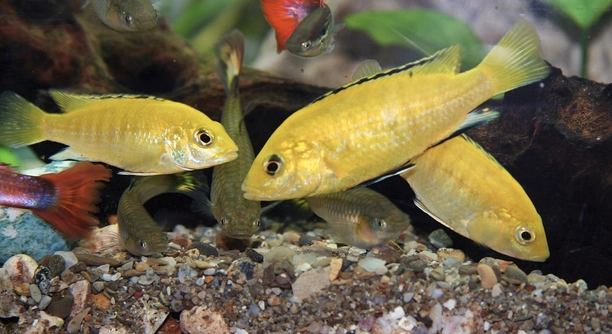
Moving a cichlid can be stressful for both the fish and the owner. Even a short relocation can make them anxious, affecting their behavior and appetite. Helping them adjust quickly is important for their health and comfort.
Cichlids experience stress after relocation due to changes in water parameters, environment, and routine. Minimizing sudden disturbances, stabilizing water conditions, and providing familiar hiding spots can reduce stress responses and help the fish regain normal behavior more quickly.
Adjusting your approach after a move can make a big difference in your cichlid’s well-being. Simple steps can help restore calm and create a comfortable new environment for them.
Prepare the Tank Before the Move
Setting up the tank before moving your cichlid can make a huge difference. Start by cleaning the tank and ensuring all equipment works properly. Arrange decorations and hiding spots that your fish is familiar with. Fill the tank with dechlorinated water and match the temperature to your cichlid’s current environment. Proper filtration is essential, so check the filter and make sure it’s running smoothly. Adding some live plants can also provide comfort and reduce stress. When everything is ready, avoid overfilling the tank and leave some space at the top for oxygen exchange. By preparing the tank in advance, you reduce the shock your cichlid experiences and help them feel more secure in the new location. This preparation also allows you to focus on monitoring the fish closely after the move. Keeping the environment stable during the first days is crucial for their recovery.
Proper preparation makes the first days less stressful for your cichlid. Familiar items in the tank help them settle faster.
Making sure your cichlid has the right environment before moving reduces stress dramatically. Decorations, plants, and proper water conditions mimic their previous home. Matching temperature and pH helps maintain their health. After the move, monitor behavior closely, as sudden changes in surroundings can trigger hiding or aggression. Feeding small amounts and observing for appetite changes helps detect stress early. A consistent routine, combined with a stable tank setup, promotes quicker adjustment. Even subtle changes like lighting schedules and gentle water flow can impact comfort. Taking time to organize the tank beforehand allows you to respond calmly to any signs of distress, supporting long-term well-being. The goal is to make the new tank feel familiar and safe, so your cichlid can adapt naturally without prolonged anxiety.
Control Water Parameters
Stable water conditions are key after a move. Monitor temperature, pH, and hardness closely for the first few days.
Water changes should be gradual, not sudden, to avoid additional stress. Use a thermometer and test kits daily to ensure consistency. Introduce water slowly and in small amounts, keeping levels steady. Avoid overfeeding, as leftover food can alter water quality. Adding a stress-relief solution can help calm the fish during adjustment. Monitor for cloudy water or unusual odor, which may indicate issues. Proper aeration and circulation maintain oxygen levels, supporting recovery. A calm, consistent environment reassures your cichlid and encourages normal behavior.
Caring for your cichlid’s water parameters after a move requires careful observation and small adjustments. Sudden shifts in temperature or chemistry can cause stress, making recovery longer. Using test kits to track pH, ammonia, nitrites, and nitrates helps you respond quickly if levels drift. Avoid rapid water changes, as even minor fluctuations can affect sensitive fish. If introducing new water, match temperature and treat it for chlorine and chloramines. Consistent aeration ensures oxygen remains sufficient, especially in warmer conditions. Monitoring water clarity and smell indicates if additional cleaning is needed. Maintaining stable conditions also supports their immune system, preventing common post-move illnesses. Small, steady measures create a safe environment and encourage natural behavior, reducing hiding, aggression, or loss of appetite. With patience, your cichlid can settle comfortably and regain confidence in the new tank.
Minimize Handling
Frequent handling stresses cichlids after a move. Only touch them when absolutely necessary, like during transfer or health checks. Avoid chasing or netting unnecessarily, as this increases anxiety.
After a move, your cichlid needs time to adjust without constant interference. Handling can trigger a stress response, causing rapid breathing, hiding, or erratic swimming. Keep nets, hands, and tools out of the tank unless required. When moving the fish, use a gentle, secure container and avoid sudden movements. Let them explore the new tank naturally, giving them time to feel safe. Limiting contact also reduces the risk of injury or accidental exposure to contaminants.
Limiting handling allows your cichlid to focus on adjusting to the new environment. Reduced stress supports appetite, normal activity, and overall health. Observation from a distance lets you notice changes without causing additional anxiety. Ensuring minimal interference promotes confidence and comfort, helping them regain regular routines.
Provide Hiding Spots
Hiding spots reduce stress and make cichlids feel secure. Include rocks, caves, or plants in different areas of the tank.
After moving, cichlids often feel vulnerable in an unfamiliar tank. Providing multiple hiding spots allows them to retreat and feel protected. Use decorations that mimic their previous environment. Position shelters in quieter corners and avoid overcrowding. These spaces reduce aggression if multiple fish are present and give shy individuals time to explore gradually. Watching them emerge slowly signals they are becoming comfortable. Even small additions, like PVC pipes or ceramic ornaments, can serve as effective retreats. Over time, these areas encourage normal behavior and activity.
Hiding spots play a key role in calming cichlids after relocation. By giving them secure areas, you allow your fish to explore at their own pace. This approach reduces stress, prevents constant hiding, and encourages natural behaviors like swimming and feeding. Thoughtful placement of shelters throughout the tank ensures all fish have safe retreats, promoting harmony and confidence. Consistent use of familiar structures helps the cichlid adjust faster and feel more at ease in the new environment.
Keep Lighting Gentle
Bright or sudden lighting can stress cichlids after a move. Use dim lighting or a soft timer to gradually adjust their environment.
Maintain a consistent day-night cycle to help your fish feel secure. Avoid turning lights on and off abruptly, as this can trigger hiding or frantic swimming.
Monitor Behavior Closely
Observe your cichlid for signs of stress like hiding, rapid breathing, or loss of appetite. Early detection allows prompt adjustments. Monitor interactions with other fish, as aggression may increase in unfamiliar surroundings. Noting subtle changes helps you respond quickly.
Feed Small Portions
Offer smaller meals to avoid overfeeding and help your cichlid regain appetite slowly. Stick to familiar foods.
Feeding in smaller amounts supports digestion and prevents leftover food from affecting water quality. Gradually increasing portion sizes ensures the fish eats without overwhelming the tank environment.
How long does it take for a cichlid to calm down after a move?
Cichlids usually need a few days to a week to adjust to a new tank. Some may settle within 24–48 hours if conditions are very stable, while others take longer. Stress levels depend on water parameters, tank setup, and the fish’s temperament. Providing hiding spots and minimizing disturbances helps speed recovery. Watch for normal swimming, feeding, and interaction with tank mates as signs that your cichlid is calming down.
What are the signs of stress in a moved cichlid?
Stressed cichlids often hide more than usual, swim erratically, or stay near the bottom of the tank. Rapid gill movement, clamped fins, or refusing food are common indicators. Aggression toward tank mates can also increase under stress. Monitoring these behaviors early allows for timely adjustments. Maintaining stable water conditions, hiding spaces, and a calm environment can prevent long-term stress effects and support quicker acclimation.
Can I use any additives to help my cichlid relax?
Yes, there are stress-reducing water additives specifically formulated for fish. These products often contain natural compounds that calm nervous systems and support recovery. Always follow the instructions carefully, as overdosing can harm the fish. While helpful, these additives should complement, not replace, proper tank setup, hiding spaces, and careful handling. They are most effective when used during the first few days after the move and gradually phased out as the fish adjusts.
Should I separate my cichlid from other fish after moving?
It depends on the fish and tank dynamics. Aggressive species or particularly stressed individuals may benefit from temporary separation to reduce conflict. This allows the cichlid to regain confidence without harassment. Use a divider or quarantine tank for a few days while monitoring behavior. Reintroduce slowly, observing interactions carefully. Providing plenty of hiding spots and territories in the main tank also helps reduce aggression and stress when fish are back together.
How often should I check water parameters after a move?
Daily checks are ideal for the first week. Measure temperature, pH, ammonia, nitrites, and nitrates to ensure stability. Even minor fluctuations can stress a recently moved cichlid. Gradually reduce monitoring frequency as the fish shows normal behavior. Quick detection of changes allows immediate corrective measures, preventing prolonged stress or illness. Consistent water quality is one of the most important factors for helping your cichlid adjust smoothly to a new tank.
What feeding schedule works best for a stressed cichlid?
Offer smaller portions two to three times daily instead of one large feeding. This encourages eating without overloading the tank and reduces leftover food that can affect water quality. Stick to familiar foods the cichlid enjoyed before the move. If the fish refuses food, wait a few hours and try again. Consistent, gentle feeding supports recovery and gradually restores appetite while minimizing stress.
Is it normal for my cichlid to hide constantly after relocation?
Yes, hiding is a natural stress response. Most cichlids will explore slowly as they feel safer. Ensure multiple hiding spots are available. Avoid disturbing them unnecessarily. Gradual exposure to open areas encourages confidence over time. Persistent hiding for more than two weeks may indicate a problem with water conditions, illness, or ongoing stressors, which should be addressed promptly.
Can I introduce new decorations to calm my cichlid?
Adding familiar or safe decorations can provide comfort. Rocks, caves, and plants create territories and hiding spaces that reduce stress. Avoid overcrowding or sharp edges. Introducing decorations gradually allows your cichlid to explore and claim spaces, boosting confidence and encouraging natural behavior. Carefully chosen items mimic aspects of their previous environment, helping the fish feel more secure.
How important is tank location during the adjustment period?
Tank placement matters. Keep it in a quiet, low-traffic area away from direct sunlight or loud noises. Sudden vibrations or activity nearby can prolong stress. A calm environment helps your cichlid acclimate faster, reducing hiding and erratic behavior. Once the fish settles, you can slowly resume normal household activity around the tank.
Can water changes help reduce stress after a move?
Yes, but they should be gradual. Small, frequent water changes keep the environment clean without shocking the fish. Avoid replacing large volumes at once, as sudden changes in temperature or chemistry can increase stress. Use dechlorinated water that matches the tank’s parameters closely. Gradual water adjustments, combined with proper hiding spots and consistent feeding, help your cichlid recover comfortably and maintain health after relocation.
How do I know when my cichlid is fully adjusted?
Signs of adjustment include regular feeding, normal swimming patterns, reduced hiding, and balanced interactions with other fish. Bright coloration and steady breathing also indicate comfort. Observe over several days, as sudden changes in behavior can still occur. Once the fish consistently shows these behaviors, it is likely fully acclimated to the new tank and less prone to stress.
What should I do if my cichlid refuses food for several days?
If appetite loss persists beyond two or three days, check water quality immediately. Ensure temperature, pH, and ammonia levels are stable. Try offering preferred foods in smaller portions. Avoid sudden changes or overhandling. If the fish continues to refuse food, consult a veterinarian specializing in fish. Extended fasting can weaken immune response, so early intervention is important.
Helping a cichlid adjust after a move requires patience and careful attention. These fish are sensitive to changes in their environment, and even small differences in water, decorations, or tank layout can cause stress. The first step is to make sure the tank is ready before introducing your fish. Proper filtration, temperature, and water quality are essential. Adding familiar hiding spots and decorations can make the new tank feel safe. Observing the fish from a distance allows you to notice stress signs without adding extra pressure. Limiting handling and keeping disturbances low also helps your cichlid settle faster. Small adjustments, like controlling lighting or reducing noise near the tank, create a calm environment that supports their natural behavior.
Feeding practices play an important role in the adjustment period. Offering small portions of familiar foods encourages eating without overwhelming the fish or polluting the water. A consistent feeding schedule helps restore appetite and promotes normal digestion. Water quality must be monitored closely during this time. Daily checks for pH, ammonia, nitrites, and temperature ensure the environment remains stable. Gradual water changes maintain cleanliness without shocking the fish. Stress-reducing additives can be used if necessary, but they are most effective when combined with a stable, well-prepared tank and minimal handling. Monitoring behavior closely helps you detect issues early and make adjustments before they become serious problems.
Recovery time varies for each cichlid. Some adapt within a day or two, while others may need a week or more. Signs of full adjustment include regular swimming, eating normally, exploring the tank, and reduced hiding. Aggression or unusual behavior may indicate lingering stress or issues with water conditions. Providing multiple hiding spots, maintaining stable water parameters, and observing subtle changes in behavior support long-term health and comfort. By taking these steps, you help your cichlid feel secure, encouraging natural behaviors and reducing the risk of illness. A calm, well-prepared tank combined with consistent care allows your fish to thrive after relocation, ensuring their overall well-being and stability in their new environment.

Hello,
If you enjoy the content that we create, please consider saying a "Thank You!" by leaving a tip.
Every little bit helps us continue crafting quality advice that supports the health, happiness, and well-being of pets around the world, for pets of all shapes, sizes, and species.
We really appreciate the kindness and support that you show us!