
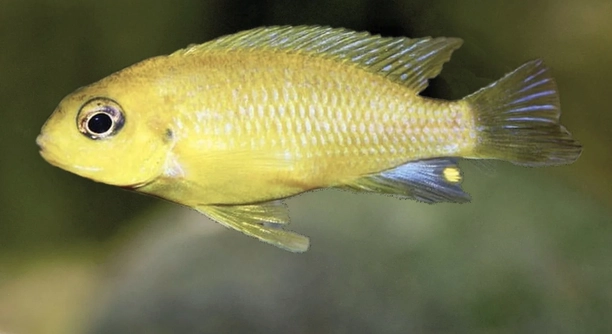
Electric yellow cichlids are lively and colorful fish that brighten any aquarium. Their behavior is sensitive, and sudden noises often trigger rapid movements. Understanding the sounds that startle them can help maintain a calm environment and reduce stress.
Seven common sounds can provoke startling reactions in electric yellow cichlids. These include sudden tapping on the tank glass, loud household noises, water splashes, clattering objects, music vibrations, abrupt movements near the tank, and equipment sounds such as filters or pumps, all causing heightened stress.
Knowing these triggers can improve your fish’s comfort and create a more peaceful aquarium experience for both you and your cichlids. Proper awareness ensures healthier and calmer fish in the long term.
Tapping on the Glass
Even gentle tapping on the tank can alarm electric yellow cichlids. They are highly sensitive to vibrations, and even small knocks create ripples that feel like threats. When I first noticed my cichlids darting away, it was usually right after someone tapped the glass. These sudden movements can increase stress and affect their appetite or swimming patterns. Over time, repeated disturbances may make them wary of approaching certain areas in the tank, limiting their natural behavior. I learned to warn anyone near the aquarium to avoid tapping and to gently handle the tank during cleaning or feeding. It’s also helpful to place the tank away from high-traffic areas. By reducing these small shocks, the fish become calmer, swim more naturally, and interact comfortably with their environment. Awareness of this simple factor made a noticeable difference in the overall health of my cichlids, creating a calmer, more stable habitat.
Even light tapping can trigger fear responses and disrupt the cichlids’ normal swimming and feeding behaviors.
Keeping the glass untouched and placing the aquarium in a quieter space minimizes sudden vibrations. Over time, this fosters trust and allows the fish to explore the tank more confidently. I noticed they started spending more time near the front of the tank instead of hiding, which improved my observation and enjoyment. Observing them without disturbances also helped me recognize other subtle signs of stress that might have gone unnoticed before. Consistently avoiding tapping and maintaining gentle movements around the aquarium creates a healthier, less anxious environment for electric yellow cichlids.
Loud Household Noises
Loud noises like vacuum cleaners, music, or slamming doors can startle cichlids.
Electric yellow cichlids respond strongly to sudden sounds because their hearing is finely tuned. In my home, running the vacuum near the tank caused immediate frantic swimming, sometimes for several minutes. Even music played loudly in another room created vibrations that unsettled them. These noises increase stress hormones and can interfere with feeding and natural behaviors. I learned to schedule noisy chores for times when the fish were less active, such as after their main feeding period. Using rugs or pads under appliances that generate vibrations also helped reduce disturbances. Over time, minimizing exposure to loud sounds led to calmer, more predictable behavior. The cichlids began exploring the tank more freely and showed less hiding, which indicated they were adjusting well to a quieter environment. Consistent attention to sound management creates a more stable and comfortable aquarium for these sensitive fish.
Water Splashes
Even small splashes can startle electric yellow cichlids. They interpret sudden water movement as potential danger, often darting or hiding immediately after.
When I refilled the tank or accidentally spilled water, my cichlids would quickly scatter. Even minor disturbances created enough ripples to disrupt their swimming patterns. Over time, I realized that pouring water slowly and close to the tank’s surface minimized splashes and kept the fish calmer. I also learned to use a small cup or container instead of a large jug to reduce the force of water entering the tank. Consistently careful handling during water changes or adding decorations significantly lowered their stress responses. The fish seemed more relaxed and willing to swim near the top again, showing how small adjustments can make a big difference in maintaining a peaceful environment.
Avoiding splashes and controlling water flow helps cichlids remain calm during maintenance and feeding times.
Even when the tank looks stable, sudden water movement can make them panic. Observing them closely, I noticed their hiding spots and favorite swimming areas shifted when splashes occurred. Adjusting my habits, like pouring slowly and avoiding sudden drops, allowed the cichlids to stay near the front of the tank without retreating constantly. Over time, these small changes improved their overall confidence and reduced daily stress. The tank felt more predictable for them, and I could enjoy watching their natural behaviors without causing unnecessary alarm. Maintaining calm water conditions became a simple yet effective part of their care routine.
Clattering Objects
Objects falling or bumping near the tank produce vibrations that scare cichlids instantly.
I once placed a small decoration too close to the tank edge, and it fell during cleaning. The resulting noise sent all my electric yellow cichlids darting to the back of the tank. Even minor objects, like utensils or containers accidentally knocked over, created vibrations strong enough to disturb their environment. To prevent this, I started keeping the area around the tank clear and ensuring heavy or noisy items were stored away. Soft padding beneath items near the tank also reduced the risk of startling the fish. These adjustments allowed the cichlids to remain active and less fearful, making the aquarium a more peaceful place. Their behavior improved, and I noticed they explored new areas without hesitation, showing a clear response to a calmer environment.
Music Vibrations
Loud music, especially bass-heavy tracks, can disturb electric yellow cichlids. Vibrations from speakers travel through the tank and make them swim erratically.
I noticed my cichlids became restless when music played nearby. Moving the speakers further away and lowering the volume reduced stress and allowed them to return to their usual spots without panic.
Abrupt Movements Near the Tank
Sudden gestures, leaning over the tank, or quick hand motions can startle cichlids. They respond to perceived threats with rapid swimming or hiding. I adjusted my movements, approaching slowly and calmly. This simple habit prevented repeated stress and helped them feel secure while I fed or cleaned the tank.
Equipment Sounds
Filters, pumps, and air stones generate constant noises that can be unsettling if loud or irregular. Adjusting their placement and using vibration-dampening pads minimized disruptions. Over time, the cichlids adapted, swimming confidently near equipment areas without excessive hiding or sudden bursts of movement.
Clattering Objects
Even minor knocks or falling items near the tank can trigger immediate fright responses in electric yellow cichlids. Careful organization around the aquarium prevents these incidents and supports calmer, more predictable fish behavior.
FAQ
Why do electric yellow cichlids startle so easily?
Electric yellow cichlids have highly sensitive senses that detect vibrations and sudden movements. Their natural instinct is to respond quickly to potential threats. In my experience, even minor disturbances like tapping the glass or spilling water can make them dart or hide. Understanding this sensitivity helped me adjust the aquarium environment and my own movements to reduce stress and support calmer, more natural behavior.
Can household noises really affect their behavior?
Yes. Loud appliances, slamming doors, or music with strong bass create vibrations that travel through walls and floors, disturbing the fish. I noticed my cichlids swimming erratically during vacuuming or when a washing machine was running nearby. Placing the tank in a quieter area and limiting exposure to these sounds helped them feel safer and more relaxed.
Do they get used to noises over time?
Some cichlids can adapt slightly to regular, predictable sounds, but sudden or irregular noises will always trigger a stress response. In my tank, the fish became more tolerant of the gentle hum of the filter and air pump. However, abrupt disturbances like dropping objects still caused frantic movements. Predictable environmental conditions are key for long-term calm behavior.
How can I minimize splashes and water disturbances?
Pouring water slowly during changes and using small containers reduces splashes. I switched from large jugs to cups for topping off the tank. Gentle water flow also prevents sudden ripples, which keeps the fish from panicking and maintains their natural swimming patterns. Over time, the cichlids seemed more comfortable near the top of the tank and showed fewer hiding behaviors.
Do hand movements near the tank scare them?
Yes. Quick or abrupt hand gestures trigger instinctive flight responses. I learned to approach the tank slowly and move steadily when feeding or cleaning. These calm, deliberate actions reduced stress and allowed my fish to swim openly, making the aquarium environment feel safer for them.
Are equipment noises really a problem?
Filters, pumps, and air stones can produce vibrations or loud hums that disturb electric yellow cichlids. I added soft pads under equipment and ensured proper placement to reduce noise. The fish became more relaxed and less prone to hiding near these areas. Regular maintenance without causing sudden loud sounds is essential for a calm environment.
Can music or vibrations from speakers affect them long-term?
Yes. Prolonged exposure to strong vibrations can lead to chronic stress, reduced appetite, and altered behavior. I moved my speakers away from the tank and lowered the volume during music playback. This simple adjustment improved my fish’s comfort, allowing them to swim naturally and explore the tank without fear.
What steps create a calmer environment overall?
Minimizing sudden noises, controlling water splashes, using slow hand movements, and reducing vibrations from equipment are all effective strategies. I found that keeping the tank area organized and quiet made a noticeable difference. The fish explored more, hid less, and showed fewer signs of stress, which improved both their health and my enjoyment of the aquarium.
How can I recognize when they are stressed by sounds?
Rapid darting, hiding, flaring fins, and erratic swimming are common stress indicators. I began observing my cichlids closely during feeding and maintenance times. Recognizing these behaviors early allowed me to adjust the environment and daily routines, which helped prevent prolonged stress and ensured the fish remained active and healthy.
Is it possible for them to fully ignore household noises?
No, sudden noises will always trigger some reaction, but predictable sounds like gentle filters or consistent background hums can be tolerated. I found that establishing a stable environment, combined with careful handling, greatly reduced panic responses and allowed the cichlids to feel secure in their habitat.
What’s the most important habit to maintain calm cichlids?
Consistency is key. I focused on slow, deliberate movements, controlled water changes, and minimizing sudden noises. Regular routines and predictable care make the fish feel safe, reducing stress and allowing them to display natural behaviors. Over time, this approach led to a calmer, more confident aquarium population.
Can decorations or objects near the tank affect them?
Yes, even small items that fall or clatter can startle cichlids. I cleared the area around the tank and used soft surfaces for nearby objects. This prevented sudden vibrations and helped the fish remain calm, exploring the tank without frequent panic reactions.
How long does it take for them to adjust to a quieter environment?
Adjustment varies, but I noticed gradual improvements within a few weeks. The fish spent more time swimming near the front, hid less, and reacted less to minor disturbances. Maintaining a consistent, calm environment is essential for long-term stress reduction.
Are there any unavoidable sounds I should prepare for?
Some sounds, like thunderstorms or emergency alarms, are impossible to control. In these cases, the cichlids may still startle. I made sure their tank offered hiding spots, which gave them refuge during unavoidable loud events. This simple precaution helps reduce panic and supports overall well-being.
Can multiple factors combine to stress them more?
Yes. Sudden movements, loud noises, and water splashes together amplify stress. I noticed that simultaneous disturbances caused more frantic behavior than a single trigger alone. Managing each factor individually and maintaining calm conditions significantly lowered stress levels, keeping the fish healthier and more comfortable in their habitat.
Final Thoughts
Electric yellow cichlids are vibrant and active fish, but they are also sensitive to their surroundings. Even minor noises or movements can startle them and disrupt their normal behavior. Over time, I learned that creating a calm environment requires careful observation and simple adjustments. Paying attention to tapping on the glass, water splashes, household noises, and abrupt hand movements can prevent unnecessary stress. I noticed that when the tank environment was consistent and disturbances were minimized, the cichlids became more confident and displayed natural behaviors like exploring, feeding, and interacting with each other. This made the aquarium not only healthier for the fish but also more enjoyable for me to watch. Establishing routines around feeding and maintenance also reduced surprises that could frighten them. Simple habits, like approaching the tank slowly and pouring water carefully during changes, had a significant impact on their comfort.
Managing equipment sounds and vibrations is equally important. Filters, pumps, and air stones are necessary for a healthy aquarium, but if they produce excessive noise or irregular vibrations, they can disturb the cichlids. I found that placing equipment on soft pads or slightly adjusting their positions helped reduce unwanted vibrations. Over time, the fish adapted to the steady hum of the equipment, but abrupt noises from nearby objects or falling items still startled them. Keeping the area around the tank clear of clattering items and minimizing loud household noises created a more stable environment. Music or heavy footsteps near the tank can also generate vibrations that affect the fish, so I made small adjustments like moving speakers further away and keeping heavy foot traffic away from the aquarium. These changes might seem minor, but they collectively reduce stress and improve the overall well-being of the cichlids.
Creating a comfortable environment for electric yellow cichlids is a combination of awareness, careful handling, and consistent routines. The fish respond to sudden stimuli instinctively, but by controlling common triggers, I observed long-term improvements in their behavior. They swam more openly, hid less frequently, and interacted with their surroundings more naturally. Small changes, like pouring water slowly, avoiding tapping the glass, and reducing loud household sounds, made a notable difference in their stress levels. Providing predictable care and maintaining a quiet, organized space around the tank allowed them to feel secure and confident. Ultimately, these adjustments not only supported their physical health but also enhanced their natural behaviors, making the aquarium a calmer, more enjoyable space for both the cichlids and myself. Creating this environment required attention and patience, but the positive results were clear and rewarding.

Hello,
If you enjoy the content that we create, please consider saying a "Thank You!" by leaving a tip.
Every little bit helps us continue crafting quality advice that supports the health, happiness, and well-being of pets around the world, for pets of all shapes, sizes, and species.
We really appreciate the kindness and support that you show us!