
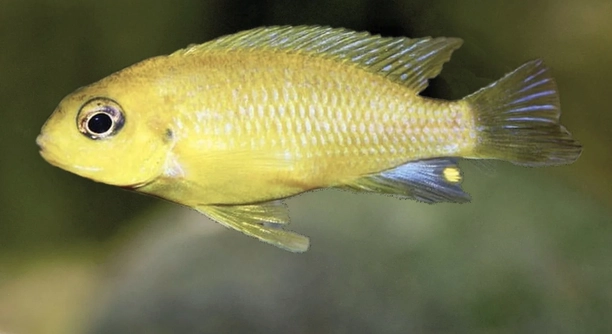
Cichlids are fascinating fish, known for their vibrant colors and complex social behaviors. Observing them in an aquarium or in the wild reveals subtle ways they interact peacefully with others in their environment.
Cichlids use specific actions to signal peace, including lowering their bodies, softening their coloration, maintaining slow movements, avoiding direct eye contact, displaying open fins, sharing territory temporarily, and engaging in gentle fin touches to reduce aggression among group members.
These peaceful gestures highlight the intricate social life of cichlids and offer insight into their unique communication methods within their aquatic communities.
Lowering Their Bodies
Cichlids often lower their bodies when they want to show they are not a threat. This action is subtle, but it communicates submission to other fish nearby. By reducing their height in the water, they signal that they are willing to avoid conflict and respect the territory of more dominant fish. Observing this behavior helps in understanding the social hierarchy within the tank. Lowering the body can also help prevent unnecessary aggression during feeding times or when multiple fish are exploring the same area. This action is natural and occurs frequently, even among established groups that generally coexist peacefully.
This behavior helps reduce tension and allows other cichlids to feel safe in shared spaces. It is a simple yet effective signal for maintaining peace within the group.
Learning to recognize when a cichlid lowers its body makes it easier to manage tank dynamics and ensures all fish remain calm. By noticing these movements, aquarists can prevent fights and maintain a balanced environment. Consistently observing body-lowering helps in predicting how fish will react in certain situations, which is especially useful in mixed-species tanks. It also gives insight into the hierarchy without needing to intervene directly. In addition, this gesture shows how cichlids have evolved sophisticated ways to communicate non-verbally, ensuring that even the smallest actions carry important social meaning. Over time, understanding these signals can improve the overall harmony of an aquarium, keeping stress levels low and promoting healthier fish behavior.
Softening Coloration
When cichlids want to appear non-threatening, they often soften their coloration. This change is noticeable and helps signal peace to other fish in the area.
Softening coloration reduces tension and is a clear sign of submission, particularly when two fish encounter each other near valuable resources.
Color change is a natural response controlled by pigments in the fish’s skin. Stress, social interaction, and environmental factors all influence how intensely cichlids display their colors. During confrontations, a brightly colored fish may dim its hues slightly to show it is not interested in fighting. This signal works as a warning to more aggressive fish, allowing conflicts to be avoided without physical contact. Softening coloration also serves as a communication tool during feeding, mating, or territory disputes, helping to maintain a peaceful balance. In aquariums, noticing these shifts can help owners understand the moods of their fish and intervene if necessary to reduce stress. Observing this subtle form of communication provides a deeper appreciation for cichlid behavior.
Maintaining Slow Movements
Slow movements in cichlids indicate calmness and non-aggression. Rapid or jerky motions often trigger defensive responses, so moving deliberately helps keep interactions peaceful within the tank.
By reducing speed, cichlids signal to others that they are not a threat. Fast movements can be interpreted as an attempt to dominate or chase, which may provoke fights. Slower swimming allows other fish to assess intentions and react accordingly without escalating tension. This behavior is especially important in crowded tanks where space is limited. Observing how cichlids adjust their pace provides insight into their social communication.
In mixed-species or densely populated tanks, slow movements prevent unnecessary conflicts. Fish that consistently swim calmly tend to maintain better relationships with their tank mates. It also helps in managing feeding times, as slower, deliberate swimming minimizes competition and allows each fish to access food without confrontation. Over time, recognizing these movements helps in anticipating interactions and maintaining a balanced, peaceful environment.
Avoiding Direct Eye Contact
Avoiding direct eye contact signals submission and respect toward dominant fish. This action reduces the likelihood of triggering aggression.
When cichlids divert their gaze or swim at angles, they communicate that they do not intend to challenge others. This behavior is common during initial encounters or in situations where territory overlap occurs. Avoiding eye contact is subtle but effective, showing that the fish acknowledges social hierarchies without creating tension.
This gesture helps maintain harmony in the tank, particularly among fish with established dominance structures. Eye contact avoidance also plays a role in breeding pairs or groups with complex social dynamics. Fish that ignore this signal may provoke fights or disrupt the balance of the tank. Recognizing and understanding this behavior allows aquarists to monitor stress levels and prevent unnecessary confrontations. It demonstrates that cichlids rely on non-verbal cues to navigate relationships, making it easier to predict interactions and support a peaceful aquarium environment.
Displaying Open Fins
Open fins signal that a cichlid is relaxed and not preparing for aggression. Tight or clamped fins usually indicate stress or defensive behavior, so this gesture shows calmness and peace within the tank.
Fish that consistently display open fins are more approachable and less likely to trigger conflicts. This behavior fosters a harmonious environment and reassures other tank mates that no threats are present.
Sharing Territory Temporarily
Cichlids sometimes allow other fish to enter their preferred spaces without aggression. This temporary sharing reduces tension and demonstrates tolerance. By permitting brief access to hiding spots or feeding areas, cichlids prevent confrontations and maintain group stability. Mutual respect for boundaries strengthens peaceful interactions over time.
Engaging in Gentle Fin Touches
Gentle fin touches are a form of tactile communication that signals friendliness and reassurance. Unlike aggressive nudges, these soft touches help maintain bonds and reduce stress among fish.
Observing Peaceful Actions
Noticing how cichlids interact through these signals can improve tank management. Careful observation ensures harmony and allows intervention if tensions rise.
FAQ
How can I tell if my cichlids are signaling peace?
Cichlids use several subtle actions to indicate they are not a threat. Look for behaviors such as lowering their bodies, softening coloration, slow movements, avoiding direct eye contact, displaying open fins, temporarily sharing territory, and gentle fin touches. These gestures are often brief and easy to miss if you are not paying attention. Observing fish over time helps you recognize their normal peaceful signals and distinguish them from signs of aggression.
Why do cichlids lower their bodies around other fish?
Lowering the body is a submissive gesture. It communicates to more dominant fish that they do not intend to fight or compete. This action helps reduce tension in the tank, particularly in crowded environments, and maintains a stable social hierarchy. Lowering also allows dominant fish to feel secure in their position, which prevents unnecessary chasing or attacks.
What does softening coloration mean in cichlids?
Softening or dulling of colors is a visual signal of non-aggression. Bright or intense colors can indicate dominance or readiness to compete. By dimming their coloration, cichlids signal that they are calm and willing to coexist peacefully with others in their environment. This behavior is common during territorial disputes, feeding, or initial introductions of new fish.
How important are slow movements for peacekeeping?
Slow movements show calmness and prevent other fish from perceiving threats. Rapid or jerky swimming can trigger defensive or aggressive responses, whereas deliberate, gentle swimming reassures other fish that no conflict is intended. Slow movement is especially important in densely populated tanks or with fish that have strong territorial instincts.
Why do cichlids avoid direct eye contact?
Avoiding eye contact is a sign of submission. It prevents the escalation of aggression by signaling respect toward dominant fish. Fish that maintain direct eye contact for long periods may be interpreted as challenging or threatening. Recognizing this behavior helps maintain harmony and reduces the likelihood of fights.
What does displaying open fins communicate?
Open fins indicate relaxation and a lack of aggression. Clamped or folded fins often signal stress, fear, or readiness to defend. By keeping their fins open, cichlids reassure others that they are calm and approachable. This behavior can be observed during feeding, swimming, or resting periods.
How does sharing territory temporarily help maintain peace?
Cichlids may allow other fish to enter their preferred areas without reacting aggressively. This temporary tolerance prevents fights over resources like hiding spots or feeding zones. Mutual respect for these boundaries supports stable social relationships and reduces stress in the tank.
What is the purpose of gentle fin touches?
Gentle fin touches are a form of tactile communication. Unlike aggressive nudges or charges, soft fin touches signal reassurance and friendliness. They help maintain social bonds and reduce tension among tank mates. This behavior is subtle but important in keeping groups of cichlids peaceful.
Can understanding these signals improve my aquarium management?
Yes, observing and interpreting cichlid signals allows you to predict interactions and prevent conflicts. By recognizing body language, coloration changes, and movements, you can manage feeding, tank decorations, and introductions of new fish more effectively. This understanding reduces stress and promotes healthier, happier fish.
How often do cichlids use these peace signals?
Peace signals are frequent, especially in established groups. Fish constantly communicate their intentions to avoid conflicts. Regular observation will reveal patterns, such as when feeding, exploring, or interacting with new tank mates. Consistent recognition of these behaviors helps maintain a calm, balanced environment.
Do different cichlid species signal peace in the same way?
While most cichlids use similar gestures, some species may have unique variations in their signals. Body posture, fin displays, and color changes can differ slightly depending on species. Understanding the specific behaviors of your cichlid species helps in interpreting their intentions accurately and maintaining harmony in mixed-species tanks.
How can I encourage peaceful interactions among cichlids?
Providing adequate space, hiding spots, and proper feeding areas reduces competition. Observing their signals and adjusting the environment when stress is noticed allows peaceful behaviors to dominate. Encouraging calm swimming, respecting territory boundaries, and monitoring interactions ensures long-term stability within the tank.
What should I do if I notice aggressive behavior despite these signals?
Aggression may still occur due to overcrowding, incompatible species, or stress. Intervene by rearranging decorations, separating aggressive individuals, or adding more hiding places. Understanding peaceful signals helps identify when intervention is necessary before conflicts escalate, keeping the tank environment safe for all fish.
Can juvenile cichlids signal peace differently than adults?
Yes, younger cichlids may display less controlled or more frequent gestures. Their signals can be subtler or inconsistent compared to adults. Monitoring juveniles helps them learn social norms from older fish and reduces the chance of early aggression within the group.
How does diet affect peace signaling?
A proper diet reduces stress and supports natural behaviors. Undernourished or overfed fish may become more irritable, making peaceful signals less effective. Maintaining balanced nutrition ensures cichlids have the energy to engage in calm interactions and display appropriate body language consistently.
Is it necessary to track all these signals daily?
Daily observation is helpful but not required in detail. Occasional monitoring is sufficient to notice changes in behavior, detect stress, or identify potential conflicts. Recognizing shifts in peaceful gestures early allows for timely adjustments in tank management and prevents escalation.
Do environmental changes impact peace signaling?
Yes, changes in water quality, temperature, or tank layout can influence cichlid behavior. Stress from sudden alterations may suppress peace signals and trigger aggression. Maintaining a stable environment encourages consistent communication and reduces conflicts among fish.
How long does it take to learn these signals?
With regular observation, most aquarists begin recognizing key gestures within a few weeks. Consistency in watching body posture, fin displays, movements, and coloration changes helps in quickly understanding the social dynamics of your cichlids. Over time, interpreting these signals becomes intuitive.
What is the benefit of understanding all seven peace actions together?
Knowing all seven actions—body lowering, softening coloration, slow movements, avoiding eye contact, open fins, territory sharing, and gentle fin touches—gives a complete picture of cichlid communication. This understanding allows for effective tank management, reduces stress, and fosters long-term harmony among fish.
Can observing peace signals reduce the need for interventions?
Yes, being aware of these behaviors allows you to anticipate potential conflicts and adjust the tank environment proactively. By recognizing calm gestures early, you can prevent fights, maintain stable hierarchies, and ensure a healthy, stress-free aquarium for all cichlids.
Do cichlids ever ignore each other’s peace signals?
Occasionally, a dominant or stressed fish may disregard signals. This is why monitoring interactions and providing environmental adjustments, such as additional hiding places or space, is important. Understanding normal peace behaviors helps identify when intervention is needed to maintain balance.
How do peaceful interactions benefit cichlids long-term?
Peaceful interactions reduce stress, support natural behaviors, and prevent injuries. Fish that can communicate non-aggressively tend to live healthier lives, display better coloration, and establish stable social groups, making the aquarium a calmer and more enjoyable environment.
What is the most common signal to watch first?
Lowering the body and softening coloration are often the easiest to observe. These gestures provide quick insight into a fish’s intentions, helping determine whether interactions are likely to remain peaceful or require intervention.
How do I track changes in these behaviors over time?
Keeping a simple observation log of behaviors during feeding, social interactions, and tank changes helps track trends. Noting repeated patterns or unusual deviations ensures you can respond quickly to maintain peace.
Can peace signals indicate stress relief as well?
Yes, when a cichlid softens coloration, swims slowly, or engages in gentle fin touches, it can indicate relief from tension. Observing these signals alongside environmental factors shows how fish adapt to reduce stress naturally.
Do all cichlids display every peace signal?
Not every individual or species uses all seven actions. Some may rely more on body posture or coloration, while others emphasize fin displays. Observing the specific tendencies of your fish helps in understanding their communication fully.
How can I encourage juveniles to learn these signals?
Providing a calm environment, consistent feeding schedules, and observing adult behavior allows juveniles to mimic peaceful gestures. Encouraging natural social learning helps reduce early aggression and supports harmonious group dynamics as they mature.
Are there seasonal or age-related changes in peace signaling?
Yes, breeding periods, growth stages, or environmental shifts can influence how often and intensely cichlids display peace signals. Being aware of these changes allows for better tank management and prevents stress-related aggression.
What is the best way to combine observation with tank care?
Observing peaceful behaviors while maintaining water quality, adequate space, and proper nutrition ensures both behavioral insight and environmental stability. This approach promotes calm interactions, reduces aggression, and supports long-term health for all cichlids.
How do gentle fin touches differ from aggressive nudges?
Gentle touches are slow, brief, and non-threatening. Aggressive nudges are faster, forceful, and often directed repeatedly. Recognizing this difference helps distinguish peaceful interactions from potential conflict, allowing timely intervention when needed.
Can understanding these signals improve breeding success?
Yes, peaceful communication reduces stress during courtship and spawning. Fish that signal calmness are more likely to engage in mating behaviors successfully, resulting in healthier offspring and less conflict during reproduction.
What role do decorations play in peace signaling?
Decorations provide visual barriers, hiding spots, and territory markers. This allows fish to display peaceful behaviors, such as slow movements or body lowering, without feeling threatened, reducing competition and stress.
How do I teach myself to notice subtle cues?
Spend consistent time observing the tank, focusing on posture, fin displays, and color changes. Over weeks, patterns become clear, making subtle signals easier to interpret and respond to effectively.
Is it normal for peace signals to vary daily?
Yes, behaviors fluctuate with feeding, activity levels, and environmental changes. Recognizing normal variations helps distinguish between typical social interactions and signs of stress or potential aggression.
Can peace signaling indicate readiness to interact socially?
Yes, gestures like slow swimming, open fins, or gentle fin touches show willingness to engage without conflict. These cues help fish form stable social groups and navigate territory safely.
Does observing peace signals reduce the risk of disease?
Indirectly, yes. Lower stress levels from calm interactions support immune function. Fish that communicate non-aggressively are less likely to sustain injuries, reducing the chance of infections or illness spreading.
How long should I observe before making tank adjustments?
A few days of consistent observation usually reveal trends. Noting repeated behaviors, tension points, or ignored signals helps determine whether environmental changes are necessary to maintain peace.
What is the final benefit of understanding cichlid peace signals?
Recognizing these behaviors ensures a calmer, healthier tank. Fish experience less stress, injuries are minimized, and interactions remain stable, creating a more balanced and harmonious aquarium environment.
This FAQ covers the most important aspects of how cichlids signal peace and how understanding these behaviors improves tank management, fish health, and overall harmony.
Final Thoughts
Understanding how cichlids signal peace is essential for maintaining a calm and balanced aquarium. These fish rely on subtle body language and behaviors to communicate their intentions. By observing actions like lowering their bodies, softening their coloration, moving slowly, avoiding direct eye contact, keeping fins open, sharing territory temporarily, and engaging in gentle fin touches, aquarists can interpret when the fish are relaxed and non-aggressive. Each of these behaviors has a purpose and plays a role in reducing stress and preventing unnecessary conflicts among tank mates. Paying attention to these signals allows you to see the social hierarchy and how each fish interacts with others. It also helps you notice early signs of stress or tension, which can be addressed before fights occur. Over time, recognizing these peace gestures becomes easier, and you begin to understand the natural rhythm of your aquarium.
A peaceful environment benefits both the fish and the aquarist. When cichlids communicate effectively and respect each other’s space, injuries and stress are minimized, leading to healthier and more vibrant fish. Observing these behaviors also adds an extra layer of enjoyment to keeping an aquarium. It allows you to see how fish interact in ways that are subtle but meaningful. Simple adjustments, such as providing hiding places, arranging decorations to create territories, or ensuring proper feeding areas, can support peaceful interactions. Additionally, recognizing these signals can guide decisions when introducing new fish or managing mixed-species tanks. Being attentive to body posture, coloration, and movement patterns ensures that interventions are timely and appropriate. This awareness fosters a more harmonious tank, where fish can display their natural behaviors safely.
Learning to read cichlid communication takes time and patience. It is important to observe consistently and note patterns in behavior. Some fish may display certain signals more prominently than others, and species differences can influence how these gestures appear. Understanding these nuances allows you to respond effectively to maintain balance in the tank. Peaceful interactions contribute to the overall stability of the aquarium, which in turn supports long-term health and reduces stress-related problems. By focusing on these signals, aquarists can create an environment that encourages natural behavior, minimizes aggression, and enhances the overall experience of keeping cichlids. Awareness of these peace actions also builds confidence in managing the tank, helping you anticipate potential conflicts and promote a more relaxed and enjoyable space for both the fish and yourself. Observing, understanding, and supporting these signals is the key to fostering a thriving, harmonious aquarium community.

Hello,
If you enjoy the content that we create, please consider saying a "Thank You!" by leaving a tip.
Every little bit helps us continue crafting quality advice that supports the health, happiness, and well-being of pets around the world, for pets of all shapes, sizes, and species.
We really appreciate the kindness and support that you show us!