
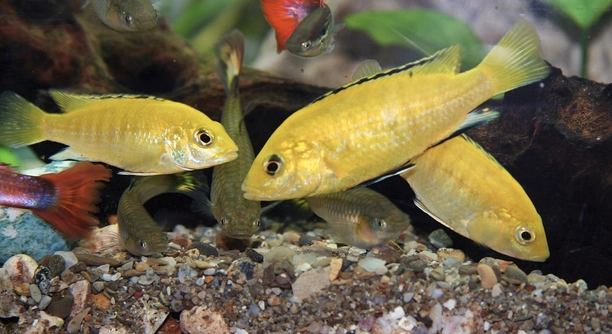
Have you ever noticed how certain tank decorations change the way your cichlids move around their space, creating new patterns that shift their usual behavior while adding a different feeling to the aquarium environment each.
Decorations that disrupt cichlid territory lines introduce visual barriers that alter spatial recognition. These structures interrupt established boundaries, prompting territorial adjustments and influencing social dynamics. Strategic placement can reshape interactions by modifying dominance zones and reducing conflict within defined areas.
These changes reveal how simple additions can shift your cichlids behavior, guiding you toward a balanced and engaging aquatic setting.
Have you ever noticed how certain tank decorations change the way your cichlids move around their space, creating new patterns that shift their usual behavior while adding a different feeling to the aquarium environment each.
Decorations that disrupt cichlid territory lines introduce visual barriers that alter spatial recognition. These structures interrupt established boundaries, prompting territorial adjustments and influencing social dynamics. Strategic placement can reshape interactions by modifying dominance zones and reducing conflict within defined areas.
These changes reveal how simple additions can shift your cichlids behavior, guiding you toward a balanced and engaging aquatic setting.
xxxxxxxxxxxxxxxxxxx
Adding layered stone clusters changes how your cichlids travel through the tank by interrupting direct sightlines and creating compact spaces that shift territorial boundaries. These formations influence dominant behavior by reshaping routes and prompting your fish to reconsider their usual zones while keeping movement steady and interactions more controlled daily.
Layered stone clusters offer structure that alters spatial division in a predictable way, giving your cichlids defined points that adjust how they defend space. By placing stones at varied heights, you create sections that limit direct confrontations. This setup encourages your fish to distribute themselves more evenly, reducing tension during active periods. The textured surfaces also provide resting areas that help them feel secure while navigating their environment. When positioned with slight gaps, the stones allow movement without forcing constant interactions, which supports a calmer atmosphere. Thoughtful placement maintains balance and keeps your tank operating smoothly with fewer territorial disruptions.
These structures work well in tanks with active cichlids because they reduce pressure created by open spaces. When stones are arranged to produce curved pathways, your fish adopt new routes that naturally redirect aggressive patterns. This controlled layout limits long chases by giving each fish a defined direction to move toward without entering another territory. The combination of height variation and covered sections gives them several places to pause, which decreases stress during busy moments. By keeping the formations stable and evenly spaced, you maintain a dependable environment that supports healthier behavior and encourages smoother interactions between fish with different.
xxxxxxxxxxxxxxxxxxx
Floating plants influence cichlid territory by adding shifting shadows that interrupt direct visibility and soften aggressive responses. As the plants drift, they create uneven pockets of light that guide your fish to reposition themselves in calmer sections. This gentle movement helps break up confrontations and encourages slower navigation. The added cover also gives timid fish a chance to move safely through shared areas, reducing tension and supporting a more balanced environment that remains throughout.
Floating plants also reshape social patterns by providing gentle visual barriers that influence how cichlids approach territorial boundaries. When the plants form a broad surface layer, they reduce overhead brightness that often heightens defensive behavior. This dimmer setting supports more consistent swimming patterns because your fish are less pressured by sharp lighting changes. As the roots extend into the water, they form narrow columns that encourage fish to move with more intention and less abrupt movement. These thin structures guide dominant fish away from open confrontations, helping them shift toward calmer zones. The plants allow shy individuals to navigate the tank without drawing unwanted attention. When maintained properly, floating cover remains stable, promoting healthier behavior and maintaining steady routines that help your fish interact with.
xxxxxxxxxxxxxxxxxxx
Submerged driftwood shifts territorial lines by adding long, uneven structures that interrupt straight swimming paths. Its shape guides your cichlids to move around curves instead of charging directly through open sections, which softens aggressive behavior and encourages calmer navigation between shared areas in the tank.
When placed horizontally, driftwood creates shaded pockets that give your fish places to pause without entering dominant zones. These shaded sections help timid cichlids move safely while giving bold ones new areas to explore. The altered layout reduces tension and encourages smoother, more predictable interactions.
xxxxxxxxxxxxxxxxxxx
Tall artificial plants change territorial boundaries by creating vertical barriers that influence how your cichlids claim sections of the tank. Their height blocks long lines of sight, which prevents fish from monitoring large areas at once. This encourages them to focus on smaller zones instead, reducing unnecessary confrontations. When these plants sway gently, they add subtle motion that softens direct approaches between fish. This movement helps break up sharp reactions and shifts behavior toward steadier swimming. By clustering the plants in select corners or midline sections, you guide your cichlids to divide space more evenly, supporting a calmer and more organized environment.
xxxxxxxxxxxxxxxxxxx
Small cave clusters create focused boundaries that shape how your cichlids defend space. These tight openings give individual fish defined areas to retreat to, which lowers conflict and encourages more controlled movement across the tank.
FAQ
How do decorations change the way cichlids form territorial boundaries?
Decorations reshape territorial boundaries by interrupting straight sightlines and adding physical structures that influence how your cichlids divide their space. When visual barriers appear, your fish adjust their claimed areas to fit the new layout. This change alters their movement patterns, which helps reduce fast confrontations. Decorations also offer landmarks that dominant fish use to define their zones with more precision. When placed thoughtfully, these structures guide both bold and timid individuals toward calmer routes. This shift supports smoother interactions while lowering the pressure created by open areas that often trigger quick defensive reactions.
Can visual barriers reduce aggressive behavior in cichlids?
Visual barriers play an important role in lowering aggression by limiting long-distance visibility. When your cichlids cannot watch the entire tank at once, they focus on smaller areas. This reduces the urge to chase fish across open sections. These barriers also help redirect dominant individuals by encouraging them to defend compact zones rather than wide spaces. Timid fish gain safe paths to move without being noticed immediately. The combination of new routes, shadows, and hidden passages makes daily interactions more controlled. This balance supports a calmer environment, especially in tanks with active or territorial species.
Are there specific decorations that work better for separating dominant and timid cichlids?
Yes, certain decorations work especially well for separating dominant and timid cichlids. Tall plants, large stones, caves, and driftwood pieces create defined areas that allow shy fish to move safely. These items break up large sections into smaller zones, which limit direct encounters. Caves provide private spaces where timid cichlids can hide without entering a dominant fish’s territory. Tall plants also soften visibility and offer shaded paths that reduce stress. Combined together, these decorations promote balanced spacing and ensure that each fish has access to secure areas that support healthier movement.
How should decorations be arranged to prevent constant chasing?
The placement of decorations matters as much as the type. Spread items across the tank instead of clustering them in one area. When structures appear on multiple sides, your cichlids divide the layout naturally. This distribution blocks long chase paths by forcing fish to navigate around obstacles. Adding height variation with plants or stacked rocks helps redirect movement in different directions. Curved driftwood, tall plants, and stone clusters create natural breaks that slow down aggressive approaches. The goal is to create several small sections rather than one large space. Balanced placement leads to calmer routines and steadier behavior.
Does the type of cichlid affect which decorations work best?
Different cichlid species respond differently to decorations. Rock-dwelling species prefer formations with crevices and sturdy surfaces. These structures mimic natural territories, which stabilizes their behavior. Open-water species respond well to tall plants and partial barriers that guide movement without restricting swim space. Cave-dwelling cichlids benefit from enclosed hiding spots that offer security. Understanding your species’ natural habits helps you choose structures that match their instincts. When decorations align with their behavior, territorial stress decreases and overall activity becomes more controlled. Tailoring the layout to your species supports a healthier tank.
Can decorations help newly introduced cichlids settle more peacefully?
Decorations help new cichlids settle by giving them places to retreat and observe the environment at their own pace. Structures break up dominant fish territory and prevent them from controlling the entire tank. New arrivals use shaded pockets and hidden paths to explore safely. This reduces stress during the first few days. When dominant fish cannot easily patrol every section, they display fewer defensive reactions. The balanced structure supports a smoother introduction and helps new fish integrate with fewer conflicts. Thoughtful decoration placement encourages stability and promotes calmer long-term behavior.
Final Thoughts
Creating a balanced environment for your cichlids depends greatly on how their space is shaped, and the decorations you choose play an important part in that process. Each structure you add influences how your fish move, how they divide territory, and how they respond to one another during active periods. When a tank is arranged with clear hiding areas, visual breaks, and gentle barriers, your cichlids settle into a calmer routine that supports healthier behavior. This stability reduces the stress that often comes with open layouts that allow long chase paths and sharp confrontations. By choosing decorations that match the natural habits of your species, you give them a setting that feels comfortable and familiar. That sense of comfort helps them adapt to changes more easily and maintain steady interactions throughout the day. A well balanced setup also makes it easier for you to enjoy your tank without dealing with constant disruptions caused by territorial tension.
As you observe your cichlids, you will notice how their behavior shifts when the environment meets their needs more closely. When the tank includes tall plants, structured stones, caves, and driftwood, the space becomes divided into smaller sections that guide movement in predictable ways. This makes it easier for dominant fish to manage their zones without feeling pressured to control every area. Timid fish also gain reliable paths to move through the tank without drawing too much attention. These details matter because cichlids depend on territory to feel secure, and disruptions to that space can influence their overall well being. Decorations that break up bright lighting, block direct lines of sight, or add natural curves help soften the environment so your fish can navigate with confidence. Over time, these small adjustments build a tank that runs more smoothly, with fewer conflicts and more consistent routines.
Maintaining this balance requires occasional adjustments as your cichlids grow, establish new boundaries, or change their behavior. Watching how they use different areas of the tank gives you valuable clues about what should be added, removed, or shifted to support better interactions. You might find that increasing shaded pockets helps timid fish, or that adding a few more vertical structures encourages dominant fish to remain in defined areas instead of wandering across the entire tank. These changes do not need to be complicated, they simply need to match the needs of your fish and the rhythm of the tank. With a thoughtful layout and consistent observation, you create an environment that supports calm behavior, healthier routines, and a more enjoyable experience for both you and your cichlids.

Hello,
If you enjoy the content that we create, please consider saying a "Thank You!" by leaving a tip.
Every little bit helps us continue crafting quality advice that supports the health, happiness, and well-being of pets around the world, for pets of all shapes, sizes, and species.
We really appreciate the kindness and support that you show us!