
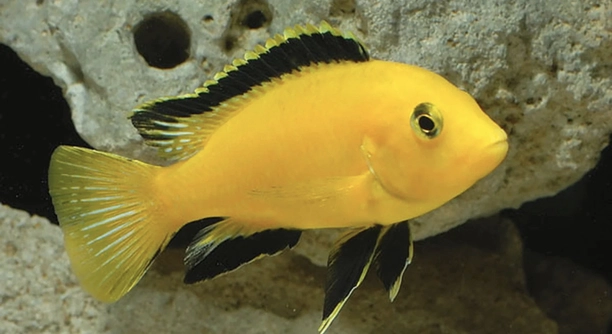
Are your cichlids showing signs of stress in a mixed aquarium? Many fish owners struggle with maintaining harmony, especially when some species trigger anxiety in their tankmates. Recognizing these dynamics can improve overall fish well-being.
Certain tankmates, such as aggressive or highly active species, can provoke anxiety in cichlids. Fish that constantly chase, nip, or dominate space increase stress levels, affecting feeding, growth, and social behavior. Proper selection of compatible species is essential for a balanced aquarium.
Understanding which companions may unsettle your cichlids can prevent long-term health issues. Learning these interactions helps ensure a calmer and more harmonious tank environment for all fish.
Active Tetras
Active tetras may look harmless with their bright colors and constant movement, but they can unintentionally stress cichlids. Their quick swimming and frequent schooling can make territorial cichlids feel crowded and uneasy. Smaller cichlids especially may retreat to hiding spots more often, reducing feeding and social interaction. Over time, constant exposure to hyperactive fish can affect growth and immunity. It’s important to note that not all tetras have the same impact—larger, slower-moving species may be tolerated better, while tiny, fast swimmers are more likely to trigger anxiety. Careful observation of tank behavior is crucial before adding them. Adjusting tank size, decor, and hiding spaces can reduce tension, but choosing inherently calmer fish is the most reliable solution. Cichlids need areas where they feel secure, and schooling fish that constantly pass through these spaces can create persistent stress. Maintaining a balanced aquarium requires understanding the natural behaviors of all species in the tank.
Keeping a few tetras is fine if the tank is spacious, but overcrowding should be avoided.
Observing how cichlids respond is key. Adjusting décor and spacing can help, but careful selection of tetra species is the safest approach.
Large Barbs
Large barbs are strong swimmers with bold personalities that can intimidate cichlids. Their tendency to nip fins or explore aggressively often unsettles more reserved species. Even in a spacious tank, their size and assertiveness can dominate territories, leaving cichlids feeling threatened. Choosing compatible companions and monitoring behavior are essential.
Barbs need open swimming areas, which may conflict with the territories cichlids claim. They are naturally active, schooling fish that like constant movement, which can be stressful for cichlids that prefer calmer surroundings. Aggressive interactions may lead to injuries or prolonged anxiety, affecting appetite and breeding behavior. Careful planning, such as providing multiple hiding spaces and creating visual barriers, can reduce tension, but the simplest solution is selecting barbs with milder temperaments or limiting their numbers. Tank size matters greatly—larger tanks allow both species to coexist more comfortably by providing sufficient swimming space and territorial boundaries. Observing daily interactions will help identify early signs of stress, ensuring interventions before long-term health problems occur.
Oscar Fish
Oscar fish are large and territorial, which can easily unsettle cichlids. Their size and assertive behavior often lead to chasing or dominance, leaving smaller cichlids stressed and withdrawn.
Oscars have strong personalities and are highly interactive. In a shared tank, they may monopolize food and space, making cichlids feel threatened. Even if no direct aggression occurs, their presence alone can cause anxiety. Providing ample hiding spots and visual barriers can reduce tension, but care is needed when pairing Oscars with other species. Smaller or less assertive cichlids are particularly vulnerable to stress, which can affect feeding, growth, and overall health. Understanding behavior patterns is essential for maintaining balance.
Monitoring interactions closely is important. Adjusting tank layout and observing daily behavior can prevent prolonged stress. Pairing with similarly sized, calm fish reduces conflicts, keeping the aquarium environment stable.
Rainbowfish
Rainbowfish are colorful and active swimmers that often provoke anxiety in cichlids. Their constant movement and curiosity can interrupt established territories, leaving cichlids feeling insecure.
Rainbowfish enjoy open water and tend to school in groups, which increases their activity levels. This constant motion may be perceived as a threat by territorial cichlids, resulting in retreating or hiding behaviors. Over time, the stress can affect immune response, feeding habits, and growth. Careful consideration of tank size, population density, and the temperament of rainbowfish species is necessary to minimize these issues. Providing sufficient plants and décor allows cichlids to establish personal space, reducing conflict while still letting rainbowfish swim freely. Proper planning ensures that both species coexist without compromising health or behavior.
Adjusting tank size and décor is crucial. Observing interactions daily helps maintain a peaceful environment, preventing aggressive encounters or persistent stress. Both species can thrive when personal space and territorial boundaries are respected.
Silver Dollars
Silver dollars are fast and constantly moving, which can make cichlids nervous. Their size and schooling behavior often push smaller cichlids into hiding.
They tend to graze on plants and explore open spaces, which can disrupt cichlids’ territories. Stress may affect feeding and social interaction, requiring careful tank planning.
Convict Cichlids
Convict cichlids are highly territorial and aggressive, especially during breeding. Their bold nature often intimidates other cichlids, forcing them to retreat. Tank decorations and hiding spots are essential to reduce conflict. Careful pairing with non-aggressive species is necessary to prevent stress-related health issues.
Guppies
Guppies’ constant swimming and bright colors can trigger anxiety in cichlids. Their small size and fast movements often provoke chasing behaviors, which cichlids may find stressful.
FAQ
How can I tell if my cichlid is stressed?
Signs of stress in cichlids include hiding more than usual, loss of appetite, rapid gill movement, or aggressive behavior toward tankmates. Color fading and erratic swimming are also indicators. Observing daily routines can help identify stress before it leads to health problems.
Which tankmates are safest for cichlids?
Calm, similarly sized fish that are not overly active tend to coexist well with cichlids. Species that respect territories and do not school aggressively reduce anxiety. Always research compatibility before introducing new fish to maintain balance.
Can tank layout reduce cichlid anxiety?
Yes, adding plants, rocks, and hiding spots creates territories and visual barriers. This allows cichlids to retreat when feeling threatened. Separating active or aggressive fish with décor helps minimize conflicts and encourages calmer interactions.
Does tank size matter for cichlid stress?
Tank size plays a significant role in reducing stress. Larger tanks give cichlids room to establish territories and avoid aggressive or fast-moving fish. Crowded tanks increase competition for food and space, raising anxiety levels.
Are schooling fish always stressful for cichlids?
Not always, but fast-moving schooling fish can trigger anxiety. The continuous motion can feel threatening, particularly to territorial species. Choosing slower or less aggressive schooling fish and providing space can help mitigate stress.
How often should I monitor interactions?
Daily monitoring is important, especially after introducing new tankmates. Look for chasing, hiding, or fin damage. Early detection of stress allows intervention before health or social issues worsen.
Can diet help reduce stress in cichlids?
A balanced diet supports overall health, making cichlids more resilient to stress. Nutrient-rich food can improve immune function and coloration, helping fish recover from mild anxiety caused by active or aggressive tankmates.
What should I do if aggression continues?
Persistent aggression may require separating fish or adjusting tank layout. Adding more hiding spots, rearranging décor, or reducing the number of aggressive species can reduce conflicts and restore a stable environment.
Are there signs of long-term stress?
Long-term stress manifests as stunted growth, weakened immunity, or chronic hiding. Continuous exposure to aggressive or overly active tankmates can lead to disease susceptibility and poor overall health. Timely intervention is critical to prevent irreversible effects.
Can breeding behavior increase anxiety?
Yes, during breeding, territorial instincts intensify. Cichlids become more defensive and may chase or nip other fish. Providing extra space, secure nesting areas, and minimizing disruptions helps reduce stress during this period.
Is it possible to reverse anxiety in cichlids?
With proper intervention, anxiety can be reduced. Adjusting tankmates, layout, and environment, along with monitoring and supportive care, can restore calm behavior. Recovery depends on the severity of stress and the fish’s overall health.
How do I introduce new fish without causing stress?
Quarantine new fish first, then introduce them gradually. Use visual barriers initially and monitor interactions closely. Slow introductions allow cichlids to adapt without immediate territorial disputes, reducing anxiety and promoting a balanced aquarium environment.
Can lighting affect cichlid stress?
Yes, abrupt or overly bright lighting can increase anxiety. Using subdued or natural lighting cycles helps cichlids feel secure. Combining proper lighting with hiding spots encourages normal behavior and reduces the risk of stress-induced health problems.
Does water quality impact anxiety?
Poor water quality significantly increases stress. Ammonia, nitrite, and nitrate spikes can weaken cichlids and heighten aggression. Regular testing, partial water changes, and filtration maintenance are essential to keep fish healthy and calm.
How many fish are too many for cichlids?
Overcrowding intensifies competition for space and food, raising anxiety. Stocking levels depend on tank size, species, and individual temperament. Following recommended limits ensures a calmer environment and healthier cichlids.
Are hiding spots really necessary?
Hiding spots are essential. They allow cichlids to establish territories and retreat when threatened. Rocks, plants, and décor reduce direct confrontations and give fish a sense of security, which lowers stress and promotes natural behavior.
Can different cichlid species coexist peacefully?
Some species can coexist if sizes, temperaments, and territorial needs are compatible. Careful research and observation are necessary. Providing separate territories, visual barriers, and sufficient space helps maintain harmony and reduces anxiety in mixed-species tanks.
Is it normal for cichlids to chase other fish occasionally?
Yes, occasional chasing is natural territorial behavior. Problems arise when chasing is constant or aggressive, causing stress or injury. Regular monitoring and tank adjustments help control persistent aggression and protect anxious fish.
How do I know when a cichlid needs to be separated?
If a cichlid is constantly hiding, losing weight, or showing fin damage, separation may be necessary. Timely intervention prevents prolonged stress and ensures both aggressive and anxious fish maintain health and proper behavior.
Can stress affect cichlid coloration?
Yes, stressed cichlids often lose vibrancy. Dull or faded coloration is a visible sign of anxiety. Reducing stressors, improving tank conditions, and ensuring compatible tankmates can restore normal coloration over time.
How often should I rearrange the tank to reduce stress?
Rearranging too often can increase anxiety, but occasional adjustments help reduce territorial disputes. Introducing changes gradually allows cichlids to establish new territories while minimizing stress and conflict.
Does temperature influence cichlid anxiety?
Yes, unstable temperatures can stress cichlids. Maintaining consistent, species-appropriate water temperature supports normal behavior and reduces anxiety caused by environmental fluctuations. Proper heaters and monitoring equipment are crucial for stability.
Are fast-growing plants better for reducing stress?
Fast-growing plants provide additional cover and territorial markers. They give cichlids places to hide and break lines of sight, which reduces aggression and anxiety. Choosing hardy, adaptable plants ensures long-term benefits for tank harmony.
Can I use tank dividers to reduce stress?
Dividers are effective for separating aggressive or incompatible species. They allow visual contact without direct confrontation, helping anxious cichlids acclimate while preventing injury and maintaining a balanced environment.
How important is a consistent feeding schedule?
Consistency in feeding reduces stress by minimizing competition and uncertainty. Scheduled meals help maintain social order and ensure that cichlids feel secure, which contributes to a calmer and healthier tank environment.
What role do companions play in reducing anxiety?
Compatible companions can provide social stability. Non-aggressive, similarly sized fish create a balanced environment, allowing cichlids to feel safe while exhibiting natural behaviors, which reduces chronic stress and promotes overall well-being.
Are small decorative changes enough to reduce stress?
Even minor adjustments, like adding plants or rearranging rocks, can make a significant difference. These changes create new territories and visual barriers, helping cichlids feel more secure and reducing anxiety in a shared tank.
Can stress cause disease in cichlids?
Yes, prolonged stress weakens the immune system, making cichlids more susceptible to infections and parasites. Minimizing stress through compatible tankmates, proper layout, and optimal water conditions is crucial for maintaining healthy fish.
How long does it take for cichlids to adapt to new tankmates?
Adaptation varies based on temperament and species. Some cichlids adjust within days, while others may take weeks. Providing space, hiding spots, and monitoring interactions ensures a smoother transition and reduces anxiety during the adjustment period.
Is it better to have fewer species in a tank?
Fewer species often result in reduced stress. Limiting the number of aggressive or active fish allows cichlids to establish territories and reduces conflicts, making the tank environment more predictable and calm.
Can stress be completely eliminated in a mixed tank?
Stress can be minimized but rarely fully eliminated. Careful planning, compatible tankmates, proper décor, and consistent monitoring create a stable environment where cichlids experience minimal anxiety and maintain healthy behavior patterns.
What are the most common mistakes that increase cichlid anxiety?
Overcrowding, incompatible tankmates, poor water quality, and lack of hiding spots are primary causes. Ignoring daily behavior or abrupt environmental changes can exacerbate stress. Awareness and proactive management are key to preventing anxiety-related issues in cichlids.
How do I maintain a long-term stress-free tank?
Consistent monitoring, maintaining water quality, proper tank size, and choosing compatible species are essential. Regular observation and thoughtful tank layout adjustments ensure cichlids remain healthy, reducing chronic anxiety and promoting natural behavior in a harmonious aquarium environment.
How important is research before adding a new fish?
Research is critical. Understanding species behavior, temperament, and territorial needs prevents stress and aggression. Careful planning ensures new additions integrate smoothly without disrupting established cichlid hierarchies or causing long-term anxiety.
Can stress affect breeding in cichlids?
Yes, stressed cichlids may avoid breeding or abandon eggs. Reducing anxiety through compatible tankmates, adequate hiding spots, and stable water conditions supports successful reproduction and healthy fry development.
Are artificial decorations as effective as natural ones for reducing stress?
Artificial decorations can be effective if they provide hiding spots and territory markers. Both natural and artificial décor reduce direct lines of sight, helping cichlids feel secure and minimizing stress in shared tanks.
What’s the best way to recover anxious cichlids?
Recovery involves improving tank conditions, removing aggressive tankmates, and adding hiding spots. Maintaining water quality and monitoring behavior supports recovery. With patience and careful management, cichlids can regain normal behavior and reduce anxiety.
How do I prevent stress when cleaning the tank?
Perform gradual water changes and avoid sudden décor rearrangements. Minimize disturbances and handle fish gently. Slow, consistent maintenance prevents stress spikes and keeps cichlids calm during routine care.
Can other pets near the aquarium affect cichlid anxiety?
Yes, sudden movements, vibrations, or noises from pets can startle cichlids. Positioning the tank away from high-traffic areas and minimizing disturbances helps maintain a calm environment and reduces unnecessary stress.
How do I know if anxiety is temporary or chronic?
Temporary anxiety resolves once a stressor is removed, and behavior returns to normal. Chronic stress persists despite environmental adjustments, showing signs like poor appetite, hiding, or color fading, indicating long-term intervention is needed.
Can I mix cichlids with small schooling fish safely?
Mixing is possible if species are compatible and the tank is large enough. Fast, small schooling fish may increase stress for territorial cichlids, so observation, hiding spots, and gradual introduction are essential to maintain harmony.
Do changes in water chemistry increase anxiety?
Yes, abrupt shifts in pH, hardness, or temperature can stress cichlids. Stable water conditions help maintain natural behavior and reduce anxiety caused by environmental instability. Regular testing and adjustments are necessary for long-term health.
Can cichlids recover from stress-induced illness?
With proper care, many cichlids recover. Early intervention, improved tank conditions, and supportive care increase recovery chances. Chronic stress may have lasting effects, so timely action is essential for health restoration.
How do I manage multiple anxious cichlids together?
Provide multiple hiding spots, visual barriers, and ample space. Reducing aggressive or highly active tankmates and monitoring interactions helps anxious cichlids establish territories while minimizing conflicts and promoting calmer social behavior.
Does water flow affect anxiety levels?
Strong currents can stress certain cichlids, especially smaller or less powerful swimmers. Adjusting flow to match species needs creates a comfortable environment and reduces anxiety caused by excessive water movement.
Are there long-term signs of stress I should watch for?
Look for stunted growth, dull coloration, persistent hiding, reduced feeding, and increased disease susceptibility. Early detection and intervention are essential to prevent lasting health problems caused by chronic anxiety.
How important is observation in preventing anxiety?
Observation is critical. Daily monitoring allows you to spot stress signs early, adjust tank conditions, and manage tankmates before problems escalate, ensuring cichlids remain healthy and calm.
Can temperature swings trigger aggression?
Yes, sudden temperature changes can increase irritability and territorial behavior. Maintaining stable, species-appropriate temperatures helps reduce stress and prevents conflicts among cichlids.
Do seasonal changes affect cichlid behavior?
Seasonal shifts in lighting, temperature, or feeding schedules can influence behavior. Maintaining consistent environmental conditions minimizes stress and ensures cichlids feel secure throughout the year.
Are certain decorations better for anxious cichlids?
Rocks, caves, and dense plants that provide visual barriers are most effective. They allow cichlids to establish territories and escape threats, reducing anxiety and promoting natural behavior.
Can sudden additions of new fish cause permanent stress?
Yes, abrupt introductions can lead to prolonged anxiety, especially in territorial cichlids. Gradual introductions and careful monitoring help prevent long-term behavioral and health problems.
Is it normal for cichlids to remain stressed after rearrangements?
Temporary stress is common, but prolonged anxiety may indicate incompatibility with tankmates or insufficient hiding spaces. Observing behavior and adjusting the tank helps restore calm.
Can diet changes reduce stress quickly?
A nutrient-rich diet supports overall health and can improve resilience, but diet alone cannot eliminate stress from incompatible tankmates or poor environment. Combining proper care with feeding strategies yields the best results.
Does water clarity impact anxiety?
Murky water may increase stress by reducing visibility and security. Clear, clean water helps cichlids feel safe and maintain normal territorial and social behavior.
Can introducing slow-moving species balance an active tank?
Yes, slower fish can provide stability and reduce overall tank movement, helping territorial cichlids feel more secure. Balance in activity levels promotes calmer interactions.
How do I prevent fin nipping from causing stress?
Ensure tankmates are compatible and avoid overcrowding. Providing hiding spots and visual barriers limits exposure to nipping, helping cichlids feel safer and reducing anxiety.
Are all cichlid species equally sensitive to stress?
No, sensitivity varies by species. Some are naturally more territorial or timid, while others adapt better to active tankmates. Understanding specific behaviors guides proper tankmate selection and reduces anxiety.
Does color pattern affect stress levels?
Bright or contrasting colors may trigger territorial responses in some cichlids. Observing interactions and adjusting tankmates accordingly helps minimize aggression and anxiety.
Is it helpful to separate aggressive juveniles?
Yes, young cichlids can be surprisingly territorial. Separating aggressive juveniles prevents stress and injury, allowing them to grow without compromising other tankmates’ well-being.
Can stress impact cichlid lifespan?
Chronic stress can reduce lifespan by weakening immunity, causing illness, and impairing growth. Minimizing anxiety through proper care is essential for long-term health.
Are temperature and pH stability more important than décor?
Both matter, but water stability directly affects health. Decorations help reduce stress but cannot replace the benefits of consistent environmental conditions. Combining stable water with thoughtful décor provides optimal results.
How quickly should I intervene when I notice stress?
Immediate attention is best. Prompt adjustments to tankmates, layout, or environment prevent prolonged anxiety, reducing risk of injury or health decline.
Can adding floating plants reduce stress?
Floating plants provide shaded areas and partial cover, helping cichlids feel secure. They also break sightlines and reduce exposure to active or aggressive fish, lowering stress levels.
Does tank maintenance frequency affect stress?
Regular maintenance ensures stable water quality and a clean environment. Infrequent or inconsistent care increases anxiety, while steady upkeep supports calm behavior.
Are cichlids more stressed in mixed-species tanks?
Mixed-species tanks can increase stress if fish are incompatible. Proper planning, tank size, hiding spots, and compatible species reduce anxiety, allowing cichlids to coexist peacefully.
How do I know if a fish is causing chronic stress?
Constant chasing, hiding, or fin damage indicates a fish may be the source. Observation and intervention, such as relocation or separation, help restore a balanced environment.
Can stress influence aggression in normally calm cichlids?
Yes, stressed cichlids may become unusually aggressive or defensive. Addressing environmental factors, tankmates, and hiding options can reduce anxiety and restore normal behavior.
Is it better to remove aggressive fish or anxious cichlids?
Removing aggressive fish is often more effective, as anxious cichlids benefit from a stable environment. Ensuring safe conditions allows all species to thrive without chronic stress.
Do water temperature fluctuations affect feeding behavior?
Yes, unstable temperatures can reduce appetite and cause erratic feeding. Maintaining consistent temperatures supports normal feeding routines and reduces stress-related issues.
Can multiple small interventions be better than one major change?
Yes, gradual adjustments prevent shock and help cichlids adapt without triggering additional anxiety. Small, consistent interventions maintain calm and promote healthy behavior patterns.
How do I track stress over time?
Keep notes on feeding, hiding, aggression, coloration, and interactions. Tracking patterns allows early detection of issues and ensures timely intervention to maintain a healthy, low-stress environment.
Can breeding pairs increase stress in community tanks?
Yes, territorial behavior intensifies during breeding. Extra space, hiding spots, and separating overly aggressive pairs can reduce stress for both cichlids and other tankmates.
Is it normal for cichlids to hide after new additions?
Yes, temporary hiding is natural as they adjust. Persistent hiding may indicate incompatibility or stress, requiring observation and possible intervention.
Can rearranging plants reduce aggression?
Strategically moving plants can create new territories and visual barriers. This helps limit direct confrontation, reducing stress and promoting calmer interactions among cichlids.
Are fast-moving species always problematic?
Not always, but constant activity can unsettle territorial or timid cichlids. Observing interactions and providing space or hiding areas helps reduce anxiety in active tanks.
Does lighting schedule influence cichlid stress?
Yes, consistent lighting supports natural rhythms and reduces anxiety. Sudden or irregular changes can trigger hiding or erratic behavior. Gradual transitions maintain a calm environment.
Can using tank dividers temporarily help?
Dividers allow visual acclimation without direct confrontation. They are useful when introducing new or aggressive fish, giving anxious cichlids space to adjust safely.
Is it normal for stressed cichlids to lose color temporarily?
Yes, stress can dull coloration. Improving tank conditions, reducing aggressive interactions, and providing hiding spots help restore natural vibrancy over time.
How do I reduce stress in a mixed-species tank long-term?
Careful species selection, adequate space, proper décor, and consistent water conditions all contribute. Ongoing observation and proactive adjustments maintain a low-st
Cichlids are fascinating fish with strong personalities, and keeping them happy requires careful attention to their environment. Their behavior is strongly influenced by tankmates, tank size, and layout. Aggressive, overly active, or fast-moving species can trigger anxiety, which may affect feeding, growth, and overall health. Even small signs of stress, like hiding or color fading, can indicate that adjustments are needed. Providing sufficient space, visual barriers, and hiding spots allows cichlids to feel secure and reduces the likelihood of prolonged stress. Proper planning before adding new fish helps create a balanced environment where cichlids can establish territories and display natural behaviors without constant fear or agitation.
When choosing companions for cichlids, it is important to consider size, temperament, and activity level. Fish that are too small or overly energetic can inadvertently disturb territorial cichlids, while overly aggressive species can dominate space and disrupt feeding routines. Creating a harmonious tank is not only about avoiding conflict but also about giving all fish the ability to thrive. Decor, plants, and rocks play an important role in providing cover and creating separate areas for different species. Gradual introductions, careful observation, and timely adjustments can prevent stress from escalating. The goal is to maintain an environment where cichlids feel confident and safe, while other species coexist without constant tension.
Long-term care of cichlids involves consistent monitoring and attention to both behavior and environmental conditions. Stress is not always immediately obvious, but prolonged exposure to anxiety-inducing tankmates can lead to health problems, reduced growth, and even shortened lifespan. Maintaining proper water quality, a consistent feeding schedule, and stable lighting and temperature are all critical factors that contribute to well-being. Taking small steps, such as adding more hiding spots or adjusting tankmates gradually, can have a significant impact on reducing anxiety. Observing interactions regularly and acting early ensures that problems are addressed before they become serious. By carefully managing tank conditions, selecting compatible fish, and providing adequate space, cichlid owners can create an aquarium that supports healthy, calm, and thriving fish over the long term.

Hello,
If you enjoy the content that we create, please consider saying a "Thank You!" by leaving a tip.
Every little bit helps us continue crafting quality advice that supports the health, happiness, and well-being of pets around the world, for pets of all shapes, sizes, and species.
We really appreciate the kindness and support that you show us!