
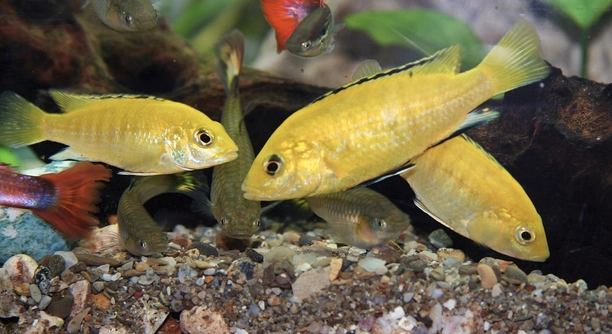
Electric Yellow Cichlids are bright and lively fish that bring energy to any aquarium. They often interact with their surroundings in ways that show curiosity and intelligence. Observing them can reveal fascinating patterns in behavior.
Electric Yellow Cichlids test their environment through behaviors such as gentle nudging, exploring new objects, shifting substrate, adjusting swimming patterns, and monitoring tankmates. These actions provide insights into water quality, safety, and territorial boundaries within their habitat.
Learning about these behaviors can improve how you care for your fish. Recognizing their subtle cues helps maintain a healthy, stimulating aquarium environment for these vibrant cichlids.
Gentle Nudging and Probing
Electric Yellow Cichlids often use their mouths to gently nudge objects or other fish in the tank. This behavior is not aggressive but exploratory. They push rocks, plants, or decorations to see if anything moves or reacts. It is a way for them to understand their surroundings and identify safe spaces. Nudging also helps them check the condition of the substrate, making sure the sand or gravel is stable for resting or hiding. Over time, you might notice patterns in where they nudge the most. This action can indicate areas of interest or potential stress. Observing nudging can also reveal how they interact socially. Fish that nudge less may feel threatened or stressed.
This gentle probing is a clear sign of curiosity and intelligence. It helps cichlids feel more comfortable and secure in their tank environment.
Paying attention to nudging patterns can guide tank setup. Noticing repeated interactions with objects allows adjustments to create a safer, more stimulating environment for your cichlids to thrive.
Exploring New Objects
Introducing new decorations or plants often triggers immediate investigation. Electric Yellow Cichlids swim around, touch, and circle unfamiliar items to gather information.
New items in the tank prompt thorough inspection. Fish examine textures, size, and placement carefully.
Exploration is more than curiosity; it’s an essential survival mechanism. By investigating objects, cichlids check for potential threats and establish territorial boundaries. They may hide behind or under new structures to feel secure. Watching their reactions can inform tank arrangements, like spacing decorations to avoid crowding. Over time, exploration decreases as they become familiar with the items, signaling comfort. Providing a variety of shapes and textures keeps them mentally stimulated and reduces boredom. This behavior is also a social signal, showing other fish which areas are claimed. Observing how different fish explore helps understand personalities and hierarchy within the tank, offering insights into better care routines and environmental enrichment.
Adjusting Swimming Patterns
Electric Yellow Cichlids often change their swimming speed or direction when something feels unusual. They may dart quickly or slow down to inspect their surroundings carefully.
Swimming adjustments are a method to test water conditions and nearby tankmates. Rapid movements can indicate sudden changes in temperature, water chemistry, or the presence of a new fish. Slower, cautious swimming usually reflects curiosity and comfort with exploring the area. These adjustments also help maintain balance in their territory, allowing them to claim and defend preferred spaces while avoiding stress. Over time, observing patterns in swimming can reveal health or environmental concerns that may need attention.
Watching these shifts in movement helps predict potential issues in the tank. Recognizing subtle changes ensures a safer, more stable environment for your cichlids, reducing stress and supporting overall well-being.
Monitoring Tankmates
Electric Yellow Cichlids keep a close eye on other fish, especially newcomers. They observe behavior before interacting, signaling awareness of hierarchy and safety.
This monitoring is crucial for establishing social order in the tank. Cichlids gauge the temperament, size, and activity of others to determine whether to approach, avoid, or assert dominance. Observing each fish helps prevent conflicts and ensures a peaceful community. Monitoring also allows cichlids to recognize potential threats or competition for territory, feeding spots, or hiding areas. By tracking movements and responses, they make decisions about swimming patterns, resting spots, and interactions with others.
Maintaining awareness of tankmates is a continuous process. Cichlids rely on this behavior to protect themselves and maintain stable social dynamics. Careful observation of these interactions provides valuable insight into their comfort, stress levels, and compatibility within the aquarium. By adjusting tank layouts or introducing objects strategically, you can help reduce stress and encourage positive social behavior, keeping all fish safe and active.
Shifting Substrate
Electric Yellow Cichlids often move sand or gravel with their mouths or fins. This behavior helps them feel the texture and stability of the tank floor, ensuring safe resting and hiding spots.
Shifting substrate also allows cichlids to mark territories. By rearranging small areas, they create comfortable spaces and signal ownership to other fish in the tank.
Inspecting Hiding Spots
Cichlids frequently check caves, plants, or decorations for potential shelter. This behavior is essential for feeling secure and avoiding stress. They test each spot for size, safety, and ease of access, ensuring the area suits their needs.
Responding to Water Changes
Electric Yellow Cichlids react quickly to shifts in water temperature, clarity, or chemistry. Changes may cause them to swim cautiously, hover near filtration areas, or explore the tank differently. Monitoring these responses helps maintain healthy water conditions and reduces stress within their environment.
FAQ
Why do Electric Yellow Cichlids nudge objects in the tank?
Nudging objects is a natural behavior that helps cichlids explore and understand their surroundings. They use gentle pushes to test stability and learn about potential hiding spots. It also allows them to check substrate and decorations for safety. Observing nudging patterns can give insight into their comfort and territorial preferences.
How can I tell if my cichlid is stressed?
Signs of stress include rapid or erratic swimming, hiding excessively, or refusing food. Changes in color, frayed fins, or aggression toward tankmates can also indicate discomfort. Stress often arises from poor water conditions, overcrowding, or sudden changes in the tank. Monitoring behavior and water quality helps reduce stress and promote healthy activity.
Do Electric Yellow Cichlids always explore new decorations?
Yes, they typically investigate anything new in the tank. Exploration allows them to evaluate safety, territory, and possible hiding places. Over time, curiosity decreases as they become familiar with the object, signaling that they feel comfortable and secure. Watching these interactions provides clues about their environmental preferences.
Why do they adjust swimming patterns so often?
Swimming adjustments allow cichlids to respond to environmental changes, other fish, or water conditions. Quick darting can indicate alertness or mild stress, while slow, careful swimming shows curiosity and comfort. These patterns help them maintain balance in their territory and navigate safely around the tank.
How important is observing tankmate interactions?
Monitoring tankmates is essential for social harmony. Cichlids assess others’ size, activity, and temperament before engaging. This reduces conflicts and helps establish territorial boundaries. By observing, you can identify aggressive or shy individuals, manage tank dynamics, and adjust space or decorations to prevent stress and encourage positive interactions.
Why do they move substrate around so much?
Shifting sand or gravel helps cichlids feel the stability of their environment. It also serves as a form of territory marking and creates comfortable resting or hiding spots. This behavior is essential for their mental stimulation and ensures they have safe, familiar areas to retreat when needed.
Do hiding spots affect their behavior?
Absolutely. Hiding spots provide security, reduce stress, and allow cichlids to establish personal territories. Inspecting caves, plants, or decorations gives them a sense of control over their environment. The number, size, and placement of hiding spots can influence activity levels and social interactions among tankmates.
How do they react to water changes?
Electric Yellow Cichlids are sensitive to shifts in temperature, clarity, or chemical balance. Reactions include cautious swimming, hovering near filtration areas, or increased exploration to understand changes. Regular monitoring of water conditions and gradual adjustments help prevent stress and maintain a stable, healthy environment.
Can these behaviors indicate illness?
Yes. Sudden changes in nudging, swimming, or hiding patterns can signal health issues. Lethargy, erratic movements, or avoidance of familiar spaces may indicate disease, parasites, or poor water quality. Observing daily behavior allows early detection and timely intervention to support recovery and wellbeing.
How do I encourage safe exploration?
Provide varied textures, decorations, and hiding spots while maintaining stable water conditions. Introducing new objects gradually reduces stress. Watching their reactions ensures the environment remains comfortable, stimulating, and safe, promoting healthy behavior and confidence in navigating their tank.
Do these behaviors change as they age?
Yes, younger cichlids tend to explore more actively, while older fish may be more cautious. Territorial behaviors also become more defined with age. Observing these shifts helps adjust tank layouts and social dynamics to suit their changing needs and maintain a balanced, low-stress environment.
Why is it important to understand these behaviors?
Recognizing how Electric Yellow Cichlids test their environment ensures proper care, reduces stress, and supports mental stimulation. Awareness of nudging, swimming adjustments, substrate shifts, and tankmate interactions allows better tank management, promotes natural behavior, and helps maintain overall health.
How often should I monitor their environment?
Daily observation is ideal. Regular checks of water parameters, substrate, and decoration placement help catch early signs of stress or discomfort. Monitoring behavior alongside environmental conditions ensures the tank remains a safe and engaging space for cichlids to thrive naturally.
What are signs of a healthy exploratory pattern?
Consistent nudging, moderate investigation of new objects, and balanced swimming indicate comfort and curiosity. Fish that explore without excessive stress, aggression, or hiding are demonstrating healthy engagement with their environment, showing they feel secure, stimulated, and confident in the tank.
How can tank layout affect these behaviors?
A thoughtfully arranged tank with ample hiding spots, varied substrate, and clear swimming space encourages exploration and reduces stress. Poor layouts can limit natural behaviors, increase aggression, or create unsafe conditions. Observing responses to layout changes helps optimize comfort and activity levels.
What’s the role of social hierarchy in these behaviors?
Hierarchy influences how cichlids interact with tankmates, explore, and claim territories. Dominant fish may inspect and occupy preferred spaces, while subordinate ones adjust swimming patterns or find alternate hiding spots. Understanding these dynamics helps manage tank harmony and reduces stress-related conflicts.
How do nudging and substrate shifting work together?
Nudging and moving substrate often happen simultaneously as cichlids explore and organize their environment. Nudging tests objects, while substrate shifts adjust comfort and security. Together, these behaviors reveal their preferences, territorial claims, and reactions to environmental changes.
Can observing these behaviors improve tank care?
Absolutely. Paying attention to exploration, swimming patterns, hiding habits, and interactions provides insight into environmental quality, social dynamics, and individual health. Adjusting tank conditions based on these observations ensures a safe, stimulating habitat that supports natural behaviors and long-term wellbeing.
Are there differences between individual fish?
Yes, personalities vary. Some cichlids are bold and explore frequently, while others are cautious. Recognizing individual differences helps tailor tank setups, interactions, and monitoring, ensuring each fish feels secure and supported in the shared environment.
How do environmental enrichments influence behavior?
Decorations, plants, and substrate variety stimulate exploration and reduce boredom. Providing diverse textures, hiding spots, and swimming challenges encourages natural behaviors, supports mental health, and prevents stress, ultimately promoting a more active and balanced aquarium ecosystem.
What is the best way to introduce changes to the tank?
Gradually. Small additions of decorations or substrate modifications allow cichlids to inspect and adjust without overwhelming stress. Monitoring reactions ensures changes are accepted, maintaining a safe, stimulating environment that encourages exploration and confidence.
Do these behaviors indicate readiness for breeding?
Sometimes. Increased nudging, territory marking, and guarding hiding spots can signal breeding readiness. Observing interactions and preferences for certain areas helps anticipate reproductive behavior and provides suitable spaces for eggs or fry.
How can I balance curiosity and safety?
Ensure ample hiding spots, maintain water stability, and introduce changes slowly. Observing responses allows adjustments to prevent stress or aggression. Providing a secure yet engaging environment promotes natural exploration while keeping fish safe and comfortable.
How important is daily observation for long-term health?
Daily monitoring allows early detection of stress, illness, or environmental issues. Watching subtle changes in swimming, nudging, and hiding ensures timely interventions, maintains a stable habitat, and supports consistent mental stimulation and overall wellbeing for Electric Yellow Cichlids.
Can these behaviors change with tank size?
Yes, larger tanks often encourage more exploration and natural swimming patterns. Smaller or overcrowded tanks may limit movement, increase stress, and reduce opportunities for testing the environment. Observing behaviors relative to tank size helps optimize layouts and maintain comfort.
How do I know if my cichlids feel safe?
Consistent investigation, gentle nudging, and relaxed swimming indicate comfort. Fish that use hiding spots appropriately without constant hiding or aggression are showing they feel secure. Regular observation of these behaviors ensures a safe, supportive tank environment.
Are there seasonal or environmental factors that affect behavior?
Yes, changes in light, temperature, or water chemistry can influence activity levels and exploration. Seasonal shifts in behavior are often subtle but noticeable. Maintaining stable conditions and monitoring reactions ensures minimal stress and supports natural behaviors year-round.
How can I encourage natural testing behavior?
Provide varied environments with decorations, substrate, and hiding spaces. Avoid sudden, drastic changes. Observing reactions and responding appropriately supports curiosity while keeping cichlids safe, confident, and mentally stimulated in their habitat.
What do repeated nudging and substrate adjustments mean?
Repetition often indicates comfort, territorial marking, or curiosity. It can also reflect minor stress or environmental dissatisfaction if excessive. Tracking these behaviors helps determine if changes in layout, water quality, or social structure are needed.
Is it normal for cichlids to ignore new objects at first?
Yes, hesitation is typical. Fish may need time to assess safety before approaching new items. Gradual exposure allows comfort and encourages healthy exploration without causing stress or fear.
Do all Electric Yellow Cichlids display these behaviors equally?
Individual variation is common. Personality, age, and past experiences influence how each fish tests its environment. Recognizing differences allows tailored care, ensuring all fish remain comfortable, stimulated, and confident in the tank.
How can I use these behaviors to improve tank setup?
Observing nudging, exploration, swimming, and hiding habits reveals preferences for substrate, hiding spots, and swimming space. Adjusting layout based on these insights promotes a comfortable, safe, and stimulating environment that supports natural behavior patterns.
What’s the best way to introduce new tankmates?
Introduce gradually, allowing cichlids to observe newcomers from a safe distance. Monitor interactions, provide multiple hiding spots, and ensure enough space for territory adjustments. This approach minimizes stress and encourages positive social dynamics.
How can I tell if environmental enrichment is effective?
Cichlids that actively explore, nudge, and interact with decorations demonstrate effective enrichment. Reduced boredom, lower stress indicators, and balanced social behavior show that the environment meets their mental and physical needs.
Do these behaviors change if water quality declines?
Yes. Poor water conditions often result in lethargy, hiding, or erratic swimming. Observing behavioral shifts alongside regular water tests helps detect problems early, ensuring timely interventions to protect health and comfort.
How much space do they need for proper testing behavior?
Adequate swimming space and territories are essential. Crowded tanks limit exploration, increase stress, and reduce natural behaviors. Observing activity levels and interactions helps determine if the tank provides sufficient room for comfort and security.
Can observing these behaviors predict future issues?
Yes. Sudden changes in nudging, swimming, or hiding can signal stress, illness, or environmental problems. Monitoring behavior allows early corrective actions, preventing more serious health or social issues in the tank.
What’s the overall benefit of understanding these behaviors?
Understanding these behaviors allows better tank management, supports mental stimulation, reduces stress, and promotes natural activity. Careful observation ensures Electric Yellow Cichlids remain healthy, confident, and comfortable, creating a thriving aquarium environment for all inhabitants.
Electric Yellow Cichlids are fascinating fish that use many behaviors to test their environment. From gentle nudging of objects to adjusting their swimming patterns, these actions help them understand their surroundings and feel safe. Observing these behaviors is essential for maintaining a healthy tank. Each movement and interaction tells you something about their comfort, stress levels, and mental stimulation. By paying attention, you can make adjustments to their habitat that support both physical and emotional well-being. Simple changes, like rearranging decorations, adding hiding spots, or adjusting water parameters, can make a big difference in how confident and active they feel. Watching them explore, inspect, and interact gives a clear view into their natural instincts.
Cichlids also use social behavior as part of environmental testing. Monitoring tankmates, claiming territories, and responding to new additions are all part of how they navigate their space. These social interactions can reveal how the fish establish hierarchy, how comfortable they feel, and if there are potential conflicts. It is important to notice patterns in these interactions because they help guide decisions about tank layout and population management. Providing enough space, hiding areas, and varied structures allows each fish to express natural behavior without unnecessary stress. Observing how they respond to one another also helps identify individual personalities, such as bold or cautious fish, which can influence how you maintain the tank. Understanding social dynamics ensures a harmonious environment, reduces aggression, and keeps all fish healthy and active.
The environment itself plays a key role in shaping these behaviors. Water quality, temperature, and substrate type all affect how comfortably cichlids test and explore their surroundings. Any sudden changes can make them cautious, hide, or act unusually. Maintaining consistent conditions allows them to behave naturally and feel secure. At the same time, introducing small environmental enrichments encourages curiosity, mental stimulation, and healthy activity. By observing their responses carefully, you can learn which areas they prefer, how they mark territory, and what keeps them engaged. Paying attention to these cues is one of the best ways to ensure long-term health and happiness in the aquarium. Overall, recognizing and supporting these behaviors makes caring for Electric Yellow Cichlids easier, creating a stable, stimulating, and safe environment where they can thrive.

Hello,
If you enjoy the content that we create, please consider saying a "Thank You!" by leaving a tip.
Every little bit helps us continue crafting quality advice that supports the health, happiness, and well-being of pets around the world, for pets of all shapes, sizes, and species.
We really appreciate the kindness and support that you show us!